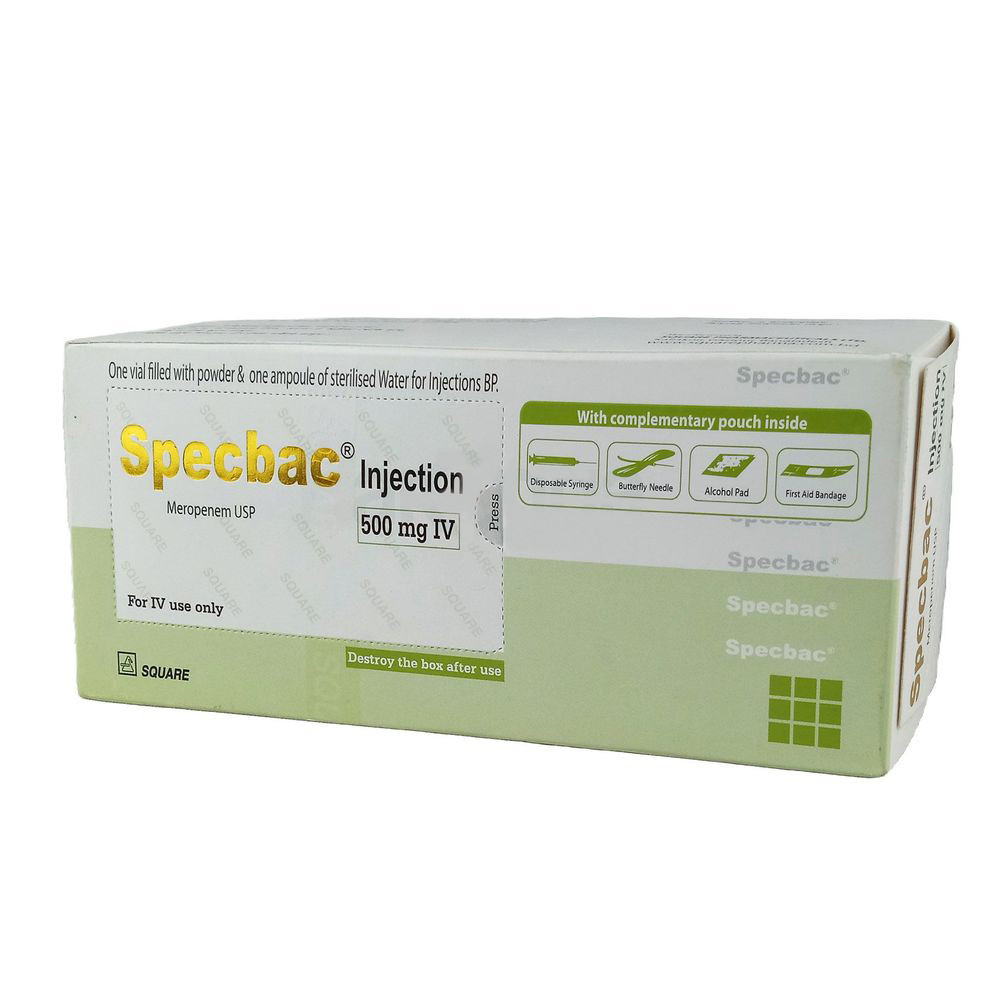
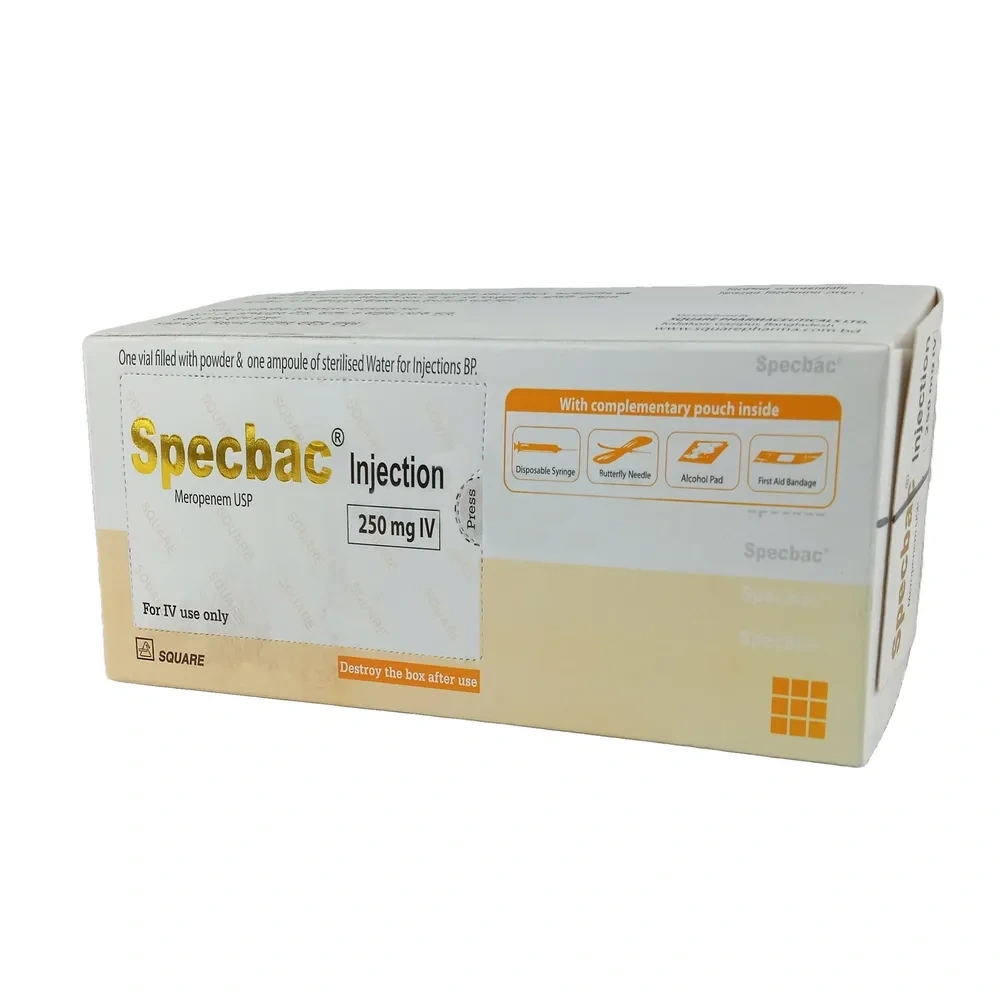
Introduction
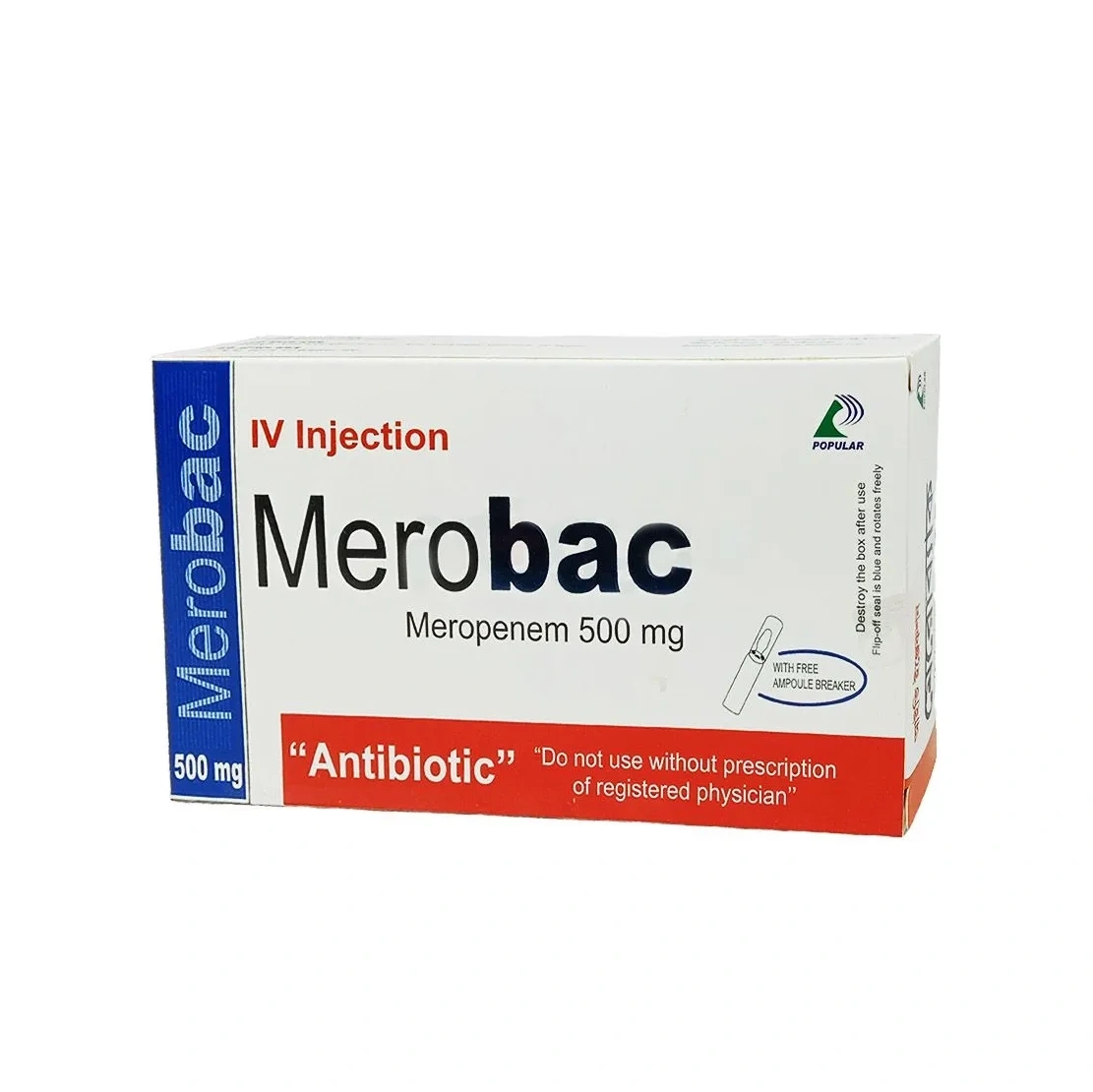
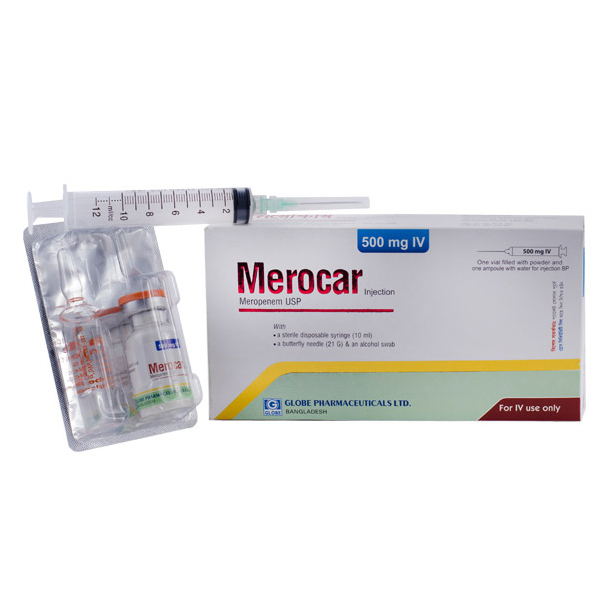
Meropenem is a broad-spectrum carbapenem antibiotic. It is active against Gram-positive and Gram-negative bacteria. Meropenem exerts its action by penetrating bacterial cells readily and interfering with the synthesis of vital cell wall components, which leads to cell death.
In August 2017, a combination antibacterial therapy under the market name vabomere was approved for treatment of adult patients with complicated urinary tract infections (cUTI). Vabomere consists of meropenem and Vaborbactam and is intravenously admininstered. The treatment aims to resolve infection-related symptoms and achieve negative urine culture, where the infections are proven or strongly suspected to be caused by susceptible bacteria.
Uses
Meropenem is a carbapenem antibiotic used to treat a wide variety of infections in the body.
For use as single agent therapy for the treatment of the following infections when caused by susceptible isolates of the designated microorganisms: complicated skin and skin structure infections due to Staphylococcus aureus (b-lactamase and non-b-lactamase producing, methicillin-susceptible isolates only), Streptococcus pyogenes, Streptococcus agalactiae, viridans group streptococci, Enterococcus faecalis (excluding vancomycin-resistant isolates), Pseudomonas aeruginosa, Escherichia coli, Proteus mirabilis, Bacteroides fragilis and Peptostreptococcus species; complicated appendicitis and peritonitis caused by viridans group streptococci, Escherichia coli, Klebsiella pneumoniae, Pseudomonas aeruginosa, Bacteroides fragilis, B. thetaiotaomicron, and Peptostreptococcus species. Also for use in the treatment of bacterial meningitis caused by Streptococcus pneumoniae, Haemophilus influenzae (b-lactamase and non-b-lactamase-producing isolates), and Neisseria meningitidis.
Associated Conditions
Pharmacodynamics
Meropenem is a broad-spectrum carbapenem antibiotic. It is active against Gram-positive and Gram-negative bacteria. Meropenem exerts its action by penetrating bacterial cells readily and interfering with the synthesis of vital cell wall components, which leads to cell death.
Mechanism of Action
The bactericidal activity of meropenem results from the inhibition of cell wall synthesis. Meropenem readily penetrates the cell wall of most Gram-positive and Gram-negative bacteria to reach penicillin-binding- protein (PBP) targets. Its strongest affinities are toward PBPs 2, 3 and 4 of Escherichia coli and Pseudomonas aeruginosa; and PBPs 1, 2 and 4 of Staphylococcus aureus.
Protein Binding
Approximately 2%.
Route of Elimination
Approximately 70% of the intravenously administered dose is recovered as unchanged meropenem in the urine over 12 hours, after which little further urinary excretion is detectable.
Half Life
Approximately 1 hour in adults and children 2 years of age and older with normal renal function. Approximately 1.5 hours in children 3 months to 2 years of age.
Toxicity
In mice and rats, large intravenous doses of meropenem (2200-4000 mg/kg) have been associated with ataxia, dyspnea, convulsions, and mortalities.
Food Interactions
No interactions found.
Dosage
Adults:
- The usual dose is 500 mg to 1 gm by intravenous administration every 8 hours.
- Pneumonia, urinary tract infections, gynaecological infections such as endometritis, pelvic inflammatory disease, skin and skin structure infections: 500 mg IV every 8 hours.
- Nosocomial pneumonias, peritonitis, presumed infections in neutropenic patients and septicaemia: 1 g IV every 8 hours.
- Intra-abdominal infections: 500 mg to 1 gm every 8 hours.
- Cystic fibrosis: Upto 2 gm every 8 hours.
- Meningitis: 2 gm IV every 8 hours.
- 3 months to 12 years: 10 to 40 mg/kg intravenously every 8 hours depending on type and severity of infection, susceptibility of the pathogens and the condition of the patient.
- Intra-abdominal infections: 20 mg/kg every 8 hours.
- Cystic fibrosis (4-18 years): 25-40 mg/kg every 8 hours.
- Meningitis: 40 mg/kg IV every 8 hours.
- Febrile neutropenia: 20 mg/kg every 8 hours.
- Children over 50 kg weight: use adult dosage.
- There is no experience in children with hepatic or renal impairment.