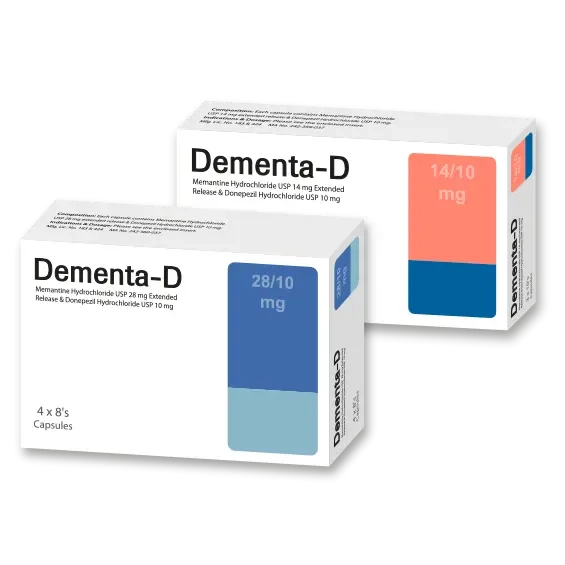
Introduction
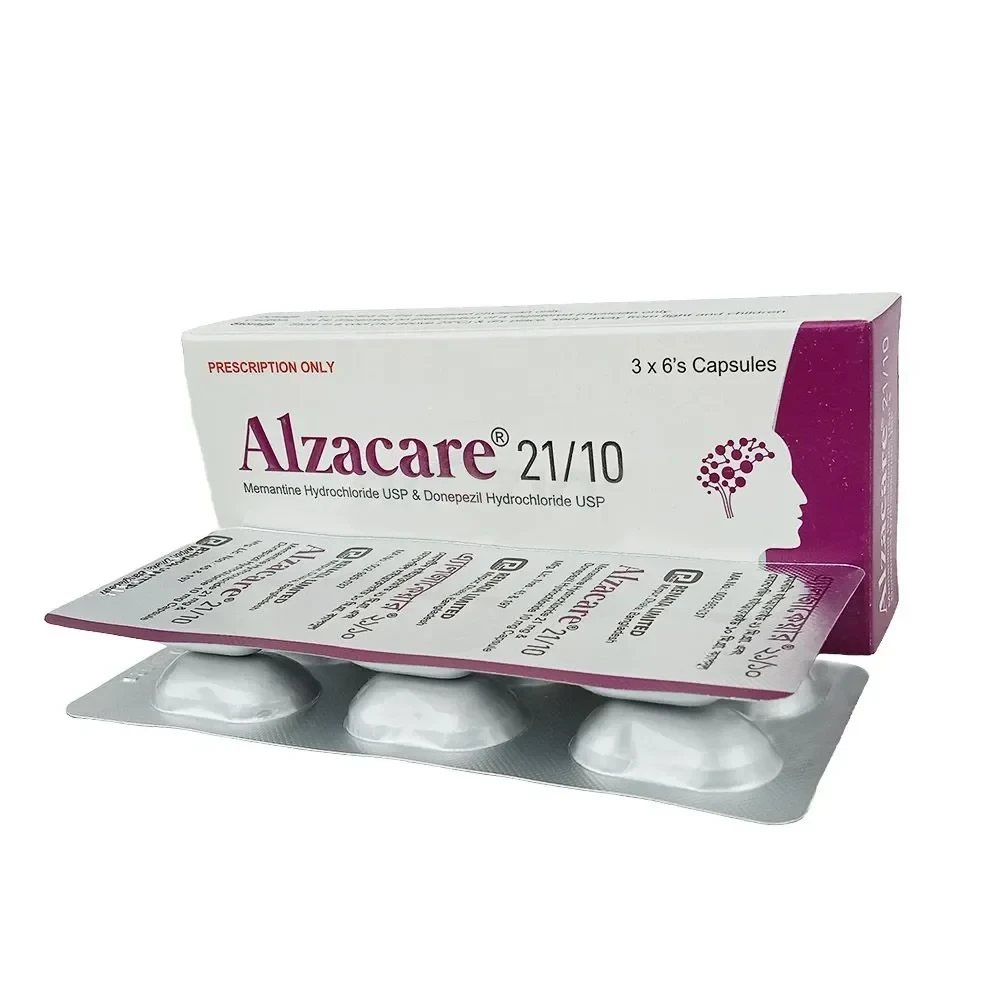
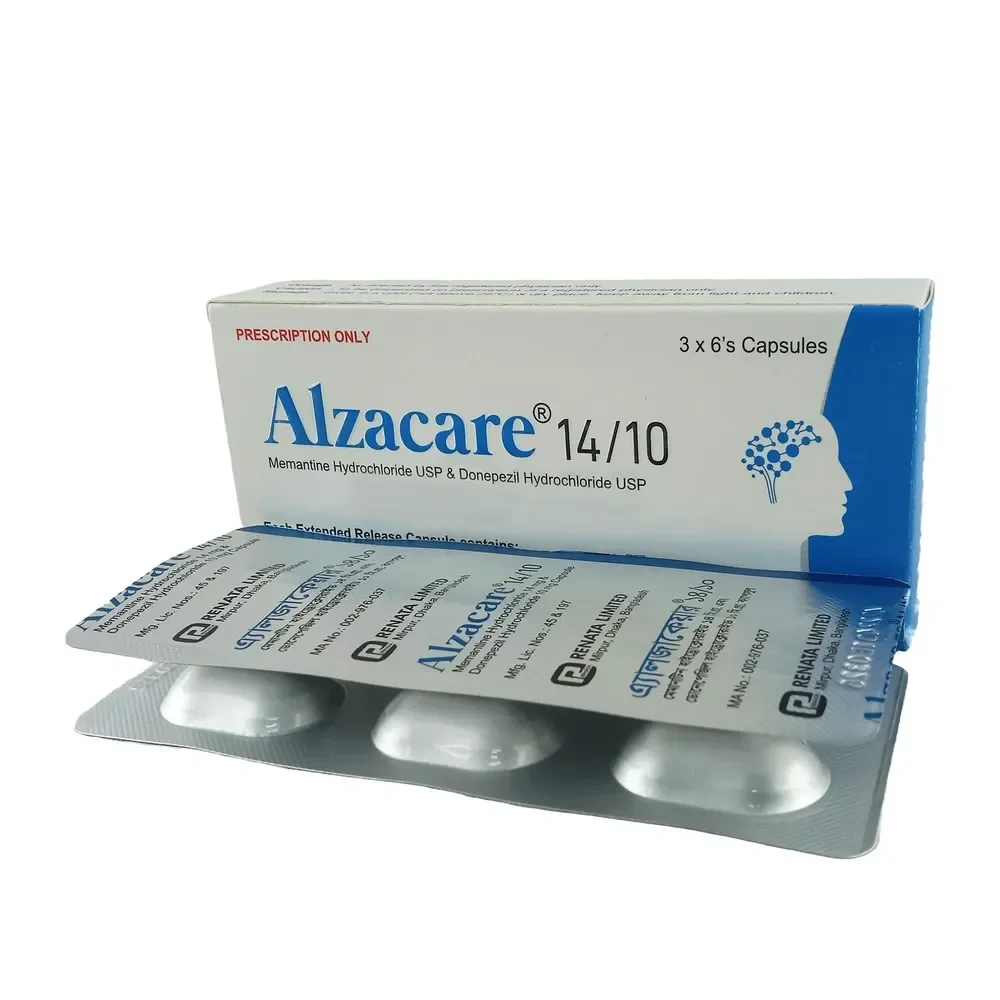
Memantine + Donepezil is a combination therapy used in the management of Alzheimer's disease. Memantine is an NMDA receptor antagonist, while Donepezil is a cholinesterase inhibitor. The combination aims to address different aspects of Alzheimer's pathology to improve cognitive function and overall quality of life.
Uses
This combination is used for:
- Alzheimer's Disease: To manage moderate to severe symptoms of Alzheimer's disease. Memantine helps regulate glutamate activity, while Donepezil enhances acetylcholine levels, which are both critical for cognitive function.
Mechanism of Action
Memantine works by blocking NMDA (N-methyl-D-aspartate) receptors, which are involved in glutamate neurotransmission. Glutamate, when overactive, can cause neurotoxicity. By inhibiting these receptors, Memantine helps to prevent excitotoxic damage. Donepezil, on the other hand, inhibits acetylcholinesterase, an enzyme that breaks down acetylcholine. Increased levels of acetylcholine help improve communication between neurons and enhance cognitive function.
How Long Does It Take to Work?
Improvement in symptoms may be noticed within a few weeks of starting the combination therapy. However, the full therapeutic effects can take several months to manifest. The response varies among individuals, and regular follow-up with a healthcare provider is essential to assess the effectiveness of the treatment.
Absorption
Both Memantine and Donepezil are absorbed well after oral administration. Memantine is rapidly absorbed, with peak plasma concentrations occurring within 3 to 7 hours. Donepezil also achieves peak plasma levels within 3 to 4 hours after ingestion.
Route of Elimination
Memantine is primarily excreted unchanged in the urine, with approximately 48% of the dose eliminated this way. Donepezil is metabolized in the liver and excreted in the urine as metabolites, with only a small amount of unchanged drug appearing in the urine.
Dosage
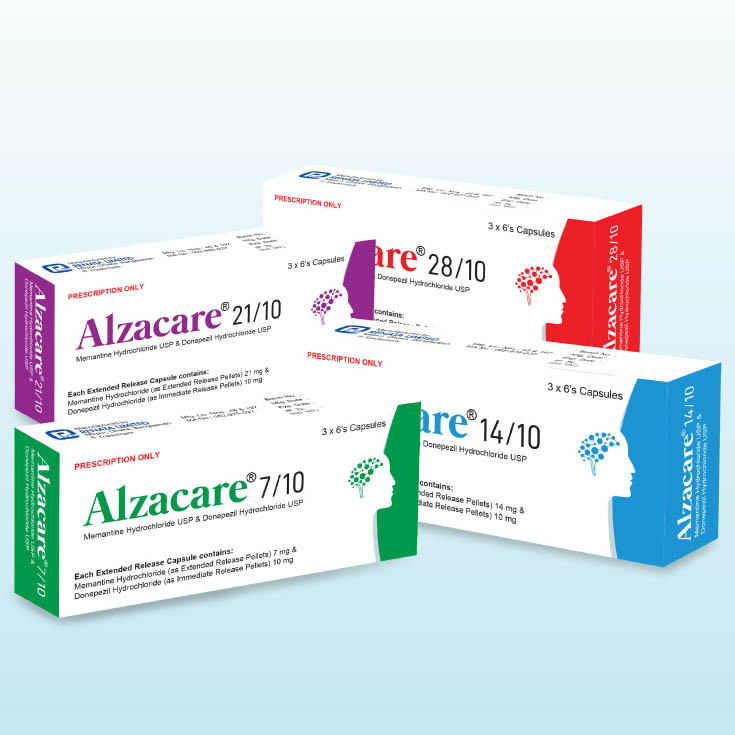
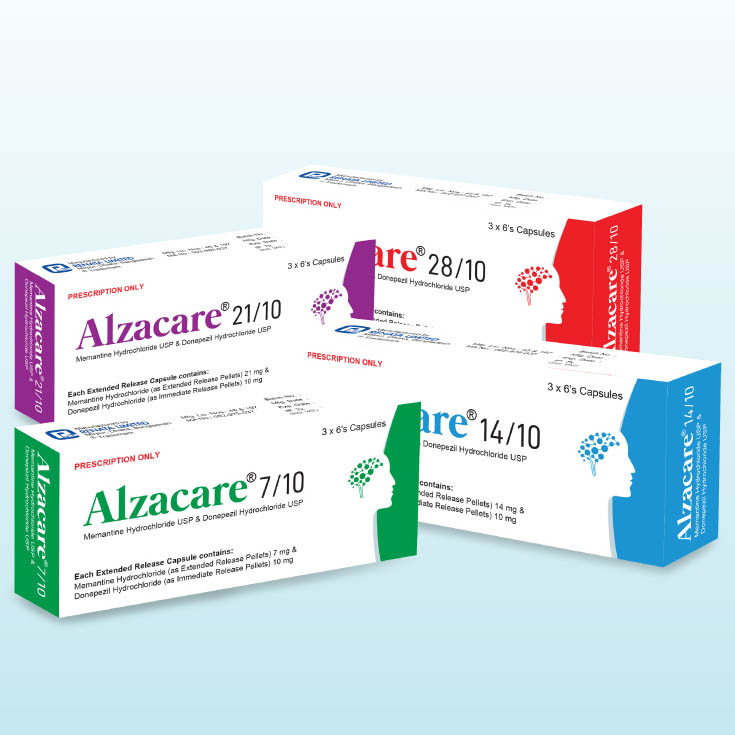
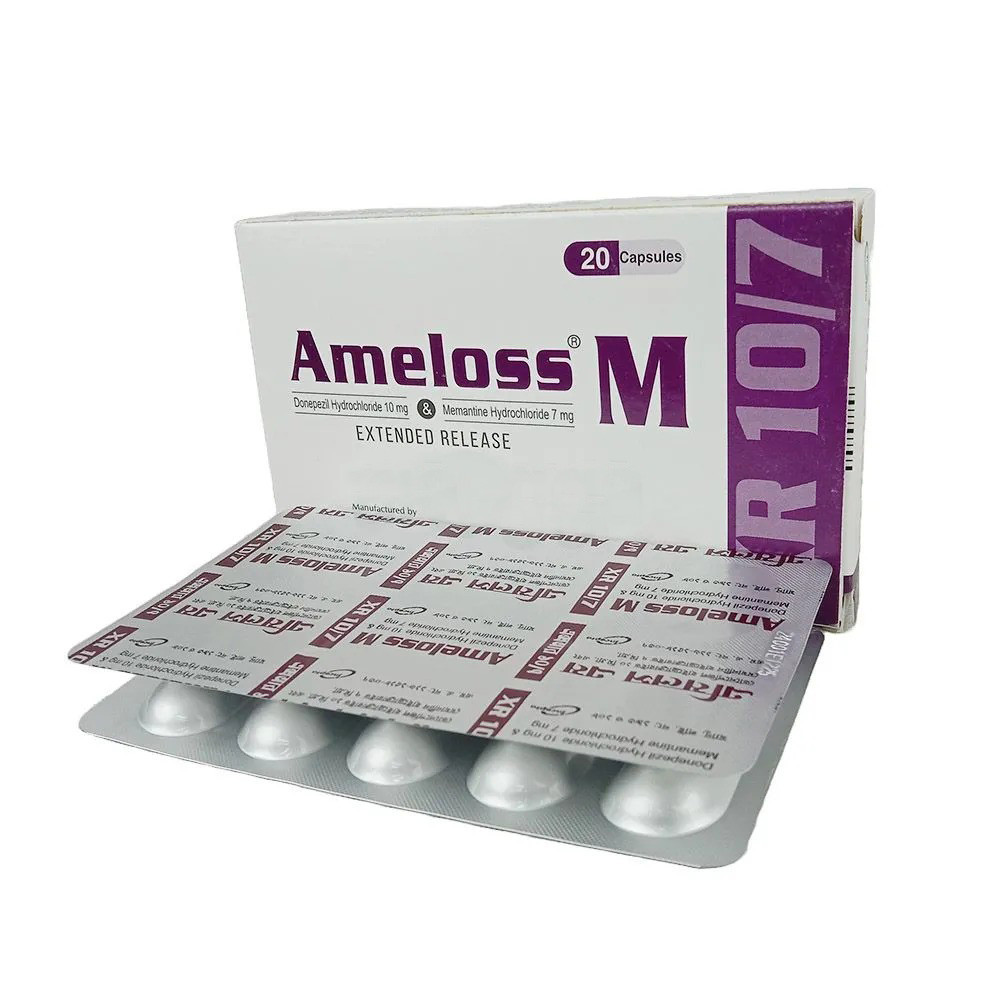
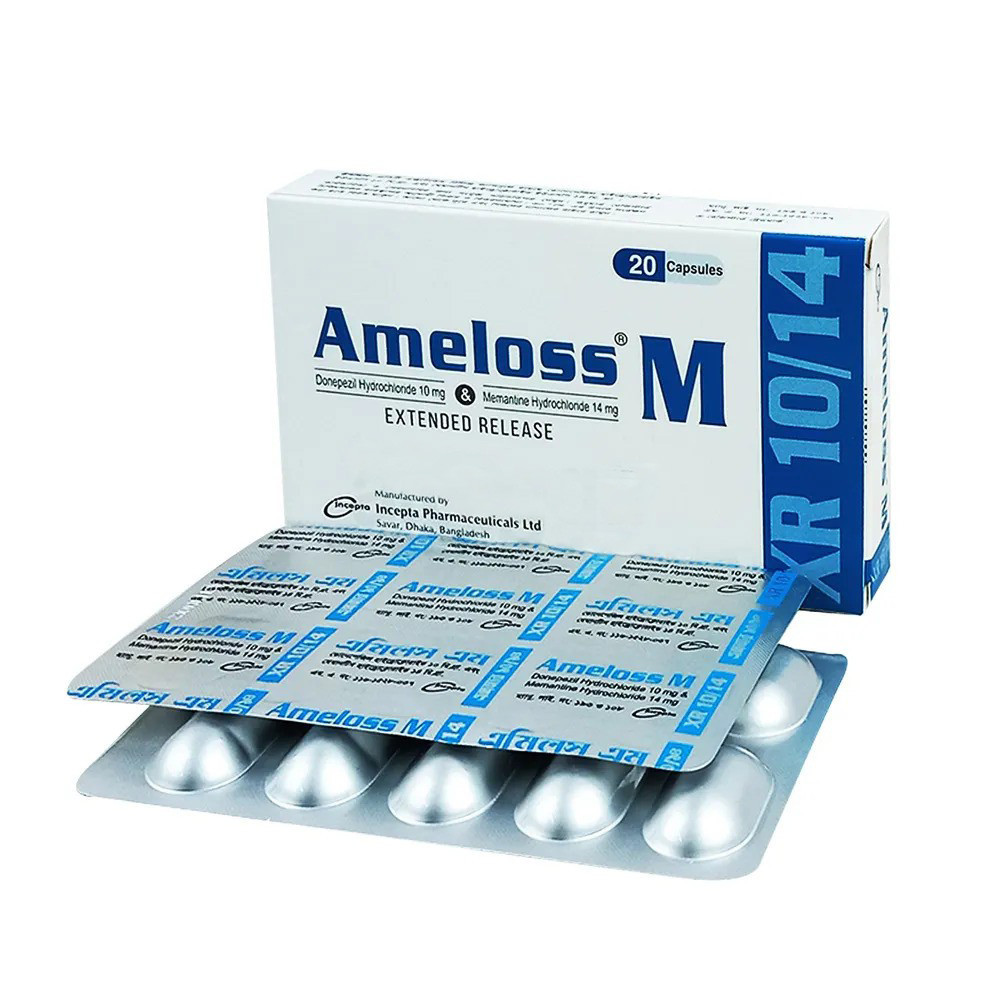
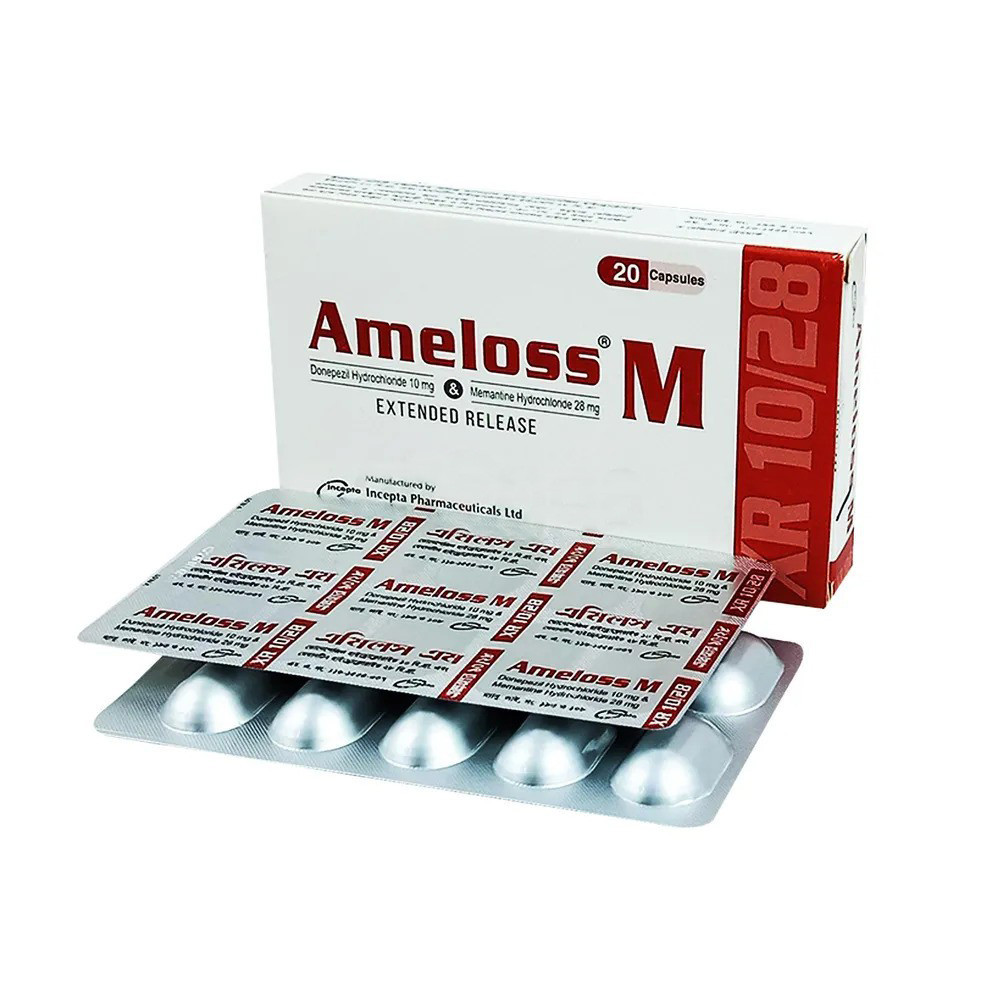
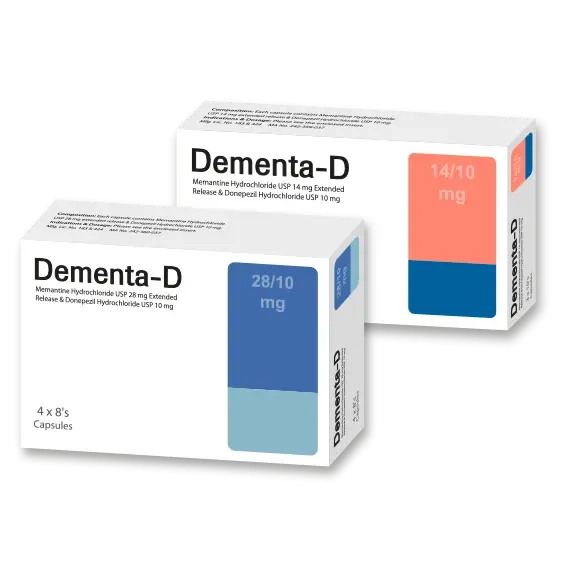
For patients on donepezil hydrochloride 10 mg only, the recommended starting dose of memantine and donepezil hydrochlorides extended-release capsules is 7 mg/10 mg, taken once daily in the evening. The dose should be increased in 7 mg increments to the recommended maintenance dose of 28 mg/10 mg. The minimum recommended interval between dose increases is one week.Patients on memantine hydrochloride (10 mg twice daily or 28 mg extended-release once daily) and donepezil hydrochloride 10 mg once daily can be switched to memantine and donepezil hydrochlorides extended- release capsules 28 mg/10 mg, taken once daily in the evening.
Memantine and donepezil hydrochlorides extended- release capsules can be taken with or without food, whole or sprinkled on applesauce; do not divide, chew, or crush. Severe renal impairment: the recommended maintenance dose for memantine and donepezil hydrochlorides extended-release capsules is 14 mg/10 mg once daily in the evening.
The dosage for Memantine + Donepezil is typically based on the individual components:
- Memantine: The usual starting dose is 5 mg once daily, increasing to 10 mg twice daily over several weeks.
- Donepezil: Typically started at 5 mg once daily, with possible dose escalation to 10 mg once daily based on patient response and tolerance.
Administration
Both Memantine and Donepezil are administered orally. Memantine is usually given in the form of tablets or extended-release capsules, while Donepezil is provided as tablets or orally disintegrating tablets. The medication should be taken as directed, with or without food, and should be swallowed whole.
Side Effects
Common side effects may include:
- Headache
- Dizziness
- Nausea
- Diarrhea
- Fatigue
Toxicity
Toxicity is rare but possible, especially with overdose. Symptoms of overdose may include severe dizziness, confusion, and significant gastrointestinal symptoms. In case of suspected overdose, seek immediate medical attention.
Precautions
Precautions include:
- Monitor patients for gastrointestinal symptoms, as both medications can cause nausea and vomiting.
- Use with caution in patients with severe renal impairment, as Memantine is excreted through the kidneys.
- Regularly assess cognitive and functional status to determine the effectiveness of the therapy.
Interaction
Potential interactions include:
- Drugs that affect the renal clearance of Memantine.
- Medications that have anticholinergic effects, which may counteract the benefits of Donepezil.
- Other central nervous system depressants, which may increase the risk of side effects like drowsiness and dizziness.
Disease Interaction
Use with caution in patients with:
- Severe hepatic impairment, as Donepezil is metabolized in the liver.
- Severe renal impairment, affecting the clearance of Memantine.
- Other neurological or psychiatric conditions that might be exacerbated by these medications.
Drug Interaction
Drug interactions can occur with:
- CYP450 enzyme inducers or inhibitors, which can affect Donepezil metabolism.
- Other NMDA antagonists or cholinergic drugs, which could alter the effectiveness or increase the risk of adverse effects.
Food Interactions
There are no significant food interactions with Memantine + Donepezil. However, it is advisable to take the medications consistently with or without food to maintain stable drug levels and reduce gastrointestinal discomfort.
Pregnancy Use
Both Memantine and Donepezil are classified as Category B drugs, indicating that there are no proven risks in humans based on animal studies. Use during pregnancy should be considered only if clearly needed and if the benefits outweigh the risks. Consult a healthcare provider for advice if pregnant or planning to become pregnant.
Lactation Use
It is not known whether Memantine or Donepezil are excreted in human breast milk. Caution should be exercised if using these medications during breastfeeding. The potential benefits should be weighed against any potential risks to the infant.
Acute Overdose
Acute overdose symptoms may include severe dizziness, confusion, and significant gastrointestinal distress. Immediate medical intervention is required in cases of overdose. Treatment is symptomatic and supportive.
Contraindication
Contraindications include:
- Hypersensitivity to Memantine, Donepezil, or any of their components.
- Severe hepatic or renal impairment may require dose adjustments or alternative treatments.
Use Direction
Follow the prescribed dosage and administration instructions carefully. Memantine and Donepezil should be taken regularly as directed, with or without food. Do not exceed the recommended dose and consult a healthcare provider for any changes or concerns about the treatment plan.
Storage Conditions
Store Memantine + Donepezil at room temperature, away from direct sunlight and moisture. Keep the medications in their original containers, tightly closed, and out of reach of children.
Volume of Distribution
The volume of distribution for Memantine is approximately 10 to 15 liters, indicating a moderate distribution throughout the body. Donepezil has a volume of distribution of about 5 to 10 liters, reflecting its distribution into body tissues.
Half Life
Memantine has a terminal half-life of about 60 to 80 hours, while Donepezil has a half-life of approximately 70 hours. These values indicate that the drugs remain in the system for an extended period, allowing for once-daily dosing.
Clearance
Memantine is primarily cleared via renal excretion, with an overall clearance rate that can be influenced by renal function. Donepezil is cleared mainly through hepatic metabolism, with renal excretion accounting for a small fraction of the drug clearance.