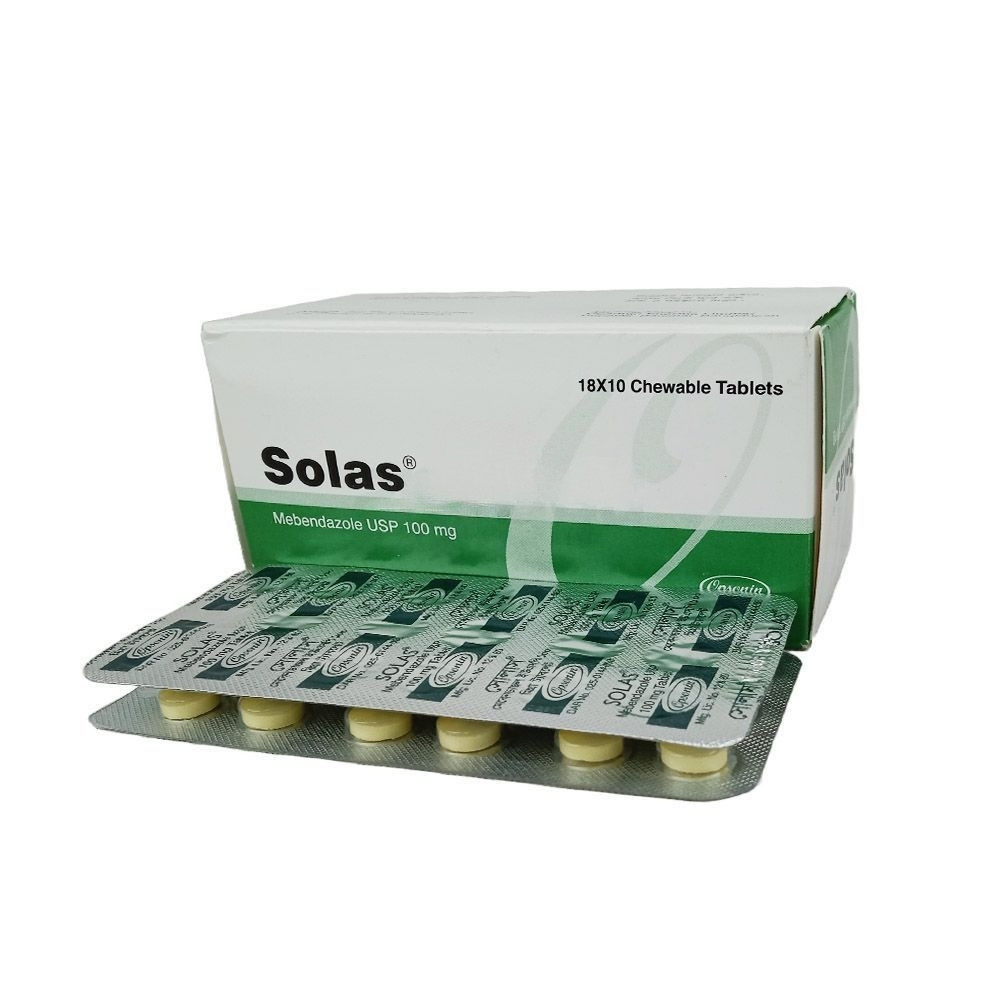
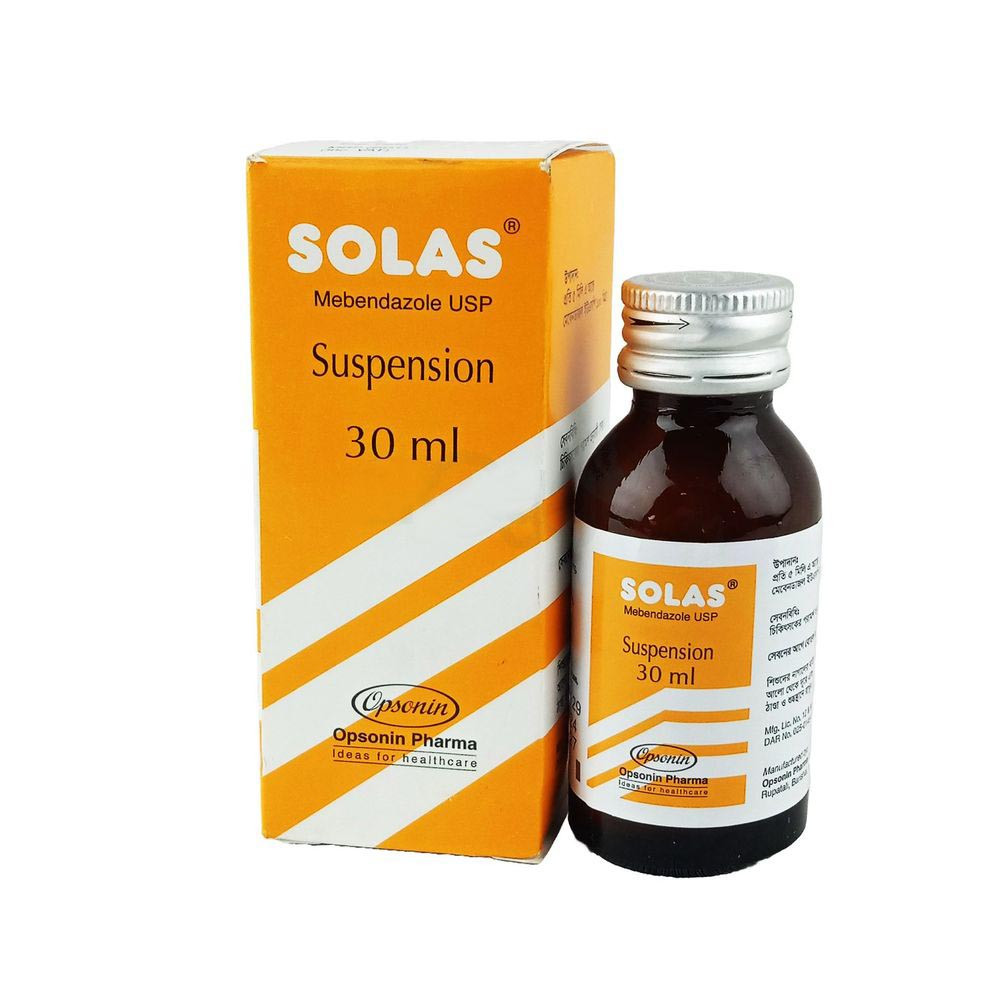
Introduction
A benzimidazole that acts by interfering with carbohydrate metabolism and inhibiting polymerization of microtubules. [PubChem]
Uses
Mebendazole is a benzimidazole anthelmintic used to treat helminth infections.
For the treatment of Enterobius vermicularis (pinworm), Trichuris trichiura (whipworm), Ascaris lumbricoides (common roundworm), Ancylostoma duodenale (common hookworm), Necator americanus (American hookworm) in single or mixed infections.
Associated Conditions
Pharmacodynamics
Mebendazole is a (synthetic) broad-spectrum anthelmintic. The principal mode of action for Mebendazole is by its inhibitory effect on tubulin polymerization which results in the loss of cytoplasmic microtubules.
Mechanism of Action
Mebendazole causes degenerative alterations in the tegument and intestinal cells of the worm by binding to the colchicine-sensitive site of tubulin, thus inhibiting its polymerization or assembly into microtubules. The loss of the cytoplasmic microtubules leads to impaired uptake of glucose by the larval and adult stages of the susceptible parasites, and depletes their glycogen stores. Degenerative changes in the endoplasmic reticulum, the mitochondria of the germinal layer, and the subsequent release of lysosomes result in decreased production of adenosine triphosphate (ATP), which is the energy required for the survival of the helminth. Due to diminished energy production, the parasite is immobilized and eventually dies.
Absorption
Poorly absorbed (approximately 5 to 10%) from gastrointestinal tract. Fatty food increases absorption.
Protein Binding
90-95%
Route of Elimination
In man, approximately 2% of administered mebendazole is excreted in urine and the remainder in the feces as unchanged drug or a primary metabolite.
Half Life
2.5 to 5.5 hours (range 2.5 to 9 hours) in patients with normal hepatic function. Approximately 35 hours in patients with impaired hepatic function (cholestasis).
Toxicity
Acute oral toxicity (LD50): 620 mg/kg [Mouse]. Symptoms of overdose include elevated liver enzymes, headaches, hair loss, low levels of white blood cells (neutropenia), fever, and itching.
Food Interactions
- Take with or without food.
Dosage
- Threadworms: 100 mg or 1 teaspoonful: Single dose.
- Whipworms, Roundworms, Hookworms: 100 mg or 1 teaspoonful: Twice daily for 3 days.