Introduction
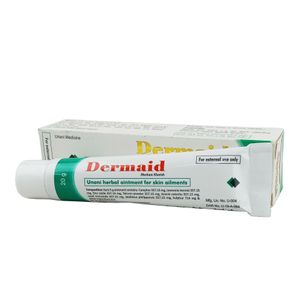
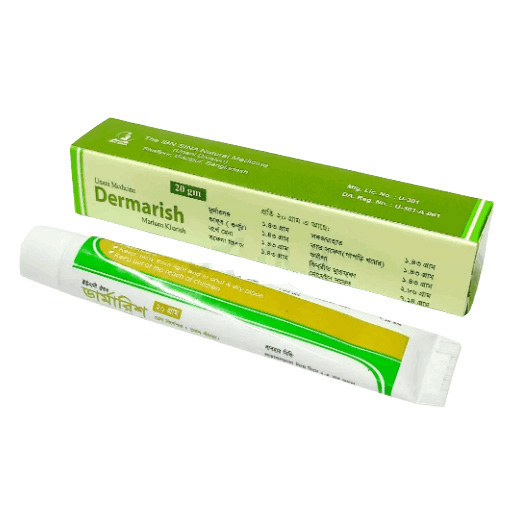
Marham Kharish is a traditional Unani medicinal preparation commonly used in some regions for its topical therapeutic properties. It is often utilized in Unani medicine for its alleged benefits in treating various skin conditions and minor injuries. The formulation usually includes a combination of herbal extracts and other natural ingredients.
Uses
Marham Kharish is traditionally used for:
- Treating skin conditions such as eczema, psoriasis, and dermatitis.
- Healing minor wounds, cuts, and abrasions.
- Reducing inflammation and providing relief from localized pain.
- Managing conditions like ulcers or sores in some traditional practices.
Mechanism of Action
While the exact mechanism of action is not fully understood, Marham Kharish is believed to work through:
- Anti-inflammatory effects that help reduce redness, swelling, and discomfort.
- Antiseptic properties that may prevent infection in minor wounds and abrasions.
- Potential promotion of skin healing and regeneration through its herbal ingredients.
How Long Does It Take to Work?
The time it takes for Marham Kharish to show noticeable effects can vary depending on the condition being treated and individual response. Typically, improvements in symptoms may be observed within a few days to weeks of regular application.
Absorption
As a topical application, Marham Kharish is absorbed through the skin. The extent of absorption can vary depending on the skin condition, the area of application, and the formulation's specific components.
Route of Elimination
The elimination of Marham Kharish is generally through the skin and, to a lesser extent, through systemic absorption if any components are absorbed into the bloodstream. The formulation is not designed for systemic effects, so the primary route of elimination is through the skin.
Dosage
The dosage for Marham Kharish depends on the specific condition being treated and the instructions provided by a healthcare provider or traditional medicine practitioner. Typically, a thin layer of the ointment is applied to the affected area 1-2 times daily.
Administration
Marham Kharish is administered topically. Clean and dry the affected area before applying a thin layer of the ointment. Gently massage the ointment into the skin, and cover with a bandage if needed, especially for open wounds.
Side Effects
Possible side effects may include:
- Skin irritation or rash at the application site.
- Allergic reactions, including redness, itching, or swelling.
- Discoloration or changes in skin texture, depending on the formulation and duration of use.
Toxicity
Significant toxicity is unlikely with topical application if used as directed. However, excessive or prolonged use may lead to skin irritation or allergic reactions. If symptoms of severe irritation or systemic reactions occur, discontinue use and seek medical advice.
Precautions
Precautions include:
- Conduct a patch test on a small area of skin before widespread application to check for allergic reactions.
- Avoid application near the eyes, mouth, or mucous membranes.
- Do not apply to open wounds or broken skin unless directed by a healthcare professional.
Interaction
Interactions with other topical products or medications are minimal but should be monitored. Inform your healthcare provider of any other topical treatments or skin care products you are using.
Disease Interaction
Use with caution in patients with:
- Known skin allergies or sensitivities.
- Skin conditions that may be aggravated by topical treatments.
Drug Interaction
Drug interactions are generally not a concern with topical application. However, if using other topical medications, consult a healthcare provider to avoid potential interactions or additive effects.
Food Interactions
There are no specific food interactions with Marham Kharish. It is used topically and does not generally interact with food intake.
Pregnancy Use
The safety of Marham Kharish during pregnancy has not been well-studied. Consult with a healthcare provider before using this product during pregnancy to ensure it is safe for both the mother and the developing fetus.
Lactation Use
There is limited information on the use of Marham Kharish during lactation. Consult a healthcare provider to evaluate the risks and benefits before using it while breastfeeding.
Acute Overdose
Acute overdose is unlikely with topical application. If excessive amounts are applied, it may cause increased skin irritation. Discontinue use and consult a healthcare provider if adverse reactions occur.
Contraindication
Marham Kharish is contraindicated in individuals with known hypersensitivity to any of its components. Avoid use if there is a history of severe allergic reactions to topical treatments.
Use Direction
Apply Marham Kharish as directed by a healthcare provider or according to traditional medicine guidelines. Ensure the affected area is clean and dry before application. Follow dosage instructions and report any adverse effects to a healthcare provider.
Storage Conditions
Store Marham Kharish in a cool, dry place away from direct sunlight and moisture. Ensure the container is tightly closed to prevent contamination.
Volume of Distribution
The volume of distribution is primarily localized to the site of application. Systemic absorption is minimal, and the product is designed for localized effects.
Half Life
The half-life of Marham Kharish is not well-documented due to its topical use and minimal systemic absorption. The effects typically last as long as the product remains on the skin and is effective for the intended duration of use.
Clearance
Clearance is primarily through the skin and any minimal systemic absorption is handled by standard metabolic and excretory pathways. The product is designed for localized use with minimal systemic impact.