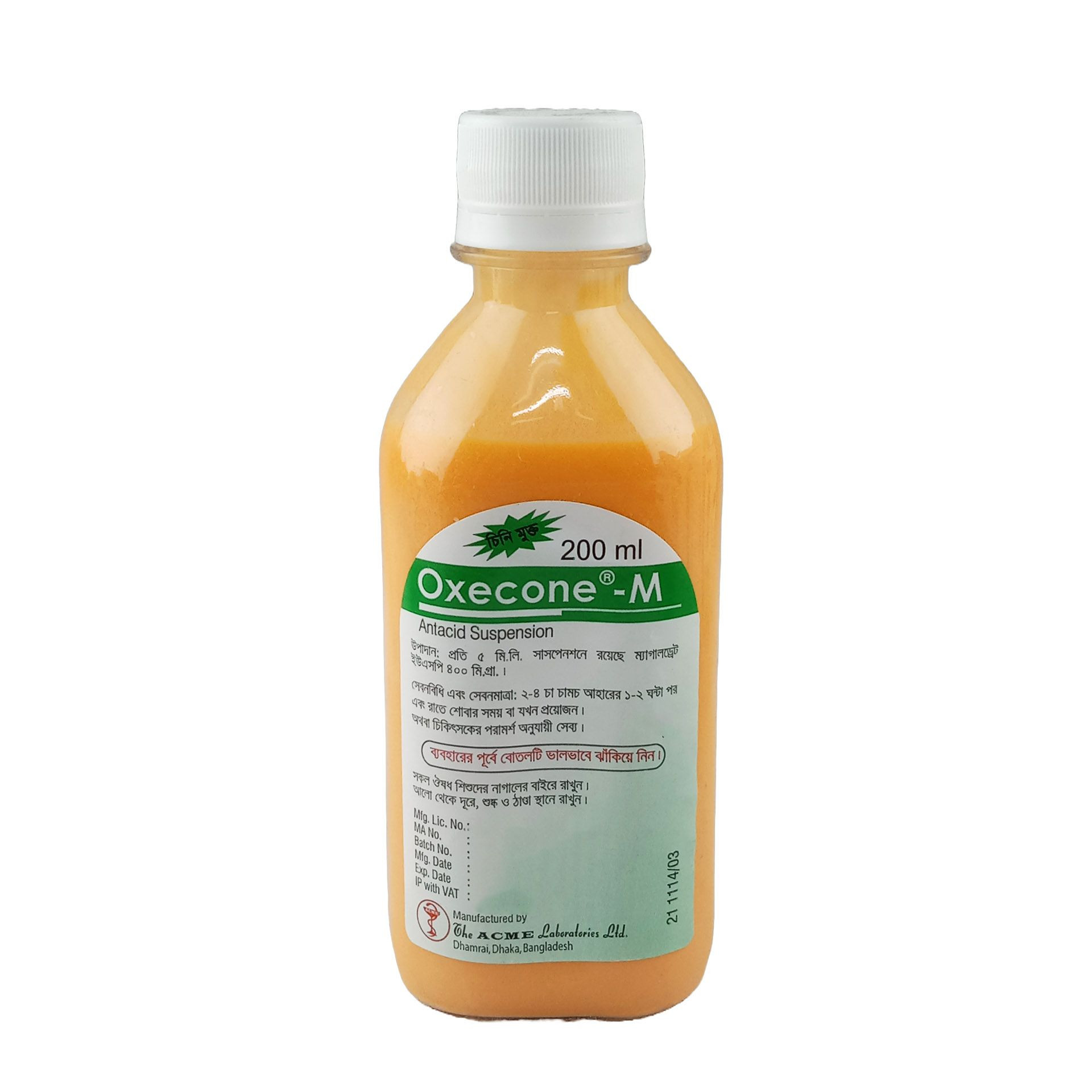
1. What is Magaldrate?
Magaldrate is an antacid used to treat conditions caused by excess stomach acid, such as heartburn, acid indigestion, gastritis, and peptic ulcers. It works by neutralizing stomach acid and protecting the stomach lining.
2. How does Magaldrate work?
Magaldrate is a complex of magnesium and aluminum that reacts with stomach acid to form magnesium and aluminum salts. These salts help neutralize acid and provide relief from acidity-related symptoms.
3. What conditions are treated with Magaldrate?
Magaldrate is commonly used to treat:
- Heartburn
- Acid reflux (GERD)
- Gastritis
- Peptic ulcers
- Hyperacidity
- Indigestion
4. Is Magaldrate an over-the-counter (OTC) medication?
Yes, Magaldrate is available over the counter (OTC) in many countries, but stronger formulations may require a prescription.
5. What are the available forms of Magaldrate?
Magaldrate is available in the following forms:
- Oral suspension
- Chewable tablets
- Gel formulations
6. How should Magaldrate be taken?
It should be taken as directed by a doctor or as indicated on the packaging, usually:
- After meals and at bedtime
- Chewable tablets should be thoroughly chewed before swallowing
- Oral suspension should be shaken well before use
7. What is the usual dosage of Magaldrate?
The dosage varies, but a common adult dose is:
- 5-10 mL of oral suspension after meals
- 1-2 chewable tablets after meals
8. How long does Magaldrate take to work?
Magaldrate provides relief within a few minutes of ingestion and lasts for a few hours.
9. Can Magaldrate be taken with other medications?
Magaldrate can interfere with the absorption of certain medications, including:
- Antibiotics (tetracyclines, fluoroquinolones)
- Iron supplements
- Thyroid medications
It is recommended to take other medications 1-2 hours before or after Magaldrate.
10. What are the common side effects of Magaldrate?
Common side effects include:
- Nausea
- Constipation (due to aluminum content)
- Diarrhea (due to magnesium content)
- Loss of appetite
11. Can Magaldrate cause serious side effects?
In rare cases, serious side effects may occur, such as:
- Kidney dysfunction (especially in those with pre-existing kidney disease)
- Low phosphate levels (leading to bone weakness)
- Electrolyte imbalances
12. Is Magaldrate safe for long-term use?
Long-term use is not recommended unless prescribed by a doctor, as it may cause electrolyte imbalances and affect kidney function.
13. Can pregnant women take Magaldrate?
Magaldrate is generally considered safe during pregnancy, but it should be used only under medical supervision.
14. Is Magaldrate safe for breastfeeding mothers?
Yes, it is generally considered safe for breastfeeding women, but prolonged use should be discussed with a doctor.
15. Can Magaldrate be given to children?
Yes, but the dosage should be adjusted according to age and weight, and only under a doctor’s supervision.
16. Can Magaldrate be used for GERD?
Yes, it is commonly used to manage symptoms of gastroesophageal reflux disease (GERD).
17. Can Magaldrate be used for ulcers?
Yes, it can help relieve ulcer-related pain by neutralizing stomach acid.
18. Does Magaldrate provide immediate relief?
Yes, it provides quick relief from acidity, usually within minutes.
19. How does Magaldrate compare to proton pump inhibitors (PPIs)?
Magaldrate provides immediate relief but does not reduce acid production like PPIs (omeprazole, pantoprazole), which work over a longer period.
20. Can Magaldrate cause kidney stones?
Prolonged use may contribute to kidney stones due to its aluminum and magnesium content.
21. Can Magaldrate cause bloating?
Some people may experience mild bloating or gas after taking Magaldrate.
22. Does Magaldrate affect nutrient absorption?
Yes, long-term use may reduce the absorption of calcium, phosphate, and iron.
23. Can Magaldrate be taken on an empty stomach?
It is best taken after meals for prolonged effect.
24. Can Magaldrate be taken before bed?
Yes, taking it at bedtime can help prevent nighttime acid reflux.
25. Can Magaldrate cause dry mouth?
Some users report mild dry mouth as a side effect.
26. Can it be used for gas and bloating?
It primarily neutralizes acid but may help with gas when combined with simethicone.
27. Can it cause allergic reactions?
Rarely, some people may experience rashes, itching, or swelling.
28. Can Magaldrate be taken with milk?
It is generally safe, but excessive milk consumption may increase calcium levels.
29. Is Magaldrate safe for diabetic patients?
Yes, but some formulations may contain sugar.
30. Can it be taken before exercise?
Yes, if acid reflux symptoms worsen during exercise.
31. Can it cause dizziness?
Dizziness is rare but possible.
32. Can it be used for acid reflux in pregnancy?
Yes, under a doctor’s guidance.
33. Can it be used for food poisoning?
No, it is not effective for food poisoning.
34. Does it cause fatigue?
Fatigue is not a common side effect.
35. Can it be used for nausea?
It can help if nausea is due to acid reflux.
36. Can it be taken with coffee?
Coffee increases acid production, so Magaldrate may help counteract its effects.
37. Can it cause muscle cramps?
Long-term use may lead to phosphate depletion, causing muscle cramps.
38. Can it be used for stress-induced acidity?
Yes, it helps relieve acid symptoms caused by stress.
39. Can it be used with probiotics?
Yes, probiotics and Magaldrate do not interact negatively.
40. Can it be used for indigestion?
Yes, it helps with indigestion caused by excess stomach acid.
41. Can it be taken daily?
It can be taken as needed but should not be used long-term without a doctor’s advice.
42. Can it cause weight gain?
No, it does not cause weight gain.
43. Does it affect sleep?
No, it does not usually affect sleep.
44. Can it be taken with vitamins?
Yes, but take vitamins separately to avoid absorption issues.
45. Does it reduce stomach pain?
Yes, if the pain is due to acid.
46. Can it be mixed with water?
Yes, oral suspensions can be mixed with water.
47. Can it be taken with ibuprofen?
Yes, but it may reduce ibuprofen absorption.
48. Can it be taken during fasting?
Yes, if needed for acid relief.
49. Can it be used in elderly patients?
Yes, but with caution due to kidney function concerns.
50. Is it addictive?
No, Magaldrate is not habit-forming.