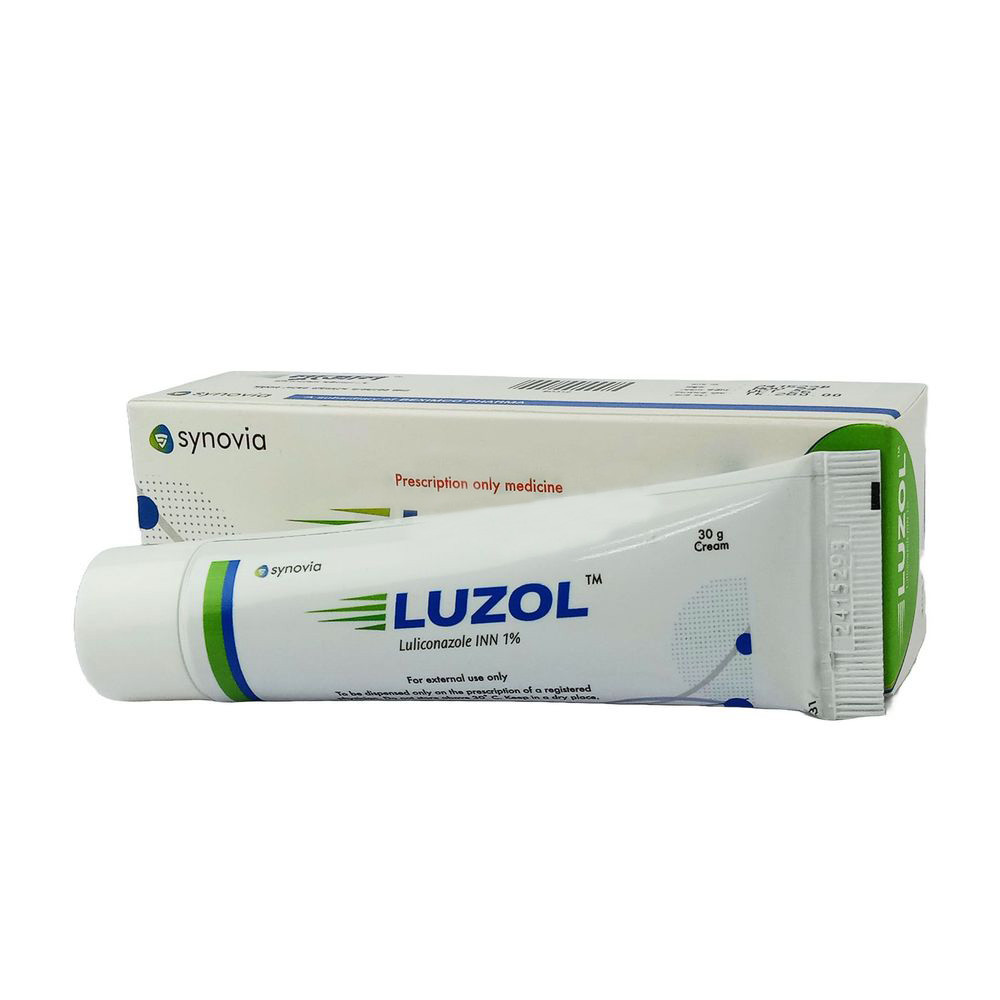
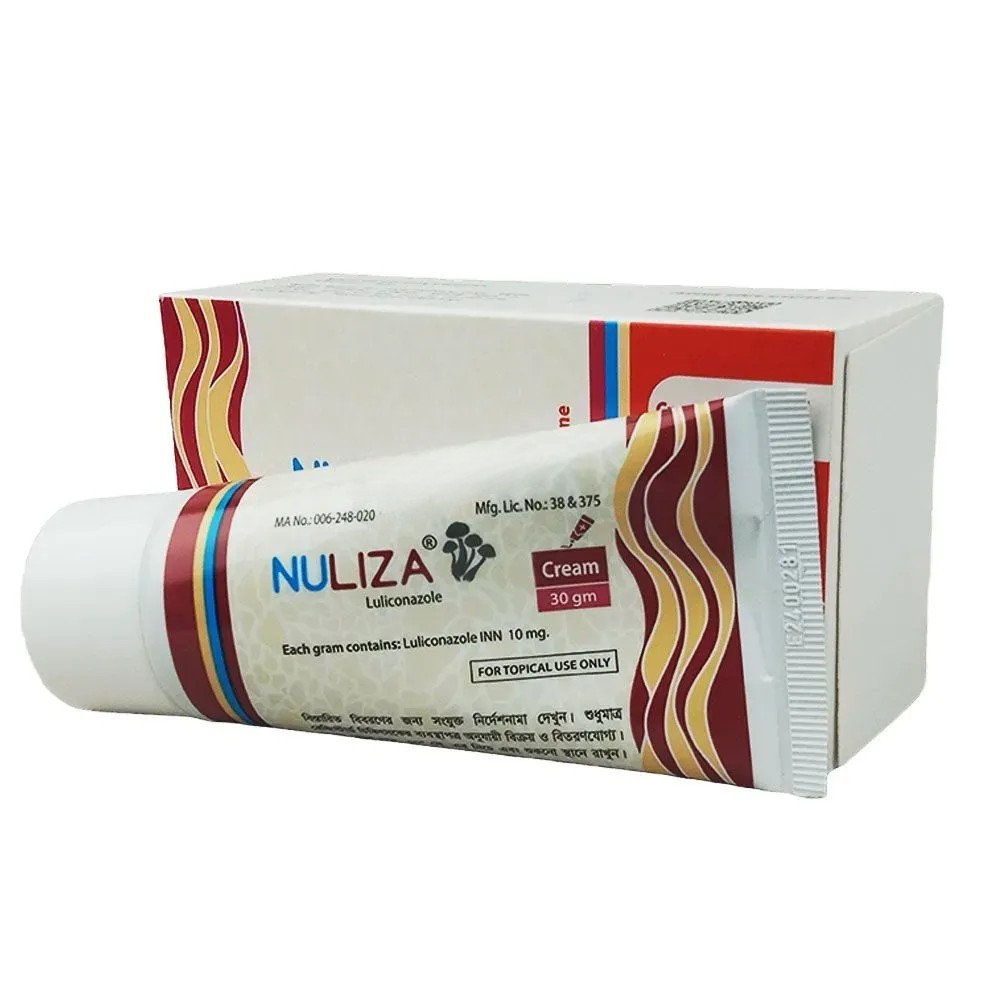
Introduction
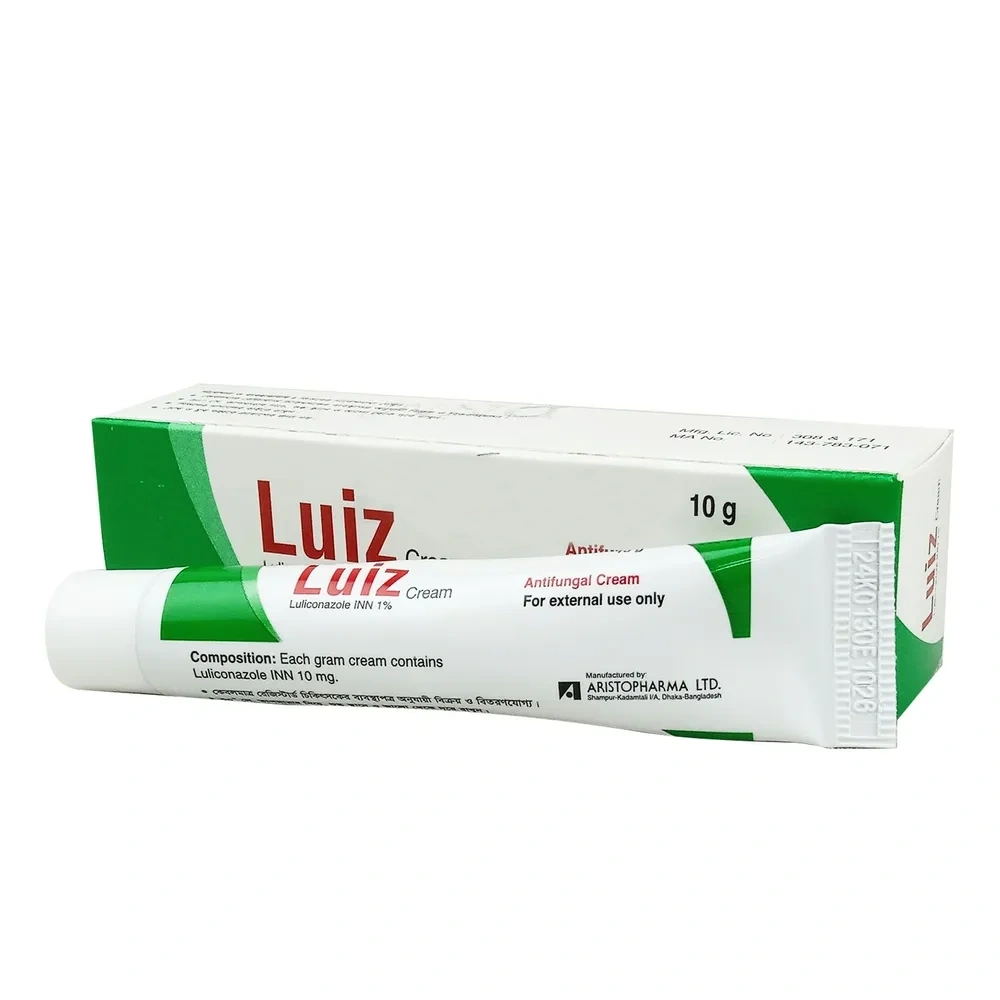
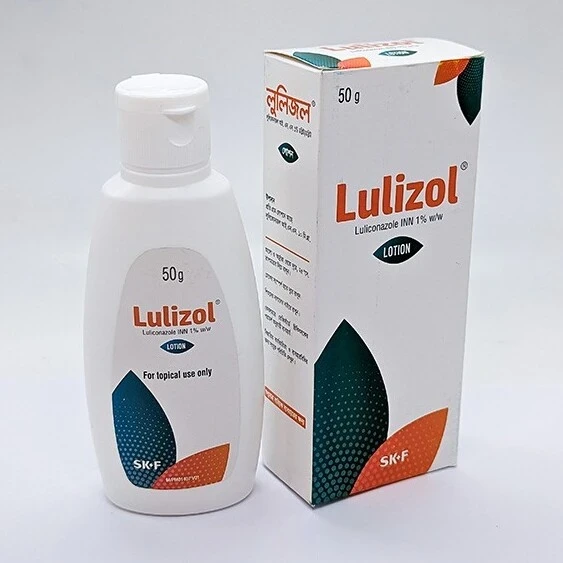
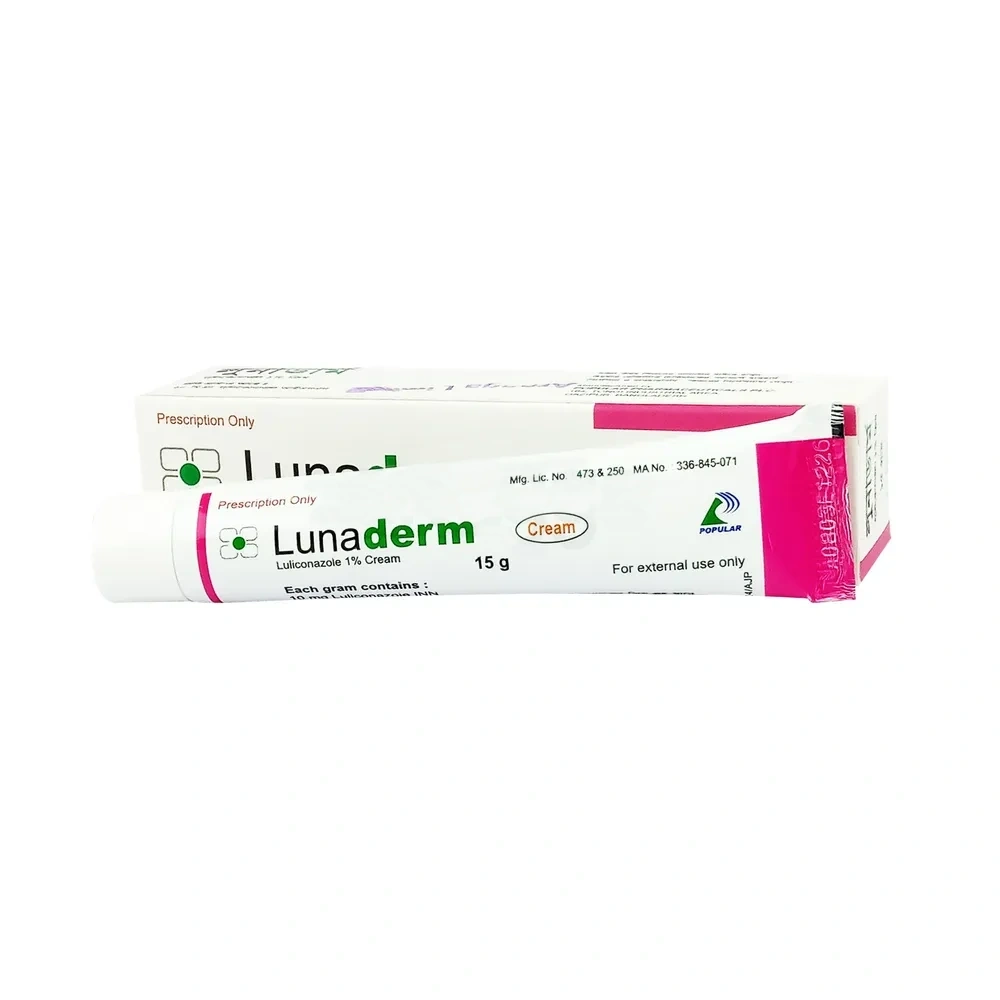
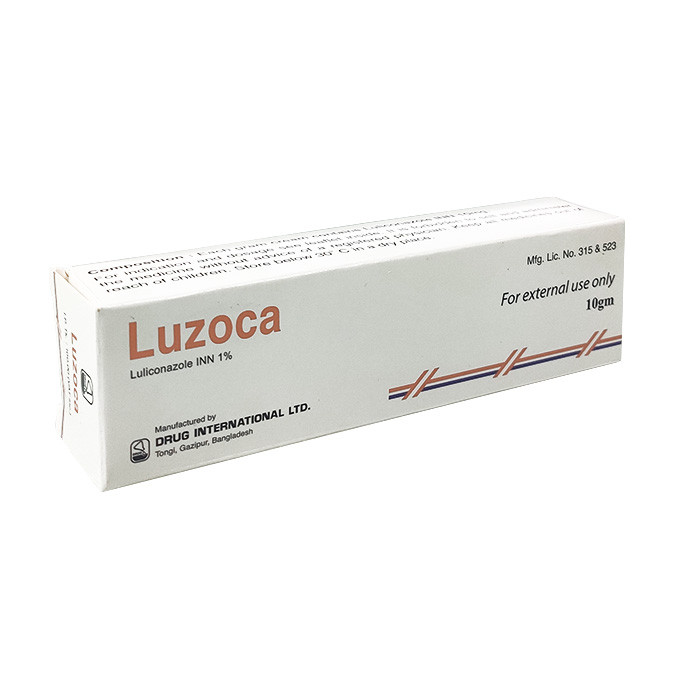
Luliconazole is a topical antifungal agent used to treat superficial fungal skin infections. It is thought to act by disrupting the synthesis of the fungal cell membrane, leading to inhibition of fungal growth. Luliconazole is effective against a range of dermatophyte infections, including tinea pedis (athlete's foot), tinea cruris (jock itch), and tinea corporis (ringworm). It is intended for topical use and has minimal systemic absorption.
Uses
Luliconazole is a topical antifungal agent used to treat fungal infections.
Luliconazole is indicated in adults aged 18 years and older for the topical treatment of fungal infections caused by Trichophyton rubrum and Epidermophyton floccosum, specifically tinea pedis, cruris, and corporis.
Associated Conditions
Pharmacodynamics
Luliconazole kills the organisms Trichophyton rubrum and Epidermophyton floccosum, most likely by altering their fungal cell membranes.
Mechanism of Action
The exact mechanism of action for luliconazole's anti-fungal activity is still not known, but luliconazole is thought to inhibit the enzyme lanosterol demethylase. Lanosterol demethylase is needed for the synthesis of ergosterol, which is a major component of the fungus cell membranes.
Absorption
Although luliconazole is administered topically, clinical studies have shown that after the first dose in patients with tina pedis, a maximum plasma concentration of 0.40 ± 0.76 ng/mL (mean ± SD) occurred in 16.9 ± 9.39 hours (mean ± SD).
Volume of Distribution
The volume of distribution was not quantified.
Protein Binding
Plasma protein binding of luliconazole is >99%.
Route of Elimination
The route of elimination of luliconazole has yet to be determined.
Half Life
The half life of luliconazole has yet to be determined.
Clearance
The clearance of luliconazole has yet to be determined.
Toxicity
In clinical trials, no serious toxicity was reported, only local irritation (mild contact dermatitis and cellulitis) at the site of application was found.
Food Interactions
No interactions found.
Dosage
- Interdigital tinea pedis: Luliconazole cream should be applied to the affected area and approximately 1 inch of the immediate surrounding area(s) once daily for two weeks.
- Tinea cruris and Tinea corporis: Luliconazole cream should be applied to the affected area and approximately 1 inch of the immediate surrounding area(s) once daily for one week.