Introduction
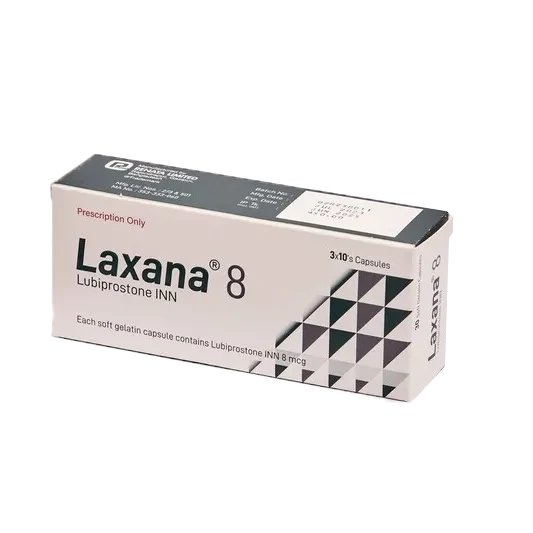
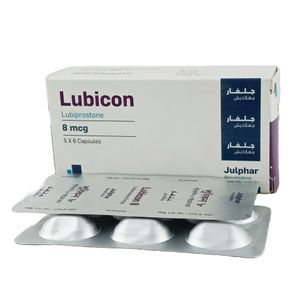
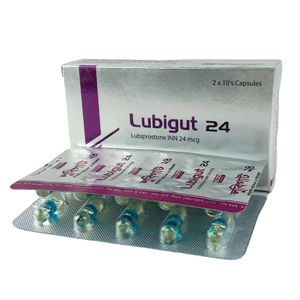
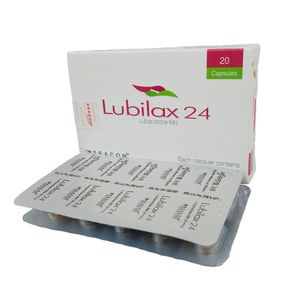
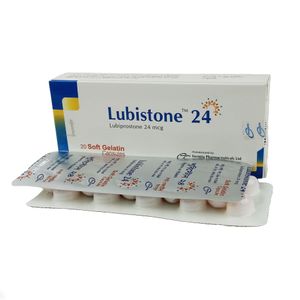
Lubiprostone is a medication used in the management of idiopathic chronic constipation. A prostaglandin E1 derivative, lubiprostone is a bicyclic fatty acid that activates ClC-2 chloride channels located on the apical side of the gastrointestinal epithelial cells. Activation of these channels promotes the secretion of a chloride-rich fluid that soften the stool, increase gastrointestinal motility, and induce spontaneous bowel movements (SBM).
Uses
Lubiprostone is a prostaglandin derivative used to treat constipation caused by irritable bowel syndrome and opioid-use.
For the treatment of chronic idiopathic constipation in the adult population. Also used for the treatment of irritable bowel syndrome with constipation in women who are 18 years of age or older.
Associated Conditions
Pharmacodynamics
Chronic idiopathic constipation is generally defined by infrequent or difficult passage of stool. The signs and symptoms associated with chronic idiopathic constipation (i.e., abdominal pain or discomfort, bloating, straining, and hard or lumpy stools) may be the result of abnormal colonic motility that can delay the transit of intestinal contents and impede the evacuation of rectal contents. One approach to the treatment of chronic idiopathic constipation is the secretion of fluid into the abdominal lumen through the activation of chloride channels in the apical membrane of the gastrointestinal epithelium. Lubiprostone is a locally acting chloride channel activator that increases intestinal chloride and fluid secretion without altering sodium and potassium concentrations in the serum.
Mechanism of Action
Lubiprostone acts by specifically activating ClC-2 chloride channels, which is a normal constituent of the apical membrane of the human intestine, in a protein kinase A action independent fashion. Activation of ClC-2 chloride channels causes an efflux of chloride ions into the lumen, which in turn leads to an efflux of sodium ions through a paracellular pathway to maintain isoelectric neutrality. As a result, water follows sodium into the lumen in order to maintain isotonic equilibrium, thereby increasing intestinal fluid secretion. By increasing intestinal fluid secretion, lubiprostone increases motility in the intestine, thereby increasing the passage of stool and alleviating symptoms associated with chronic idiopathic constipation. Activation of ClC-2 chloride channels may also stimulate the recovery of muscosal barrier function by restoring tight junction protein complexes in the intestine. Patch clamp cell studies in human cell lines have indicated that the majority of the beneficial biological activity of lubiprostone and its metabolites is observed only on the apical (luminal) portion of the gastrointestinal epithelium.
Absorption
Lubiprostone has low systemic availability following oral administration and concentrations of lubiprostone in plasma are below the level of quantitation (10 pg/mL).
Protein Binding
94%
Route of Elimination
Peak plasma concentration was shown to be around 1.14 hours, with a majority of the drug excreted in the urine within 48 hours. Lubiprostone and M3 are only detected in trace amounts in human feces.
Half Life
0.9 to 1.4 hours
Toxicity
In a definitive Phase 1 cardiac repolarization study, 51 patients were administered a single oral dose of 144 mcg of lubiprostone, which is 6 times the normal single administration dose. Thirty-nine (39) of the 51 patients experienced an adverse event. The adverse events reported in >1% of this group included the following: nausea (45.1%), vomiting (27.5%), diarrhea (25.5%), dizziness (17.6%), loose or watery stools (13.7%), headache (11.8%), retching (7.8%), abdominal pain (5.9%), flushing or hot flush (5.9%), dyspnea (3.9%), pallor (3.9%), stomach discomfort (3.9%), syncope (3.9%), upper abdominal pain (2.0%), anorexia (2.0%), asthenia (2.0%), chest discomfort (2.0%), dry mouth (2.0%), hyperhidrosis (2.0%), skin irritation (2.0%) and vasovagal episode (2.0%).
Food Interactions
- Take with a full glass of water.
- Take with food. Taking lubiprostone with food may reduce nausea.
Dosage
Dosage in patients with hepatic impairment: Dosage adjustment is not required for patients with moderately impaired hepatic function. For patients with severely impaired hepatic function, the recommended starting dose is 8 mcg once daily. If tolerated then dose can be increased to 8 mcg twice
Chronic Idiopathic Constipation and Opioid-induced Constipation: The recommended dose is 24 mcg twice daily orally with food and water.
Dosage in patients with hepatic impairment: For patients with moderately impaired hepatic function, the recommended starting dose is 16 mcg twice daily. For patients with severely impaired hepatic function, the recommended starting dose is 8 mcg twice daily.