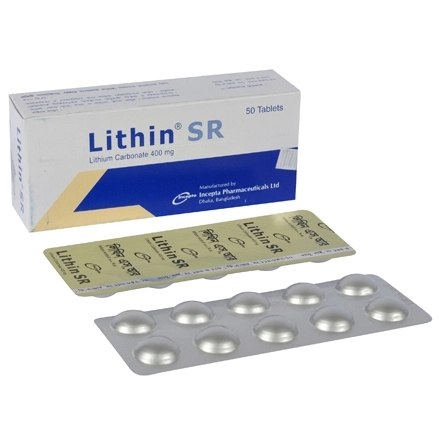
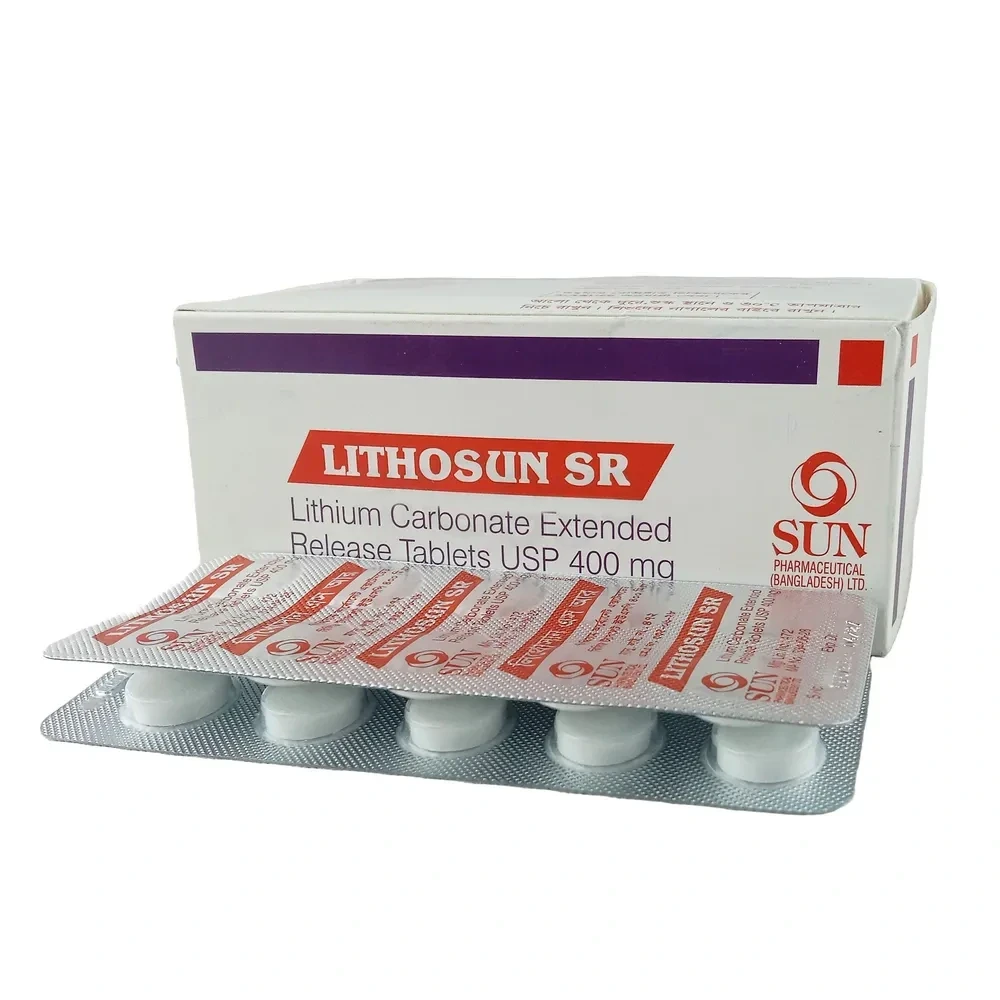
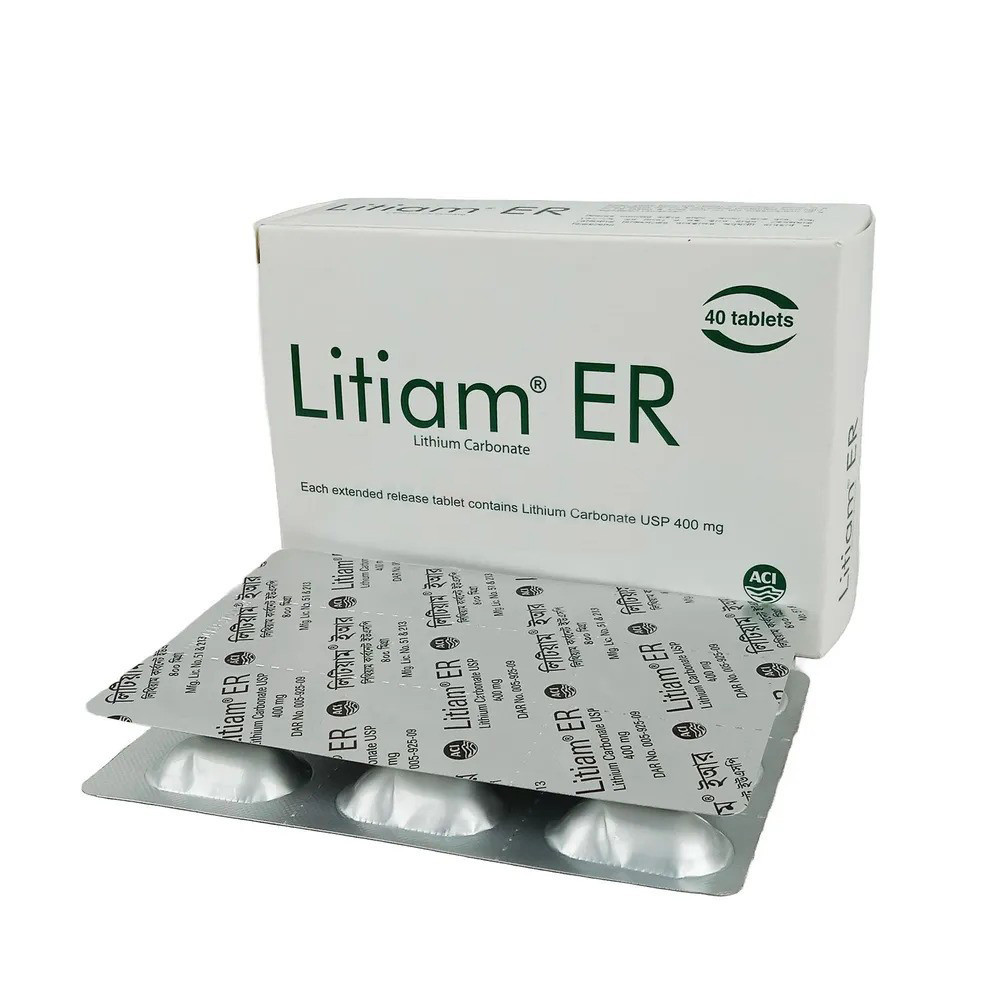
Introduction
Lithium has been used to treat manic episodes since the 19th century. Though it is widely used, its mechanism of action is still unknown. Lithium carbonate has a narrow therapeutic range and so careful monitoring is required to avoid adverse effects.
Uses
Lithium carbonate is a medication used to treat manic episodes of bipolar disorder.
Lithium is used as a mood stabilizer, and is indicated for the treatment of manic episodes and maintenance of bipolar disorder.
Associated Conditions
Pharmacodynamics
Lithium's mechanism of action is still unknown. Lithium's therapeutic action may be due to a number of effects, ranging from inhibition of enzymes such as glycogen synthase kinase 3, inositol phosphatases, or modulation of glutamate receptors.
Mechanism of Action
Lithium's mechanism of action is still unknown. However, the “inositol depletion theory” suggests 3 main potential targets. These targets are inositol monophosphatase, inositol polyphosphatase, and glycogen synthase kinase 3(GSK-3).
The “Inositol depletion theory” suggests lithium behaves as an uncompetitive inhibitor of inositol monophosphatase in a manner inversely proportional to the degree of stimulus. This inhibition lowers levels of inositol triphosphate. However, stronger inhibitors of inositol monophosphatase are not as clinically effective and low levels of inositol triphosphate are associated with memory impairment.
Lithium acts on inositol polyphosphatase as an uncompetitive inhibitor. This inhibition is thought to have multiple downstream effects that have yet to be clarified.
Lithium regulates phosphorylation of GSK-3 which regulates other enzymes through phosphorylation. Lithium can also inhibit GSK-3 through interfering with the magnesium ion in the active site.
Absorption
Lithium absorption is rapid and oral bioavailability is close to 100%.
Volume of Distribution
Apparent volume of distribution is 0.7 to 1.0L/kg.
Protein Binding
Lithium carbonate is not significantly protein bound.
Route of Elimination
Lithium is primarily eliminated through the kidneys and elimination in the feces is insignificant.
Half Life
The half life of lithium carbonate is 18 to 36 hours. Other sources say it may be 7 to 20 hours.
Clearance
Clearance is generally between 10 and 40mL/min but may be as low as 15mL/min in elderly patients and those with renal impairment.
Toxicity
In rats, the oral LD50 is 525mg/kg and the inhalation LC50 is >2.17mg/L over 4 hours.
There is insufficient data regarding the carcinogenicity, mutagenicity, or fertility impairment of lithium carbonate. However, studies in rats and mice have shown repeated daily dosing of lithium carbonate result in adverse effects on male reproductive organs, spermatogenesis, and testosterone levels.
There is conflicting evidence regarding the incidence of cardiovascular abnormalities in first trimester administration of lithium. Animal studies have shown adverse effects on the fetus and fertility overall. The risk and benefit of lithium use in pregnancy must be weighed and should lithium treatment continue in pregnancy, serum lithium concentrations should be regularly monitored, dosages should be adjusted, and lithium should be decreased or stopped 2 or 3 days before delivery to avoid maternal and/or neonatal toxicity.
Breastfeeding is not recommended with maternal lithium use but if it is continued, the infant should be monitored for thyroid function and symptoms of lithium toxicity such as hypertonia, hypothermia, cyanosis, and ECG changes.
Safety in effectiveness in patients under 12 years has not been established, however dosing for patients 12 years and older is similar to that of adult patients.
Safety in geriatric patients has not been established, however caution is advised when using lithium as this population is more likely to have impaired renal function.
Patients with creatinine clearance between 30mL/min and 89mL/min should be started at a lower dose and slowly titrated to the correct dose while monitoring serum lithium levels. Patients with a creatinine clearance less than 30mL/min should not take lithium, especially in the case of a low sodium diet.
Food Interactions
- Avoid alcohol. Alcohol increased peak serum concentrations of lithium.
- Avoid iodine-containing foods and supplements. Iodine and lithium may synergistically produce hypothyroidism.
- Limit caffeine intake. Caffeine may decrease lithium concentrations.
- Take with food. Food reduces gastrointestinal upset.