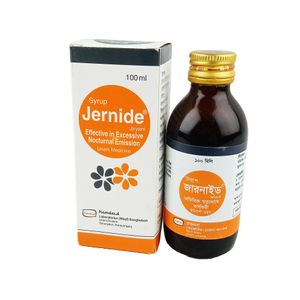
Introduction
Liquorice, Cascara Sagrada, and Belladonna are herbal ingredients often used in combination for their various medicinal properties. Liquorice (Glycyrrhiza glabra) is known for its soothing effects on the digestive and respiratory systems. Cascara Sagrada (Rhamnus purshiana) is a natural laxative used to treat constipation. Belladonna (Atropa belladonna) is known for its antispasmodic properties, which help in relieving muscle cramps and spasms, particularly in the gastrointestinal tract. This combination is typically used for digestive health and relief of constipation, along with addressing muscle spasms.
Uses
This combination is generally used to:
- Relieve constipation and promote bowel movement (Cascara Sagrada)
- Reduce gastrointestinal discomfort and spasms (Belladonna)
- Soothe inflammation and irritation in the digestive tract (Liquorice)
- Provide symptomatic relief in gastrointestinal conditions like irritable bowel syndrome (IBS)
Mechanism of Action
- Liquorice: Liquorice contains glycyrrhizin, which has anti-inflammatory and soothing effects. It helps protect the lining of the stomach and intestines by increasing mucous production and reducing acid levels.
- Cascara Sagrada: Cascara Sagrada stimulates peristalsis in the colon by acting on the nerves of the large intestine, promoting bowel movement.
- Belladonna: Belladonna contains alkaloids such as atropine, which inhibit the action of acetylcholine in the smooth muscles of the gut, reducing muscle spasms and cramping.
How Long Does It Take to Work?
The effects of Cascara Sagrada typically occur within 6 to 12 hours after ingestion, promoting bowel movements. Belladonna's antispasmodic effects are felt within 30 minutes to an hour. Liquorice may take longer, typically a few days to weeks, to exhibit anti-inflammatory effects on the digestive tract.
Absorption
Liquorice is absorbed in the gastrointestinal tract and metabolized in the liver. Cascara Sagrada is minimally absorbed, primarily acting locally in the large intestine. Belladonna alkaloids are absorbed through the gut and widely distributed in the body, including smooth muscles.
Route of Elimination
Liquorice and Belladonna are primarily metabolized in the liver and excreted through the urine. Cascara Sagrada's components mainly pass through the digestive tract and are eliminated via feces.
Dosage
1 teaspoonful 2-3 times daily after meal or as prescribed by the physician.The dosage for this combination depends on the specific product and the individual’s health condition. Typical doses are as follows:
- Liquorice: 200-400 mg of standardized extract per day.
- Cascara Sagrada: 300-600 mg of dried bark extract taken before bedtime for laxative effects.
- Belladonna: 10-20 mg per day, usually divided into multiple doses, depending on the severity of spasms.
Administration
This combination is typically administered orally, often in the form of tablets, capsules, or tinctures. Cascara Sagrada is best taken in the evening to promote a bowel movement the following morning. Liquorice and Belladonna can be taken with or without food, depending on the product instructions.
Side Effects
Potential side effects include:
- Liquorice: Hypertension, hypokalemia, and edema, particularly with long-term use.
- Cascara Sagrada: Abdominal cramping, diarrhea, electrolyte imbalance, and dependency with long-term use.
- Belladonna: Dry mouth, blurred vision, urinary retention, constipation, and tachycardia.
Toxicity
Overuse of Belladonna can cause atropine toxicity, characterized by symptoms such as hallucinations, seizures, and respiratory depression. Excessive use of Cascara Sagrada can lead to severe dehydration and electrolyte imbalances. Prolonged use of Liquorice can lead to mineral imbalances, hypertension, and increased risk of heart problems.
Precautions
- Patients with cardiovascular conditions should use Liquorice cautiously, as it can increase blood pressure.
- Belladonna should be used with care in patients with glaucoma, urinary retention, or tachyarrhythmia.
- Long-term use of Cascara Sagrada should be avoided to prevent dependence and electrolyte disturbances.
Interaction
Belladonna can interact with drugs that affect the nervous system, such as anticholinergics and certain antidepressants. Liquorice can potentiate the effects of corticosteroids and may interact with antihypertensive medications. Cascara Sagrada may affect the absorption of other medications due to its laxative effect.
Disease Interaction
Liquorice should be used with caution in patients with hypertension, heart disease, or kidney disorders. Belladonna is contraindicated in patients with glaucoma, urinary retention, or bowel obstruction. Cascara Sagrada should be avoided in patients with gastrointestinal disorders like Crohn’s disease or ulcerative colitis.
Drug Interaction
Belladonna may interact with other anticholinergic medications, increasing the risk of side effects such as dry mouth, blurred vision, and constipation. Liquorice may reduce the effectiveness of antihypertensive drugs and increase the risk of potassium depletion when used with diuretics. Cascara Sagrada can reduce the absorption of oral medications due to increased intestinal motility.
Food Interactions
There are no major food interactions with this combination, though it is advisable to maintain a balanced diet with adequate hydration when using Cascara Sagrada due to its laxative effects.
Pregnancy Use
This combination is generally not recommended during pregnancy due to the potential effects of Belladonna and Cascara Sagrada on the gastrointestinal and nervous systems. Liquorice should also be used with caution during pregnancy as it may affect hormone levels.
Lactation Use
The use of Belladonna and Cascara Sagrada is not recommended during lactation due to the potential for passing active components into breast milk, which may affect the infant. Consult a healthcare provider before using any of these substances during breastfeeding.
Acute Overdose
Overdose of Belladonna can lead to serious symptoms such as hallucinations, seizures, and respiratory failure. Overuse of Cascara Sagrada can result in severe dehydration, electrolyte imbalances, and abdominal pain. Liquorice overdose may cause hypertension and low potassium levels, leading to muscle weakness and arrhythmias. In case of overdose, seek medical attention immediately.
Contraindication
This combination is contraindicated in individuals with known hypersensitivity to any of the ingredients, as well as those with cardiovascular diseases, glaucoma, gastrointestinal obstruction, and kidney disorders.
Use Direction
Follow the dosage instructions provided by your healthcare provider or the product label. Do not exceed the recommended dose, and avoid prolonged use of laxatives like Cascara Sagrada without medical supervision.
Storage Conditions
Store in a cool, dry place away from direct sunlight. Keep the product out of reach of children.
Volume of Distribution
The volume of distribution for Belladonna's alkaloids is extensive, with the ability to cross the blood-brain barrier. Liquorice and Cascara Sagrada primarily act locally within the gastrointestinal tract.
Half Life
The half-life of Belladonna alkaloids ranges from 2 to 4 hours, depending on the specific compound. Liquorice components, such as glycyrrhizin, have a half-life of around 6 hours. Cascara Sagrada is primarily excreted unchanged in the feces.
Clearance
Belladonna is cleared mainly through the kidneys, with metabolites excreted in urine. Liquorice is metabolized by the liver, with its active components excreted through urine. Cascara Sagrada is eliminated primarily in the stool.