Introduction
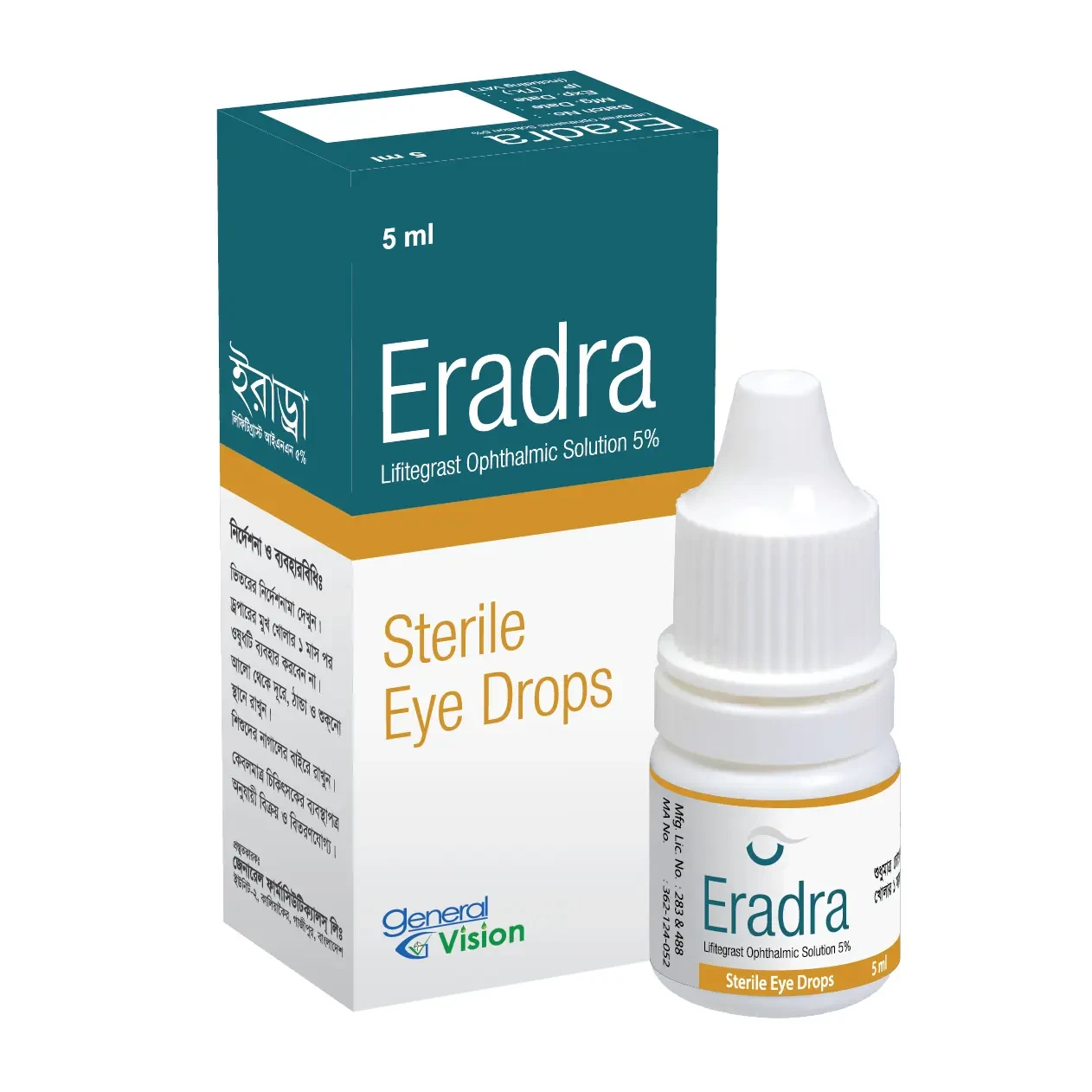
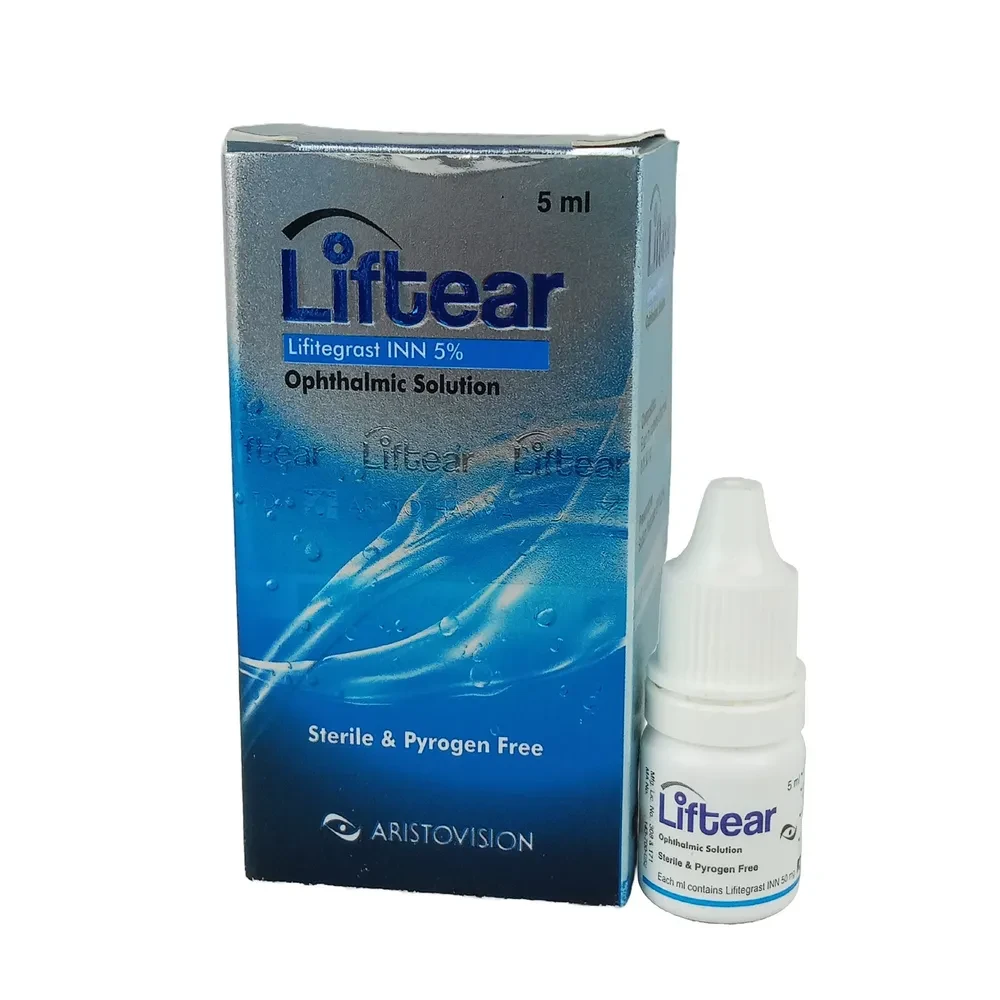
Lifitegrast is a used for the treatment of keratoconjunctivitis sicca (dry eye syndrome). It is a tetrahydroisoquinoline derivative and lymphocyte function-associated antigen-1 ( LFA-1) antagonist that was discovered through the rational design process. It has shown to protect the corneal surface and alleviate the symptoms of dry eye syndrome with fast onset of action and well tolerated profile in both local and systemic setting .
Uses
Lifitegrast is a medication used to treat dry eye disease.
For the treatment of signs and symptoms of keratoconjunctivitis sicca (dry eye syndrome).
Associated Conditions
Pharmacodynamics
Lifitegrast addresses both the symptoms and the resulting ocular surface damage by interfering with ocular inflammatory cycle . Lifitegrast is a lymphocyte function–associated antigen-1 antagonist through direct competitive antagonism and sequentially inhibits the T-cell recruitment, activation, and proinflammatory cytokine release associated with dry eye syndrome .
Mechanism of Action
Lifitegrast binds to the integrin lymphocyte function-associated antigen-1 (LFA-1), a cell surface protein found on leukocytes and blocks the interaction of LFA-1 with its cognate ligand intercellular adhesion molecule-1 (ICAM-1). ICAM-1 may be overexpressed in corneal and conjunctival tissues in dry eye disease. LFA-1/ICAM-1 interaction can contribute to the formation of an immunological synapse resulting in T-cell proliferation/activation and migration to target tissues. In vitro studies demonstrated that lifitegrast may inhibit T-cell adhesion to ICAM-1 in a human T-cell line and may inhibit secretion of inflammatory cytokines, inflammatory mediators, chemokines, TNF-α, and IL-1 in human peripheral blood mononuclear cells.
Absorption
The mean peak plasma concentration (Cmax) of 1.70ng/mL was reached within 15 minutes of application. Quantifiable trough plasma concentrations ranged from 0.55 ng/mL to 3.74 ng/mL . Observations show limited systemic exposure that produces significant clinical outcomes.
Protein Binding
Human plasma protein binding of lifitegrast was approximately 99%, independent of concentration (50 to 1000ng/mL). Binding to isolated human serum albumin was 95% to 98%, and 31.6% to 51.1% to human α1-acid glycoprotein .
Route of Elimination
Not possible to perform mass balance study to determine the main route of elimination .
Half Life
Not possible to calculate plasma elimination half-life based on plasma concentrations of lifitegrast, but reported to be relatively short in rat I.V. pharmacokinetics study .
Clearance
Not possible to calculate clearance rate based on plasma concentrations of lifitegrast, but reported to be relatively fast in rat I.V. pharmacokinetics study . It is predicted that lifitegrast is cleared via nasal and subsequently gastrointestinal tract .
Toxicity
Some adverse effects in 5-25% of the patients include instillation site irritation, dysgeusia and reduced visual acuity. There is no evidence or reports of potential carcinogenic, mutagenic or fertility-altering effects of this drug.
Food Interactions
No interactions found.