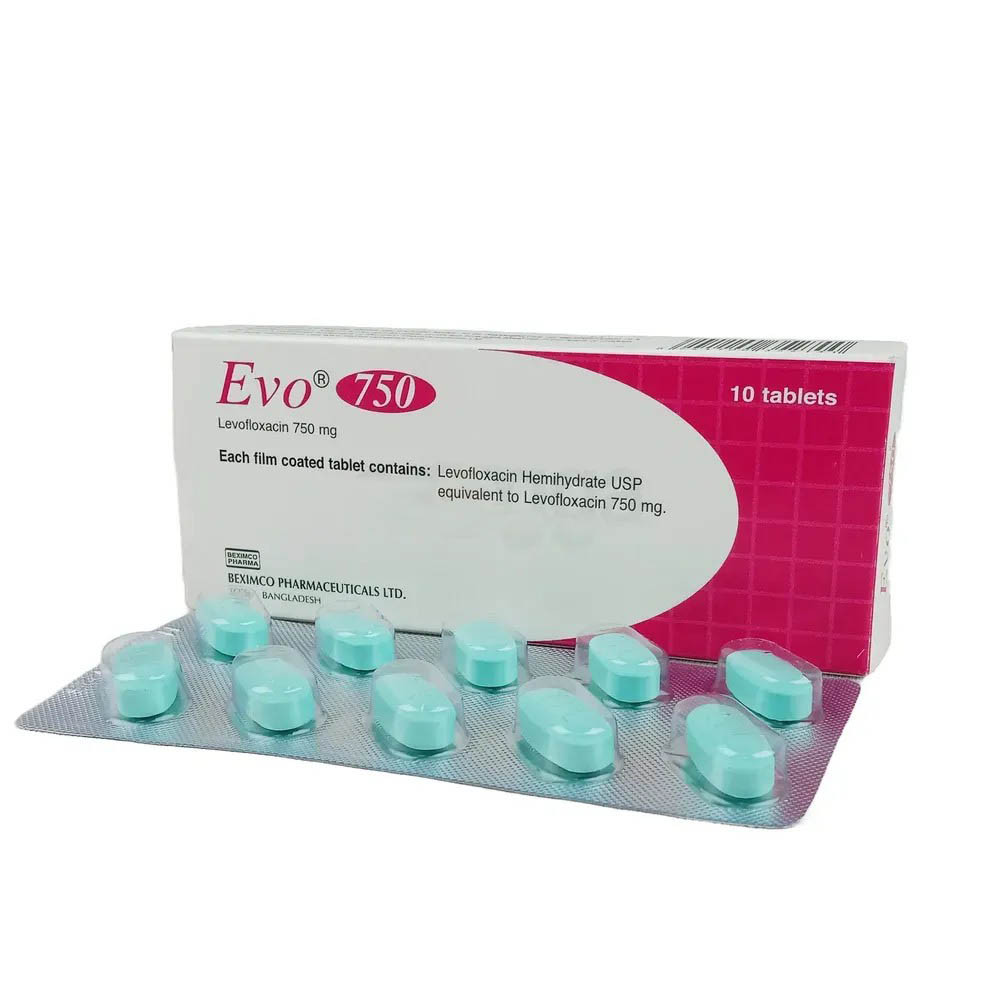
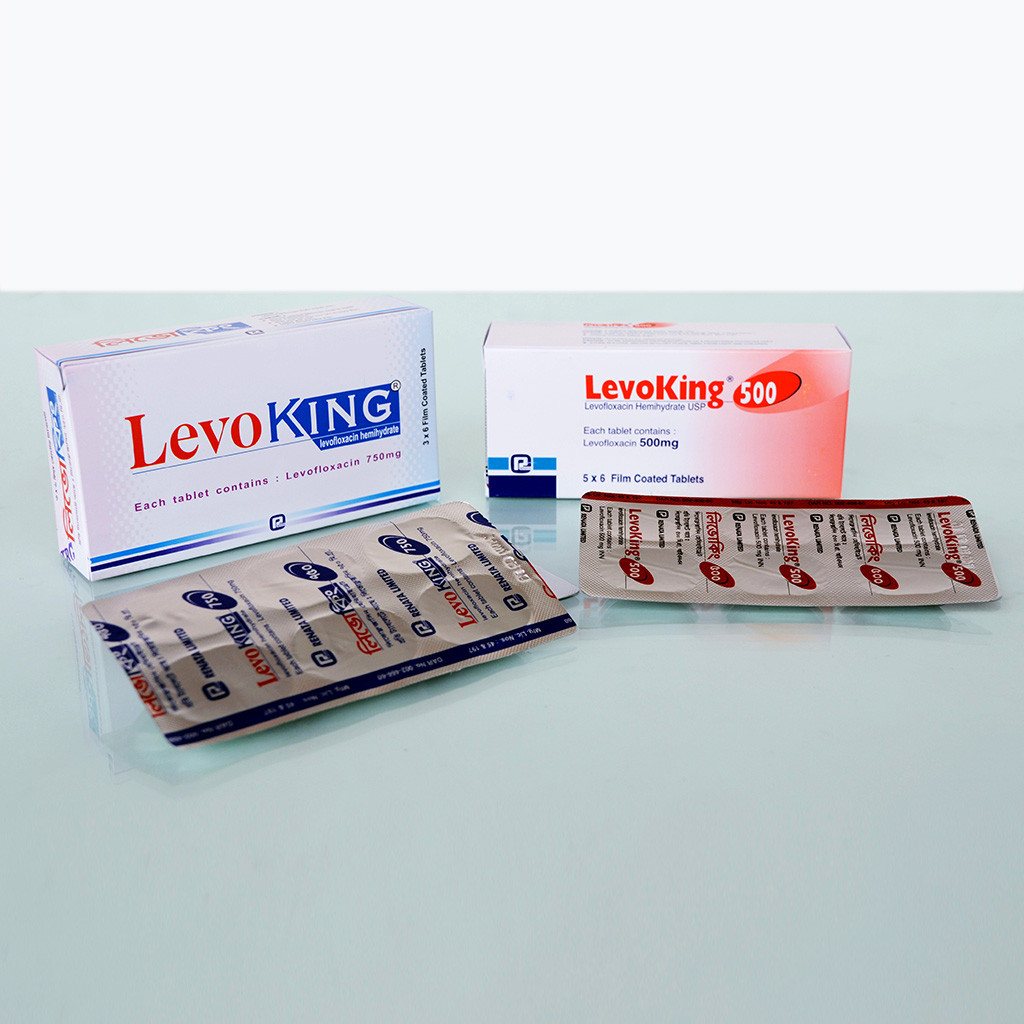
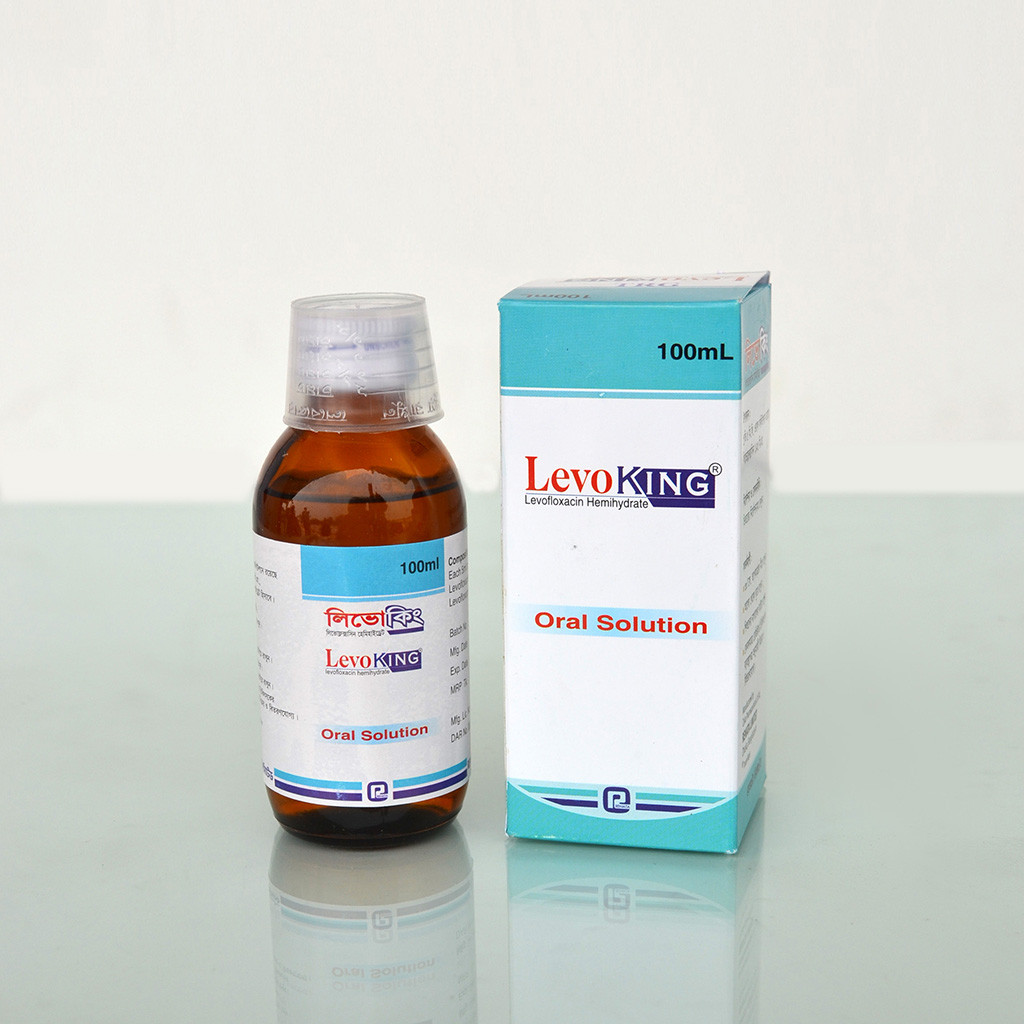
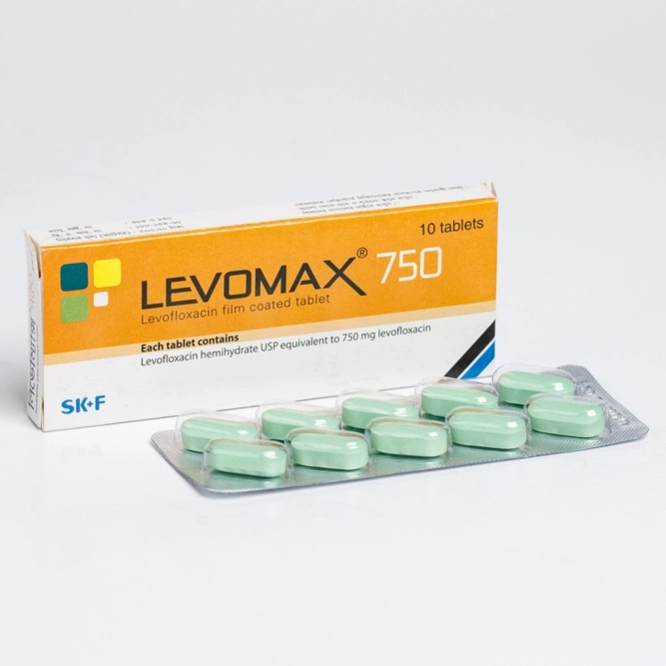
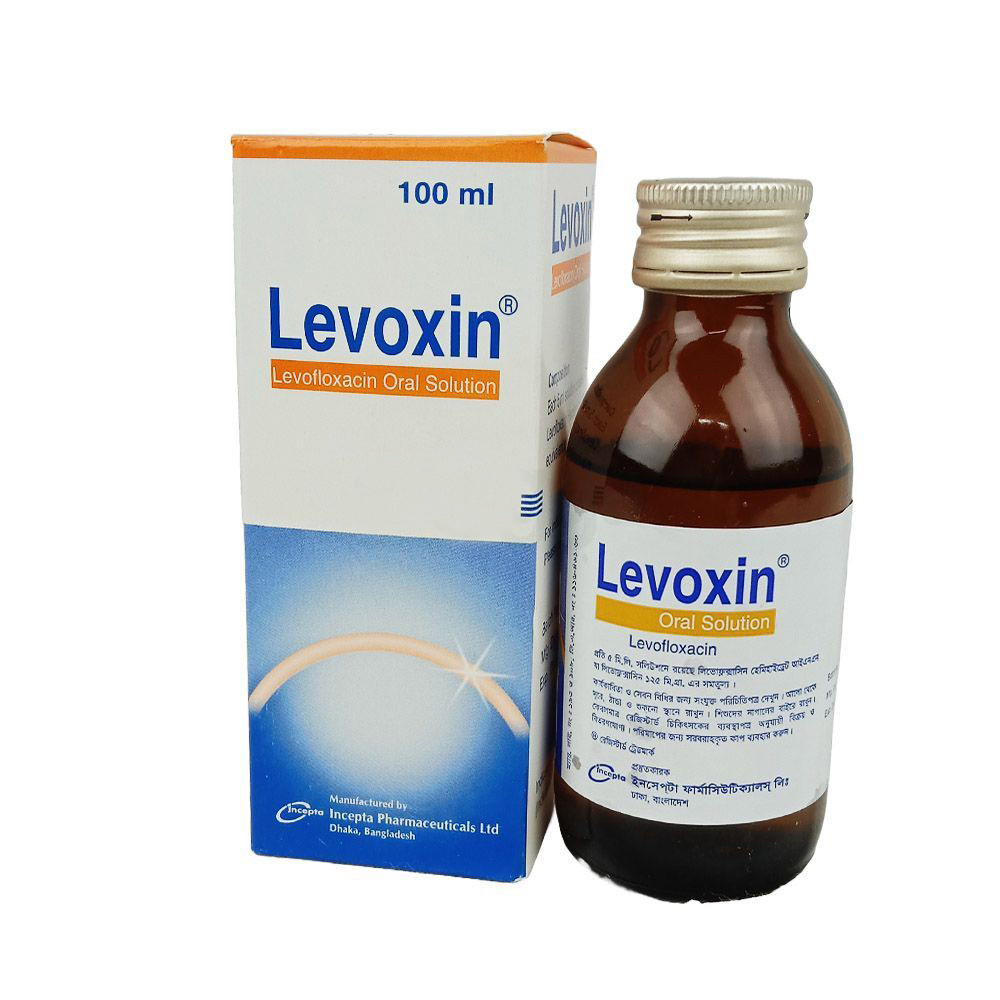
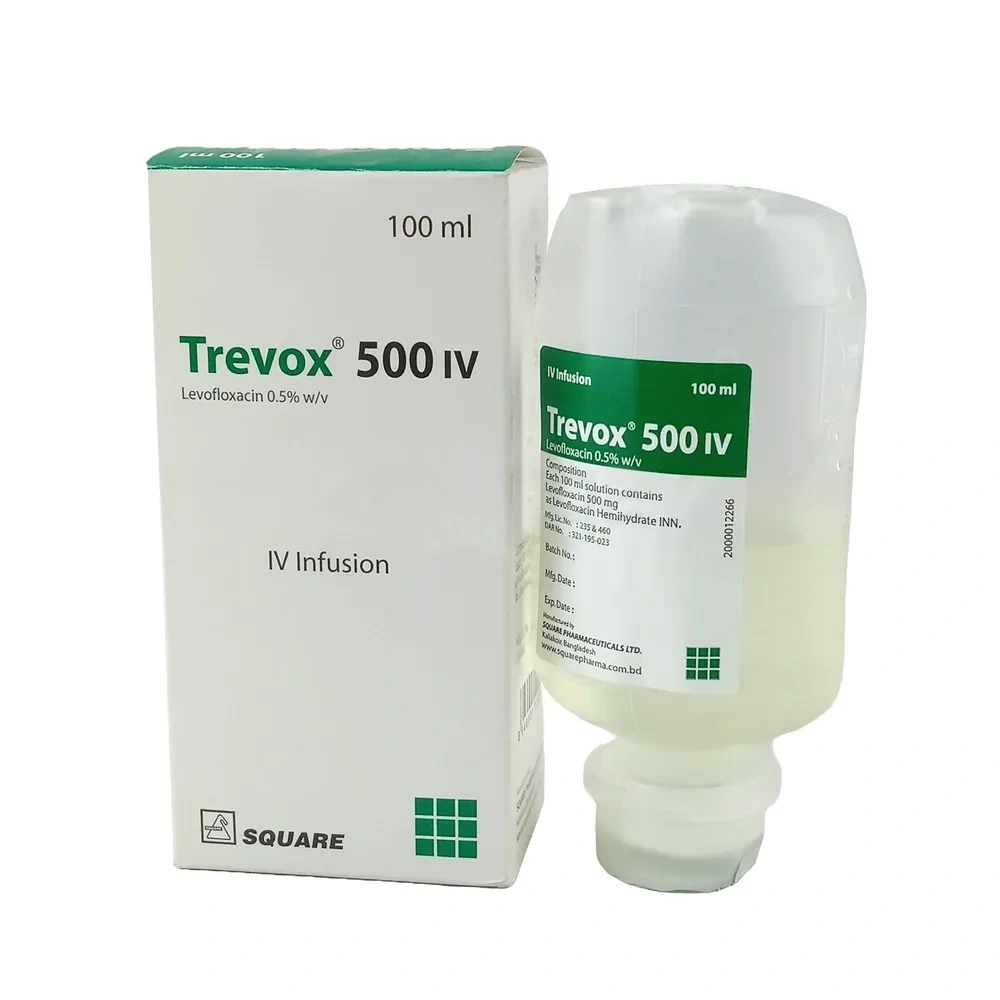
Generic Name Levofloxacin Hemihydrate
Bangla Name লিভোফ্লক্সাসিন হেমিহাইড্রেট
Available brands 132
Language

Introduction

Levofloxacin is a fluoroquinolone antibiotic and the optical S-(-) isomer of racemic ofloxacin. It reportedly carries 8 to 128-fold more activity against both gram-negative and gram-positive bacteria compared to R-(+)-ofloxacin and remains stereochemically stable following administration (i.e. it does not invert to the inactive isomer). Levofloxacin, along with other quinolones such as gatifloxacin and moxifloxacin, is a member of the third generation of fluoroquinolones, colloquially referred to as the "respiratory quinolones" due to improved activity against gram-positive bacteria commonly implicated in respiratory infections.

Uses

Levofloxacin is a fluoroquinolone antibiotic used to treat infections caused by susceptible bacteria of the upper respiratory tract, skin and skin structures, urinary tract, and prostate, as well as for post-exposure treatment of inhaled anthrax and the plague.

In oral and intravenous formulations, levofloxacin is indicated in adults for the treatment of various infections caused by susceptible bacteria, including infections of the upper respiratory tract, lower respiratory tract, skin, skin structures, urinary tract, and prostate. The oral formulation is also indicated in both adults and children 6 months of age and older for the post-exposure management of inhalational anthrax caused by Bacillus anthracis and for the treatment and/or prophylaxis of plague caused by Yersinia pestis.

In its ophthalmic formulation, levofloxacin is indicated for the treatment of bacterial conjunctivitis caused by susceptible organisms. An inhalational solution available in Canada is indicated for the management of cystic fibrosis patients aged 18 years or older with chronic pulmonary Pseudomonas aeruginosa infections.

Associated Conditions

  • Abscesses caused by susceptible bacteria
  • Acute Bacterial Exacerbation of Chronic Bronchitis (ABECB) caused by susceptible bacteria
  • Acute Pyelonephritis caused by Infection Due to Escherichia Coli
  • Bacterial Conjunctivitis caused by susceptible bacteria
  • Cellulitis caused by susceptible bacteria
  • Community Acquired Pneumonia (CAP) caused by susceptible bacteria
  • Furuncle caused by susceptible bacteria
  • Impetigo caused by susceptible bacteria
  • Nosocomial Pneumonia caused by Pseudomonas Infections
  • Nosocomial Pneumonia caused by susceptible bacteria
  • Plague caused by Yersinia pestis
  • Pyoderma caused by susceptible bacteria
  • Wound Infections caused by susceptible bacteria
  • Acute bacterial sinusitis caused by susceptible bacteria
  • Chronic Bacterial prostatitis caused by susceptible bacteria
  • Chronic Pseudomonas Infections
  • Complicated Urinary Tract Infection caused by susceptible bacteria
  • Complicated skin and skin-structure infections caused by susceptible bacteria
  • Inhaled anthrax caused by Bacillus anthracis
  • Uncomplicated Urinary Tract Infection caused by susceptible bacteria
  • Uncomplicated skin and skin-structure infections caused by susceptible bacteria

Pharmacodynamics

Levofloxacin is bactericidal and exerts its antimicrobial effects via inhibition of bacterial DNA replication. It has a relatively long duration of action in comparison with other antibiotics that allows for once or twice daily dosing. Levofloxacin is associated with QTc-interval prolongation and should be used with caution in patients with other risk factors for prolongation (e.g. hypokalemia, concomitant medications).

Levofloxacin has demonstrated in vitro activity against a number of aerobic gram-positive and gram-negative bacteria and may carry some activity against certain species of anaerobic bacteria and other pathogens such as Chlamydia and Legionella. Resistance to levofloxacin may develop, and is generally due to mutations in DNA gyrase or topoisomerase IV, or via alterations to drug efflux. Cross-resistance may occur between levofloxacin and other fluoroquinolones, but is unlikely to develop between levofloxacin and other antibiotic classes (e.g. macrolides) due to significant differences in chemical structure and mechanism of action.

As antimicrobial susceptibility patterns are geographically distinct, local antibiograms should be consulted to ensure adequate coverage of relevant pathogens prior to use.

Mechanism of Action

Levofloxacin, like other fluoroquinolone antibiotics, exerts its antimicrobial activity via the inhibition of two key bacterial enzymes: DNA gyrase and topoisomerase IV. Both targets are type II topoisomerases, but have unique functions within the bacterial cell. DNA gyrase is an enzyme found only in bacteria that introduces negative supercoils into DNA during replication - this helps to relieve torsional strain caused by the introduction of positive supercoils during replication, and these negative supercoils are essential for chromosome condensation and the promotion of transcription initiation. It is comprised of four subunits (two A subunits and two B subunits) of which the A subunits appear to be the target of fluoroquinolone antibiotics. Bacterial topoisomerase IV, in addition to contributing to the relaxation of positive supercoils, is essential at the terminal stages of DNA replication and functions to “unlink” newly replicated chromosomes to allow for the completion of cell division.

Inhibition of these enzymes by levofloxacin likely occurs via complexation with the topoisomerase enzymes. The end result is a blockade of DNA replication, thus inhibiting cell division and resulting in cell death.

Absorption

Absorption of levofloxacin following oral administration is rapid and essentially complete, with an oral bioavailability of approximately 99%. Due to its nearly complete absorption, the intravenous and oral formulations of levofloxacin may be interchangeable. The Tmax is generally attained 1-2 hours following administration and the Cmax is proportional to the given dose - an intravenous dose of 500mg infused over 60 minutes resulted in a Cmax of 6.2 ± 1.0 µg/mL whereas a 750mg dose infused over 90 minutes resulted in a Cmax of 11.5 ± 4.0 µg/mL. Oral administration with food prolongs the Tmax by approximately 1 hour and slightly decreases the Cmax, but these changes are not likely to be clinically significant.

Systemic absorption following oral inhalation is approximately 50% lower than that observed following oral administration.

Volume of Distribution

Levofloxacin is widely distributed in the body, with an average volume of distribution following oral administration between 1.09-1.26 L/kg (~89-112 L). Concentrations in many tissues and fluids may exceed those observed in plasma. Levofloxacin is known to penetrate well into skin tissue, fluids (e.g. blisters), lung tissue, and prostatic tissue, amongst others.

Protein Binding

Levofloxacin is 24-38% protein-bound in plasma, primarily to albumin. The extent of protein-binding is independent of its plasma concentration.

Route of Elimination

The majority of administered levofloxacin is excreted unchanged in the urine. Following the administration of a single oral dose of levofloxacin, approximately 87% was eliminated unchanged in the urine within 48 hours and less than 4% was eliminated in the feces within 72 hours.

Half Life

The average terminal elimination half-life of levofloxacin is 6-8 hours.

Clearance

The average apparent total body clearance of levofloxacin ranges from 8.64-13.56 L/h, and its renal clearance ranges from 5.76-8.52 L/h. The relative similarity of these ranges indicates a small degree of non-renal clearance.

Toxicity

The LD50 following oral administration in mice and rats is 1803 mg/kg and 1478 mg/kg, respectively.

Levofloxacin exhibits low potential for acute toxicity - following a single high dose of levofloxacin in several different test animals (e.g. mice, rats, monkeys) observed symptoms included ataxia, ptosis, decreased motor activity, dyspnea, tremors, and convulsions. Treatment of acute overdosage should involve stomach emptying (e.g. with activated charcoal) and general supportive measures. Consider monitoring of the patient's ECG to ensure QTc values remain within range. Levofloxacin is not efficiently removed by dialysis (peritoneal or hemodialysis) and is therefore of little benefit in cases of overdose.

Food Interactions

  • Take with or without food. Food slightly alters kinetics but not to any clinically significant extent.

Dosage

The usual dose of Levofloxacin Tablets is 250 mg or 500 mg or 750 mg administered orally every 24 hours. Levofloxacin tablets can be administered without regard to food. Levofloxacin oral solution should be taken 1 hour before, or  2 hours after eating.

Levofloxacin injection should only be administered by intravenous infusion. It is not for intramuscular, intrathecal, intraperitoneal, or subcutaneous administration. The usual dose of Levofloxacin injection is 250 mg or 500 mg administered by slow infusion over 60 minutes every 24 hours or 750 mg administered by slow infusion over 90 minutes every 24 hours. Since the Levofloxacin injections are for single-use only, any unused portion should be discarded. Additives or other medications should not be added to Levofloxacin Injection or infused simultaneously through the same intravenous line.

Adults:
  • Acute sinusitis: 500 mg once daily for 10-14 days, or 750 mg once daily for 5 days
  • Exacerbation of chronic bronchitis: 500 mg once daily for 7 days, or 750 mg once daily for 3 days (Uncomplicated), 750 mg once daily for 5 days (Complicated)
  • Community-acquired pneumonia: 500 mg once daily for 7-14 days, or 750 mg once daily for 5 days
  • Uncomplicated urinary-tract infections: 250 mg once daily for 3 days
  • Complicated urinary-tract infections and acute pyelonephritis: 250 mg once daily for 7-10 days
  • Uncomplicated skin and soft-tissue infections: 500 mg once daily for 7-10 days.
  • Complicated skin and soft-tissue infections: 750 mg once daily for 7-14 days.
  • Enteric fever: 500 mg once daily for 7-14 days.
  • Diarrhea, cholera, shigellosis & enteritis: Mild to moderate case: 500 mg (single dose). Moderate to sever case: 500 mg once daily for 3 days
Children:
  • Children 6 months to <5 years: 10 mg/kg every 12 hours.
  • Children >5 years: 10 mg/kg every 24 hours
In each case, sequential therapy (intravenous to oral) may be instituted at the discretion of the physician.

Frequently Asked Questions About Levofloxacin Hemihydrate

1. What is levofloxacin hemihydrate?

Levofloxacin hemihydrate is a hydrated crystalline form of levofloxacin, a broad-spectrum fluoroquinolone antibiotic used to treat bacterial infections.

2. How does levofloxacin hemihydrate differ from levofloxacin?

The hemihydrate form includes half a water molecule in its crystal structure, which may affect its stability, solubility, or manufacturing process, but its therapeutic action is identical to levofloxacin.

3. What is levofloxacin hemihydrate used for?

It treats bacterial infections such as:

  • Pneumonia
  • Urinary tract infections (UTIs)
  • Sinusitis
  • Skin infections
  • Chronic bronchitis exacerbations
  • 4. How does levofloxacin hemihydrate work?

    It inhibits bacterial DNA gyrase and topoisomerase IV, preventing DNA replication and killing susceptible bacteria.

    5. Is levofloxacin hemihydrate a prescription drug?

    Yes, it requires a doctor’s prescription.

    6. Who can take levofloxacin hemihydrate?

    It’s suitable for adults with bacterial infections but avoided in children, pregnant women, or those with tendon issues unless necessary.

    7. How is levofloxacin hemihydrate taken?

    It is taken orally as tablets or liquid, or given intravenously, depending on the formulation.

    8. What is the typical dosage of levofloxacin hemihydrate?

    Dosage depends on the infection:

  • Pneumonia: 500-750 mg once daily for 7-14 days
  • UTIs: 250-500 mg once daily for 3-10 days
  • Adjusted for kidney function
  • 9. How long does levofloxacin hemihydrate take to work?

    It begins working within hours, with symptom relief in 1-3 days, but the full course must be completed.

    10. Can levofloxacin hemihydrate be taken long-term?

    No, it’s used short-term (3-14 days) due to risks like tendon damage or resistance.

    11. Does levofloxacin hemihydrate treat viral infections?

    No, it only targets bacterial infections, not viruses.

    12. What are the common side effects of levofloxacin hemihydrate?

    Common side effects include:

  • Nausea
  • Diarrhea
  • Headache
  • Dizziness
  • 13. Can levofloxacin hemihydrate cause tendon damage?

    Yes, it may lead to tendonitis or tendon rupture, particularly in older adults or those on steroids.

    14. Does levofloxacin hemihydrate affect mental health?

    Rarely, it can cause confusion, anxiety, or hallucinations. Contact a doctor if these occur.

    15. Can levofloxacin hemihydrate be taken with food?

    Yes, but avoid dairy or calcium-rich products, which reduce absorption.

    16. What happens if I miss a dose of levofloxacin hemihydrate?

    Take it as soon as possible unless it’s near the next dose; then skip it. Don’t double up.

    17. Can I overdose on levofloxacin hemihydrate?

    Yes, overdose may cause seizures or heart issues. Seek emergency help if suspected.

    18. Is levofloxacin hemihydrate safe during pregnancy?

    No, it’s Category C and not recommended due to potential fetal risks.

    19. Can breastfeeding mothers take levofloxacin hemihydrate?

    It’s not advised, as it may pass into breast milk and harm the baby.

    20. Does levofloxacin hemihydrate interact with other medications?

    Yes, it interacts with:

  • Antacids (reduce absorption)
  • NSAIDs (increase seizure risk)
  • Warfarin (increases bleeding risk)
  • 21. Can I drink alcohol while taking levofloxacin hemihydrate?

    Avoid alcohol, as it may worsen side effects like dizziness or nausea.

    22. Is levofloxacin hemihydrate safe for kidney disease?

    Yes, with dose adjustments based on kidney function to avoid toxicity.

    23. Can levofloxacin hemihydrate be used in liver disease?

    It’s usually safe in mild liver disease but used cautiously in severe cases.

    24. How should levofloxacin hemihydrate be stored?

    Store at room temperature, away from moisture and heat. The hemihydrate form is sensitive to humidity.

    25. Does levofloxacin hemihydrate expire?

    Yes, check the expiration date; expired drug may lose potency.

    26. Can levofloxacin hemihydrate cause photosensitivity?

    Yes, it increases sunburn risk. Use sunscreen and avoid prolonged sun exposure.

    27. Is levofloxacin hemihydrate the same as ciprofloxacin?

    No, both are fluoroquinolones, but levofloxacin hemihydrate has a broader spectrum and different dosing.

    28. Can levofloxacin hemihydrate treat MRSA?

    It’s not typically effective against MRSA unless susceptibility is confirmed.

    29. Does levofloxacin hemihydrate cause yeast infections?

    Yes, it can disrupt gut flora, leading to yeast infections like thrush.

    30. Can levofloxacin hemihydrate cause heart problems?

    Rarely, it may prolong the QT interval, risking irregular heartbeats.

    31. Is levofloxacin hemihydrate gluten-free?

    Most formulations are gluten-free, but confirm with the manufacturer.

    32. Can levofloxacin hemihydrate tablets be crushed?

    Generally, no, unless specified by your doctor, as it may alter absorption.

    33. What if I’m allergic to levofloxacin hemihydrate?

    Allergic reactions (rash, swelling) are rare but serious. Stop use and seek help.

    34. Can levofloxacin hemihydrate cause drowsiness?

    It may cause dizziness or fatigue; avoid driving until you know its effects.

    35. Does levofloxacin hemihydrate affect blood sugar?

    Rarely, it may alter blood sugar levels, especially in diabetics.

    36. Can levofloxacin hemihydrate treat ear infections?

    It’s not a first-line choice for ear infections unless bacteria are susceptible.

    37. Is levofloxacin hemihydrate safe for elderly patients?

    Yes, but they’re at higher risk for tendon or kidney issues.

    38. Can levofloxacin hemihydrate cause weight gain?

    No, weight gain is not a reported side effect.

    39. Does levofloxacin hemihydrate need refrigeration?

    No, store at room temperature. Liquid forms may vary—check the label.

    40. Can levofloxacin hemihydrate treat strep throat?

    It’s not preferred; penicillin or amoxicillin is typically used instead.

    41. What’s the difference between levofloxacin hemihydrate and amoxicillin?

    Levofloxacin hemihydrate is a broader-spectrum fluoroquinolone, while amoxicillin is a narrower-spectrum penicillin.

    42. Can levofloxacin hemihydrate cause joint pain?

    Yes, it may cause joint pain or swelling due to tendon effects.

    43. Is levofloxacin hemihydrate available as a generic?

    Yes, it’s available as a generic, often labeled simply as levofloxacin.

    44. Can levofloxacin hemihydrate be taken at night?

    Yes, take it consistently at the same time daily.

    45. Does levofloxacin hemihydrate affect the liver?

    Rarely, it may elevate liver enzymes. Report jaundice to your doctor.

    46. Can levofloxacin hemihydrate be used for tooth infections?

    It’s not a first choice but may be used for resistant bacteria.

    47. What should I do if I experience tendon pain?

    Stop the drug and contact your doctor immediately.

    48. Can levofloxacin hemihydrate cause diarrhea?

    Yes, it’s common and may rarely lead to C. difficile infection.

    49. Does levofloxacin hemihydrate interact with caffeine?

    No major interaction, but caffeine may worsen side effects like jitteriness.

    Medical review

    Last reviewed: 24 Jul 2026

    Medically reviewed by:

    This is general information, not personal medical advice. Consult a doctor before taking any medicine.

    Taking medicines without doctor's advice can cause long-term problems.
    Brand medicines containing Levofloxacin Hemihydrate