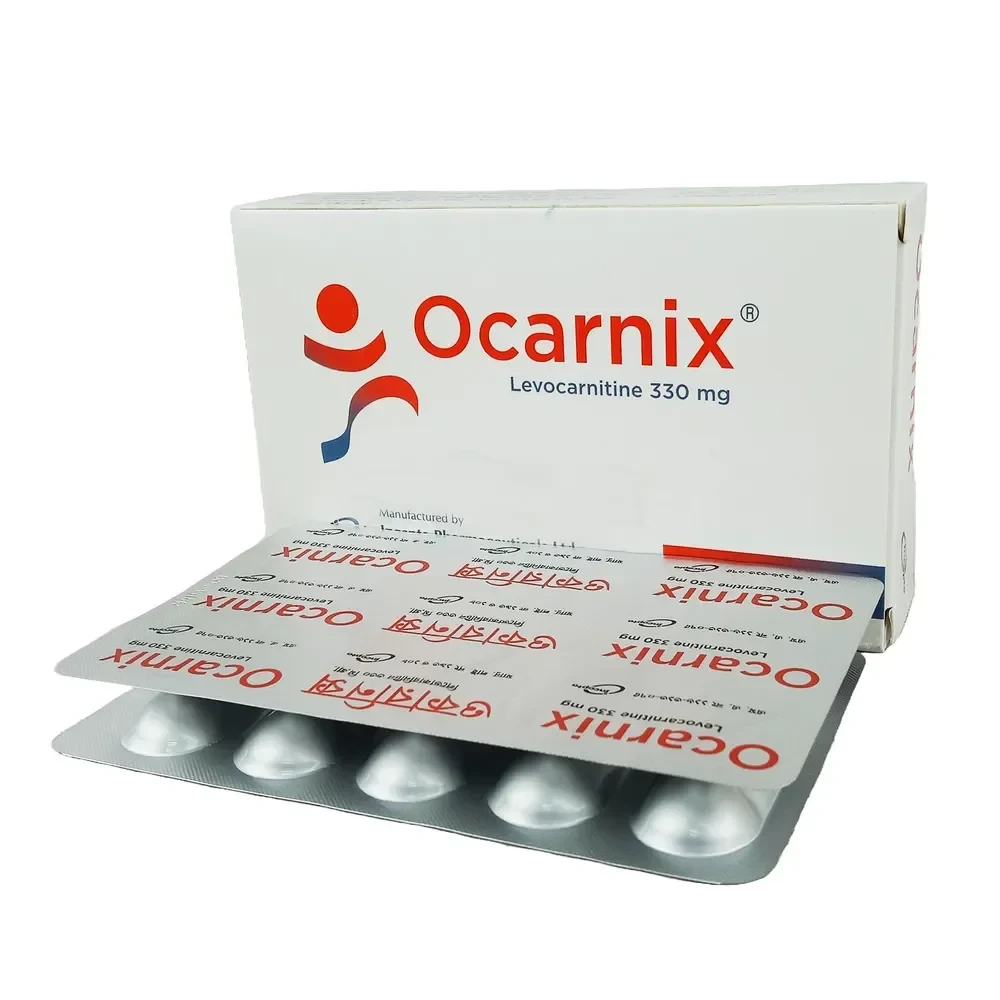
Introduction
Constituent of striated muscle and liver. It is used therapeutically to stimulate gastric and pancreatic secretions and in the treatment of hyperlipoproteinemias.
Uses
Levocarnitine is a quaternary ammonium compound used to treat carnitine deficiency or to stimulate gastric and pancreatic secretions in hyperlipoproteinemia.
For treatment of primary systemic carnitine deficiency, a genetic impairment of normal biosynthesis or utilization of levocarnitine from dietary sources, or for the treatment of secondary carnitine deficiency resulting from an inborn error of metabolism such as glutaric aciduria II, methyl malonic aciduria, propionic acidemia, and medium chain fatty acylCoA dehydrogenase deficiency. Used therapeutically to stimulate gastric and pancreatic secretions and in the treatment of hyperlipoproteinemias. Parenteral levocarnitine is indicated for the prevention and treatment of carnitine deficiency in patients with end-stage renal disease.
Associated Conditions
Pharmacodynamics
Levocarnitine is a carrier molecule in the transport of long chain fatty acids across the inner mitochondrial membrane. It also exports acyl groups from subcellular organelles and from cells to urine before they accumulate to toxic concentrations. Lack of carnitine can lead to liver, heart, and muscle problems. Carnitine deficiency is defined biochemically as abnormally low plasma concentrations of free carnitine, less than 20 µmol/L at one week post term and may be associated with low tissue and/or urine concentrations. Further, this condition may be associated with a plasma concentration ratio of acylcarnitine/levocarnitine greater than 0.4 or abnormally elevated concentrations of acylcarnitine in the urine. Only the L isomer of carnitine (sometimes called vitamin BT) affects lipid metabolism. The "vitamin BT" form actually contains D,L-carnitine, which competitively inhibits levocarnitine and can cause deficiency. Levocarnitine can be used therapeutically to stimulate gastric and pancreatic secretions and in the treatment of hyperlipoproteinemias.
Mechanism of Action
Levocarnitine can be synthesised within the body from the amino acids lysine or methionine. Vitamin C (ascorbic acid) is essential to the synthesis of carnitine. Levocarnitine is a carrier molecule in the transport of long chain fatty acids across the inner mitochondrial membrane. It also exports acyl groups from subcellular organelles and from cells to urine before they accumulate to toxic concentrations. Only the L isomer of carnitine (sometimes called vitamin BT) affects lipid metabolism. Levocarnitine is handled by several proteins in different pathways including carnitine transporters, carnitine translocases, carnitine acetyltransferases and carnitine palmitoyltransferases.
Absorption
Absolute bioavailability is 15% (tablets or solution). Time to maximum plasma concentration was found to be 3.3 hours.
Volume of Distribution
The steady state volume of distribution (Vss) of an intravenously administered dose, above endogenous baseline levels, was calculated to be 29.0 +/- 7.1L. However this value is predicted to be an underestimate of the true Vss.
Protein Binding
None
Route of Elimination
Following a single intravenous dose, 73.1 +/- 16% of the dose was excreted in the urine during the 0-24 hour interval. Post administration of oral carnitine supplements, in addition to a high carnitine diet, 58-65% of the administered radioactive dose was recovered from urine and feces in 5-11 days.
Half Life
17.4 hours (elimination) following a single intravenous dose.
Clearance
Total body clearance was found to be a mean of 4L/h.
Toxicity
LD50 > 8g/kg (mouse, oral). Adverse effects include hypertension, fever, tachycardia and seizures.
Food Interactions
- Take with food. Taking levocarnitine oral solution with meals may reduce gastrointestinal upset such as nausea, vomiting, and cramping.
Dosage
- Adults: 330 mg two or three times daily. Depending on clinical response.
- Infants and children: 50 to 100 mg/kg/day in divided doses, with a maximum of 3 g/day. Dosage should begin at 50 mg/kg/day. The exact dosage will depend on clinical response.
- Adults: The recommended dosage of Levocarnitine 100 ml solution is 10 to 30 ml/day. Higher doses should be administered with caution. Dosage should be started at 10 ml/day and be increased slowly while assessing tolerance and therapeutic response.
- Infants and children: The recommended dosage of Levocarnitine 100 ml solution is 50 to 100 mg/kg/day. Dosage should be started at 50 mg/kg/day and be increased slowly to a maximum of 30 ml. /day. Levocarnitine oral solution can be given from 2-spoonful to 6-spoonful in divided dose as directed by physicians. Higher doses should be administered with caution.