Introduction
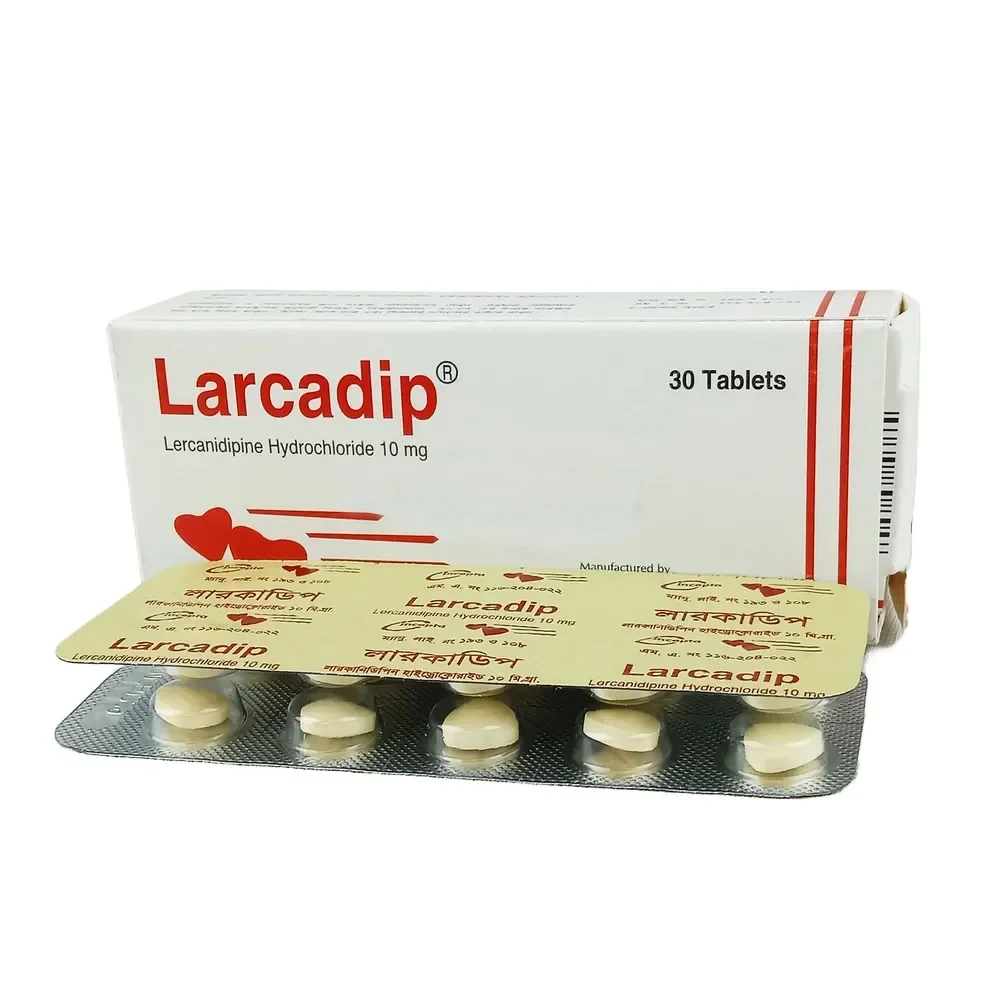
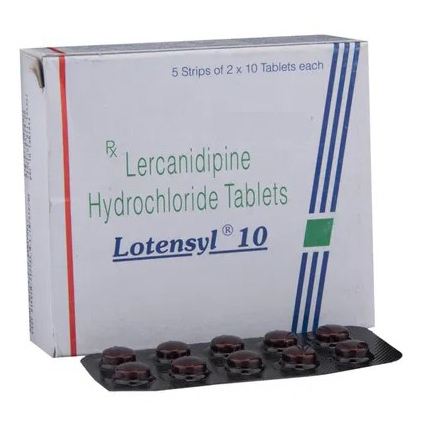
Lercanidipine is a calcium channel blocker of the dihydropyridine class. It is sold under various commercial names including Zanidip.
Uses
Lercanidipine is a calcium channel blocker for the management of hypertension.
For the treatment of Hypertension, management of angina pectoris and Raynaud's syndrome
Associated Conditions
Pharmacodynamics
Lercanidipine, a dihydropyridine calcium-channel blocker, is used alone or with an angiotensin-converting enzyme inhibitor, to treat hypertension, chronic stable angina pectoris, and Prinzmetal's variant angina. Lercanidipine is similar to other peripheral vasodilators. Lercanidipine inhibits the influx of extra cellular calcium across the myocardial and vascular smooth muscle cell membranes possibly by deforming the channel, inhibiting ion-control gating mechanisms, and/or interfering with the release of calcium from the sarcoplasmic reticulum. The decrease in intracellular calcium inhibits the contractile processes of the myocardial smooth muscle cells, causing dilation of the coronary and systemic arteries, increased oxygen delivery to the myocardial tissue, decreased total peripheral resistance, decreased systemic blood pressure, and decreased afterload.
Mechanism of Action
By deforming the channel, inhibiting ion-control gating mechanisms, and/or interfering with the release of calcium from the sarcoplasmic reticulum, Lercanidipine inhibits the influx of extracellular calcium across the myocardial and vascular smooth muscle cell membranes The decrease in intracellular calcium inhibits the contractile processes of the myocardial smooth muscle cells, causing dilation of the coronary and systemic arteries, increased oxygen delivery to the myocardial tissue, decreased total peripheral resistance, decreased systemic blood pressure, and decreased afterload.
Food Interactions
- Avoid alcohol. Alcohol may increase the vasodilatory effects of lercanidipine, which may lead to hypotension.
- Avoid grapefruit products. Grapefruit inhibits the metabolism of lercanidipine through CYP3A4, which causes increased serum levels of lercanidipine, and may increase the risk of hypotension.
- Exercise caution with St. John's Wort. Lercanidipine is metabolized by CYP3A4, and St. John's Wort is a CYP3A4 inducer.
- Take on an empty stomach. Taking lercanidipine after meals increases its bioavailability, therefore lercanidipine should be taken least 15 minutes before meals.
Dosage
Some individuals, not adequately controlled on a single antihypertensive agent, may benefit from the addition of Lercanidipine to therapy with a beta-adrenoceptor blocking drug (atenolol), a diuretic (hydrochlorothiazide) or an ACE inhibitor (ramiprii).
Use in children: Since there is no clinical data in patients under the age of 18 years, use in children is not currently recommended.
Use in renal or hepatic dysfunction: Special care should be exercised in patients with mild to moderate renal or hepatic dysfunction. Dosage above 20 mg daily must be approached with caution. Lercanidipine is not recommended for use in patients with severe hepatic or renal dysfunction.