Introduction
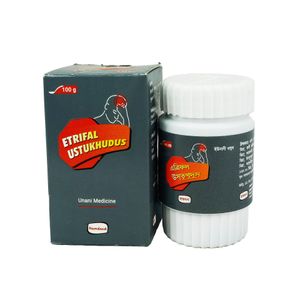
Lavender (Lavandula stoechas) is a flowering plant commonly known for its fragrant purple flowers. It is used in traditional medicine for various therapeutic purposes due to its calming and antiseptic properties. Lavender oil, derived from the plant, is particularly popular in aromatherapy and as a natural remedy for stress, anxiety, and minor skin conditions.
Uses
Lavender is utilized for several purposes, including:
- Aromatherapy: Lavender essential oil is used to reduce stress, anxiety, and improve sleep quality.
- Skin Care: Applied topically, lavender oil is used to soothe minor burns, insect bites, and other skin irritations.
- Digestive Health: Lavender tea is used to alleviate symptoms of digestive discomfort, including bloating and gas.
- Muscle Relaxation: Lavender is used in massages to help relieve muscle tension and pain.
Mechanism of Action
Lavender’s therapeutic effects are primarily attributed to its essential oil, which contains compounds such as linalool and linalyl acetate. These compounds interact with the limbic system in the brain, influencing mood and stress levels. Lavender oil also has antimicrobial and anti-inflammatory properties, which contribute to its use in treating skin conditions and minor injuries.
How Long Does It Take to Work?
The onset of effects from lavender can vary based on the method of use:
- Aromatherapy: Calming effects may be felt within minutes of inhalation.
- Topical Application: Relief from minor skin issues can be observed within a few hours.
- Digestive Health: Lavender tea may provide relief from digestive discomfort within 30 minutes to an hour.
Absorption
When used topically, lavender oil is absorbed through the skin into the bloodstream. In aromatherapy, the volatile compounds are inhaled and absorbed through the respiratory system. The rate of absorption can vary depending on the formulation and individual skin characteristics.
Route of Elimination
Lavender compounds are metabolized in the liver and excreted primarily through the urine. The essential oils are broken down into metabolites that are then eliminated from the body.
Dosage
The dosage of lavender varies depending on the form of use:
- Aromatherapy: Typically, 3-5 drops of lavender essential oil are used in a diffuser or added to a bath.
- Topical Application: Lavender oil can be applied directly to the skin or diluted with a carrier oil. A few drops are usually sufficient for localized treatment.
- Digestive Health: Lavender tea is typically made with 1-2 teaspoons of dried lavender flowers per cup of boiling water.
Administration
Lavender can be administered in several ways:
- Aromatherapy: Use in a diffuser or add to a bath.
- Topical Application: Apply diluted lavender oil directly to the skin.
- Internal Use: Prepare lavender tea or use as a culinary herb.
Side Effects
Lavender is generally considered safe for most people when used appropriately. Potential side effects include:
- Skin irritation or allergic reactions when applied topically.
- Headaches or nausea from excessive inhalation of lavender essential oil.
Toxicity
Lavender is rarely toxic when used in recommended doses. Overuse or ingestion of large amounts of lavender oil can lead to symptoms such as nausea, vomiting, or gastrointestinal discomfort. Always use lavender products as directed to avoid adverse effects.
Precautions
Precautions to consider include:
- Conduct a patch test before applying lavender oil to ensure there is no allergic reaction.
- Use lavender oil in moderation, especially in aromatherapy, to prevent potential adverse effects.
- Consult with a healthcare provider before using lavender if pregnant, breastfeeding, or taking medications.
Interaction
Lavender may interact with certain medications, including:
- Anticoagulants: Lavender may have a mild blood-thinning effect, potentially increasing bleeding risk when used with blood thinners.
- Sedatives: Lavender may enhance the effects of sedative medications, leading to increased drowsiness.
Disease Interaction
Individuals with the following conditions should use lavender with caution:
- Allergic Conditions: People with known allergies to plants in the Lamiaceae family may be sensitive to lavender.
- Skin Conditions: Use cautiously if you have sensitive or broken skin.
Drug Interaction
Lavender may interact with medications that affect the central nervous system or blood clotting. It is important to consult with a healthcare provider before combining lavender with other treatments.
Food Interactions
Lavender is generally safe to consume as part of culinary preparations. However, excessive consumption of lavender or lavender oil should be avoided to prevent potential adverse effects.
Pregnancy Use
Lavender is often used with caution during pregnancy. While small amounts used in aromatherapy or as a culinary herb are generally considered safe, it is advisable to consult with a healthcare provider before using lavender products during pregnancy.
Lactation Use
Lavender is generally considered safe for use during lactation when used in moderation. Consult with a healthcare provider before using lavender oil or supplements to ensure safety for both mother and infant.
Acute Overdose
Acute overdose of lavender, particularly from essential oil, can cause symptoms such as nausea, vomiting, and skin irritation. In the case of significant exposure or symptoms of overdose, seek medical attention promptly.
Contraindication
Lavender should be avoided by individuals who are allergic to plants in the Lamiaceae family or have a history of adverse reactions to lavender products. Additionally, pregnant or breastfeeding women should consult a healthcare provider before using lavender extensively.
Use Direction
Follow recommended guidelines for the specific lavender product being used. For topical application, dilute the oil with a carrier oil and apply to a small area first. For aromatherapy, use as directed in a diffuser. For internal use, adhere to dosage recommendations provided on the product label.
Storage Conditions
Store lavender essential oil and dried lavender in a cool, dry place away from direct sunlight. Essential oils should be kept tightly sealed to prevent oxidation, while dried lavender should be stored in an airtight container to preserve its potency and fragrance.
Volume of Distribution
The volume of distribution of lavender compounds is not well-documented. However, lavender oil is known to be distributed throughout the body upon absorption, affecting various tissues, including the skin and central nervous system.
Half Life
The half-life of lavender compounds varies depending on the specific form and route of administration. Essential oil components are metabolized and eliminated relatively quickly, with effects generally lasting several hours.
Clearance
Lavender compounds are cleared from the body primarily through the liver and urine. The clearance rate can be influenced by factors such as liver function and overall health status.