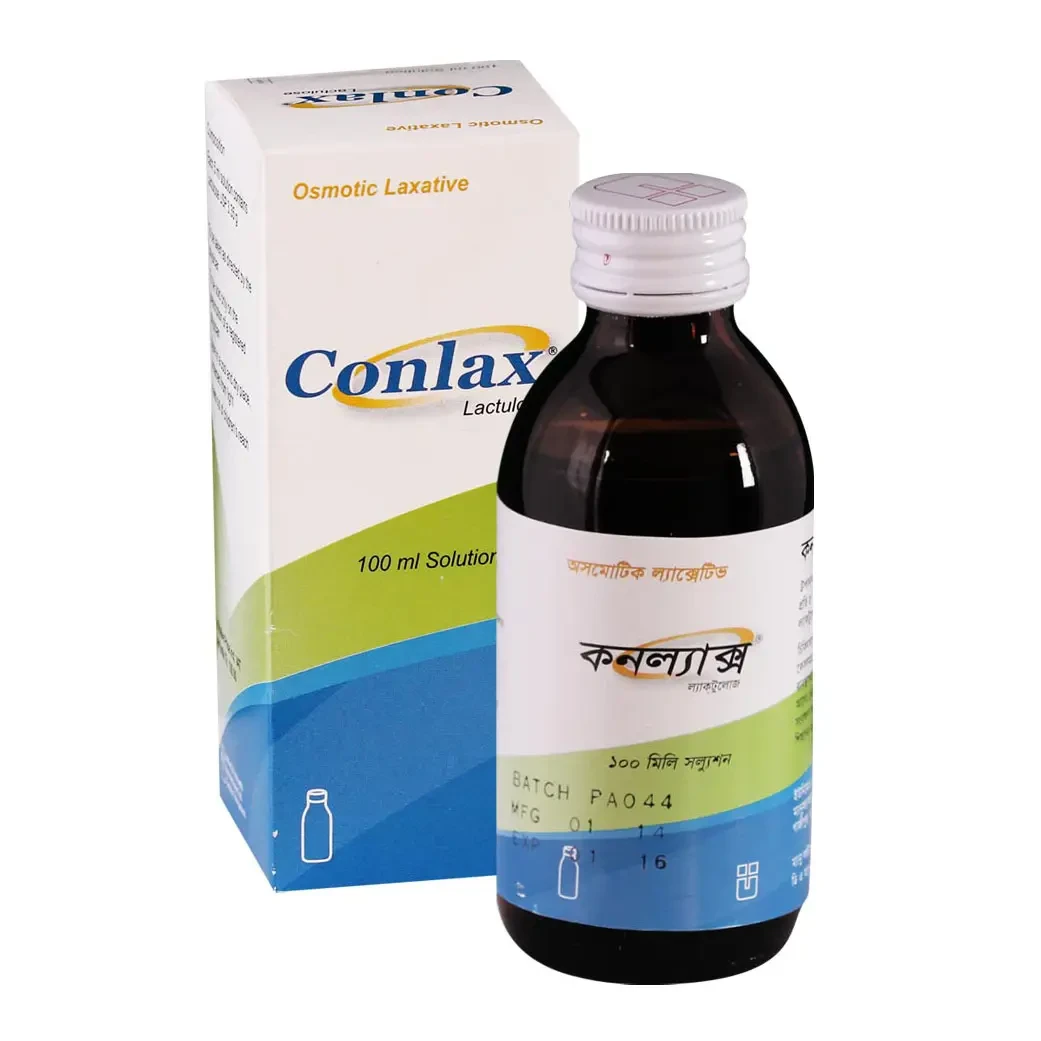
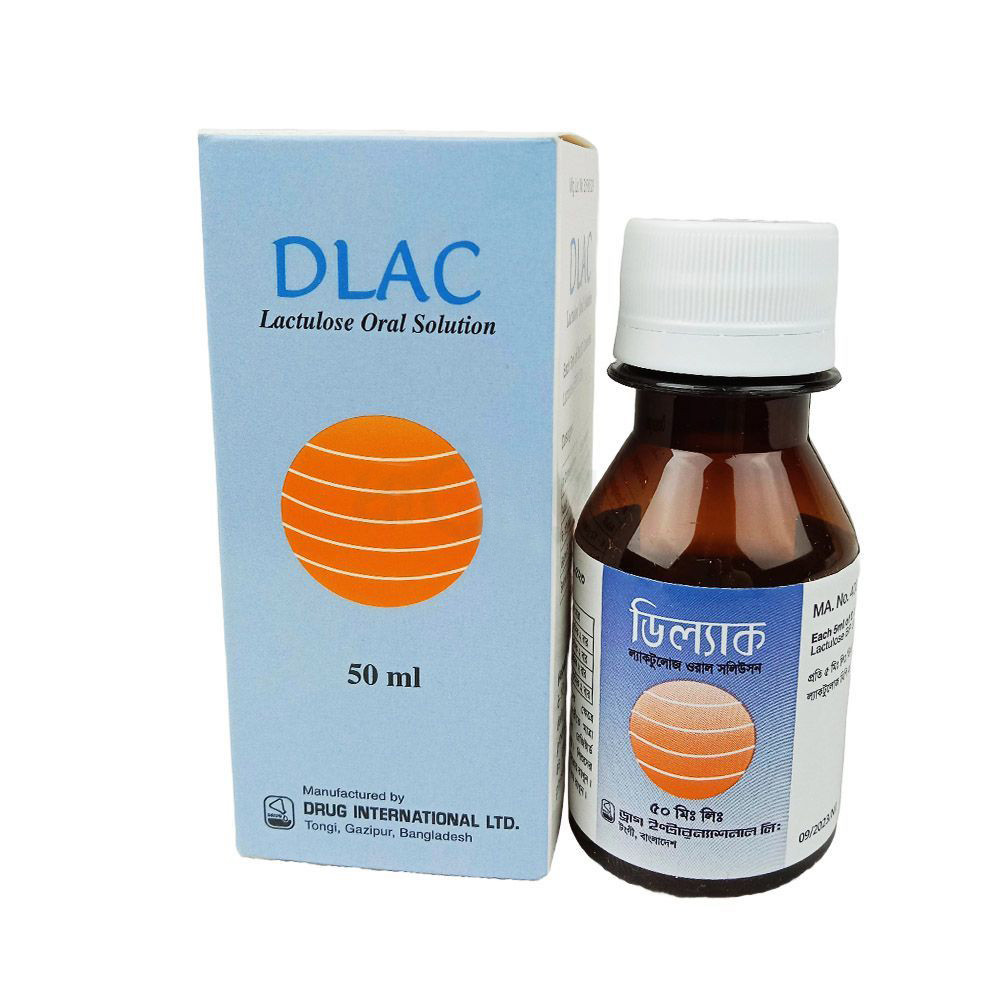
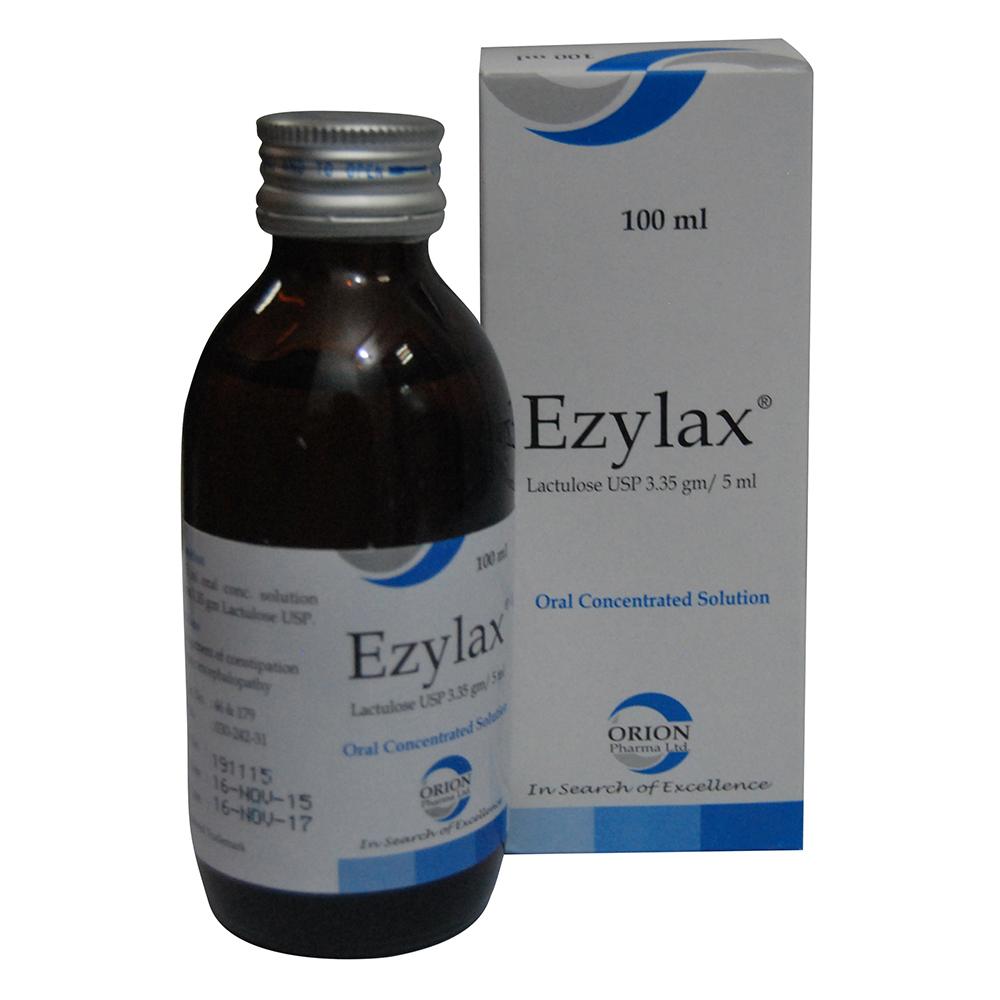
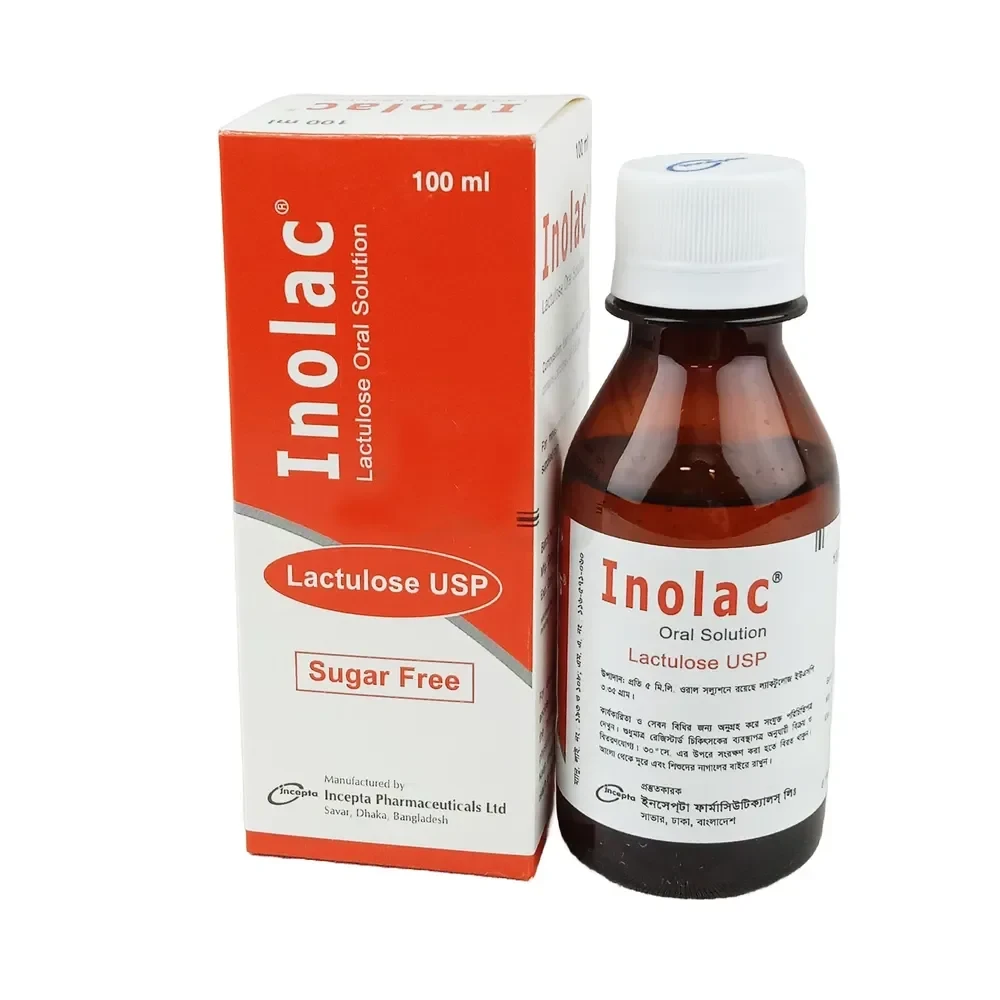
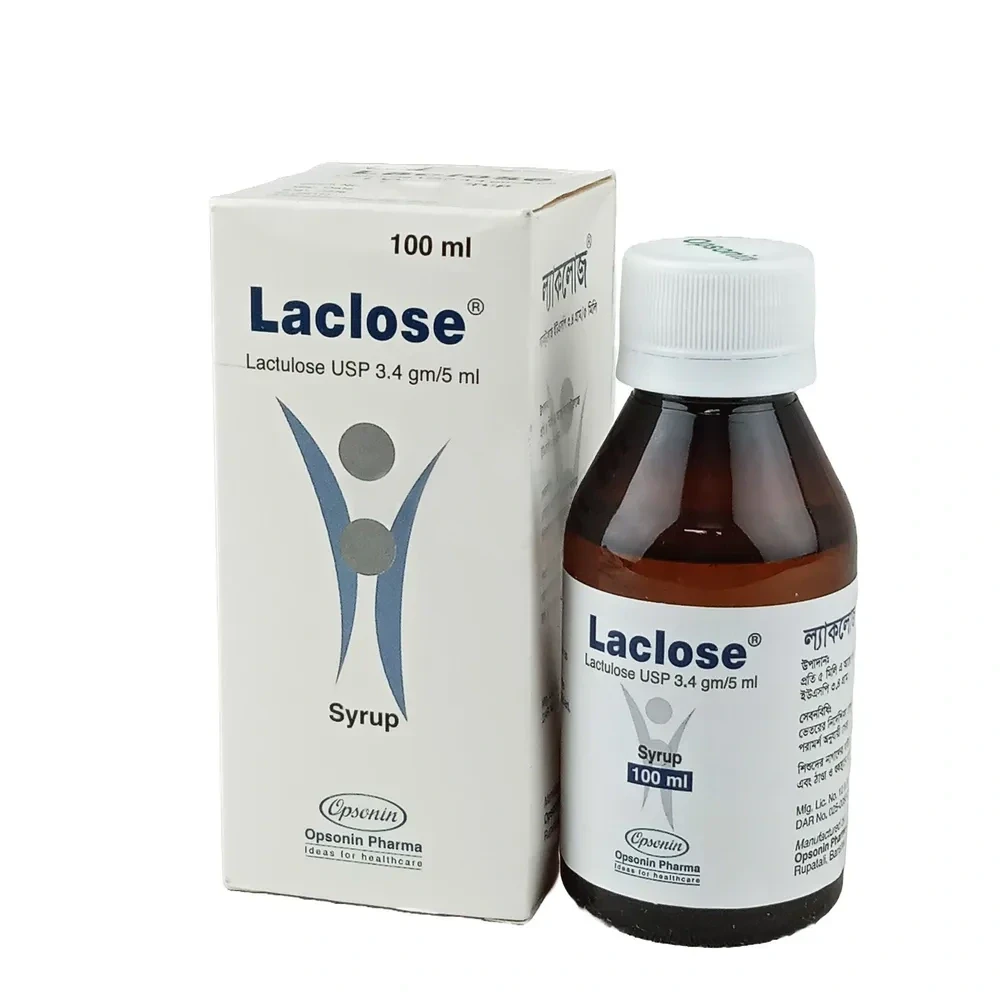
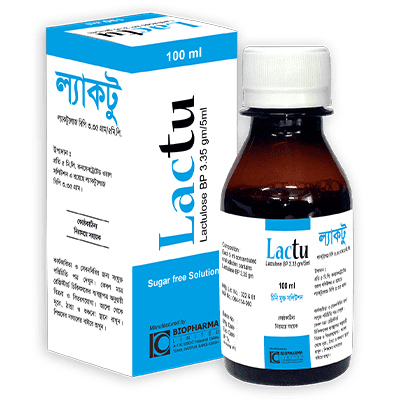
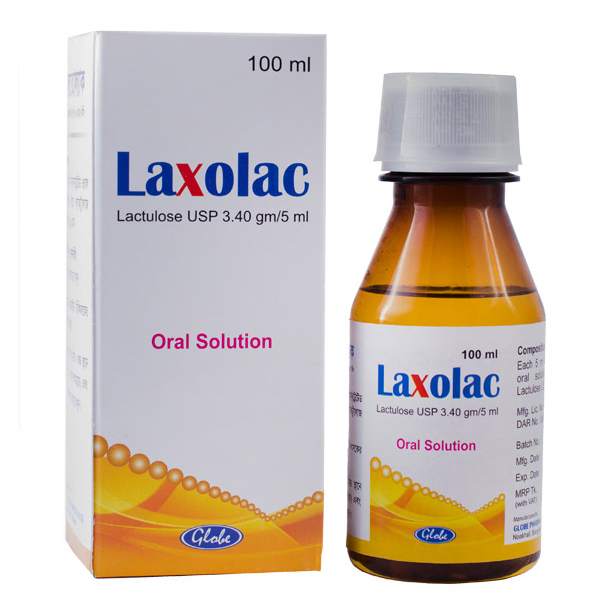
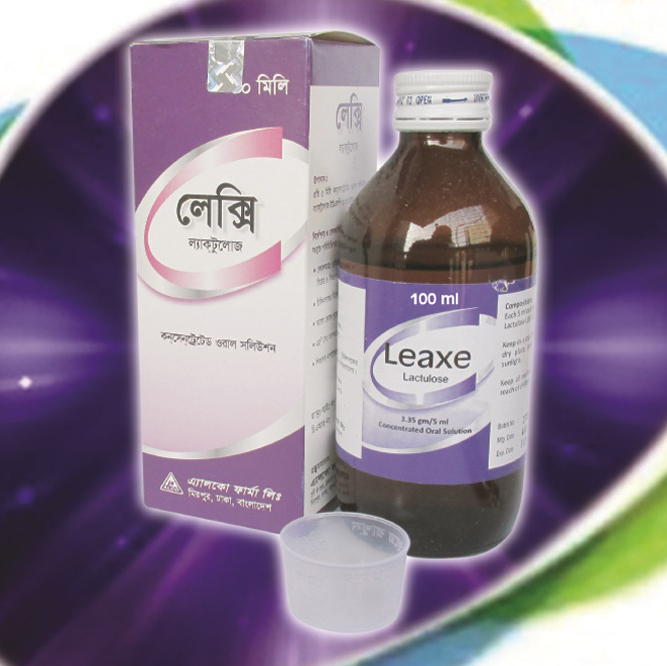
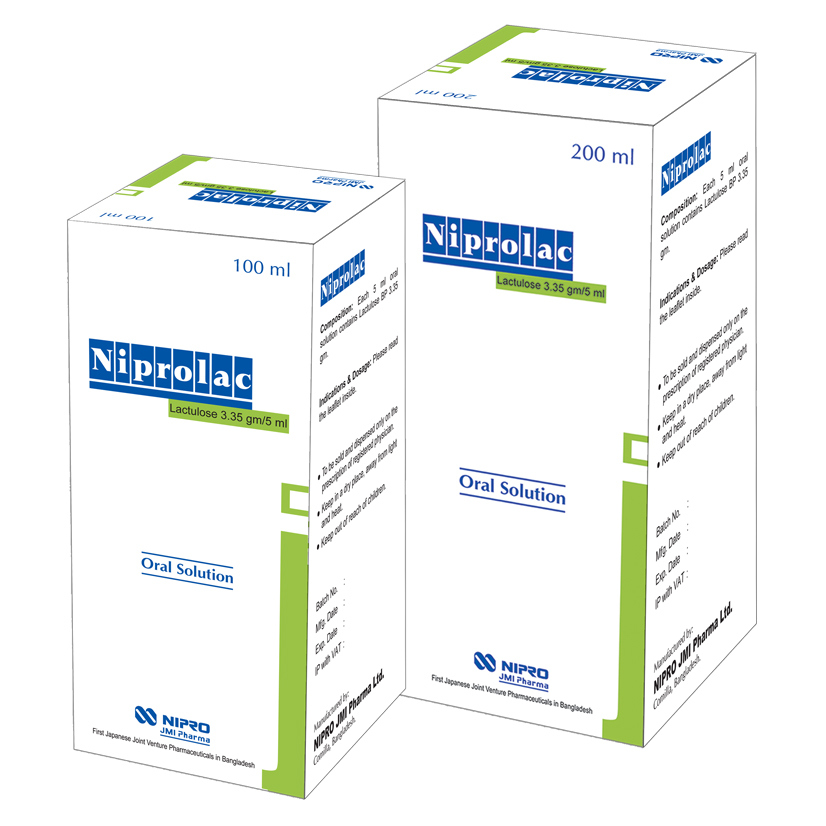
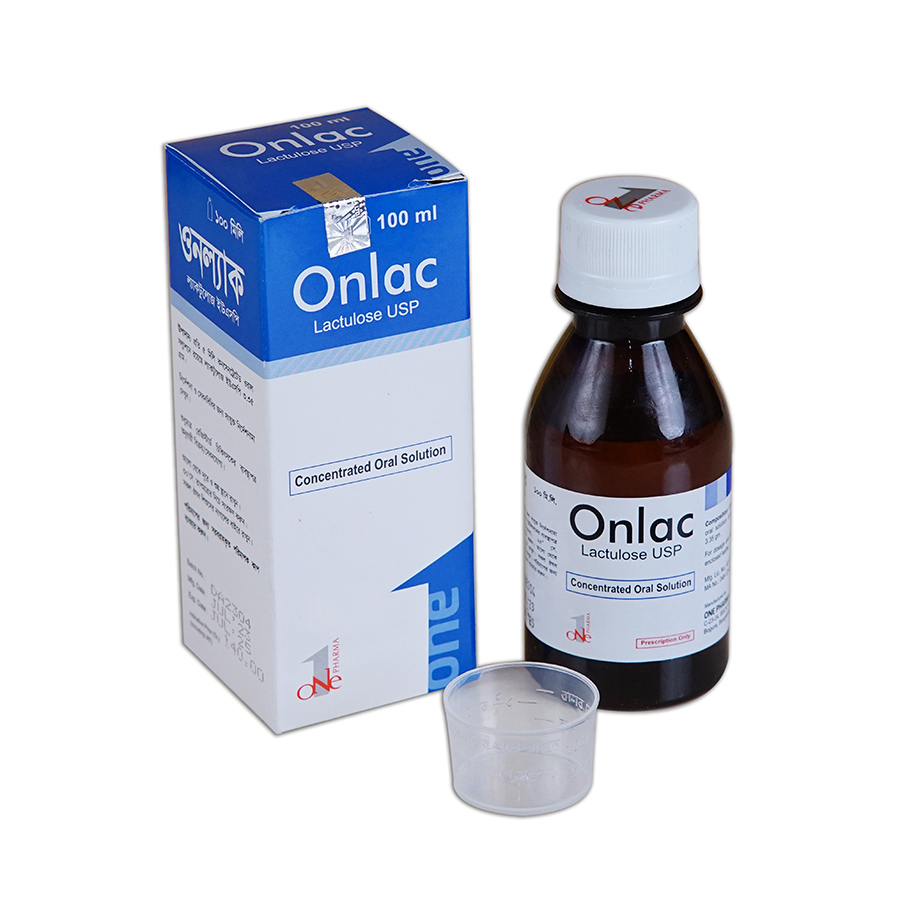
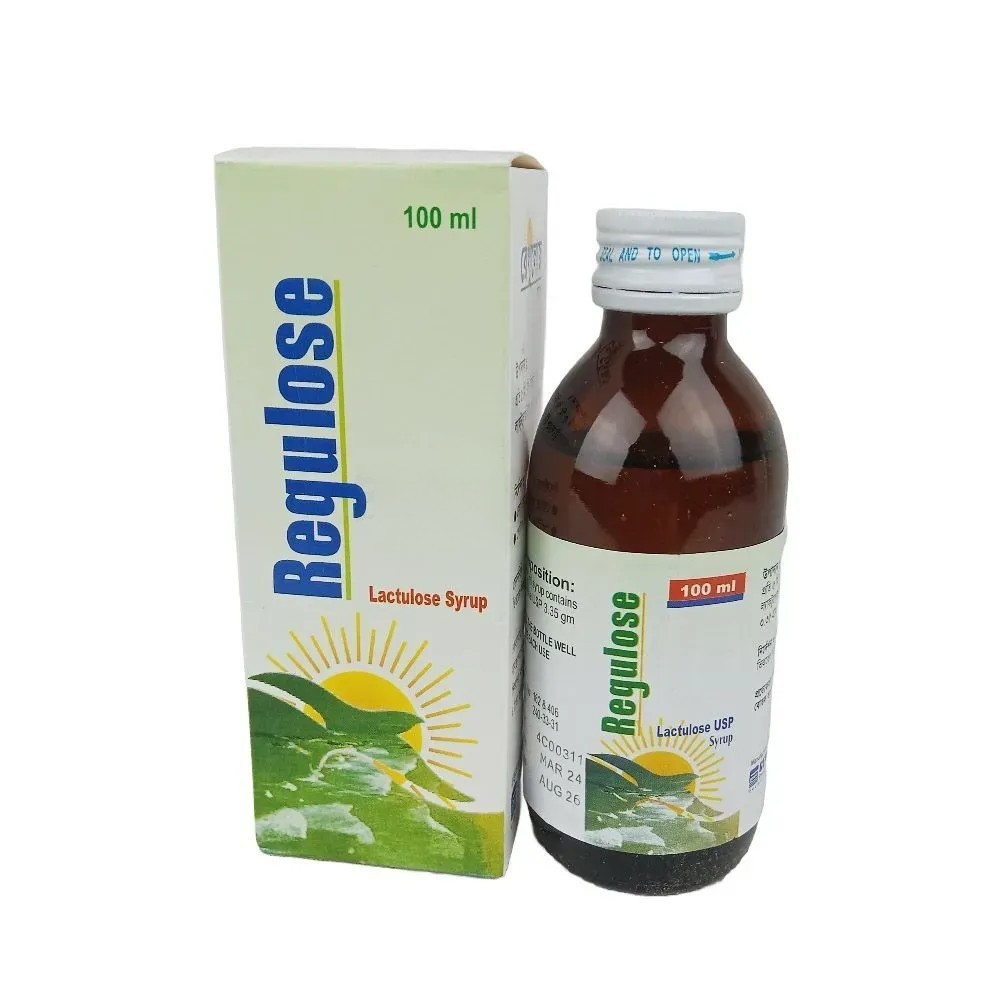
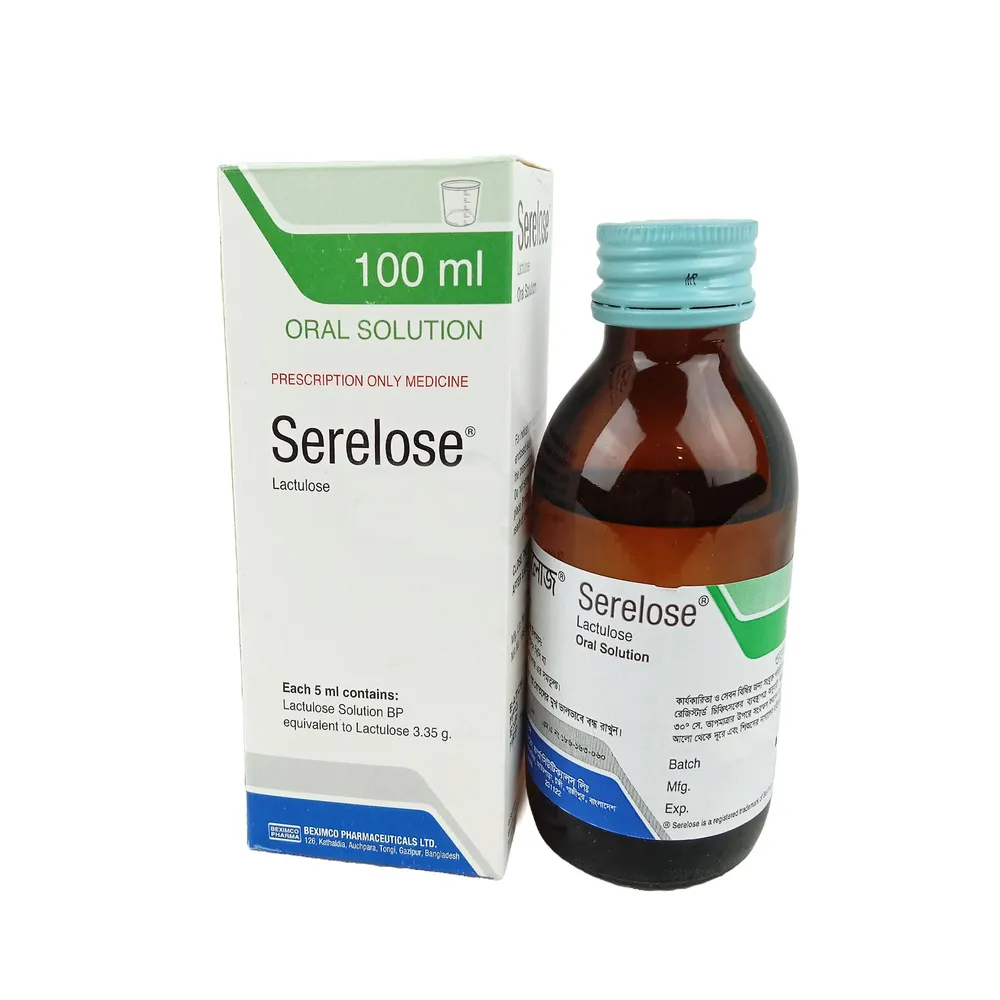
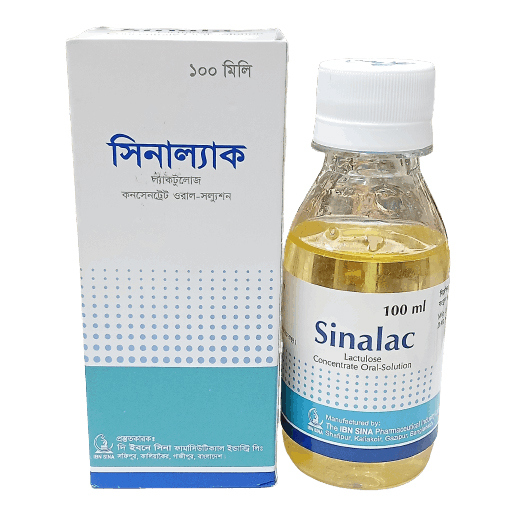
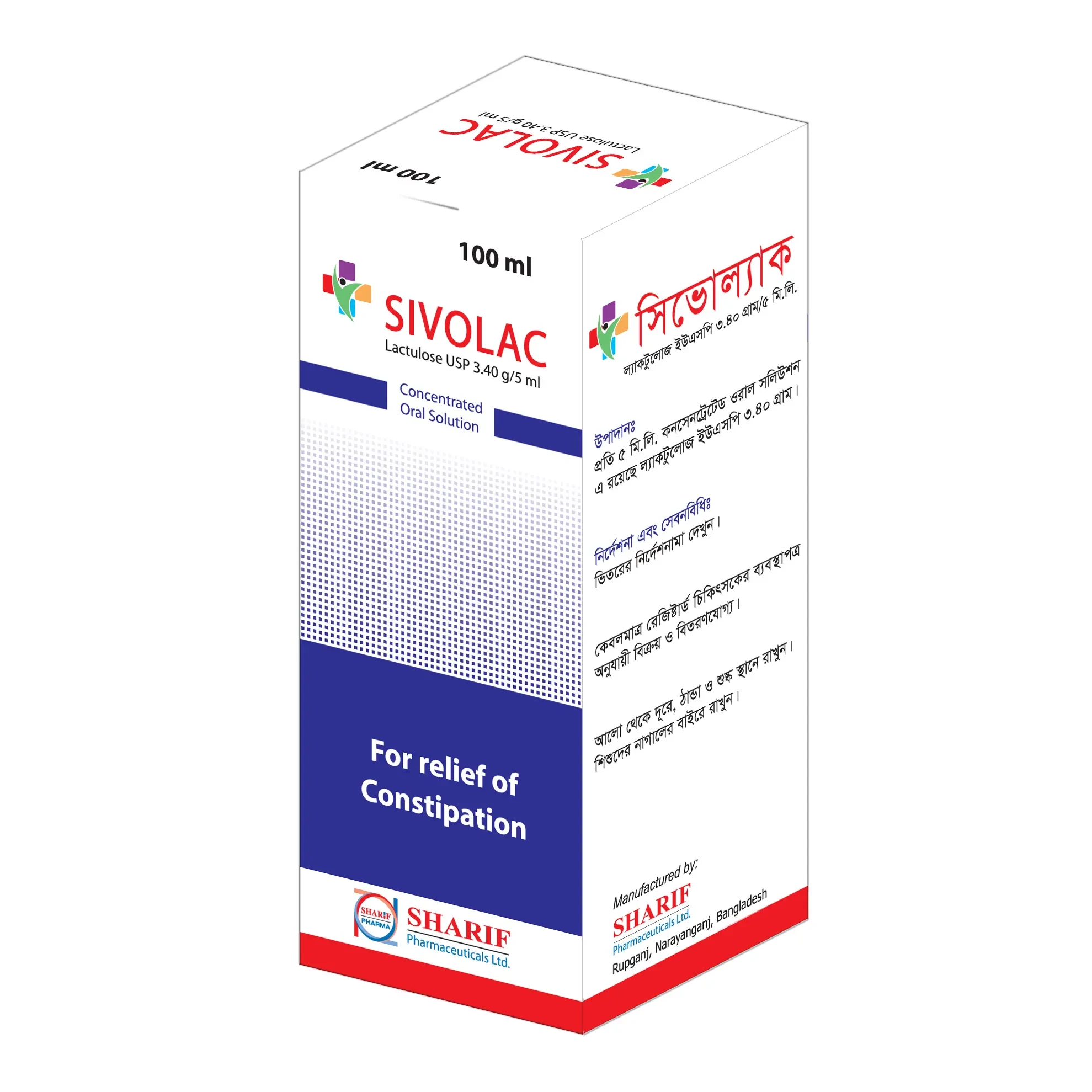
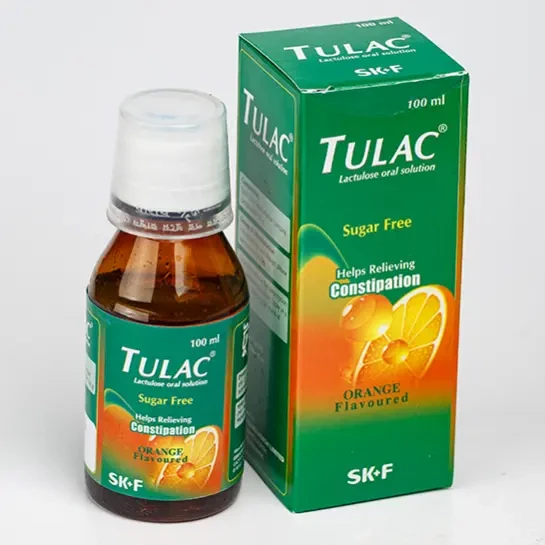
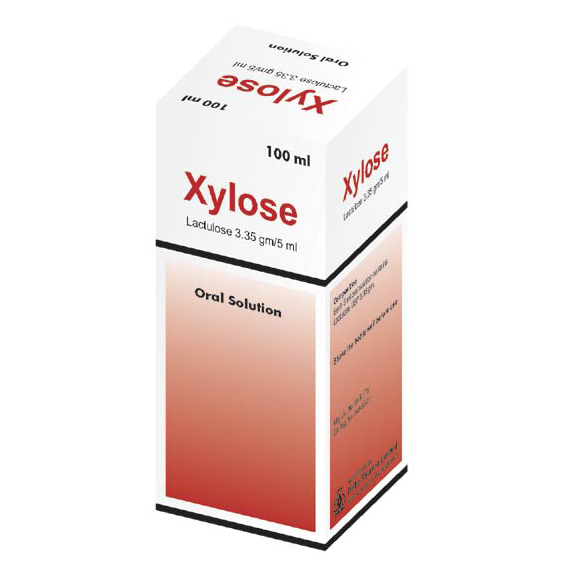
Generic Name Lactulose
Bangla Name ল্যাকটুলোজ
Available brands 101
Language

Introduction

Lactulose is a synthetic disaccharide used primarily as a laxative for chronic constipation and as an adjunct treatment for portal-systemic encephalopathy. For constipation, it is generally considered a secondary option after dietary and lifestyle modifications prove insufficient. While recognized globally as a safe and effective therapy, its exact efficacy in managing portal-systemic encephalopathy remains difficult to formally isolate in controlled clinical trials due to the ethical impossibility of withholding treatment from affected patients.

Uses

Lactulose is a disaccharide derivative of lactose used to treat constipation and portal systemic encephalopathy.

Lactulose is indicated for use as a laxative in the treatment of chronic constipation in adults and geriatric patients.

Additionally, lactulose is also employed as an adjunct to protein restriction and supportive therapy for the prevention and treatment of portal-systemic encephalopathy (PSE), including both the hepatic pre-coma and coma variations. In particular, lactulose solution has been effective at managing PSE resulting from surgical portacaval shunts or from chronic hepatic diseases like cirrhosis.

Moreover, there have also been studies demonstrating the capacity for lactulose to minimize the formation of gallstones and even some investigations regarding the experimental use of the agent in developing novel anticancer agents owing to its ability to bind galactin carbohydrates involved in various tumor progressions .

Associated Conditions

  • Constipation
  • Hepatic Encephalopathy (HE)

Pharmacodynamics

Lactulose formulations are most commonly administered via the oral route or the rectal route. Consequently, because the substance experiences minimal absorption by the gut it typically remains localized in the gastrointestinal tract environment and ultimately demonstrates almost all of its pharmacologic effects within the gut. In particular, as lactulose elicits its laxative effects in enhancing stool amounts and softening stool, such biochemical and physiologic activities can cause increased bowel sounds (borborygmi), a feeling of bloatedness, belching, frequent flatus, and diarrhea.

Mechanism of Action

Lactulose is a synthetic disaccharide derivative of lactose that consists of one molecule of galactose and one molecule of fructose. Saccharolytic bacteria present in the large intestine subsequently break the substance down into organic acids like lactic acid and small amounts of formic and acetic acids. Such resultant volatile fatty acid metabolites, in combination with hydrogen and methane that is also generated consequently enhance intraluminal gas formation, peristaltic gut motility, and elicit an osmotic effect that facilitates an increase in the water content of stool as well as associated stool softening. All of these actions ultimately assist in facilitating and increasing the frequency of bowel movements in patients experiencing constipation, although it may take 24 to 48 hours after using the medication for this laxative effect to become evident.

At the same time, the formation of such acids via the metabolism of lactulose by colonic bacteria also acidifies the contents of the colon, thereby contributing to the treatment of portal-systemic encephalopathy (PSE). As one of the principal features of PSE involves the accumulation of nitrogenous waste products like ammonia in the systemic circulation, a state in which the colonic contents become more acidic than blood allows ammonia in the circulation to diffuse into the colon.. Furthermore, ammonia that diffuses into the acidic colon is ionized to ammonium ions that are incapable of being absorbed back into the blood. These effects, combined with the laxative action of lactulose facilitates the excretion of excess ammonia. And finally, it is also believed that an acidic colonic environment results in the elimination of urease-producing bacteria that contribute to the formation of ammonia while surviving colonic bacteria use up any trapped ammonia in the colon as a source of nitrogen for protein synthesis.

Absorption

After administration by the oral route, less than 3% of the given dose of lactulose solution is absorbed by the small intestine. The remaining unabsorbed lactulose reaches the large intestine where it is metabolized - but even then, negligible quantities of unchanged lactulose or its metabolites are absorbed across the colon.

Volume of Distribution

Negligible amounts of lactulose - metabolized or non-metabolized - are absorbed into the body.. Most lactulose that is administered subsequently remains predominantly around the gastrointestinal tract area.

Protein Binding

Negligible amounts of lactulose - metabolized or non-metabolized - are absorbed into the body.. Regardless, data regarding the protein binding of lactulose is not readily available or accessible.

Route of Elimination

The renal excretion of any lactulose that manages to be absorbed into the circulation has been determined to be 3% or less and is generally complete within 24 hours. Any unabsorbed lactulose is largely excreted with stool.

Half Life

The data regarding the half-life of lactulose is not readily available or accessible.

Clearance

Negligible amounts of lactulose - metabolized or non-metabolized - are absorbed into the body.. Regardless, data regarding the clearance of lactulose is not readily available or accessible.

Toxicity

It has been documented that the oral LD50 of lactulose is 48.8 mL/kg in mice and more than 30 mL/ kg in rats.

It is expected that overdosage with lactulose would result in abdominal cramps and diarrhea, both of which should be treated with fluid and electrolyte replacement as required.

Considering the use of lactulose during pregnancy in humans has not been formally investigated, the agent should only be used during pregnancy only when clearly needed. Similarly, it is unknown whether lactulose is distributed into human breastmilk. Use of the medication in nursing women should subsequently be undertaken with caution.

Reproduction studies in rats, mice, and rabbits have not revealed any evidence of impaired fertility as a result of administering lactulose.

Data regarding the safety and efficacy of using lactulose in children for the treatment of chronic constipation or portal-systemic encephalopathy (PSE) is either very limited or yet to be established.

Information regarding the long-term mutagenic potential of lactulose solution in animals or humans and about the long-term carcinogenic potential in humans are not available.

Food Interactions

  • Drink plenty of fluids. This drug may cause fluid loss.
  • Take with or without food.

Dosage

In constipation ( chronic constipation):
  • Adults: Initially 3-6 tea-spoons daily, In long-term therapy 1½-6 tea-spoons daily
  • Children up to 14 years: Initially 3 tea-spoons daily, In long-term therapy 1-2 tea-spoons daily
  • Infants and toddlers: Initially 1-2 tea-spoons daily, In long-term therapy 1 tea-spoon daily
In damaged intestinal flora:
  • Adults: 1-2 tea-spoons daily
  • Children: 1 tea-spoon daily
For reduction of blood ammonia level:
  • Hyper-ammoniemia in hepatopathy: a maximum of 18-30 tea-spoons daily.
  • In portal systemic encephalopathy: hourly doses of 6-9 tea-spoons of Lactulose solution may be used to induce the rapid laxation. When the laxative effect has been achieved, the dose may then be reduced.
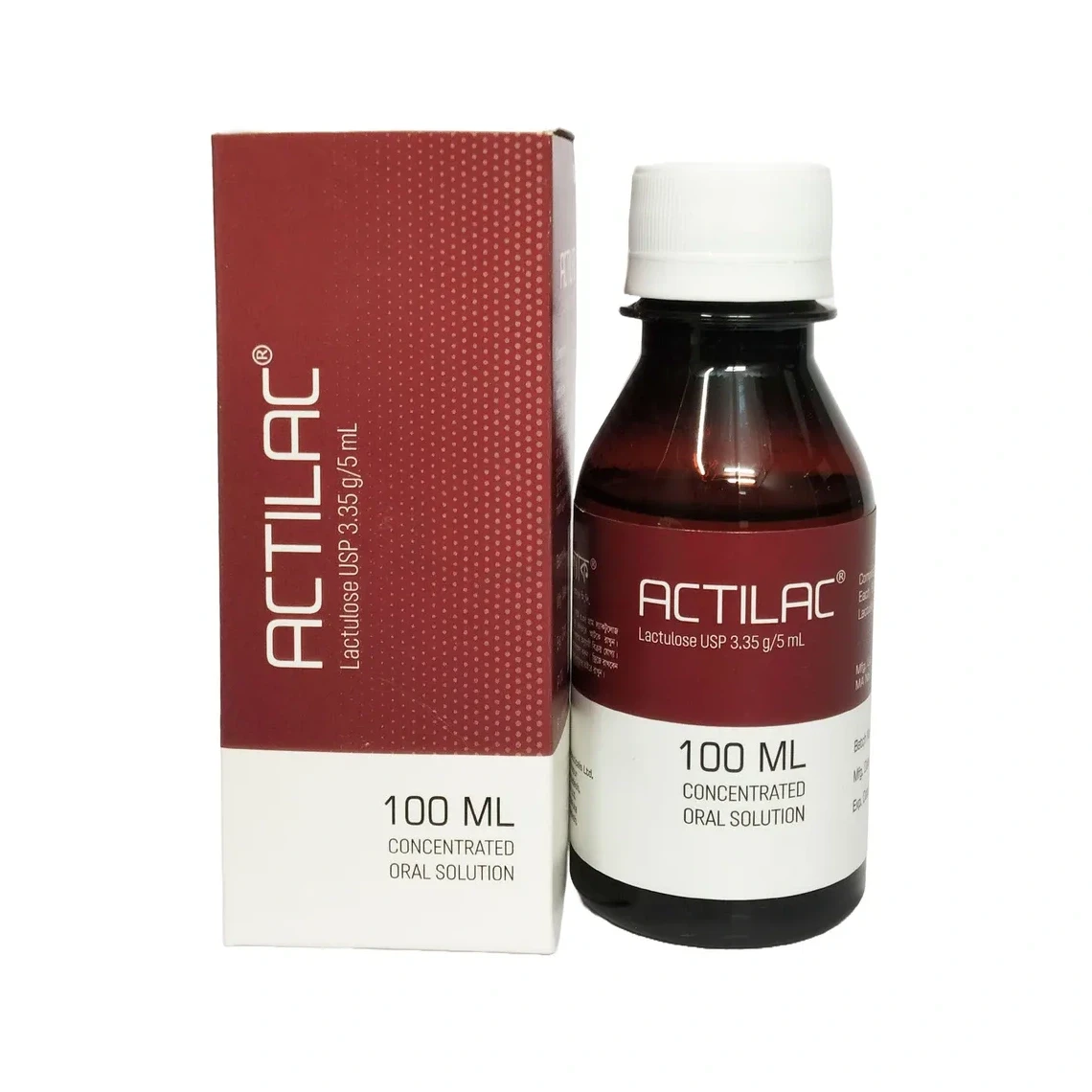
Frequently Asked Questions About Lactulose

1. What is lactulose?

Lactulose is a synthetic sugar used as a laxative to treat constipation and as a treatment for hepatic encephalopathy, a liver-related brain condition. It is not absorbed by the body but works in the colon.

2. How does lactulose work?

Lactulose draws water into the intestines, softening stool and promoting bowel movements. It also lowers ammonia levels in the blood by converting ammonia into a form that can be excreted.

3. What is lactulose used for?

It is primarily used to:

  • Treat chronic constipation
  • Manage hepatic encephalopathy
  • 4. Is lactulose a prescription drug?

    Yes, lactulose is typically available by prescription, though some formulations may be available over-the-counter in certain regions.

    5. Who can take lactulose?

    It is suitable for adults and children, including infants, under medical supervision, but it should be avoided by those with certain conditions like galactosemia.

    6. How is lactulose taken?

    It is taken orally as a liquid (syrup) or sometimes in powder form mixed with water or juice.

    7. What is the typical dosage for constipation?

    For adults, the usual starting dose is 15-30 mL (1-2 tablespoons) daily, adjusted based on response. Children’s doses vary by age and weight.

    8. What is the dosage for hepatic encephalopathy?

    For adults, it’s typically 30-45 mL taken 3-4 times daily, adjusted to produce 2-3 soft stools per day.

    9. How long does lactulose take to work for constipation?

    It usually takes 24-48 hours to produce a bowel movement.

    10. Can lactulose be taken daily?

    Yes, it can be taken daily for chronic constipation or hepatic encephalopathy as prescribed by a doctor.

    11. Does lactulose cause dependency?

    No, lactulose is not habit-forming and does not cause physical dependence like some stimulant laxatives.

    12. Can lactulose be taken with food?

    Yes, it can be taken with or without food, though mixing it with juice or water may improve taste.

    13. What does lactulose taste like?

    It has a sweet, syrupy taste that some find unpleasant. Mixing it with juice can help mask the flavor.

    14. Is lactulose safe during pregnancy?

    It is generally considered safe during pregnancy (Category B), but consult a doctor before use.

    15. Can breastfeeding mothers take lactulose?

    Yes, it is safe for breastfeeding mothers as it is not absorbed into the bloodstream or excreted in breast milk in significant amounts.

    16. What are the side effects of lactulose?

    Common side effects include:

  • Bloating
  • Gas
  • Abdominal cramps
  • Diarrhea (if overused)
  • 17. Can lactulose cause diarrhea?

    Yes, taking too much can lead to diarrhea. Dosage should be adjusted to avoid this.

    18. Does lactulose interact with other medications?

    It has minimal interactions since it isn’t absorbed, but it may reduce the effectiveness of oral medications taken at the same time by speeding their passage through the gut.

    19. Can lactulose be used for weight loss?

    No, lactulose is not intended or effective for weight loss.

    20. Is lactulose safe for diabetics?

    It contains small amounts of sugar, so diabetics should consult a doctor, though it rarely affects blood sugar significantly.

    21. What happens if I miss a dose?

    For constipation, take it when you remember. For hepatic encephalopathy, follow your doctor’s advice, but don’t double the dose.

    22. Can I overdose on lactulose?

    Overdose is unlikely but can cause severe diarrhea, dehydration, and electrolyte imbalances. Seek medical help if this occurs.

    23. How should lactulose be stored?

    Store it at room temperature, away from heat, moisture, and direct light. Do not freeze.

    24. Does lactulose expire?

    Yes, check the expiration date on the bottle. Expired lactulose may be less effective.

    25. Can children take lactulose?

    Yes, it’s safe for children when prescribed by a doctor, with doses adjusted for age and weight.

    26. Is lactulose a natural product?

    No, it is a synthetic disaccharide made from lactose (milk sugar).

    27. Can lactulose treat IBS?

    It may help with constipation in irritable bowel syndrome (IBS-C), but it’s not a cure for IBS itself.

    28. Why does lactulose reduce ammonia levels?

    It acidifies the colon, trapping ammonia as ammonium ions, which are then excreted in stool.

    29. Can lactulose cause gas?

    Yes, gas and bloating are common as bacteria in the colon ferment the lactulose.

    30. Is lactulose gluten-free?

    Yes, lactulose is naturally gluten-free.

    31. Can lactulose be used long-term?

    Yes, it can be used long-term under medical supervision, especially for chronic conditions like hepatic encephalopathy.

    32. What should I do if lactulose doesn’t work?

    Consult your doctor; they may adjust the dose or suggest an alternative treatment.

    33. Can lactulose be given to elderly patients?

    Yes, it’s commonly used in the elderly for constipation, but monitor for dehydration or electrolyte issues.

    34. Does lactulose need refrigeration?

    No, it should be stored at room temperature, not refrigerated.

    35. Can lactulose treat hemorrhoids?

    It doesn’t treat hemorrhoids directly but can prevent straining by softening stools, which may help.

    36. Is lactulose the same as lactose?

    No, lactulose is derived from lactose but is a different compound with laxative properties.

    37. Can lactulose cause dehydration?

    Excessive use leading to diarrhea can cause dehydration, so proper dosing is key.

    38. What if I’m allergic to lactulose?

    Allergic reactions are rare, but if you experience rash, swelling, or difficulty breathing, stop use and seek medical help.

    39. Can lactulose be mixed with alcohol?

    It’s not recommended to mix lactulose with alcoholic beverages, though moderate alcohol use doesn’t typically interact with it.

    40. Does lactulose help with liver disease?

    Yes, it’s used to manage hepatic encephalopathy, a complication of liver disease, by reducing ammonia levels.

    41. Can lactulose be taken at bedtime?

    Yes, it can be taken at bedtime for constipation, though timing may vary for hepatic encephalopathy treatment.

    42. Is lactulose available in tablet form?

    No, it’s typically available as a syrup or powder, not tablets.

    43. Can lactulose cause stomach pain?

    Yes, cramping or discomfort can occur, especially if the dose is too high.

    44. Does lactulose affect gut bacteria?

    Yes, it acts as a prebiotic, feeding beneficial gut bacteria, which helps produce its laxative effect.

    45. Can lactulose be used after surgery?

    Yes, it’s often used post-surgery to prevent constipation, but only under medical guidance.

    46. Is lactulose safe for people with kidney disease?

    Generally yes, but consult a doctor, especially if electrolyte imbalances are a concern.

    47. Can lactulose turn stools green?

    No, it doesn’t typically change stool color; green stools may have another cause.

    48. What’s the difference between lactulose and other laxatives?

    Unlike stimulant laxatives (e.g., senna), lactulose is an osmotic laxative, drawing water into the bowel rather than stimulating muscle contractions.

    49. Can lactulose be used for detox?

    It’s not a detox agent but helps remove ammonia in liver conditions, which might be considered a form of toxin clearance.

    Medical review

    Last reviewed: 24 Jul 2026

    Medically reviewed by:

    This is general information, not personal medical advice. Consult a doctor before taking any medicine.

    Taking medicines without doctor's advice can cause long-term problems.
    Brand medicines containing Lactulose