Introduction
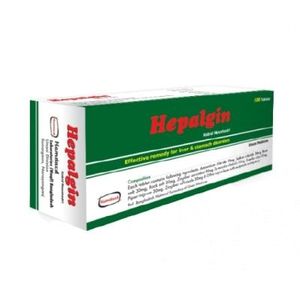
Kabid Nawshadri is a traditional herbal formulation used in various systems of medicine, particularly in Ayurvedic practice. It is made from a blend of herbs and is used for its therapeutic benefits.
Uses
Kabid Nawshadri is commonly used for:
- Supporting liver function and detoxification
- Treating digestive disorders and promoting digestion
- Enhancing overall metabolic health
- Managing symptoms related to chronic liver conditions
Mechanism of Action
The mechanism of action of Kabid Nawshadri involves:
- Promoting liver health by supporting detoxification processes
- Enhancing digestive enzyme activity to improve digestion
- Providing antioxidant support to protect liver cells from oxidative stress
How Long Does It Take to Work?
The time required to observe the benefits of Kabid Nawshadri can vary. Typically, users may start to see improvements in digestive health and liver function within a few weeks of consistent use.
Absorption
Kabid Nawshadri, being an herbal formulation, is generally absorbed through the gastrointestinal tract after oral administration.
Route of Elimination
The components of Kabid Nawshadri are primarily eliminated through:
- Metabolism in the liver
- Excretion via urine and feces
Dosage
Dosage recommendations for Kabid Nawshadri vary based on the formulation and specific health needs. General guidelines include:
- Standard Dosage: Typically 1-2 tablets or capsules twice daily
- Liquid Form: 10-20 ml taken 2-3 times daily
Administration
Kabid Nawshadri is commonly administered orally. The specific form (tablet, capsule, or liquid) should be taken as directed by the product label or healthcare provider.
Side Effects
Possible side effects may include:
- Mild gastrointestinal discomfort
- Allergic reactions in sensitive individuals
- Headache or dizziness
Toxicity
Toxicity is rare when used as directed. However, excessive use or hypersensitivity may lead to:
- Severe allergic reactions
- Gastrointestinal distress
Precautions
- Consult a healthcare provider before use, especially if you have liver disease or digestive disorders. - Use with caution in individuals with known allergies to any of the herbal components.
Interaction
Kabid Nawshadri may interact with:
- Other medications affecting liver function
- Herbal supplements with similar effects
Disease Interaction
Use with caution in individuals with:
- Liver disease or liver dysfunction
- Digestive tract disorders
Drug Interaction
Potential drug interactions include:
- Medications metabolized by the liver
- Drugs that affect liver enzyme activity
Food Interactions
There are no specific food interactions reported. However, maintaining a balanced diet supports overall health and enhances the effectiveness of the herbal treatment.
Pregnancy Use
Consult a healthcare provider before using Kabid Nawshadri during pregnancy to ensure safety for both the mother and the developing fetus.
Lactation Use
Consult a healthcare provider before using Kabid Nawshadri during lactation to ensure it is safe for breastfeeding mothers and infants.
Acute Overdose
In the case of an acute overdose, symptoms may include severe gastrointestinal distress or allergic reactions. Seek immediate medical attention if an overdose is suspected.
Contraindication
Kabid Nawshadri should be avoided in:
- Individuals with severe liver disease without medical supervision
- Those with known hypersensitivity to any of the herbal ingredients
Use Direction
Follow the dosage and administration instructions provided on the product label or by a healthcare provider. Do not exceed the recommended dosage.
Storage Conditions
Store in a cool, dry place away from direct sunlight. Keep the product tightly sealed and out of reach of children.
Volume of Distribution
The volume of distribution for the herbal components of Kabid Nawshadri is not specifically detailed, but it generally reflects how the herbal components distribute throughout the body after absorption.
Half Life
The half-life of the herbal components in Kabid Nawshadri is not specifically detailed, but it generally refers to the time it takes for the concentration of the herbal components to reduce by half in the body.
Clearance
The clearance of the herbal components involves:
- Metabolism primarily in the liver
- Excretion through urine and feces