Introduction
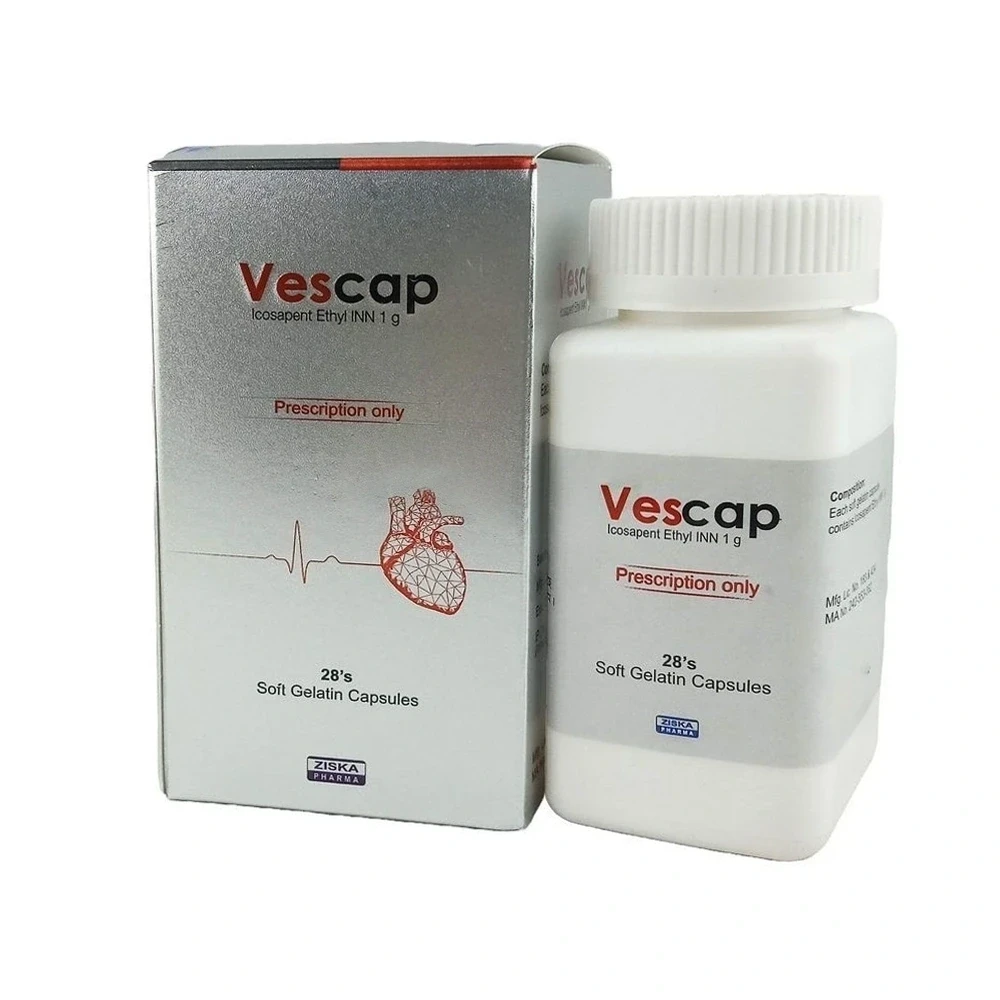
Icosapent ethyl or ethyl eicosapentaenoic acid is a synthetic derivative of the omega-3 fatty acid eicosapentaenoic acid (EPA). It is used as adjunct therapy for severe hypertriglyceridemia (TG levels > 500 mg/dL). FDA approved on July 26, 2012.
Uses
Icosapent ethyl is an ethyl ester of eicosapentaenoic acid (EPA) that reduces synthesis and enhances clearance of triglycerides that is used to treat patients with severe hypertriglyceridemia.
Icosapent ethyl is used as adjunct therapy to reduce triglyceride (TG) levels in adults with severe (>500 mg/dL) hypertriglyceridemia.
Associated Conditions
Mechanism of Action
Studies suggest that EPA reduces hepatic very low-density lipoprotein triglycerides (VLDL-TG) synthesis and/or secretion and enhances TG clearance from circulating VLDL particles. Potential mechanisms of action include increased β-oxidation; inhibition of acyl-CoA:1,2-diacylglycerol acyltransferase (DGAT); decreased lipogenesis in the liver; and increased plasma lipoprotein lipase activity.
Absorption
Icosapent ethyl is de-esterfied, converted into active EPA, and then absorbed in the small intestine. It reaches peak plasma concentration in 5 hours post-oral administration. Very little (<1%) is left circulating in the plasma as EPA incorporates into phospholipids, TG's, and cholesteryl esters.
Volume of Distribution
Steady state volume of distribution of active EPA is 88 L
Route of Elimination
Icosapent ethyl is not renally excreted
Half Life
The half life of EPA is 89 hours.
Clearance
Total plasma clearance, EPA = 684 mL/hr
Toxicity
Icosapent ethyl is generally well tolerated and adverse effects are unrelated to treatment.
Food Interactions
- Take with food.
Dosage
Patients should engage in appropriate nutritional intake and physical activity before receiving Icosapent Ethyl, which should continue during treatment.
The daily dose of Icosapent Ethyl is 4 grams per day taken as either-
- Four 0.5 gram capsules twice daily with food or
- Two 1 gram capsules twice daily with food.
Pediatric Use: Safety and effectiveness in pediatric patients have not been established.
Geriatric Use: Of the total number of patients in well-controlled clinical studies of Icosapent Ethyl, 45% were 65 years of age and over. No overall differences in safety or effectiveness were observed between these patients and younger groups. Other reported clinical experience has not identified differences in responses between the elderly and younger patients.
Hepatic Impairment: In patients with hepatic impairment, alanine aminotransferase (ALT) and aspartate aminotransferase (AST) levels should be monitored periodically during therapy with Icosapent Ethyl.