Introduction
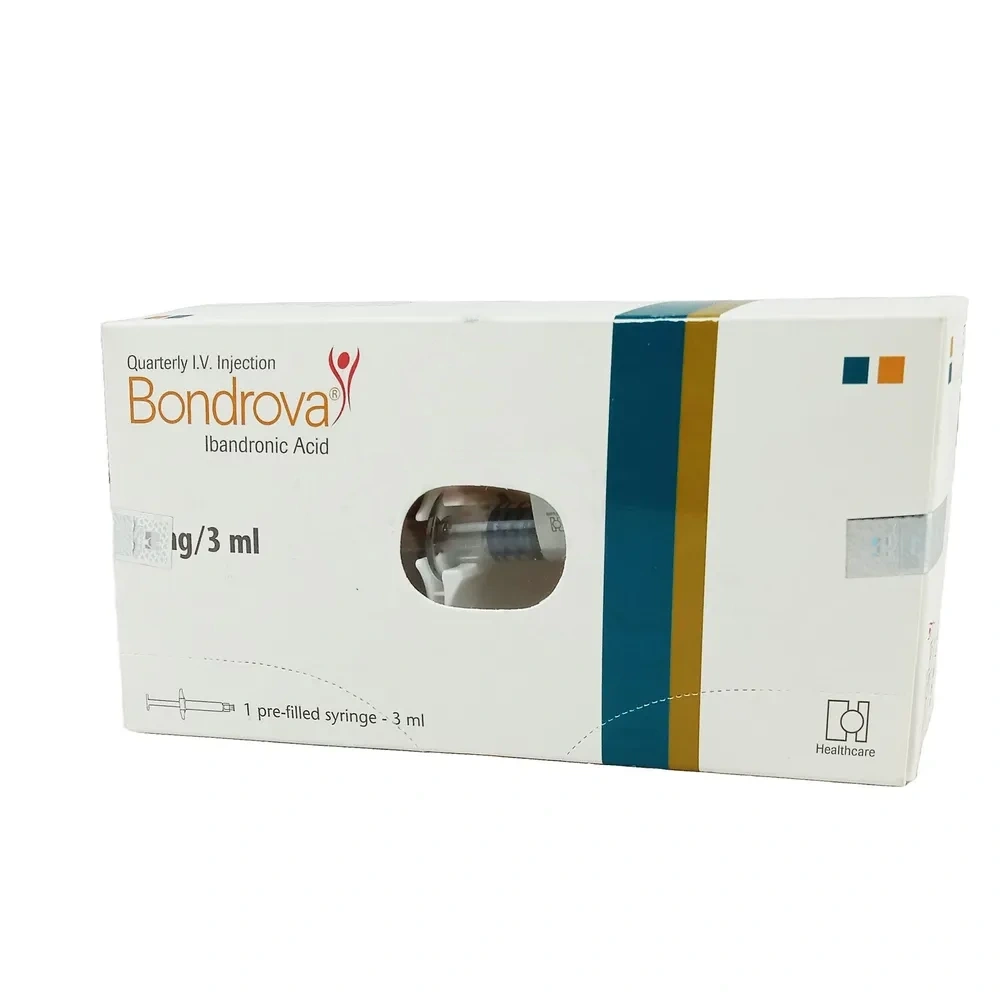
Ibandronate is a third generation, nitrogen containing bisphosphonate similar to zoledronic acid, minodronic acid, and risedronic acid. It is used to prevent and treat postmenopausal osteoporosis. Ibandronate was first described in the literature in 1993 as a treatment for bone loss in dogs.
Uses
Ibandronate is a bisphosphonate used to treat osteoporosis in postmenopausal women.
For the treatment and prevention of osteoporosis in postmenopausal women.
Associated Conditions
Pharmacodynamics
Ibandronate is a nitrogen containing bisphosphonate used to treat and prevent osteoporosis in postmenopausal women. The therapeutic index is wide as overdoses are not especially toxic, and the duration of action is long as the half life can be up to 157 hours. Patients should be counselled regarding the risk of upper GI adverse reactions, hypocalcemia, musculoskeletal pain, osteonecrosis of the jaw, atypical fractures of the femur, and severe renal impairment.
Mechanism of Action
Bisphosphonates are taken into the bone where they bind to hydroxyapatite. Bone resorption by osteoclasts causes local acidification, releasing the bisphosphonate, which is taken into the osteoclast by fluid-phase endocytosis. Endocytic vesicles become acidified, releasing bisphosphonates into the cytosol of osteoclasts where they act.
Osteoclasts mediate resorption of bone. When osteoclasts bind to bone they form podosomes, ring structures of F-actin. Disruption of the podosomes causes osteoclasts to detach from bones, preventing bone resorption.
Nitrogen containing bisphosphonates such as ibandronate are known to induce apoptosis of hematopoietic tumor cells by inhibiting the components of the mevalonate pathway farnesyl diphosphate synthase, farnesyl diphosphate, and geranylgeranyl diphosphate. These components are essential for post-translational prenylation of GTP-binding proteins like Rap1. The lack of prenylation of these proteins interferes with their function, and in the case of Rap1, leads to apoptosis. ibandronate also activated caspase-3 which contribute to apoptosis.
Absorption
Oral ibandronate is 0.63% bioavailable. In a study of healthy males, a 10mg oral dose had a Tmax of 1.1±0.6h and a Cmax of 4.1±2.6ng/mL. The Tmax is approximately 1 hour, while Cmax varies depending on dose.
A 2mg intravenous dose of ibandronate has an AUC of 316ng*h/mL, a 4mg intravenous dose of ibandronate has an AUC of 581ng*h/mL, and a 6mg intravenous dose of ibandronate has an AUC of 908ng*h/mL.
Volume of Distribution
The apparent terminal volume of distribution of ibandronate is 90-368L in headlthy subjects and 103L in postmenopausal women with osteopenia.
Protein Binding
Ibandronate's protein binding in serum varies from 85.7-99.5% over a concentration of 0.5-10ng/mL, but is generally 86% across a concentration range of 20-2000ng/mL.
Route of Elimination
Ibandronate is predominantly eliminated in the urine and the unabsorbed drug is eliminated unchanged in the feces.
Half Life
The half life of ibandronate in postmenopausal women ranges from 37-157 hours.
Clearance
The total clearance of ibandronate is 84-160mL/min.
Toxicity
Patients experiencing an overdose may present with hypocalcemia, hypophosphatemia, upset stomach, dyspepsia, esophagitis, and uclers. Oral overdose can be managed by giving patients milk or antacids to bind excess unabsorbed ibandronate. Overdoses can be managed by providing intravenous electrolytes and dialysis is not expected to remove excess drug from serum.
Food Interactions
- Take on an empty stomach.
- Take with a full glass of water. Do not take this medication with other liquids.
Dosage
- Tablets should be swallowed whole with a full glass of plain water (180 to 240 ml) while the patient is sitting or standing in an upright position. Patients should not lie down for 60 minutes after taking Ibandronic acid.
- Plain water is the only drink that should be taken with Ibandronic acid. Please note that some mineral waters may have a higher concentration of calcium and therefore should not be used.
- Patients should not chew or suck the tablet because of a potential for oropharyngeal ulceration. Patients should receive supplemental calcium or vitamin D if dietary intake is inadequate. In case a once-monthly dose is missed, patients should be instructed to take one Ibandronic Acid 150 mg tablet the morning after the tablet is remembered unless the time to the next scheduled dose is within 7 days. Patients should then return to taking their dose once a month on their originally scheduled date. If the next scheduled dose is within 7 days, patients should wait until their next dose and then continue taking one tablet once a month as originally scheduled. Patients should not take two 150 mg tablets within the same week.