Introduction
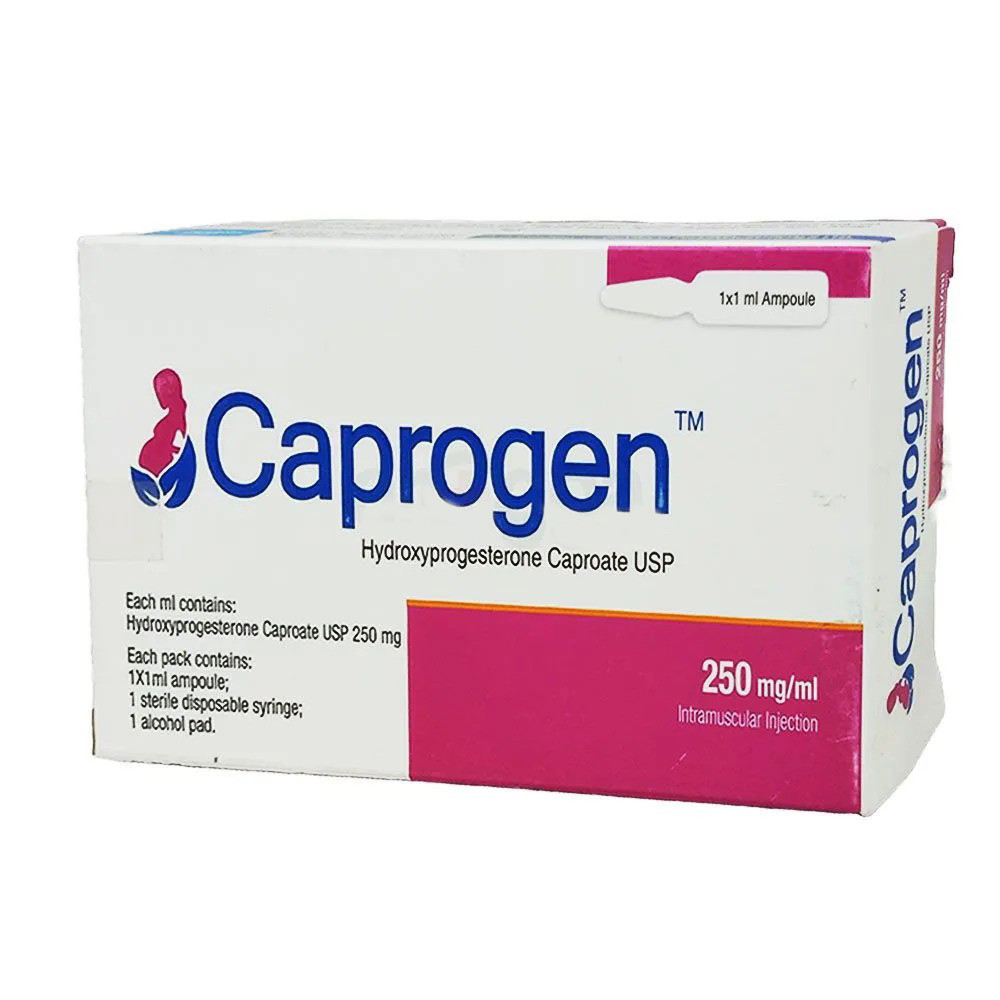
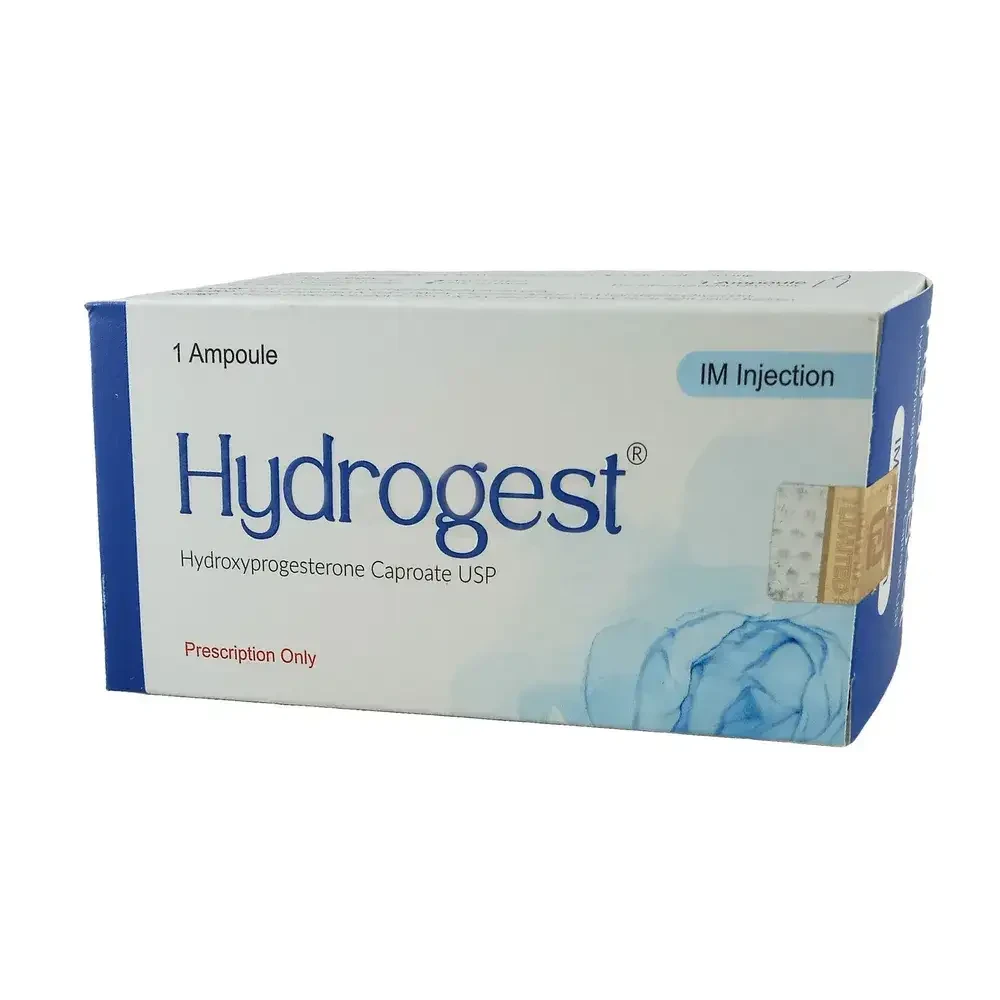
Hydroxyprogesterone caproate is a synthetic steroid hormone that is similar to medroxyprogesterone acetate and megestrol acetate. It is an ester derivative of 17α-hydroxyprogesterone formed from caproic acid (hexanoic acid).
Uses
Hydroxyprogesterone caproate is a synthetic progestin used for the prevention of spontaneous preterm births in singleton pregnancies in women who have previously had a spontaneous preterm birth.
Hydroxyprogesterone caproate is indicated for the prevention of spontaneous preterm births in singleton pregnancies in women who have previously had a spontaneous preterm birth. (1)
Associated Conditions
Pharmacodynamics
No specific pharmacodynamic studies have been performed to assess hydroxyprogesterone caproate injections. (4) However, the mechanism of action is likely related to increased interaction between progesterone and progesterone receptors. (5)
Mechanism of Action
The mechanism by which progesterone prevents preterm birth is not well understood, but many pathways are likely involved. (1) Progesterone plays a vital role in regulation of the female reproductive system and is important for successful implantation of the embryo and maintenance of pregnancy. It acts by binding to progesterone receptors in the uterus, ovaries, breasts and in the central nervous system. These receptors exist in 2 isoforms, PR-A and PR-B. Progesterone binding to these receptors ultimately leads to regulation of gene transcription. (2) This results in an anti-inflammatory effect which blunts the proinflammatory state that occurs with initiation of labor, and maintains uterine queiscence by stabilizing progesterone acting on the myometrium. (2)
Absorption
Absorption of 17-hydroxyprogesteron caproate is slow, occurring over a long period of time. (3)
Volume of Distribution
Hydroxyprogesterone caproate has a high volume of distribution. (3)
Protein Binding
Hydroxyprogesterone caproate is extensively protein bound in the plasma. (3)
Route of Elimination
Following intramuscular injection, approximately 50% of hydroxyprogesterone caproate metabolites are eliminated in the feces, while approximately 30% of metabolites are eliminated in the urine. (3)
Half Life
Half-life = 16 days (±6 days). (3)
Clearance
Clearance is highly variable from patient to patient. (3)
Toxicity
Injection site pain is the most common adverse effect associated with hydroxyprogesterone caproate. Other commonly reported adverse effects include: injection site swelling, urticaria, pruritus, injection site pruritus, nausea, injection site nodule, and diarrhea. (4)
Food Interactions
No interactions found.
Dosage
Administration-
- Clean the ampoule top with an alcohol swab before use.
- Draw up 1 ml of drug into a 2 ml syringe.
- After preparing the skin, inject in the upper outer quadrant of the gluteus maximus. The solution is viscous and oily. Slow injection (over one minute or longer) is recommended.
- Applying pressure to the injection site may minimize bruising and swelling.