Introduction
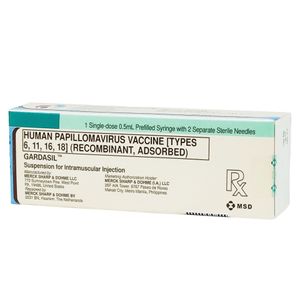
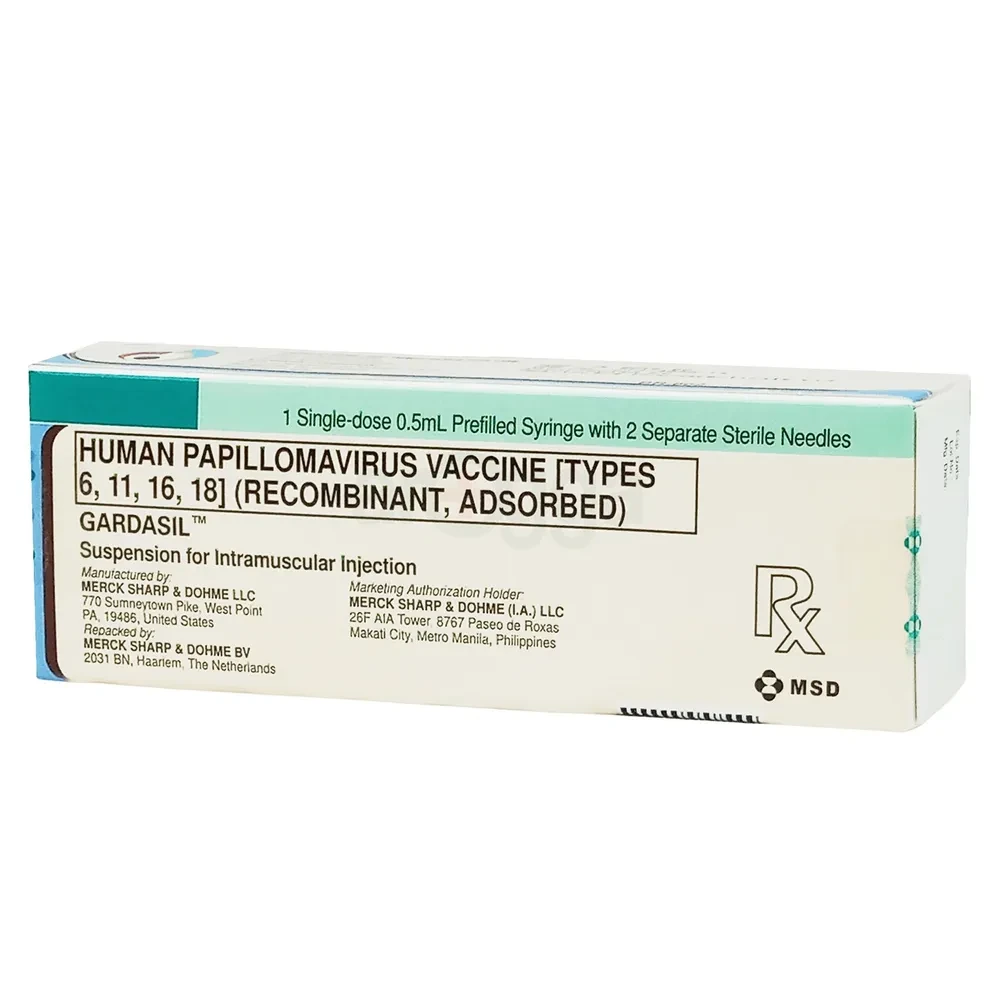
The Human Papillomavirus Quadrivalent Vaccine is a vaccine designed to protect against four types of human papillomavirus (HPV): types 6, 11, 16, and 18. HPV types 16 and 18 are high-risk types that can cause cervical, anal, and other genital cancers, while types 6 and 11 are associated with genital warts. This vaccine is part of a broader effort to reduce the incidence of HPV-related diseases.
Uses
The HPV Quadrivalent Vaccine is used to:
- Prevent infections with HPV types 6, 11, 16, and 18.
- Reduce the risk of cervical cancer, vulvar cancer, vaginal cancer, anal cancer, and oropharyngeal cancers associated with HPV.
- Prevent genital warts caused by HPV types 6 and 11.
- Reduce the risk of precancerous lesions and genital warts in both males and females.
Mechanism of Action
The vaccine works by inducing an immune response against HPV. It contains recombinant proteins from the HPV types included in the vaccine. These proteins form virus-like particles that mimic the HPV virus but do not cause infection. When administered, the vaccine stimulates the immune system to produce antibodies against these HPV types, providing protection if exposed to the actual virus.
How Long Does It Take to Work?
It typically takes a few weeks to a few months for the body to develop a protective immune response after vaccination. Full protection is generally achieved after completing the full vaccination series, which is usually administered over a span of several months.
Absorption
The HPV Quadrivalent Vaccine is administered intramuscularly. The vaccine components are absorbed into the body through muscle tissue and subsequently stimulate an immune response. The vaccine does not have systemic absorption in the same way that oral medications do.
Route of Elimination
The vaccine components do not have a specific route of elimination as they are designed to stay in the body long enough to stimulate an immune response. The vaccine’s effects are mainly due to the immune system's response rather than the elimination of the vaccine itself.
Dosage
9 through 14 years:- 2-dose: 0, 6 to 12 months. If the second dose is administered earlier than 5 months after the first dose, a dminister a third dose at least 4 months after the second dose.
- 3-dose: 0, 2, 6 months.
- 3-dose: 0, 2, 6 months.
The standard dosage schedule for the HPV Quadrivalent Vaccine is:
- For individuals aged 9-14 years: Three doses are administered, with the second dose given 1-2 months after the first dose, and the third dose administered 6 months after the first dose.
- For individuals aged 15-26 years: Three doses are administered, with the second dose given 1-2 months after the first dose, and the third dose administered 6 months after the first dose. The schedule is similar for older age groups.
Administration
The vaccine is administered as an intramuscular injection, typically in the deltoid muscle of the upper arm. The vaccine series involves three doses given over a specified schedule to ensure adequate immune protection.
Side Effects
Common side effects include:
- Pain, redness, or swelling at the injection site.
- Fever.
- Headache.
- Fatigue.
- Nausea.
Toxicity
The HPV Quadrivalent Vaccine has a very low risk of toxicity. The most common reactions are mild and related to the injection site or general discomfort. Serious adverse events are rare but should be reported to a healthcare provider.
Precautions
Precautions include:
- Individuals with severe allergic reactions to any component of the vaccine should not receive it.
- Those with moderate to severe acute illness should wait until they have recovered before getting vaccinated.
- Consultation with a healthcare provider is recommended if the individual has a history of immunocompromised conditions.
Interaction
The HPV Quadrivalent Vaccine can be administered alongside other vaccines. However, it is recommended to avoid simultaneous injection at the same site as other vaccines. There are no significant interactions with other medications reported.
Disease Interaction
Individuals with certain conditions may need special consideration:
- Those with autoimmune disorders or immunocompromised conditions should consult with a healthcare provider.
- Individuals with a history of allergic reactions to vaccine components should be carefully evaluated before administration.
Drug Interaction
No specific drug interactions are known for the HPV Quadrivalent Vaccine. It is generally safe to receive the vaccine while on other medications. However, consult a healthcare provider for personalized advice.
Food Interactions
There are no known food interactions with the HPV Quadrivalent Vaccine. Normal dietary habits can be maintained before and after vaccination.
Pregnancy Use
The vaccine is not recommended during pregnancy due to limited data on its safety in pregnant individuals. It is generally advised to postpone vaccination until after delivery. Consult with a healthcare provider for guidance.
Lactation Use
The HPV Quadrivalent Vaccine is considered safe to use during lactation. It is not known to affect breastfeeding or the infant. However, consult a healthcare provider for personalized advice.
Acute Overdose
There is no risk of overdose with the HPV Quadrivalent Vaccine as it is administered in controlled doses according to the vaccination schedule. Excessive doses are not typically a concern.
Contraindication
Contraindications include:
- Severe allergic reactions to any component of the vaccine.
- Pregnancy (preferably delay vaccination until after delivery).
Use Direction
Follow the vaccination schedule as recommended by healthcare providers. Ensure that the vaccine is administered in the deltoid muscle of the upper arm, and complete the full series of doses to ensure maximum efficacy.
Storage Conditions
The HPV Quadrivalent Vaccine should be stored in a refrigerator at 2°C to 8°C (36°F to 46°F). Do not freeze. Keep out of direct light and away from children.
Volume of Distribution
The concept of volume of distribution is not directly applicable to vaccines as they are not systemically distributed in the traditional sense. The vaccine components remain localized in the muscle and stimulate an immune response.
Half Life
The half-life of the vaccine components is not specifically applicable as the vaccine's effectiveness is related to the immune response rather than the pharmacokinetics of the components themselves.
Clearance
The vaccine's effects are primarily related to its ability to stimulate an immune response, rather than the clearance of the vaccine components from the body. The immune response typically persists even after the vaccine components are no longer detectable.