Introduction
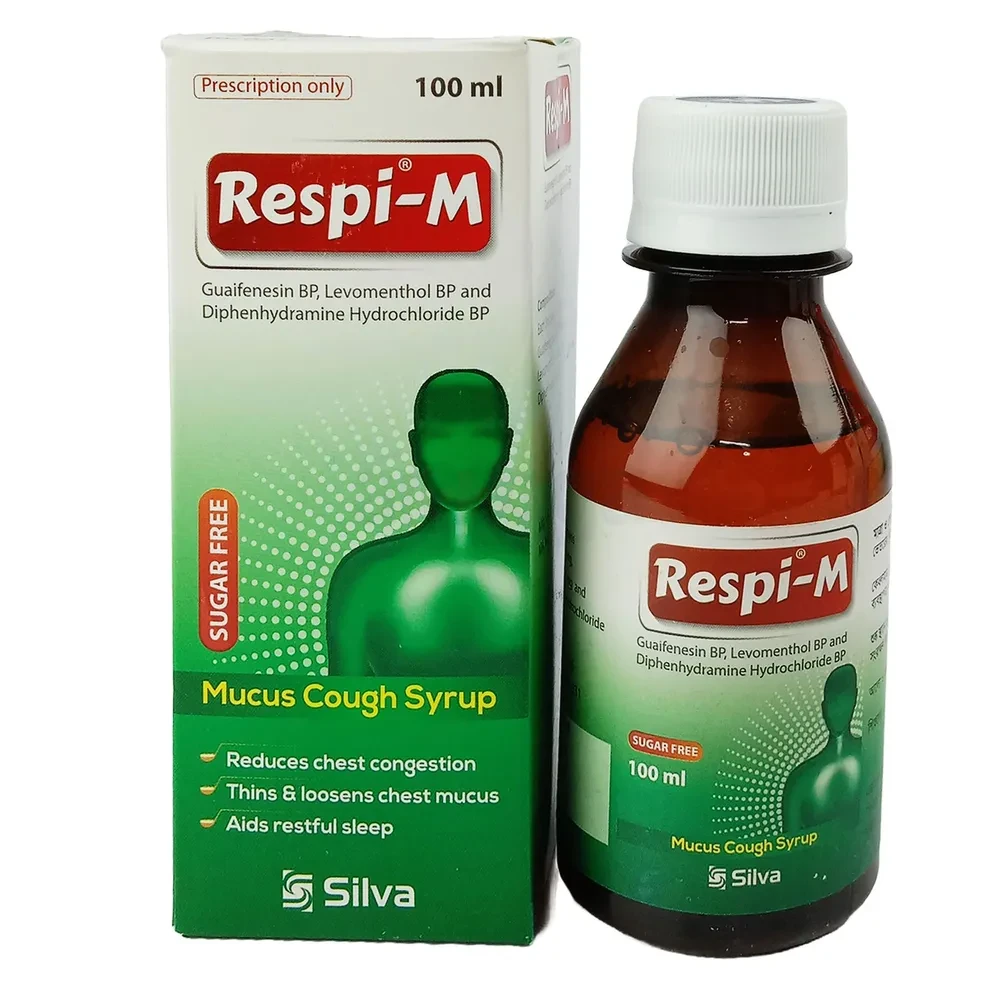
Guaifenesin + Levomenthol + Diphenhydramine is a combination medication commonly used to relieve symptoms associated with coughs and colds. This combination includes a mucolytic (guaifenesin), a menthol (levomenthol), and an antihistamine (diphenhydramine). It helps in managing cough, congestion, and other cold symptoms by addressing different aspects of respiratory discomfort.
Uses
This combination medication is used to:
- Relieve Cough: Guaifenesin helps loosen mucus in the airways, making it easier to cough up.
- Reduce Nasal Congestion: Levomenthol provides a cooling effect, which can help reduce nasal congestion.
- Alleviate Allergic Symptoms: Diphenhydramine, an antihistamine, helps reduce sneezing, runny nose, and itching.
Mechanism of Action
The individual components of this combination work through different mechanisms:
- Guaifenesin: Acts as an expectorant by increasing the volume and reducing the viscosity of secretions in the airways, facilitating easier clearance.
- Levomenthol: Provides a local cooling sensation and can help relieve nasal congestion by stimulating sensory receptors in the nasal passages.
- Diphenhydramine: Blocks histamine H1 receptors to reduce allergic symptoms such as itching, sneezing, and runny nose.
How Long Does It Take to Work?
Relief of symptoms may begin within 30 minutes to 1 hour after administration. The onset of action can vary depending on the individual’s response and the specific symptoms being treated. Full symptom relief may take several doses over a period of time, typically aligning with the product's dosing schedule.
Absorption
After oral administration, guaifenesin, levomenthol, and diphenhydramine are absorbed from the gastrointestinal tract. The onset of action for each component may vary, but they generally start to work within an hour of ingestion.
Route of Elimination
Guaifenesin is primarily excreted in the urine. Levomenthol is metabolized in the liver and also excreted through the urine. Diphenhydramine is metabolized in the liver and excreted in the urine. The rate of elimination can be affected by liver and kidney function.
Dosage
For adults and children over 12 years: 2 teaspoonfuls syrup 4 times a day or as directed by the physicians. Do not take more than 8 teaspoonful syrup in 24 hours.Use in Children & Adolescents: The efficacy and safety of Guaifenesin have not been established in pediatric patients and adolescents.
The dosage of Guaifenesin + Levomenthol + Diphenhydramine can vary based on the specific product formulation and the patient’s age. Common dosages might include:
- Adults and children over 12 years: Typically, 10-20 mL of liquid every 4-6 hours, not exceeding 4 doses per day.
- Children (6-12 years): Typically, 5-10 mL of liquid every 4-6 hours, not exceeding 4 doses per day.
Administration
This combination medication is usually administered orally in the form of a liquid or tablet. It should be taken with a full glass of water to aid in the dissolution and absorption of the medication. Follow the dosing instructions on the label or provided by a healthcare provider.
Side Effects
Possible side effects may include:
- Drowsiness
- Dizziness
- Nausea or vomiting
- Dry mouth or throat
- Headache
Toxicity
Excessive doses of diphenhydramine can lead to symptoms of overdose, such as severe drowsiness, confusion, hallucinations, or seizures. Guaifenesin overdose might result in gastrointestinal upset. Seek medical attention immediately if overdose symptoms occur.
Precautions
Precautions include:
- Avoid driving or operating heavy machinery due to the sedative effects of diphenhydramine.
- Use with caution in individuals with liver or kidney impairments.
- Consult a healthcare provider if pregnant, breastfeeding, or if there are preexisting medical conditions.
Interaction
Potential interactions include:
- Other sedatives or alcohol: May enhance the sedative effects of diphenhydramine.
- Medications that affect liver enzymes: May alter the metabolism of diphenhydramine.
Disease Interaction
Use with caution in individuals with:
- Liver or kidney disease
- Respiratory conditions (e.g., asthma or chronic bronchitis)
Drug Interaction
Interactions may occur with:
- Antidepressants and anti-anxiety medications: May enhance sedative effects.
- Other anticholinergic drugs: May increase the risk of anticholinergic side effects.
Food Interactions
There are no significant food interactions with this combination. However, taking the medication with food may reduce gastrointestinal upset. Follow any specific dietary recommendations provided with the medication.
Pregnancy Use
Consult a healthcare provider before using this medication during pregnancy. The safety of this combination during pregnancy has not been well established, and it should be used only if the benefits outweigh the risks.
Lactation Use
Diphenhydramine is excreted in breast milk and may affect a nursing infant. It is generally recommended to avoid using this medication while breastfeeding, or to discuss alternative treatments with a healthcare provider.
Acute Overdose
Symptoms of overdose may include extreme drowsiness, confusion, hallucinations, or seizures. Seek immediate medical attention if overdose is suspected. Treatment typically involves supportive care and symptomatic management.
Contraindication
Contraindications include:
- Hypersensitivity to any of the components (guaifenesin, levomenthol, or diphenhydramine).
- Severe liver or kidney impairment.
Use Direction
Use as directed by a healthcare provider or according to the product label. Adhere to the recommended dosage and frequency. Do not exceed the recommended dose to avoid potential side effects and interactions.
Storage Conditions
Store in a cool, dry place at room temperature, away from moisture and direct light. Keep out of reach of children. Follow any additional storage instructions provided with the medication.
Volume of Distribution
The volume of distribution for each component varies: Guaifenesin has a volume of distribution around 0.5 L/kg, while diphenhydramine is distributed throughout the body tissues with a larger volume of distribution. Levomenthol is also widely distributed within body tissues.
Half Life
The half-life of the components is:
- Guaifenesin: Approximately 1 hour.
- Diphenhydramine: Approximately 4-8 hours.
- Levomenthol: Approximately 1-2 hours.
Clearance
Clearance rates vary for each component:
- Guaifenesin: Primarily renal clearance.
- Diphenhydramine: Metabolized in the liver and excreted via the urine.
- Levomenthol: Metabolized in the liver and excreted via the urine.