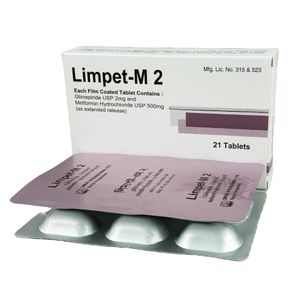
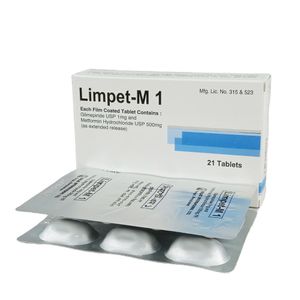
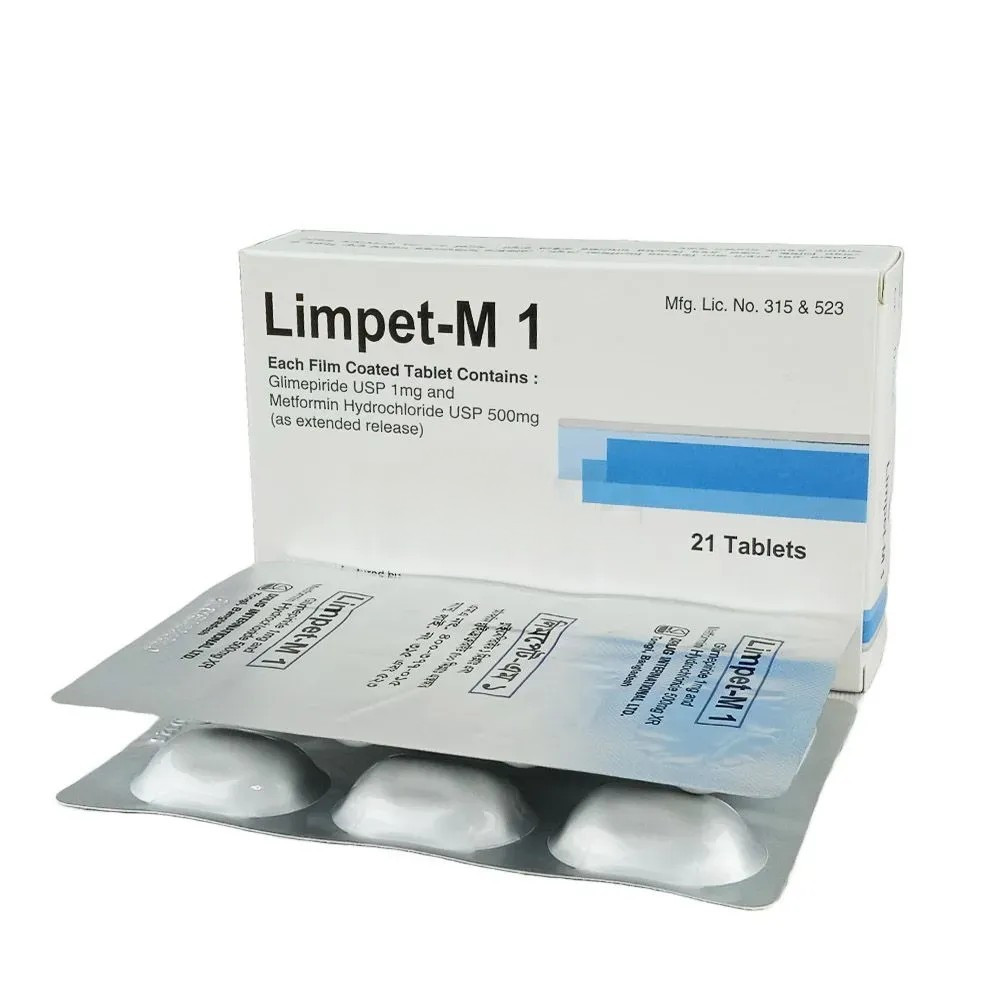
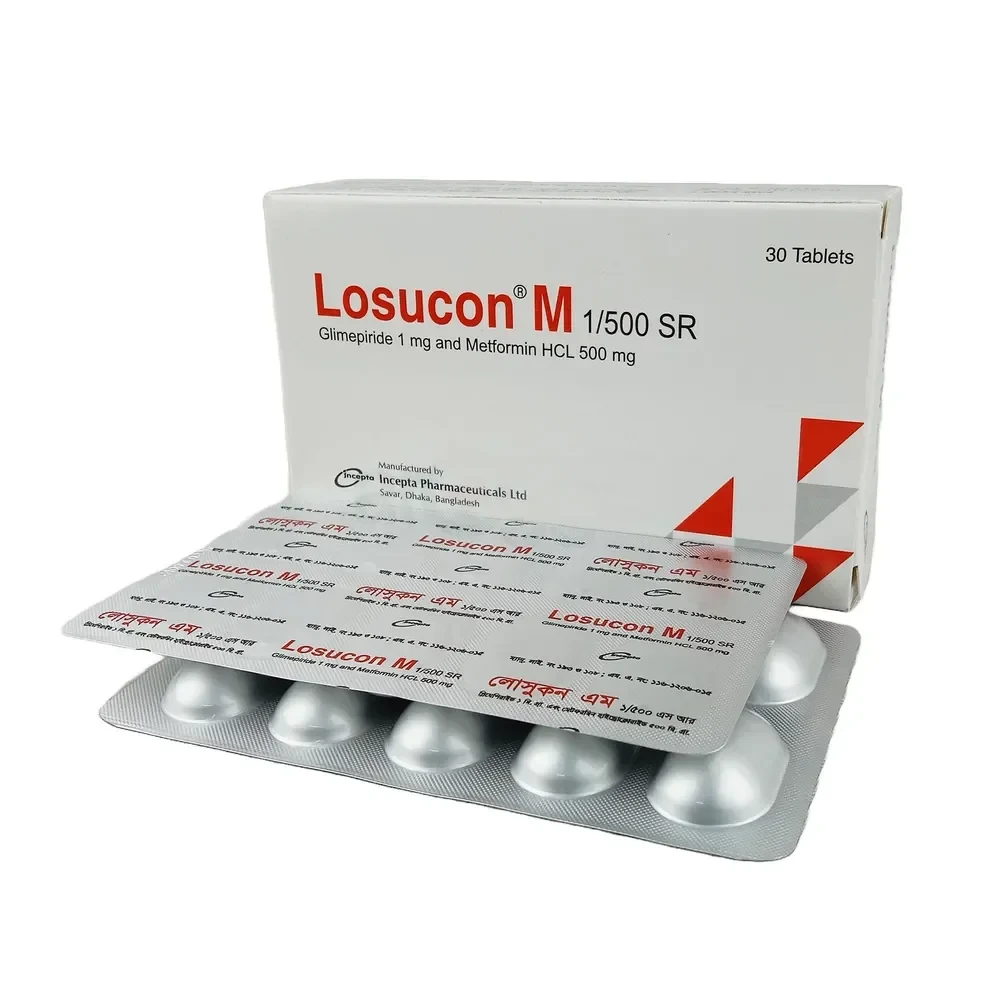
Introduction
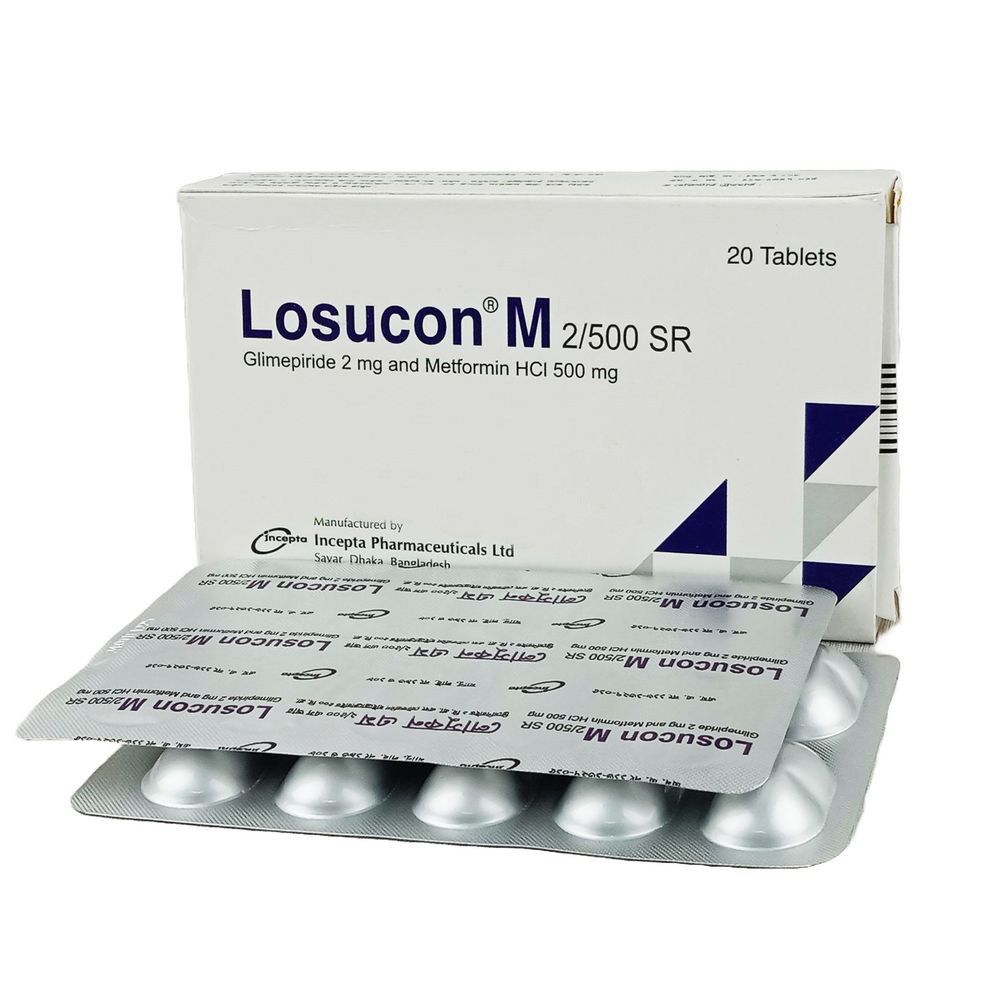
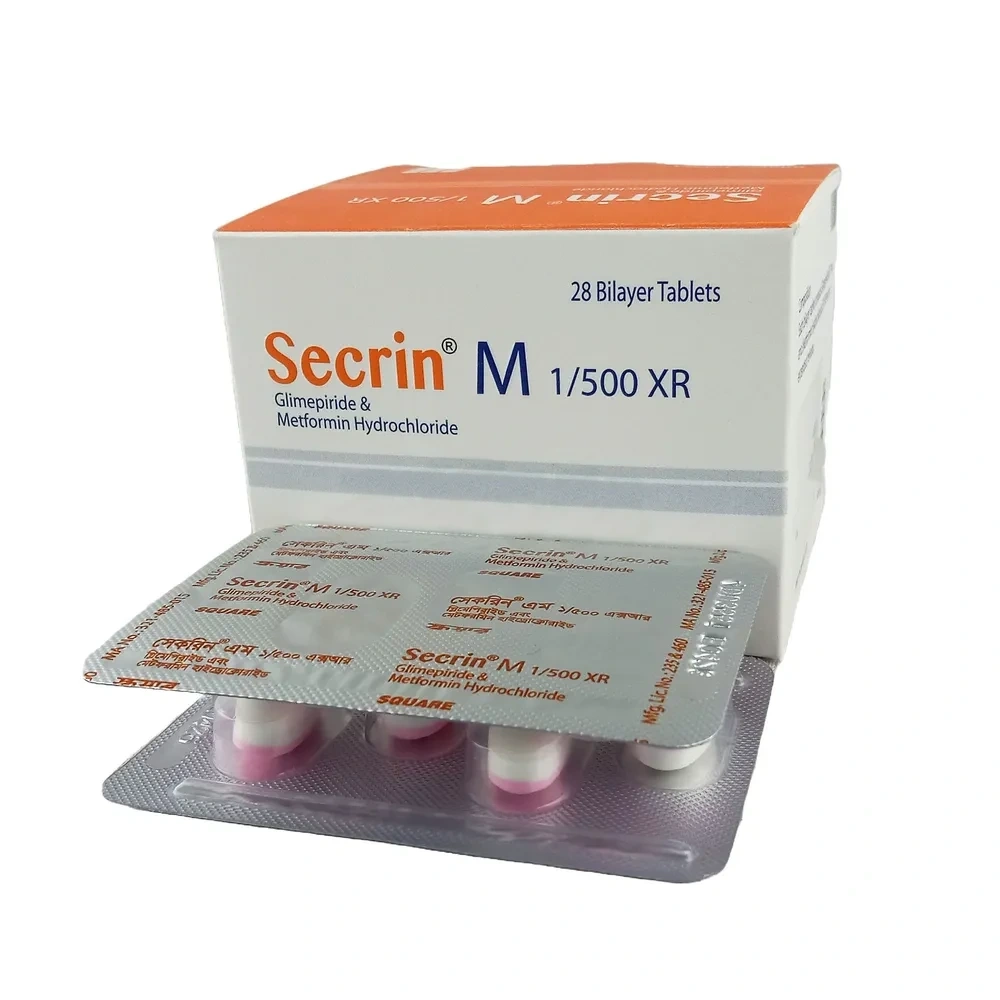
Glimepiride + Metformin is a combination of two medicines (a sulfonylurea and a biguanide) used for the treatment of type 2 diabetes mellitus (a condition in which the body does not use insulin normally and therefore cannot control the amount of sugar in the blood). This medicine works by lowering blood sugar levels and increasing insulin sensitivity in the body. It also helps reduce the risk of developing complications associated with diabetes.
Uses of Glimepiride + Metformin
Glimepiride + Metformin is used to treat type 2 diabetes mellitus in adults. It is a non-insulin based medication that helps lower blood sugar levels and improve insulin sensitivity. It may also be used in combination with other medicines to treat type 2 diabetes mellitus.
Mechanism of Action
Glimepiride belongs to a class of medications called sulfonylureas. It stimulates the release of insulin from the pancreas, which helps lower blood sugar levels.Metformin belongs to a class of medications called biguanides. It reduces the production of glucose in the liver and increases insulin sensitivity in the body, which helps lower blood sugar levels. When used together, Glimepiride + Metformin helps lower blood sugar levels more effectively.
How Long Does it Take to Work?
The effects of Glimepiride + Metformin can vary depending on the individual and the dosage used. Generally, Glimepiride + Metformin should take effect within 2 to 4 weeks of starting the medication. However, it may take up to 12 weeks to experience the full benefits of the medication.
Absorption
Glimepiride is rapidly absorbed from the gastrointestinal tract. Metformin is moderately absorbed from the gastrointestinal tract. Both medications are highly bioavailable, meaning that they are quickly and effectively absorbed into the bloodstream.
Route of Elimination
Glimepiride is metabolized in the liver and excreted in the urine. Metformin is excreted in the urine unchanged and also undergoes some metabolic breakdown in the liver.
Dosage
- The dosage of this tablet is governed by the desired blood glucose level. The dosage of this tablet must be the lowest which is sufficient to achieve the desired metabolic control. During treatment with this tablet glucose levels in blood and urine must be measured regularly.
- Mistakes, e.g. forgetting to take a dose, must never be corrected by subsequently taking a larger dose.
- As an improvement in control of diabetes is, in itself, associated with higher insulin sensitivity, glimepiride requirements may fall as treatment proceeds. To avoid hypoglycaemia timely dose reduction or cessation of this tablet therapy must therefore be considered.
- The highest recommended dose per day should be 8 mg of glimepiride and 2000 mg of metformin.
- In order to avoid hypoglycaemia the starting dose of this tablet should not exceed the daily doses of glimepiride or metformin already being taken.
- When switching from combination therapy of glimepiride plus metformin as separate tablets, this combination should be administered on the basis of dosage currently being taken.
The recommended starting dose is one tablet of Glimepiride + Metformin 1 mg/500 mg taken once daily with the evening meal unless otherwise directed by the physician. The dose may be increased by a maximum of two tablets per day as needed to control blood sugar levels. The maximum dosage should not exceed 8 tablets per day.
Administration
Glimepiride + Metformin should be taken once daily with the evening meal. It should be swallowed whole with water, and not crushed, split, or chewed.
Side Effects
Common side effects of Glimepiride + Metformin include headache, nausea, vomiting, abdominal pain, and diarrhea. More serious side effects may include low blood sugar (hypoglycemia), lactic acidosis, and allergic reactions. If any of these side effects occur, contact a doctor immediately.
Toxicity
The toxic dose of Glimepiride + Metformin is not known. It should not be taken in excess of the recommended dose. If an overdose is suspected, seek medical attention immediately.
Precautions
Patients should inform their doctor all medicines they are taking, including nonprescription medications, vitamins, and herbal supplements. Patients should avoid alcohol while taking Glimepiride + Metformin as it may worsen the side effects. It is important to tell the doctor or pharmacist if you are pregnant, trying to become pregnant, or breastfeeding as Glimepiride + Metformin may not be suitable in these cases.
Interaction
Glimepiride + Metformin may interact with other medications. Tell the doctor or pharmacist all the medications you are taking to prevent interactions between medications. In addition, some medications may reduce or increase the effect of Glimepiride + Metformin, so it is important to tell the doctor or pharmacist if you are taking any other medications.
Disease Interaction
Glimepiride + Metformin should be used with caution in patients with kidney or liver disease, as well as in those with diabetic ketoacidosis. It should also be used with caution in patients with heart disease, as it may worsen symptoms.
Drug Interaction
Glimepiride + Metformin may interact with certain drugs, including ACE inhibitors, beta-blockers, lithium, and diuretics. It may also interact with other medications used to treat diabetes, such as insulin and metformin. It is important to tell the doctor or pharmacist about all medications taken to prevent interactions.
Food Interactions
It is recommended to take Glimepiride + Metformin with meals to reduce the possibility of adverse reactions. Avoid drinking alcohol while taking this medication as it may worsen the side effects.
Pregnancy Use
Glimepiride + Metformin is pregnancy category C and should not be used during pregnancy unless the benefits outweigh the risks. Patients should inform the doctor if they are pregnant or plan to become pregnant.
Lactation Use
It is unknown if Glimepiride + Metformin passes into breast milk. Therefore, it is not recommended for use while breastfeeding. Patients should inform the doctor if they are breastfeeding or plan to breastfeed.
Acute Overdose
Symptoms of an overdose may include nausea, vomiting, confusion, difficulty breathing, and drowsiness. If an overdose is suspected, seek medical attention immediately.
Contraindication
Glimepiride + Metformin is contraindicated in patients with known hypersensitivity to either medication
Use Direction
Glimepiride + Metformin should be taken as directed by the doctor. Do not take in larger or smaller amounts than recommended and do not take for longer than directed. Swallow whole with water and do not crush, split, or chew the tablets. Do not stop taking this medicine abruptly without consulting with your doctor.
Storage Condition
Store Glimepiride + Metformin at room temperature, away from light, heat, and moisture. Keep this and all medications out of the reach of children.
Volume of Distribution
The volume of distribution of Glimepiride + Metformin is not known.
Half Life
The half-life of Glimepiride is approximately 5 to 8 hours, while the half-life of Metformin is approximately 6 to 8 hours.
Clearance
The clearance of Glimepiride and Metformin from the body is not known.