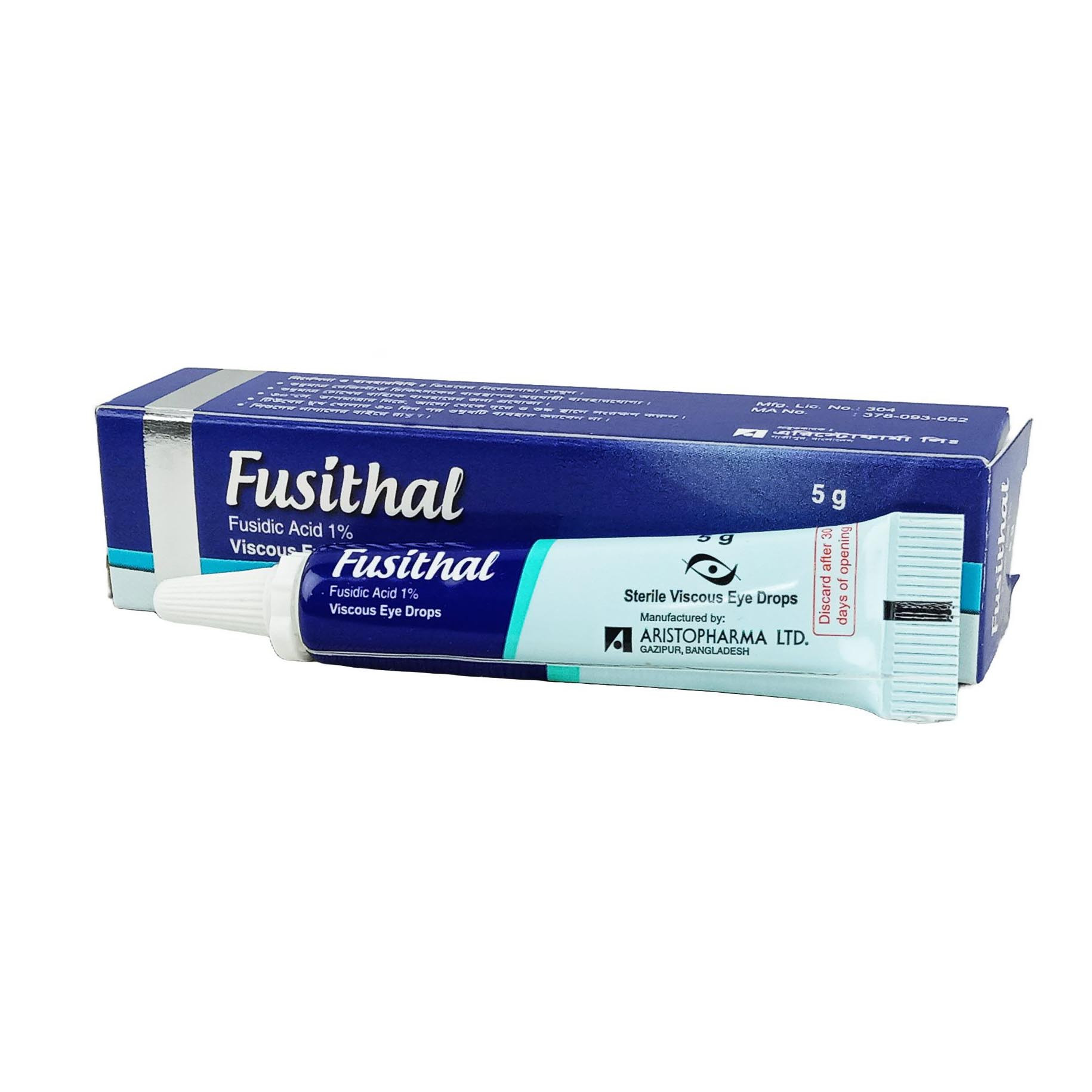
Introduction
An antibiotic isolated from the fermentation broth of Fusidium coccineum. (From Merck Index, 11th ed) It acts by inhibiting translocation during protein synthesis. It is often used topically in creams and eyedrops but is available in systemic formulations including tablets and injections.
Uses
Fusidic acid is a topical antibacterial agent used to prevent and treat mild to moderate skin infections caused by susceptible bacteria.
For the treatment of bacterial infections.
Associated Conditions
Pharmacodynamics
Fusidic acid is a bacteriostatic antibiotic and helps prevent bacterial growth while the immune system clears the infection.
Mechanism of Action
Fusidic acid works by interfering with bacterial protein synthesis, specifically by preventing the translocation of the elongation factor G (EF-G) from the ribosome. It also can inhibit chloramphenicol acetyltransferase enzymes.
Absorption
Sodium fusidic acid tablets have a 91% oral bioavailability. Absorption of the film-coated tablets is complete when compared to a solution, however oral absorption is variable. Oral fusidic acid hemihydrate (suspension) achieved a 22.5% bioavailability in pediatric patients following a 20 milligram/kilogram dose.
Protein Binding
97 to 99%
Half Life
Approximately 5 to 6 hours in adults.
Food Interactions
- Take with food. Food reduces irritation.
Dosage
Use in children: Safety & effectiveness in children below the age of 2 years have not been established.