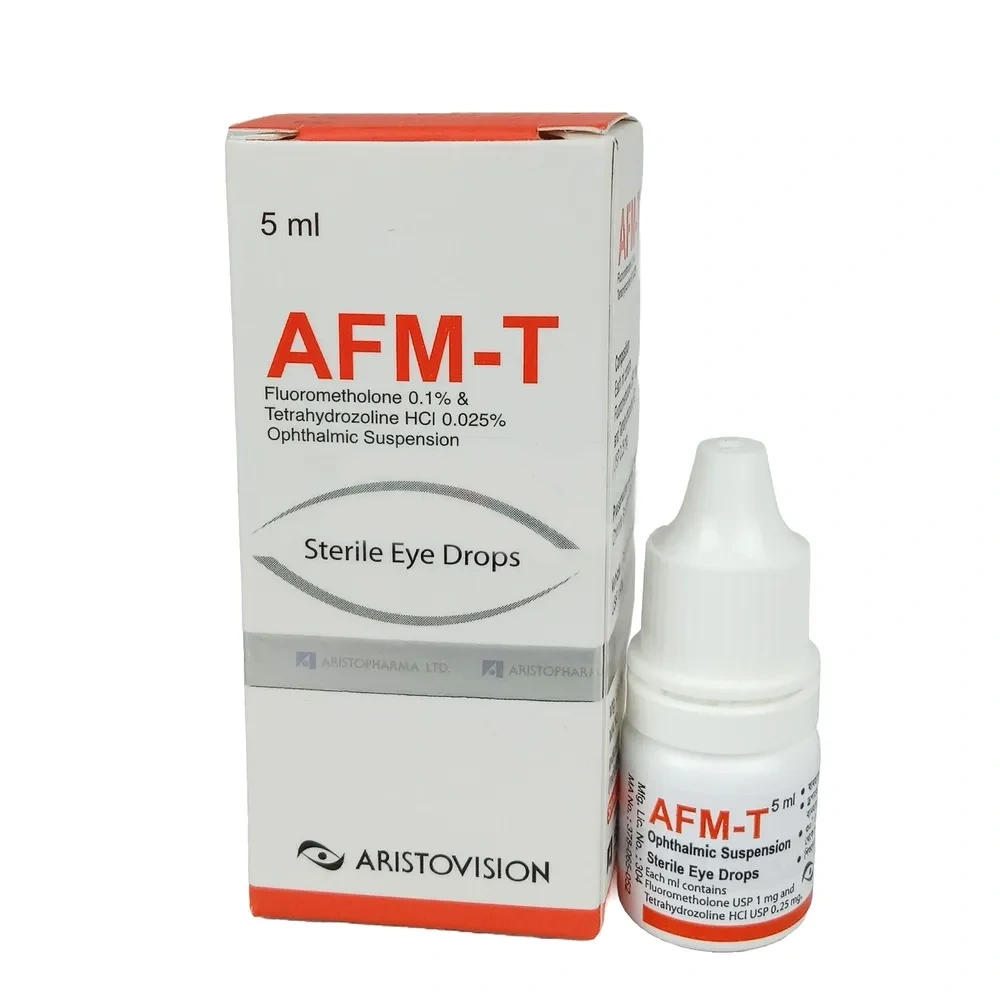
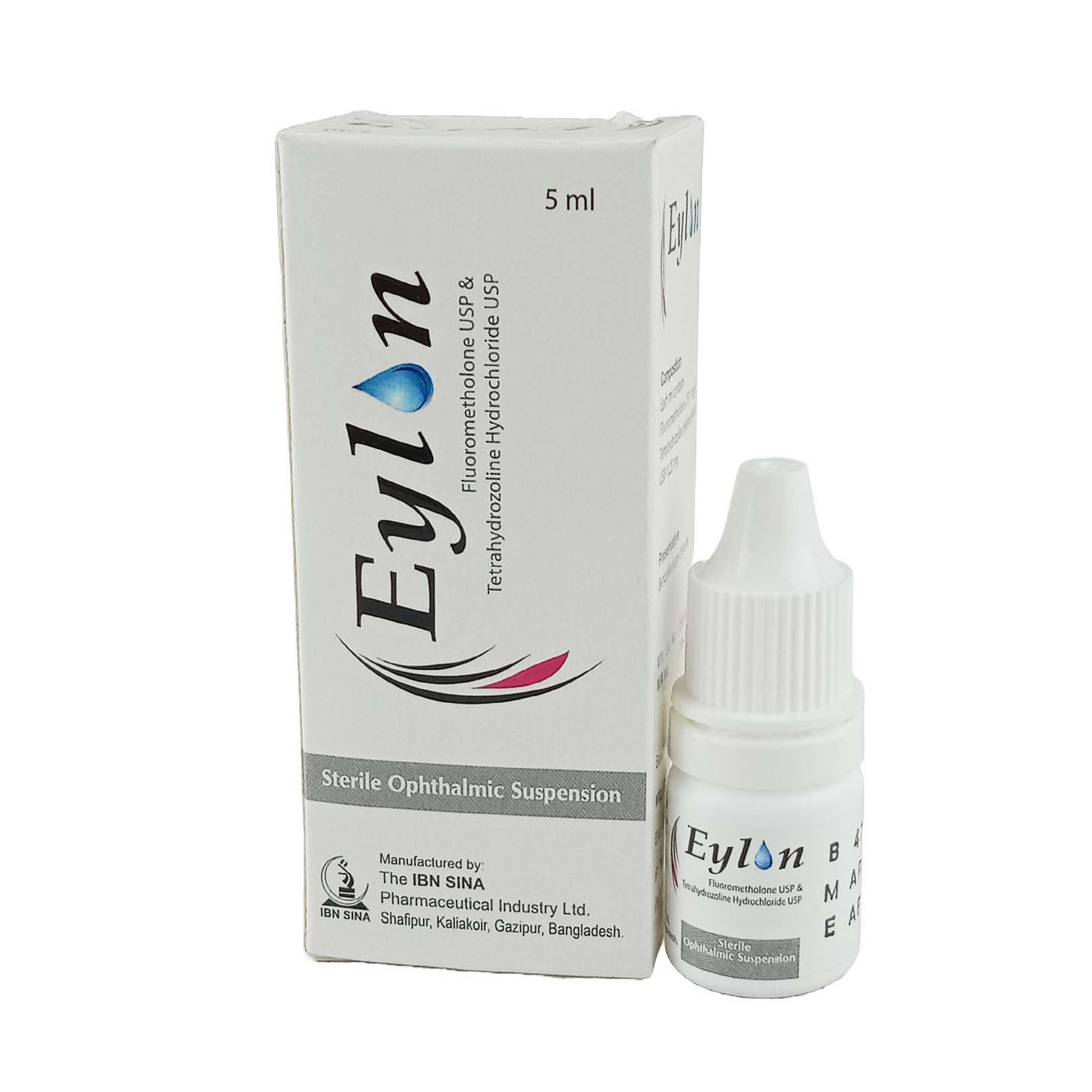
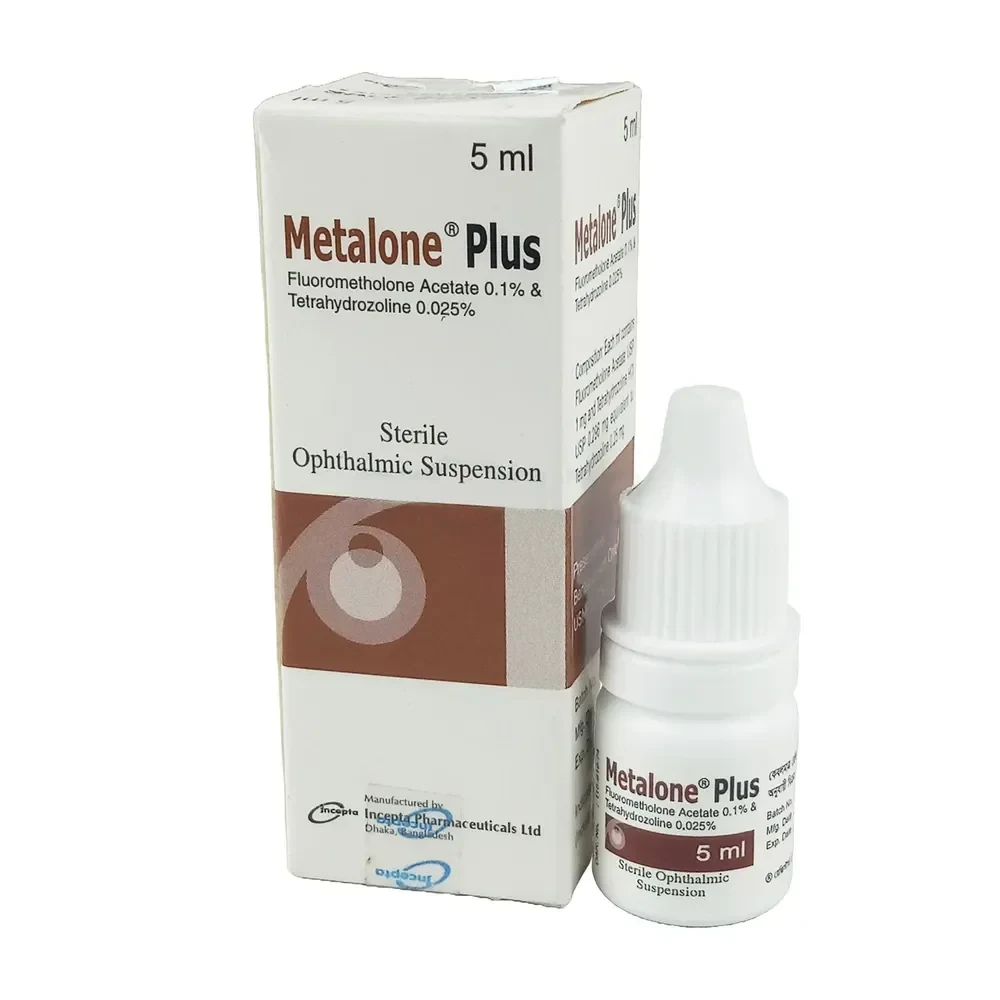
Introduction
Fluorometholone + Tetrahydrozoline is a combination medication used primarily in ophthalmic preparations to relieve eye inflammation and reduce redness caused by minor eye irritations. Fluorometholone is a corticosteroid that helps to reduce inflammation, while Tetrahydrozoline is a sympathomimetic agent that acts as a vasoconstrictor, reducing redness and swelling in the eyes.
Uses
This combination medication is indicated for the treatment of:
- Ocular inflammation and irritation caused by allergies or irritants
- Redness and swelling of the eye due to minor eye irritation
- Postoperative ocular inflammation
Mechanism of Action
Fluorometholone exerts its effects by inhibiting inflammatory mediators and reducing the immune response at the site of application, helping to decrease swelling, redness, and pain. Tetrahydrozoline works by stimulating alpha-adrenergic receptors in the blood vessels of the eye, causing vasoconstriction, which reduces redness and puffiness.
How Long Does It Take to Work?
Relief from symptoms such as redness and irritation typically occurs within a few minutes to an hour after application. Anti-inflammatory effects from Fluorometholone may take longer, typically a few days of regular use.
Absorption
When applied topically in the eye, both Fluorometholone and Tetrahydrozoline are absorbed locally. Fluorometholone has minimal systemic absorption, while Tetrahydrozoline may be absorbed through the conjunctiva and can reach systemic circulation in small amounts.
Route of Elimination
Fluorometholone is primarily metabolized in the eye and surrounding tissues, with minimal systemic absorption and elimination via the liver. Tetrahydrozoline, if absorbed systemically, is metabolized by the liver and excreted via the kidneys.
Dosage
Use in adult: Instill 1 drop into the conjunctival sac 2-3 times daily. The dose may be increased for severe and adult patient to 1 drop hourly for first one to two days.Use in children: Safety & effectiveness in children below 2 years of age have not been established.
The typical dosage for the combination of Fluorometholone + Tetrahydrozoline is:
- Instill 1 to 2 drops in the affected eye(s) up to four times daily.
- For severe inflammation, the frequency of dosing may be increased upon the advice of a physician, but prolonged use should be avoided.
Administration
Fluorometholone + Tetrahydrozoline is administered as eye drops. Patients should wash their hands before application, shake the bottle well, tilt their head back, and instill the prescribed number of drops into the affected eye(s). Care should be taken to avoid touching the dropper tip to the eye or any surface to prevent contamination.
Side Effects
Common side effects include:
- Temporary stinging or burning in the eyes after application
- Blurred vision
- Dry eyes
- Increased redness or irritation
Toxicity
Overdose of Tetrahydrozoline can lead to systemic toxicity, especially in children, and may cause symptoms such as drowsiness, decreased heart rate, or even coma. Excessive use of Fluorometholone can lead to ocular complications such as increased intraocular pressure, glaucoma, or cataract formation.
Precautions
Prolonged use of Fluorometholone can lead to complications like glaucoma, cataracts, or secondary infections. Patients with preexisting eye infections should be monitored closely. Tetrahydrozoline should be used with caution in patients with cardiovascular disease, as it may cause systemic vasoconstriction if absorbed in significant amounts.
Interaction
The use of other corticosteroids or vasoconstrictive agents in combination with Fluorometholone + Tetrahydrozoline may increase the risk of side effects such as increased intraocular pressure or systemic vasoconstriction. Concomitant use of other eye medications should be done under the guidance of a healthcare professional.
Disease Interaction
Fluorometholone should be used with caution in patients with glaucoma, cataracts, or ocular infections. Tetrahydrozoline should be used cautiously in patients with hypertension, cardiovascular disease, or hyperthyroidism due to its vasoconstrictive effects.
Drug Interaction
Potential drug interactions include:
- Beta-blockers: May enhance the vasoconstrictive effects of Tetrahydrozoline.
- Other corticosteroids: Increase the risk of adverse ocular effects such as increased intraocular pressure.
- MAO inhibitors: May potentiate the hypertensive effects of Tetrahydrozoline.
Food Interactions
There are no known significant food interactions with Fluorometholone + Tetrahydrozoline. However, patients should avoid using alcohol excessively, as it may increase the sedative effects of Tetrahydrozoline in rare cases of systemic absorption.
Pregnancy Use
There is limited data on the use of Fluorometholone + Tetrahydrozoline during pregnancy. Corticosteroids should be used with caution during pregnancy, especially in the first trimester, as they may pose a risk to fetal development. Tetrahydrozoline is typically considered safe for short-term use but should be used under medical supervision during pregnancy.
Lactation Use
Fluorometholone + Tetrahydrozoline may pass into breast milk in small amounts, but the risk to a breastfeeding infant is considered low. However, caution should be exercised, and a healthcare provider should be consulted before use during breastfeeding.
Acute Overdose
Acute overdose of Tetrahydrozoline, especially in children, may lead to systemic toxicity, with symptoms such as drowsiness, hypotension, bradycardia, or respiratory depression. Immediate medical attention is required in cases of suspected overdose. Fluorometholone overdose is less likely to cause acute toxicity but can exacerbate ocular side effects such as increased intraocular pressure.
Contraindication
Fluorometholone + Tetrahydrozoline is contraindicated in patients with a known hypersensitivity to any of its components. It should also be avoided in patients with active ocular infections, particularly viral, fungal, or mycobacterial infections of the eye. Tetrahydrozoline should be used with caution in patients with narrow-angle glaucoma.
Use Direction
Patients should be instructed on the proper use of the eye drops, including hand hygiene before application, shaking the bottle well, and avoiding contamination by not touching the dropper tip to any surface. After administration, patients should keep their eyes closed for 1-2 minutes and apply gentle pressure to the corner of the eye near the nose to prevent systemic absorption.
Storage Conditions
The medication should be stored at room temperature, away from light and moisture. It should not be frozen. The bottle should be tightly closed when not in use and discarded after the expiration date or if it becomes contaminated.
Volume of Distribution
Due to the localized application of Fluorometholone + Tetrahydrozoline as eye drops, the volume of distribution is not typically measured. Both components are expected to remain largely within the eye tissues, with minimal systemic distribution.
Half-Life
The half-life of Fluorometholone after topical ocular administration is not well-defined, but systemic absorption is minimal. Tetrahydrozoline has a half-life of approximately 4-6 hours if systemically absorbed.
Clearance
Fluorometholone is primarily metabolized locally within the eye, with minimal systemic clearance. Tetrahydrozoline, if absorbed, is cleared through hepatic metabolism and renal excretion, with systemic clearance dependent on the patient's liver and kidney function.