Introduction
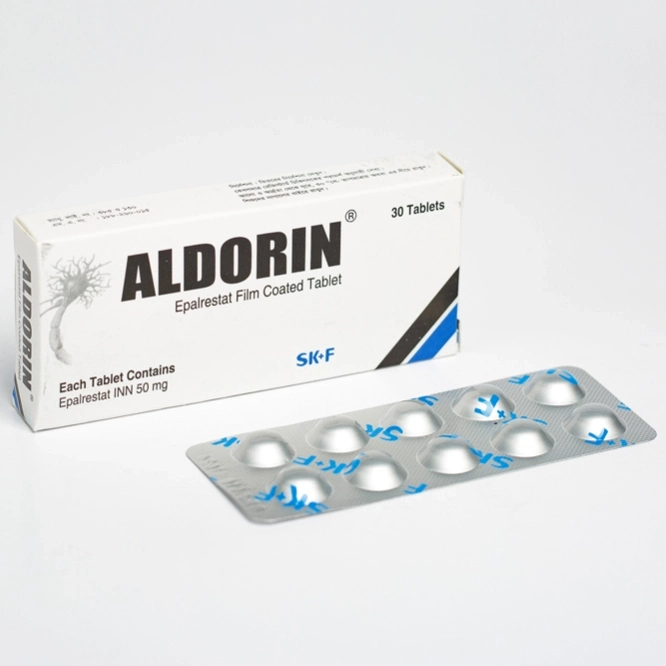
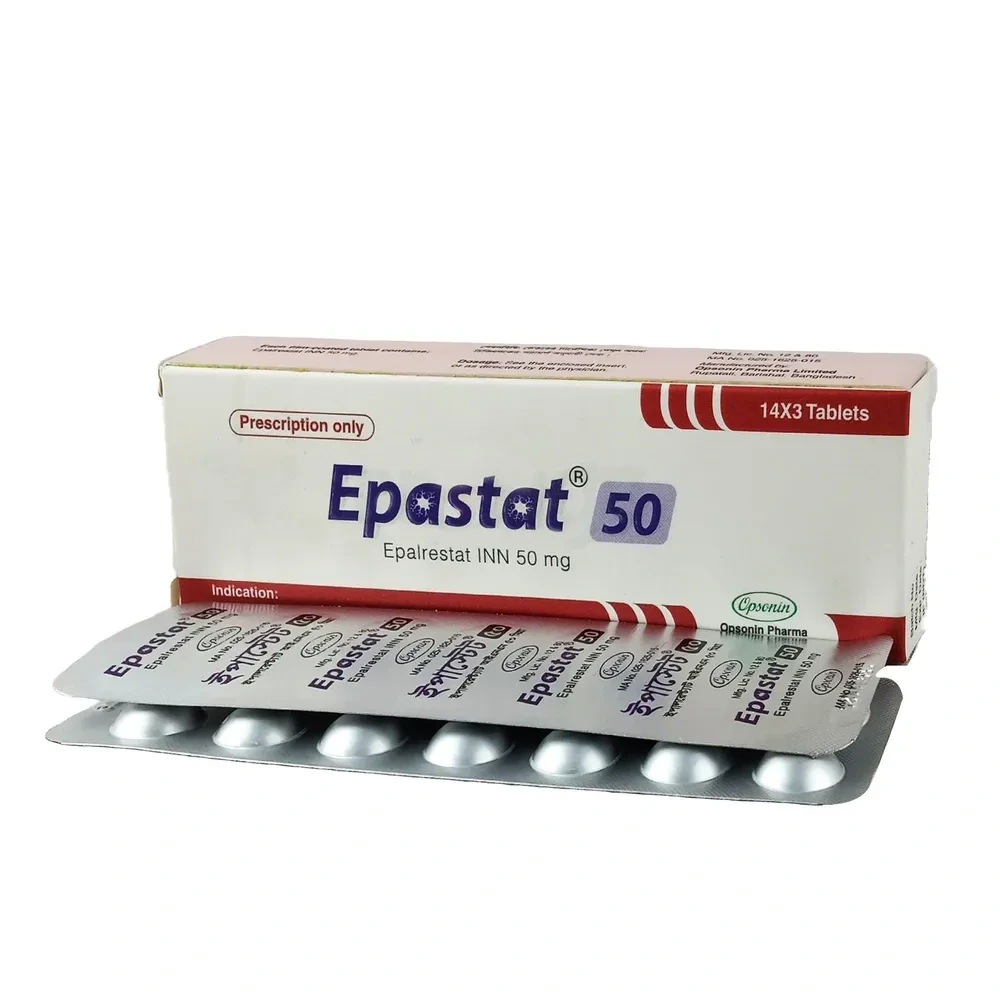
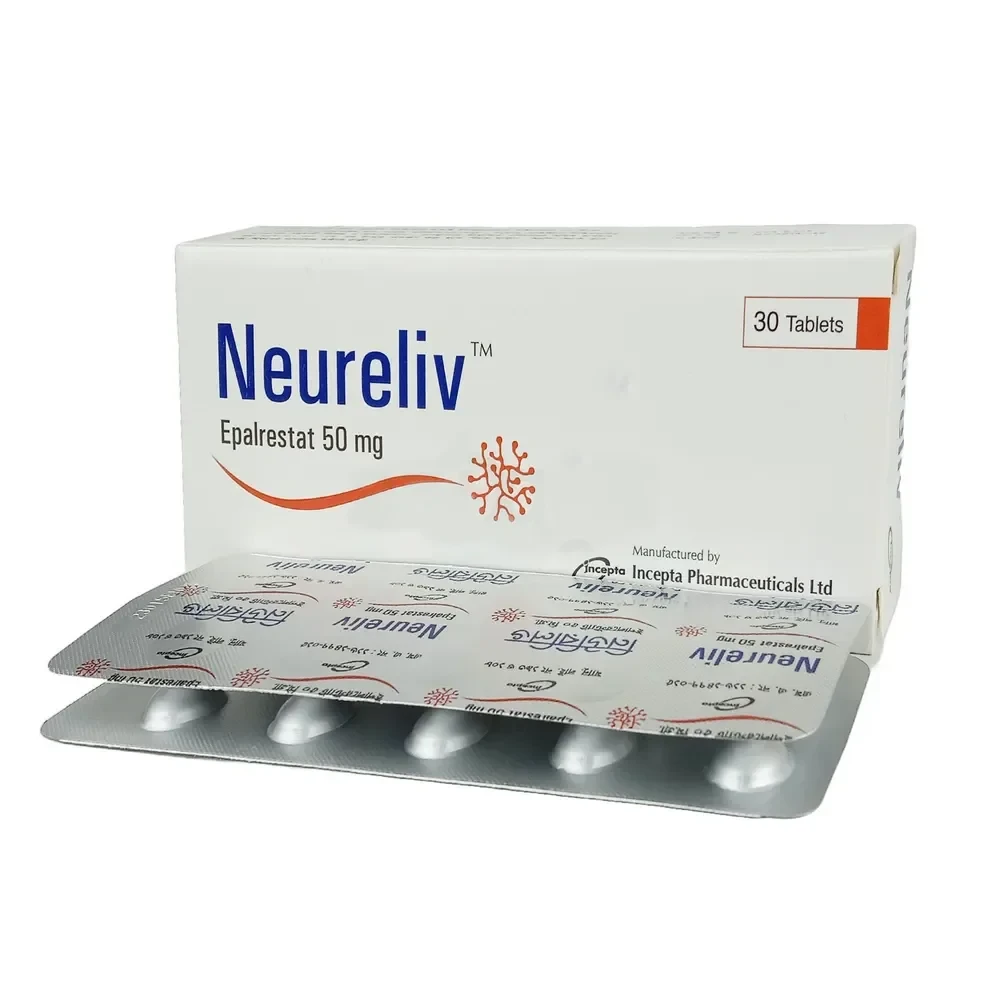
Epalrestat is an aldose reductase inhibitor used in the management of diabetic neuropathy. Aldose reductase is an enzyme involved in the polyol pathway, which converts glucose to sorbitol. In diabetic patients, excessive sorbitol accumulation can contribute to nerve damage, leading to diabetic neuropathy. Epalrestat inhibits this enzyme, reducing the buildup of sorbitol and helping alleviate symptoms of diabetic neuropathy.
Uses
Epalrestat is primarily used to treat diabetic peripheral neuropathy, a common complication of diabetes characterized by pain, numbness, and tingling in the extremities. By inhibiting aldose reductase, Epalrestat helps protect nerve cells from damage caused by elevated glucose levels, potentially improving nerve function and reducing neuropathic symptoms.
Mechanism of Action
Epalrestat inhibits the enzyme aldose reductase, which plays a key role in the polyol pathway. Under hyperglycemic conditions, aldose reductase converts glucose into sorbitol, which accumulates in cells and causes oxidative stress and damage, particularly in nerves. By inhibiting aldose reductase, Epalrestat reduces sorbitol accumulation, thereby preventing or slowing the progression of diabetic neuropathy.
How Long Does It Take to Work?
Epalrestat may start to reduce symptoms of diabetic neuropathy within a few weeks of starting treatment. However, maximum benefit may take longer, often requiring 3-6 months of continuous therapy to observe significant improvements in nerve function and symptom relief.
Absorption
Epalrestat is absorbed relatively quickly after oral administration, with peak plasma concentrations reached approximately 1-2 hours after dosing. Its bioavailability is somewhat reduced when taken with food, so it is typically recommended to be taken on an empty stomach.
Route of Elimination
Epalrestat is primarily metabolized by the liver, with its metabolites excreted through both the urine and feces. Only a small fraction of the drug is excreted unchanged in the urine.
Dosage
The usual adult dose is 1 tablet (50 mg) three times daily before each meal. The dosage may be adjusted according to the patient's age and symptoms.The recommended dosage of Epalrestat for the treatment of diabetic neuropathy is 50 mg taken orally three times daily. The dosage may need adjustment based on the patient's response and tolerability. Long-term use is often required to achieve and maintain therapeutic benefits.
Administration
Epalrestat should be taken orally, typically 50 mg three times daily. It is recommended to take it on an empty stomach to improve absorption. Patients should adhere to their dosing schedule and continue treatment even if they do not experience immediate symptom relief, as long-term use is necessary for optimal benefits.
Side Effects
Common side effects of Epalrestat include:
- Nausea
- Vomiting
- Abdominal pain
- Diarrhea
- Fatigue
Toxicity
Epalrestat is generally well tolerated, but in rare cases, it can cause hepatotoxicity, particularly in patients with preexisting liver conditions. Overdose symptoms may include gastrointestinal distress and signs of liver dysfunction. There is no specific antidote for Epalrestat overdose, and treatment should be supportive.
Precautions
Epalrestat should be used with caution in patients with liver impairment due to the potential for hepatotoxicity. Regular monitoring of liver function is recommended throughout the course of treatment. Additionally, patients with severe renal impairment may require dose adjustments or closer monitoring.
Interaction
Epalrestat may interact with drugs that affect liver function or are metabolized by the same hepatic enzymes. It is important to monitor for potential drug interactions, particularly in patients receiving multiple medications. No significant interactions with other common medications for diabetic neuropathy, such as pregabalin or gabapentin, have been reported.
Disease Interaction
Patients with liver disease or hepatic impairment should use Epalrestat with caution due to the risk of hepatotoxicity. Close monitoring of liver enzymes is necessary. Patients with severe renal impairment may also require dose adjustments, as renal excretion of the drug's metabolites may be affected.
Drug Interaction
Epalrestat has limited significant drug interactions, but it may affect the metabolism of drugs that are processed by the liver. Caution should be taken when combining Epalrestat with medications that may affect liver function, such as certain antifungals, antibiotics, or other hepatotoxic drugs. Co-administration with other drugs that can cause liver injury should be avoided or closely monitored.
Food Interactions
Taking Epalrestat with food can reduce its absorption and lower its effectiveness. It is generally recommended to take the drug on an empty stomach, at least 30 minutes before a meal or 2 hours after eating, to ensure optimal absorption and efficacy.
Pregnancy Use
There is limited data on the use of Epalrestat during pregnancy. Animal studies have shown no significant adverse effects on the fetus, but adequate and well-controlled studies in pregnant women are lacking. Epalrestat should only be used during pregnancy if the potential benefit justifies the potential risk to the fetus.
Lactation Use
It is not known whether Epalrestat is excreted in human breast milk. Due to the lack of data on its safety during lactation, caution is advised when prescribing Epalrestat to breastfeeding mothers. A risk-benefit assessment should be made before use during lactation.
Acute Overdose
In the event of an acute overdose, symptoms may include nausea, vomiting, and signs of liver dysfunction such as jaundice or elevated liver enzymes. There is no specific antidote for Epalrestat overdose, and treatment should be supportive, with monitoring of liver function and symptomatic care as needed.
Contraindication
Epalrestat is contraindicated in patients with known hypersensitivity to the drug or any of its components. It should also be avoided in patients with severe liver dysfunction due to the risk of hepatotoxicity. Caution is advised in patients with renal impairment, and dose adjustments may be necessary.
Use Direction
Patients should take Epalrestat as directed by their healthcare provider, typically three times daily on an empty stomach. Regular monitoring of liver function is recommended during treatment, and patients should be advised to report any symptoms of liver injury, such as jaundice or dark urine. Treatment should not be discontinued without consulting a healthcare provider, as diabetic neuropathy symptoms may return or worsen.
Storage Conditions
Epalrestat should be stored at room temperature, between 15°C and 30°C (59°F and 86°F), in a dry place, away from moisture and heat. It should be kept out of reach of children and not used after the expiration date.
Volume of Distribution
Epalrestat has a moderate volume of distribution, indicating that it distributes well into tissues. Its exact volume of distribution has been reported to be around 150-200 L, suggesting significant tissue penetration, particularly in areas affected by diabetic neuropathy.
Half-Life
The elimination half-life of Epalrestat is approximately 1-2 hours in healthy individuals. This short half-life necessitates multiple daily dosing to maintain therapeutic levels in the body.
Clearance
Epalrestat is primarily cleared through hepatic metabolism, and its clearance may be reduced in patients with liver impairment. Its metabolites are excreted via both the urine and feces, and dose adjustments may be required for patients with impaired hepatic or renal function.