Introduction
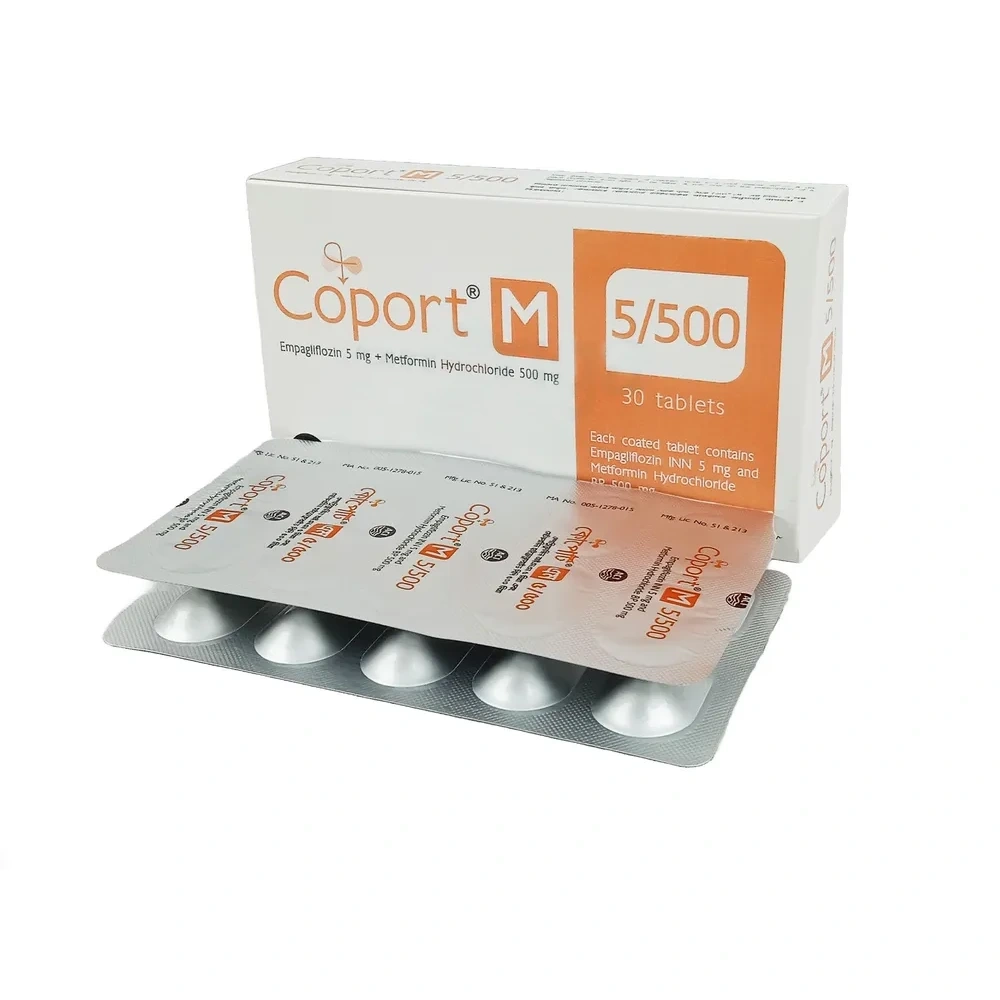
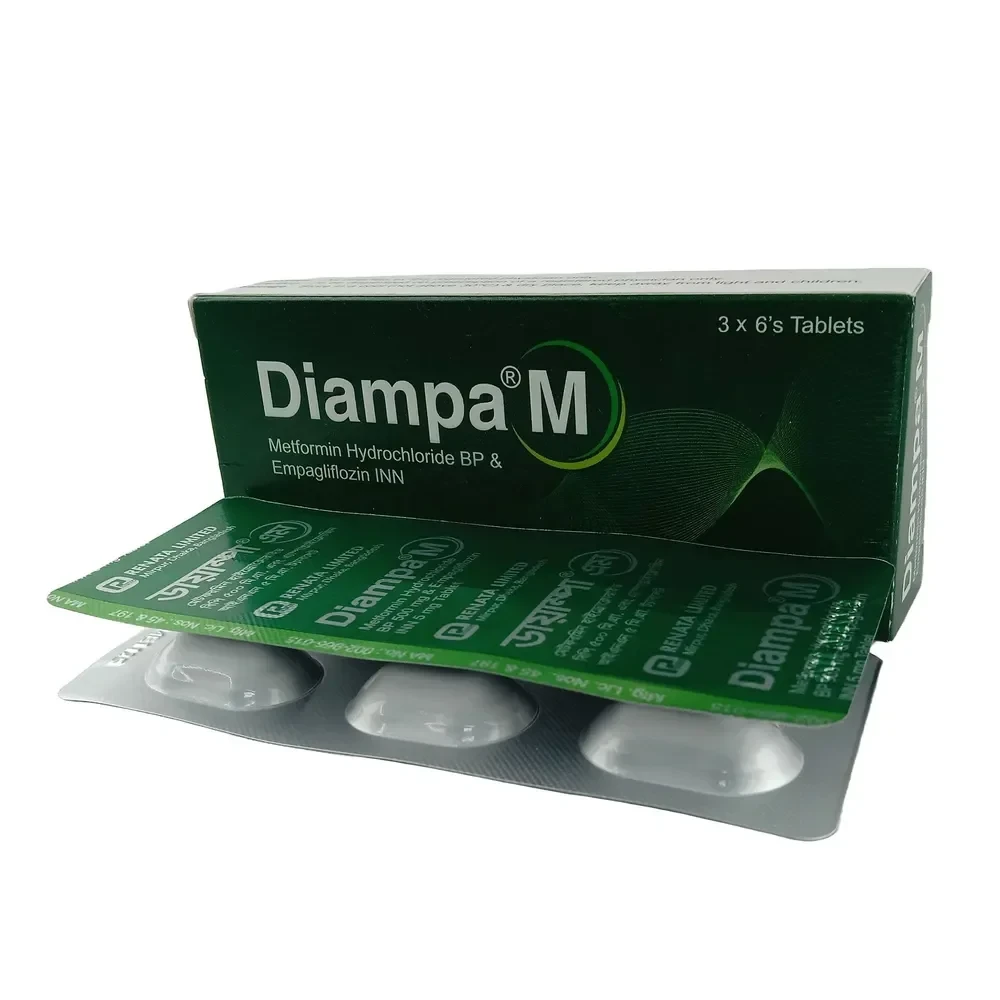
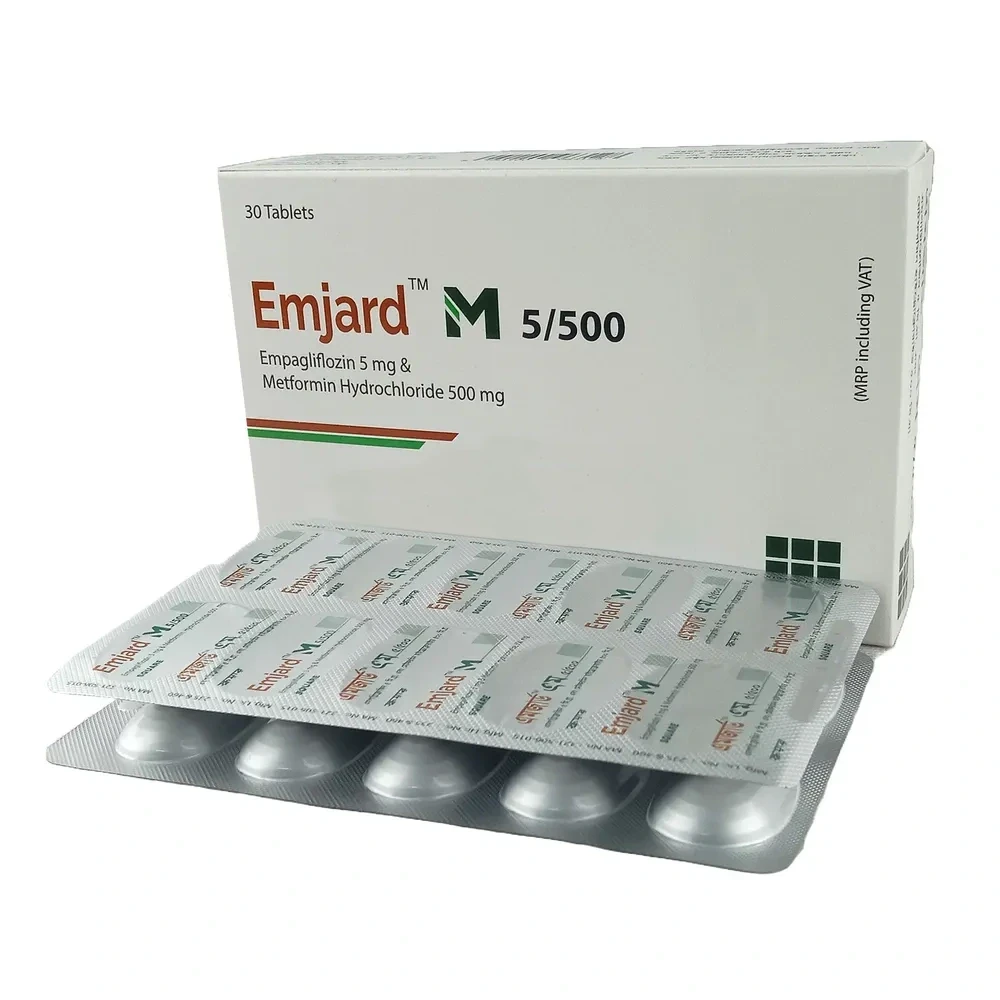
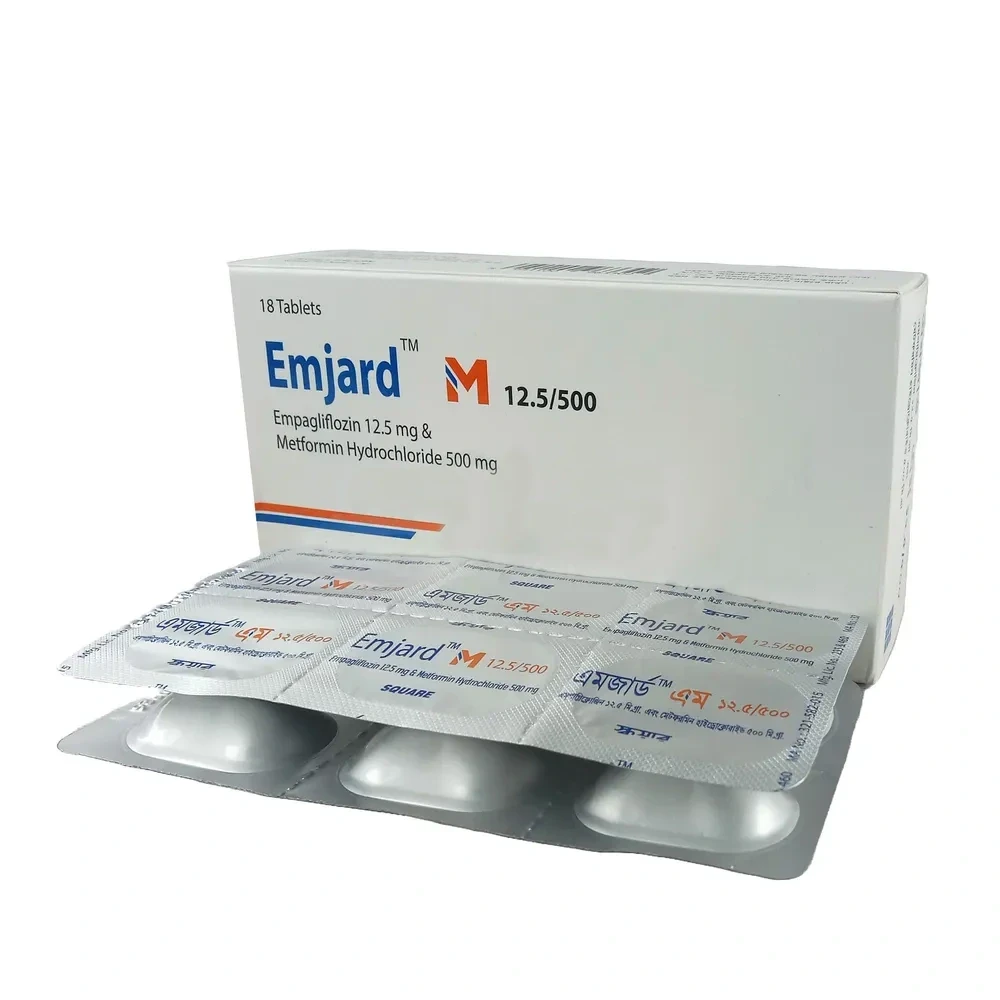
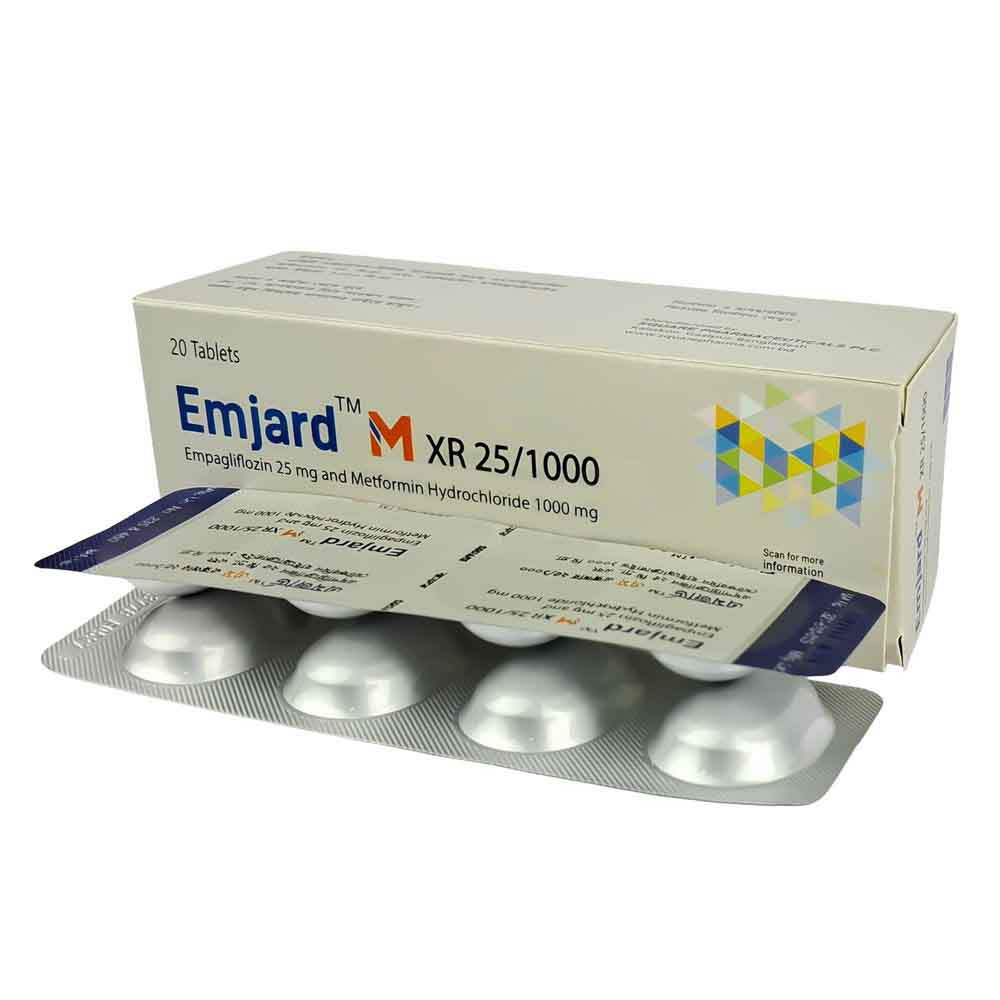
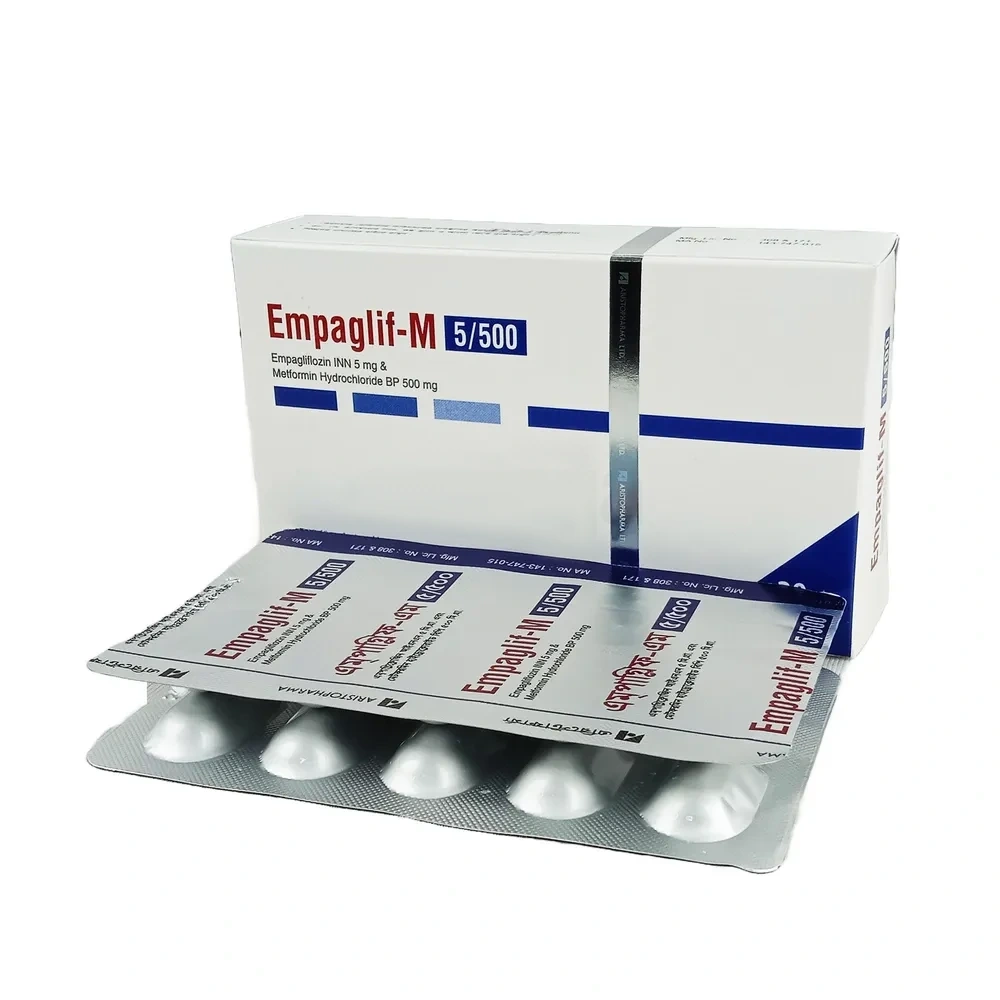
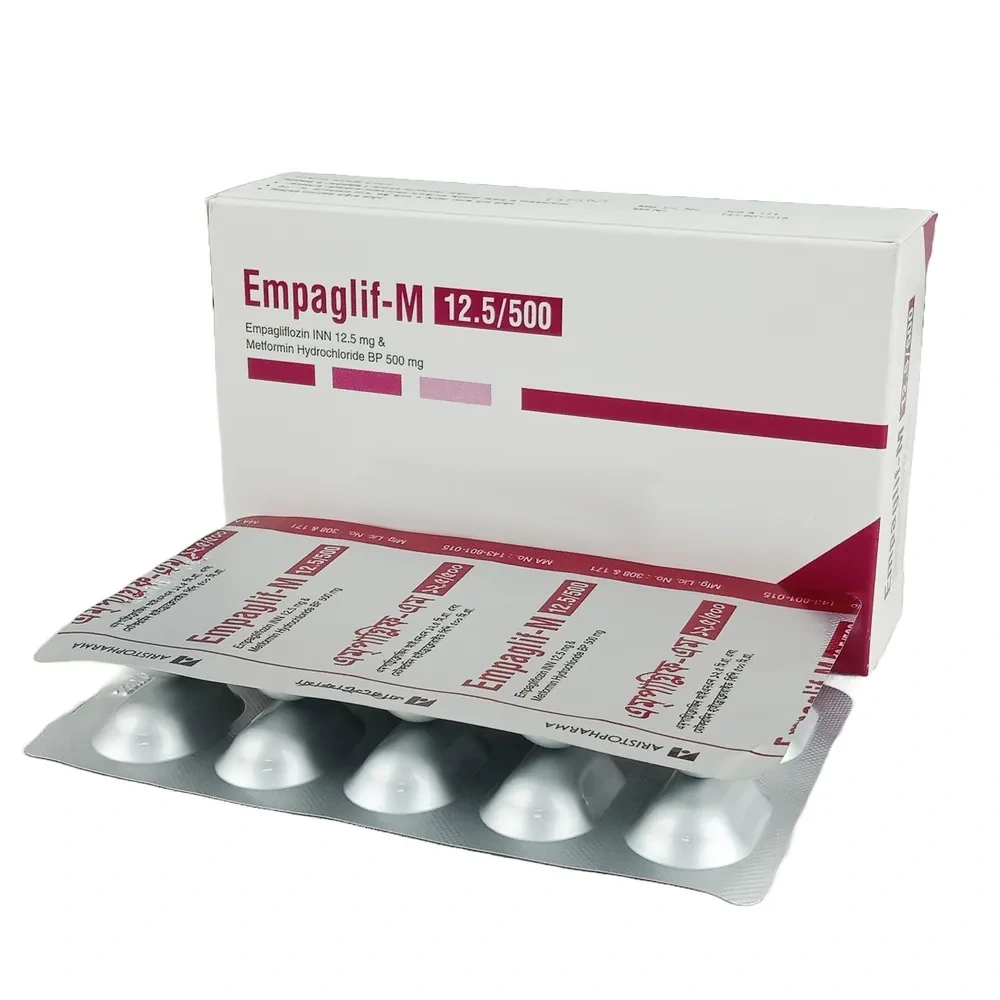
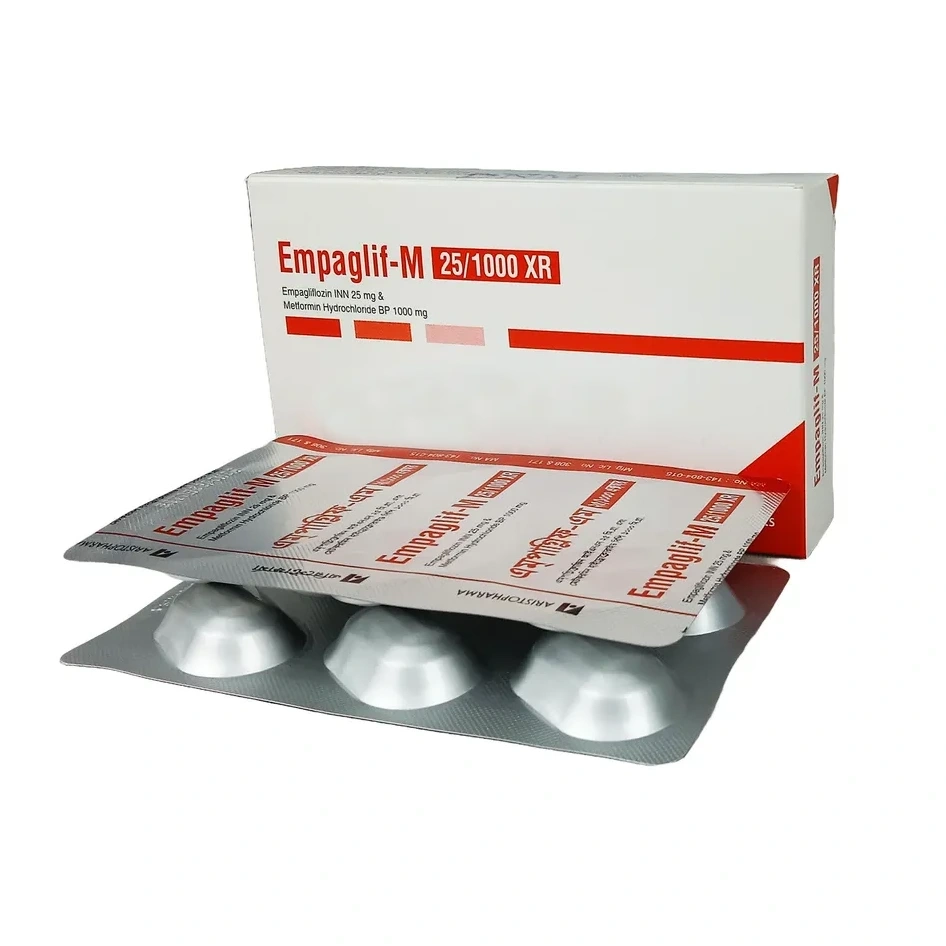
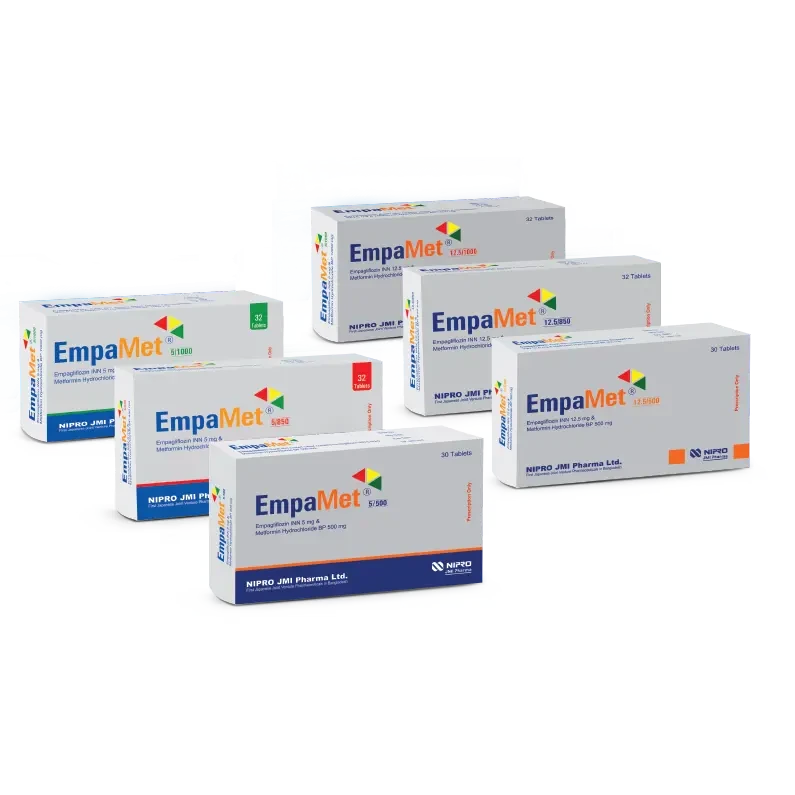
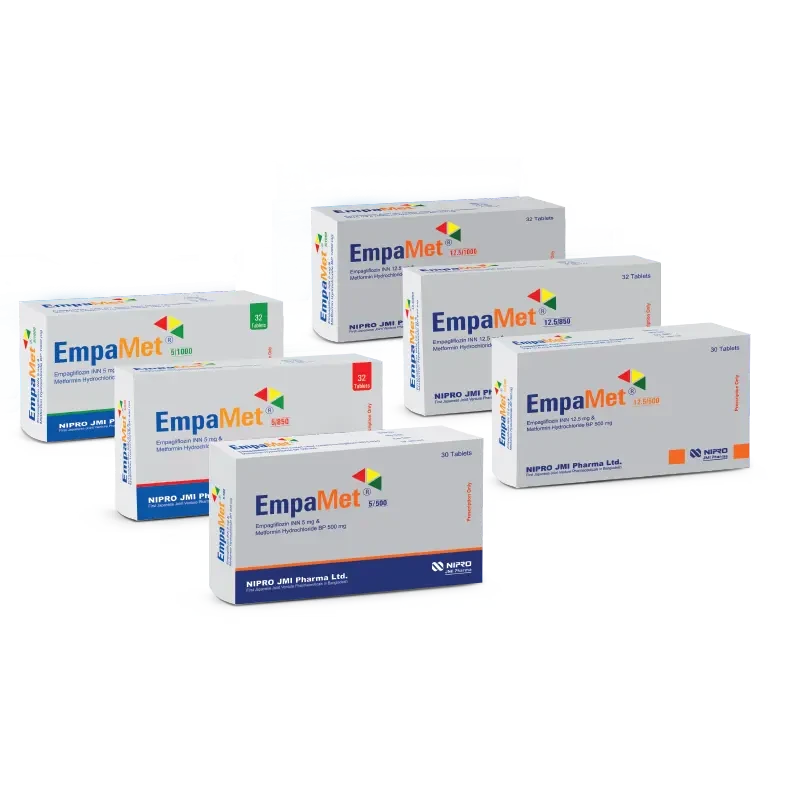
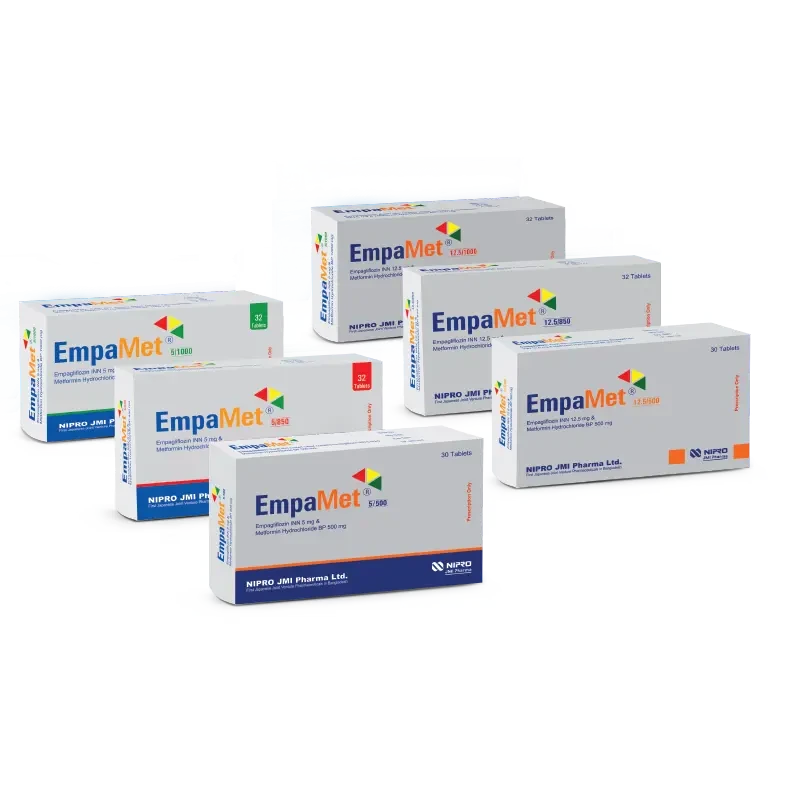
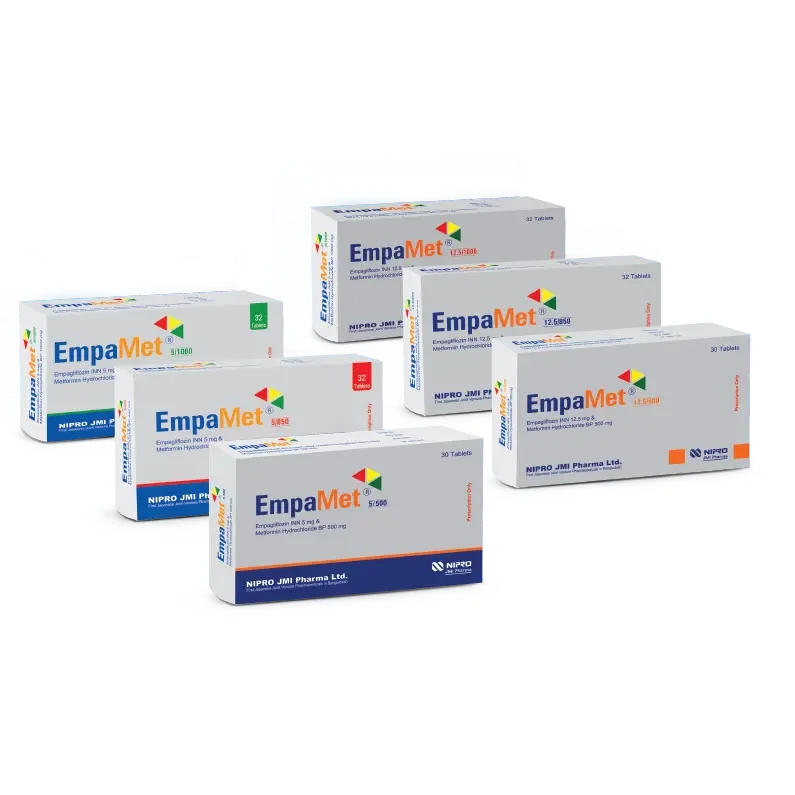
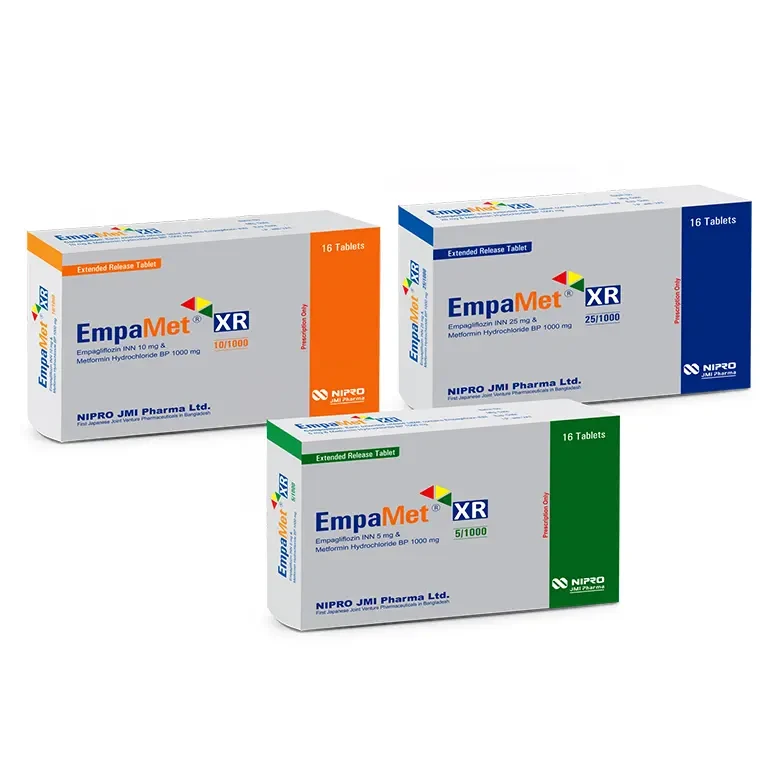
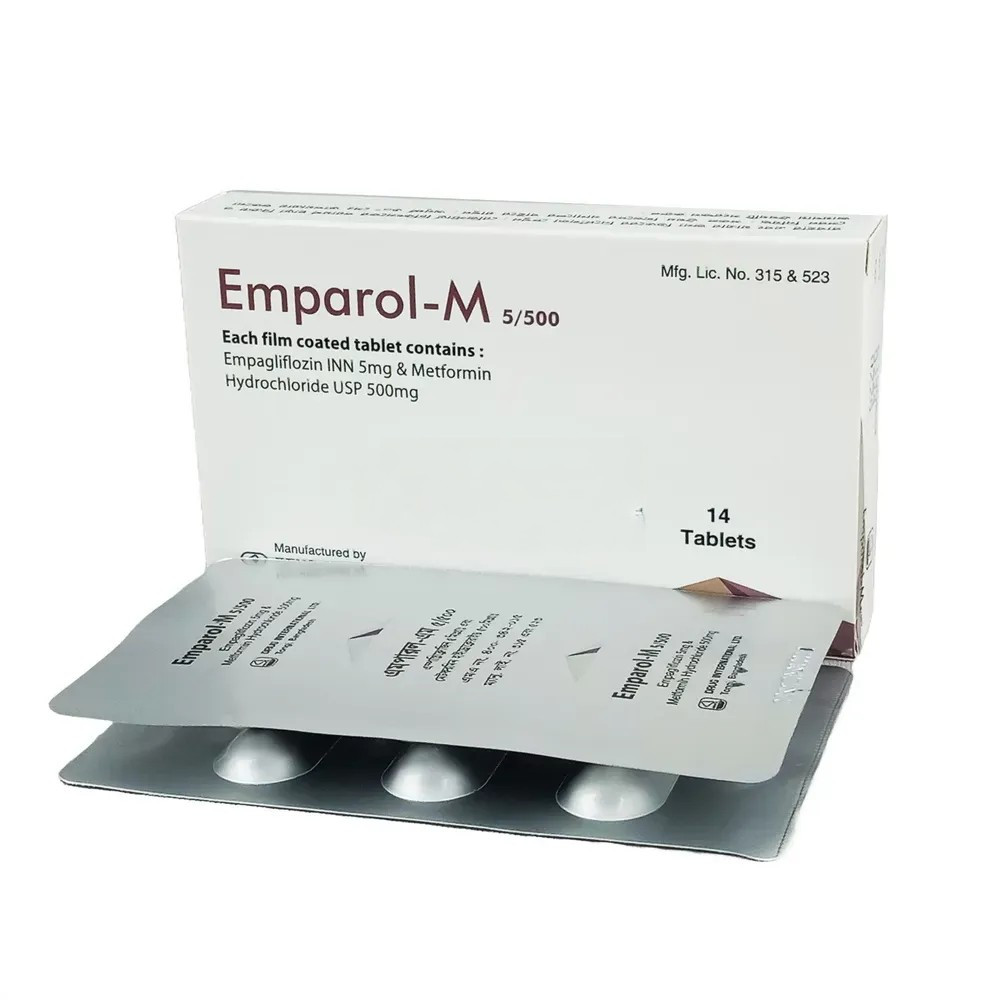
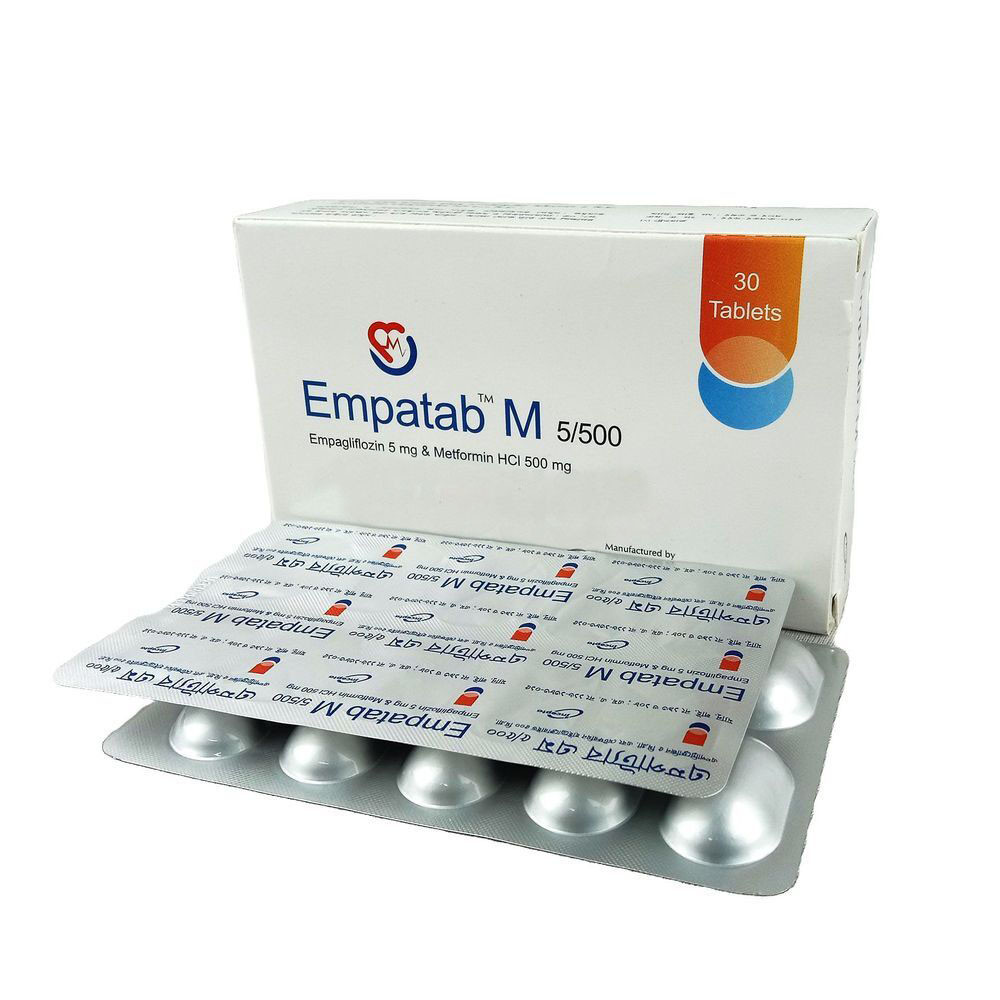
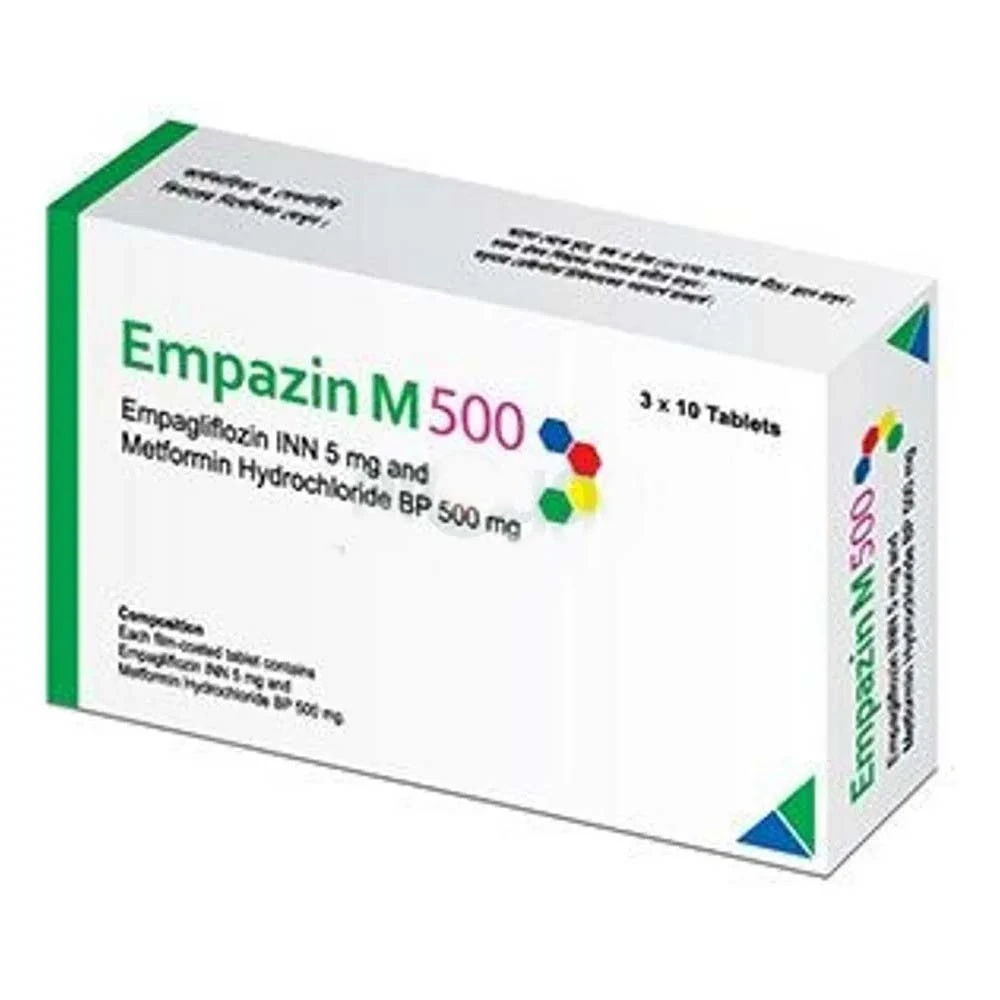
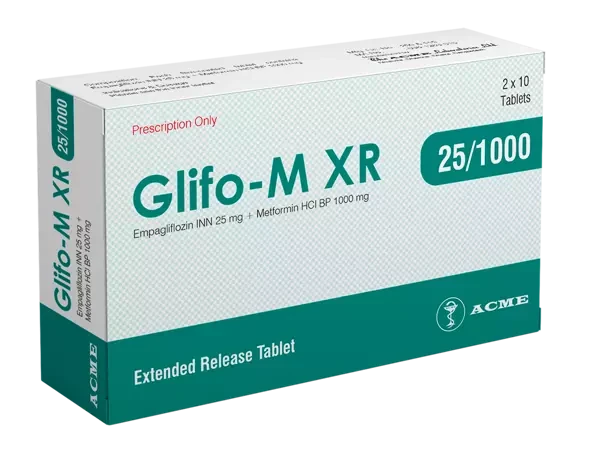
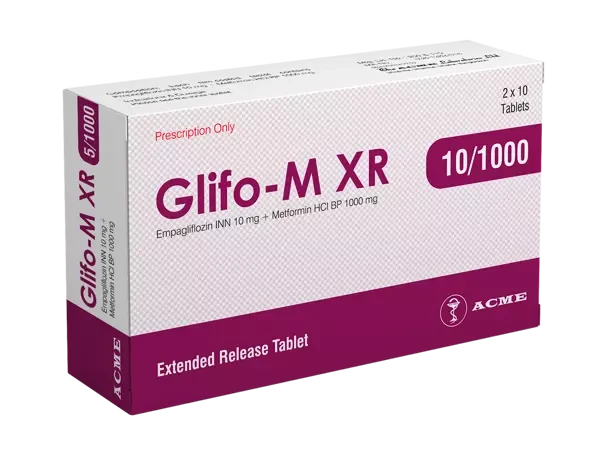
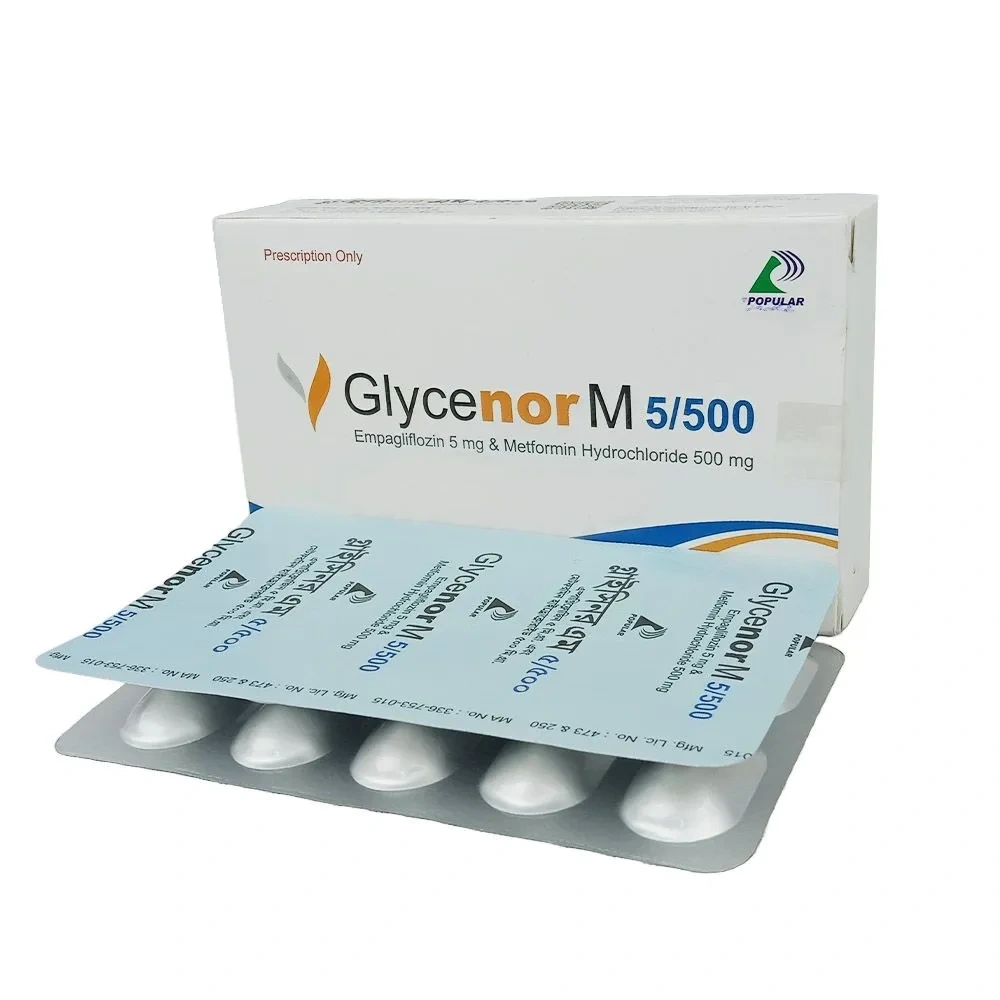
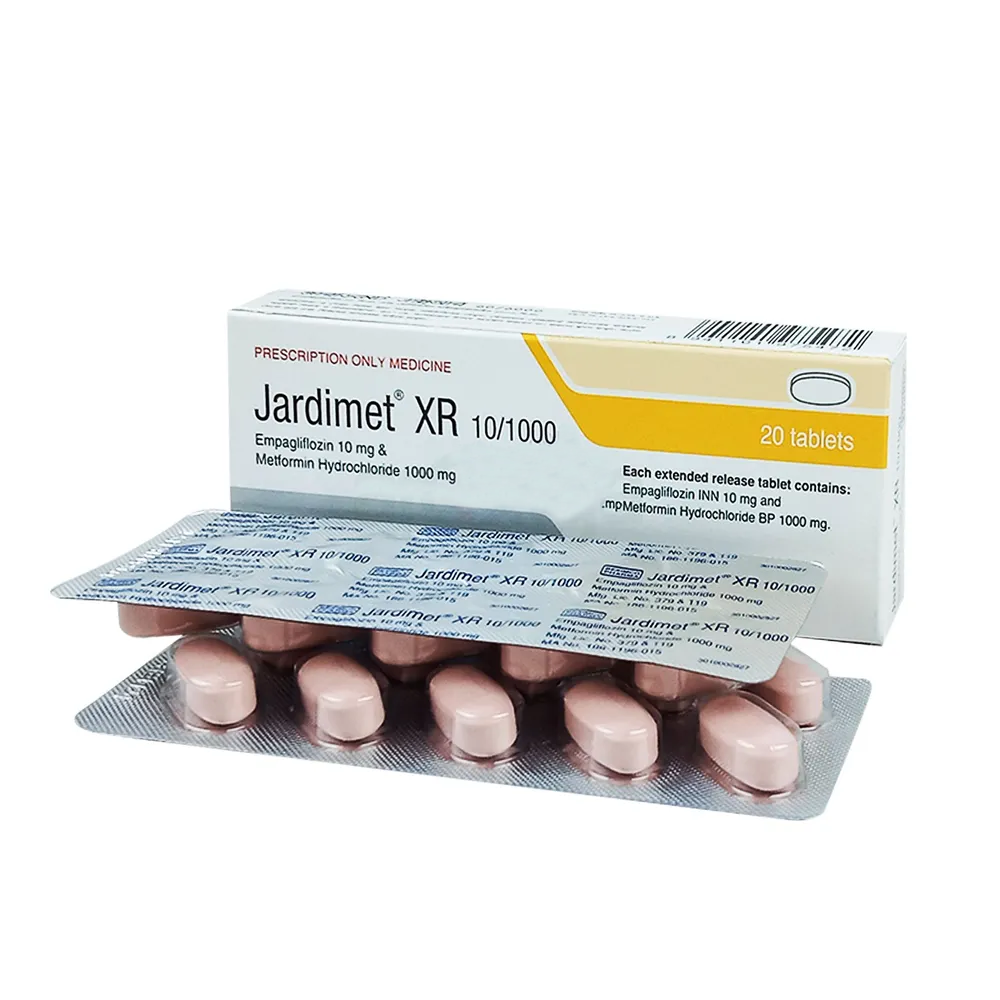
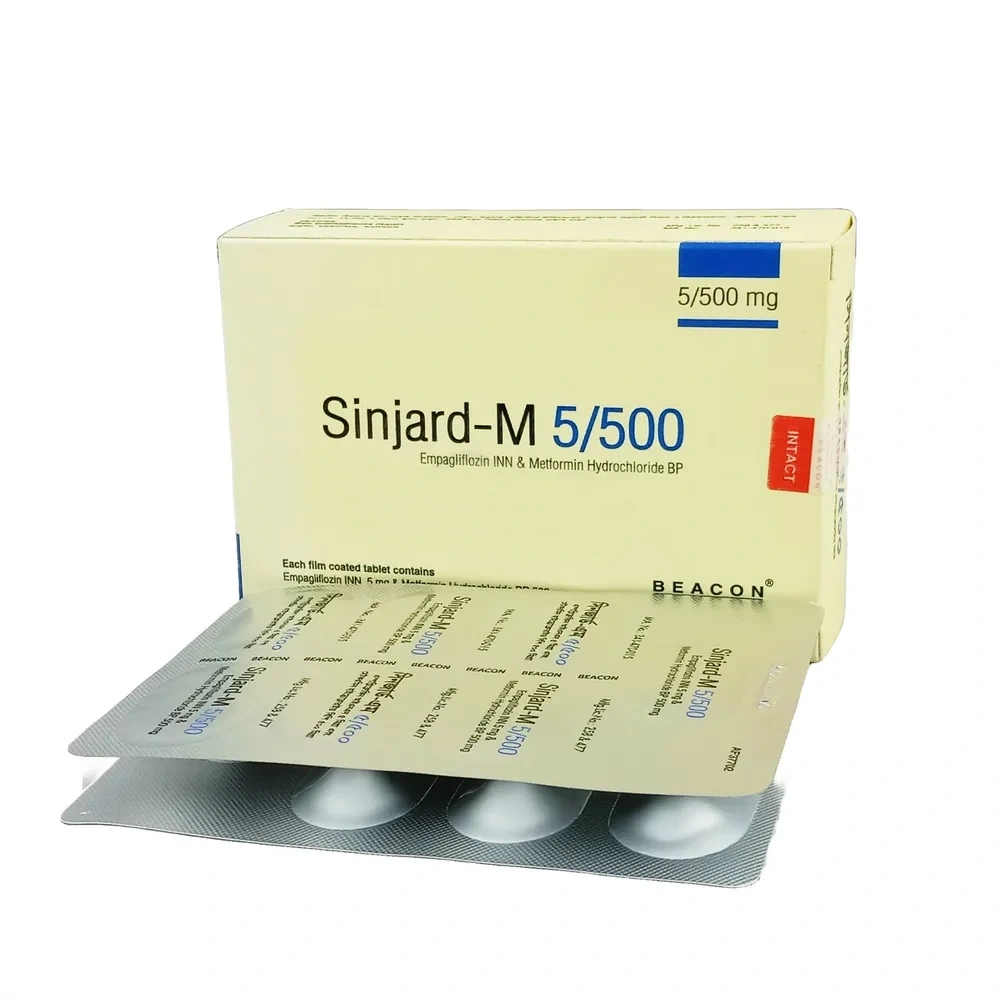
Empagliflozin + Metformin Hydrochloride is a combination of two antidiabetic medications used to treat patients with type 2 diabetes. Empagliflozin is a sodium glucose co-transporter-2 inhibitor and metformin is a biguanide.
Uses
Empagliflozin + Metformin Hydrochloride is used to treat patients with type 2 diabetes to improve blood glucose control.
Mechanism of Action
Empagliflozin inhibits the well-known sodium glucose co-transporter-2(SGLT-2) enzymes, which are responsible for the reabsorption of glucose by the kidney. Empagliflozin works by preventing glucose from getting reabsorbed by the kidney thus eliminating it through the urine. Metformin on the other hand decreases the production of glucose in the liver, decreases the absorption of glucose from the intestine, and increases the sensitivity of body tissues to insulin. This combination increases the glucose excretion from the body and reduces glucose production in the liver thereby controlling blood glucose levels.
How Long Does it take to Work?
Empagliflozin + Metformin Hydrochloride usually starts working within a few days of taking it. But it can take several weeks before the full effects of the medication can be felt.
Absorption
Empagliflozin is rapidly and extensively absorbed after oral administration, with a peak concentration achieved between 1.2 and 4 hours post dose. Metformin is completely absorbed throughout the gastrointestinal tract and is eliminated by the kidneys.
Route of Elimination
Empagliflozin is mainly eliminated through urine with the remainder eliminated in faeces. Metformin is eliminated from the body mainly via the kidneys.
Dosage
The recommended dose of Empagliflozin + Metformin Hydrochloride is one 10 mg/1000 mg tablet once daily. The dosage can be adjusted according to the patient’s blood glucose levels and response to treatment.
Administration
Empagliflozin + Metformin Hydrochloride should be taken orally with or without food. The tablet should be swallowed whole and not be crushed or chewed.
Side Effects
Common side effects of Empagliflozin + Metformin Hydrochloride include diarrhea, nausea/vomiting, stomachache, joint and muscle pain and dizziness. Rare side effects include: rashes, breathing difficulties, chest pain, vision changes, fever, chills, and trembling.
Toxicity
Overdose of Empagliflozin + Metformin Hydrochloride can lead to lactic acidosis due to metformin accumulation. Symptoms of lactic acidosis include cramps and nausea, unusual tiredness, difficulty breathing, unusual muscle pain, and coldness.
Precaution
Patients with cirrhosis, congestive heart failure, and those taking other antidiabetic medications should use Empagliflozin + Metformin Hydrochloride with caution. Patients with severe renal impairment should also be monitored closely. Patients should avoid excessive alcohol consumption while taking this medication.
Interaction
Empagliflozin + Metformin Hydrochloride can interact with certain antibiotics, medications for HIV, diuretics, medications for kidney problems, other antidiabetic medications, and some herbal/dietary supplements.
Disease Interaction
Empagliflozin + Metformin Hydrochloride should be used with caution in patients with diabetic ketoacidosis, kidney or liver problems, congestive heart failure, and congestive heart failures. It should also be used with caution in patients with a history of lactic acidosis.
Drug Interaction
Empagliflozin + Metformin Hydrochloride should not be used with other antidiabetic medications, antibiotics, medications for HIV, diuretics, and some herbal/dietary supplements. Before starting Empagliflozin + Metformin Hydrochloride, it is important to inform your doctor about all the other medications you are currently taking.
Food Interactions
It is best to take Empagliflozin + Metformin Hydrochloride on an empty stomach or with food to reduce the risk of stomach related side effects.
Pregnancy Use
Empagliflozin + Metformin Hydrochloride is classified as Pregnancy Category C, meaning that it may not be safe to use during pregnancy as it could cause harm to the fetus.
Lactation Use
It is not known whether Empagliflozin + Metformin Hydrochloride can pass into breast milk. Therefore, breastfeeding women should not take this medication without consulting their doctor.
Acute Overdose
If an overdose is suspected, the patient must seek medical help immediately. Symptoms of overdose may include drowsiness, vomiting, nausea, abdonimal pain, confusion, irregular heartbeat, respiratory failure, and coma.
Contraindication
Empagliflozin + Metformin Hydrochloride is contraindicated in patients with hypersensitivity to any component of the drug. It should also not be used in patients with diabetic ketoacidosis, hypersensitivity to metformin or other biguanides, impaired kidney and/or liver function, congestive heart failure, and cirrhosis.
Use Direction
Empagliflozin + Metformin Hydrochloride should be taken exactly as prescribed by the doctor and should not be taken in larger or smaller amounts than what is prescribed. The patient should inform the doctor if side effects occur or if the medication is not working as expected.
Storage Condition
Empagliflozin + Metformin Hydrochloride should be stored at a temperature between 20-25°C in a tightly closed container. It should be kept away from light, heat, and moisture.
Volume of Distribution
Empagliflozin + Metformin Hydrochloride has a volume of distribution of ~0.2 L/kg.
Half Life
The half-life of Empagliflozin + Metformin Hydrochloride is approximately 10 hours.
Clearance
The clearance rate of Empagliflozin + Metformin Hydrochloride is ~400 mL/min.