Introduction
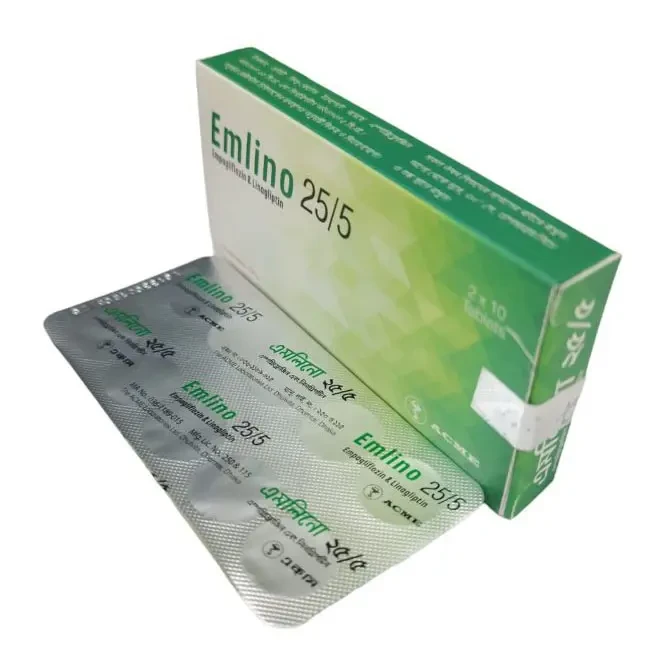
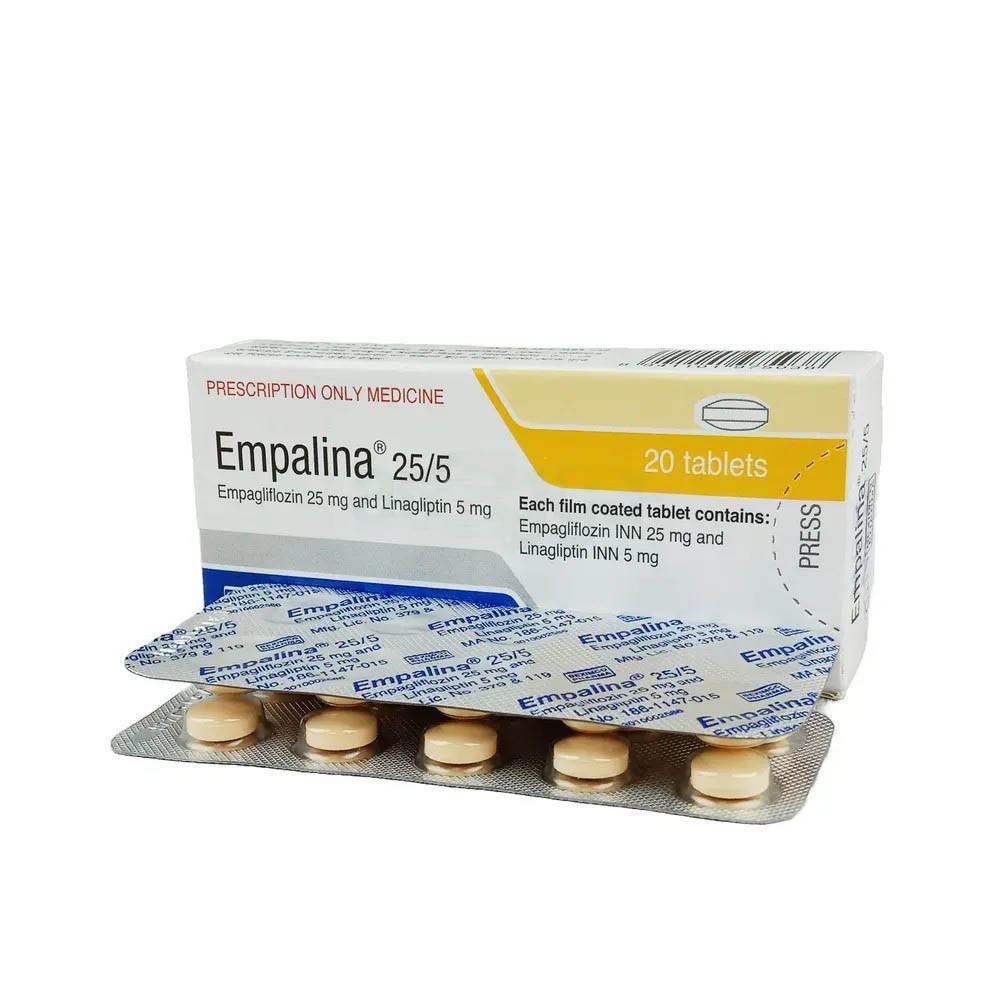
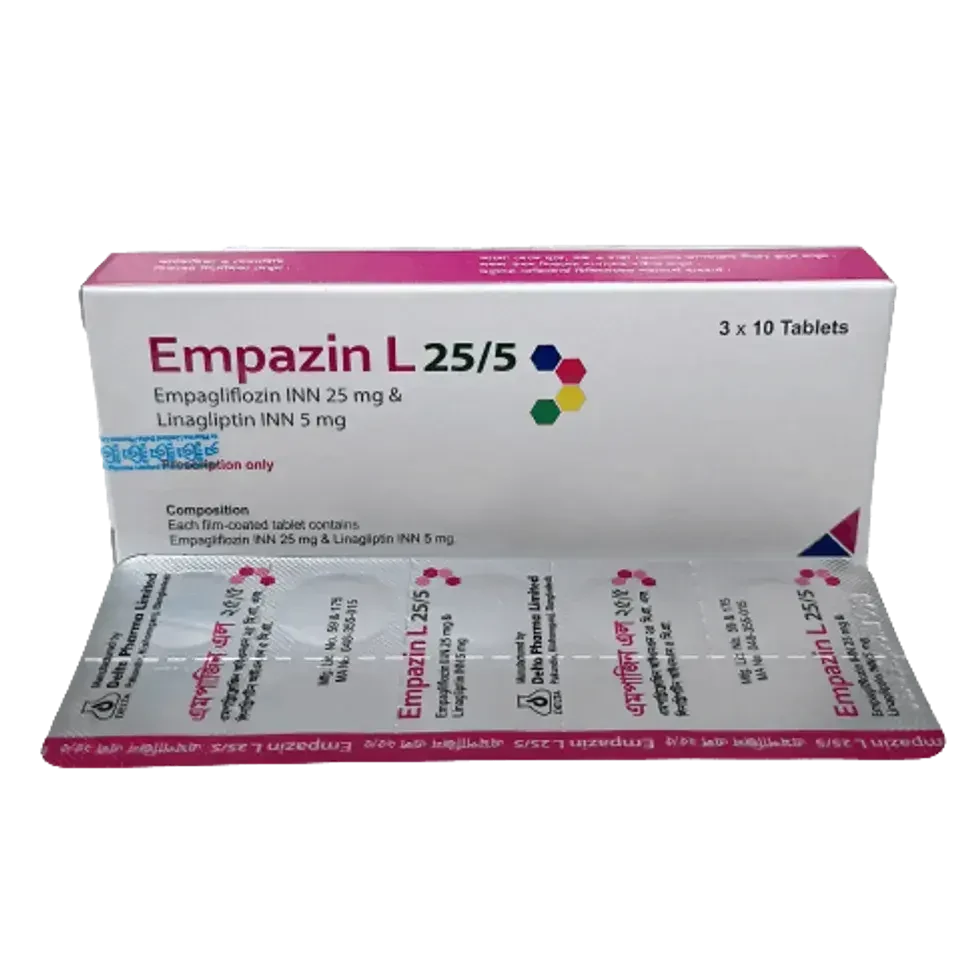
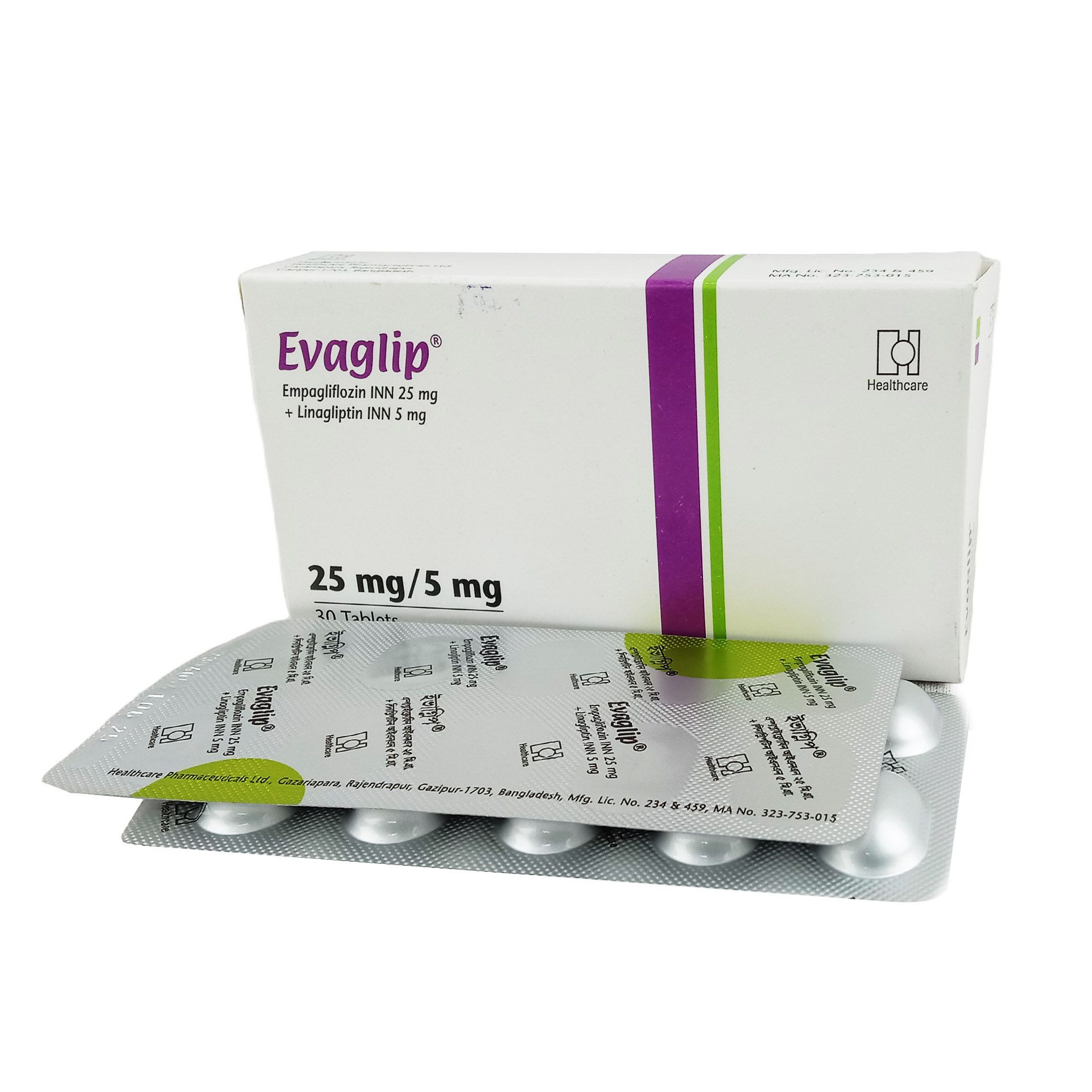
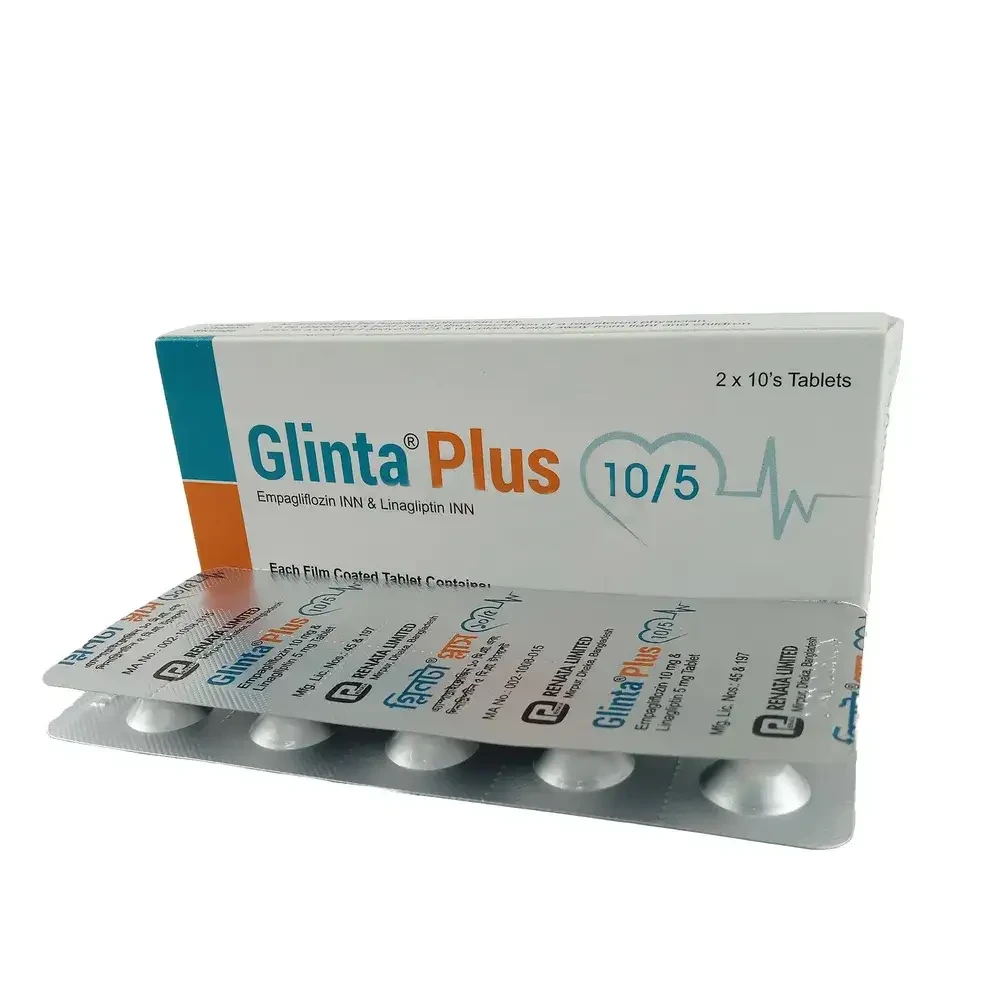
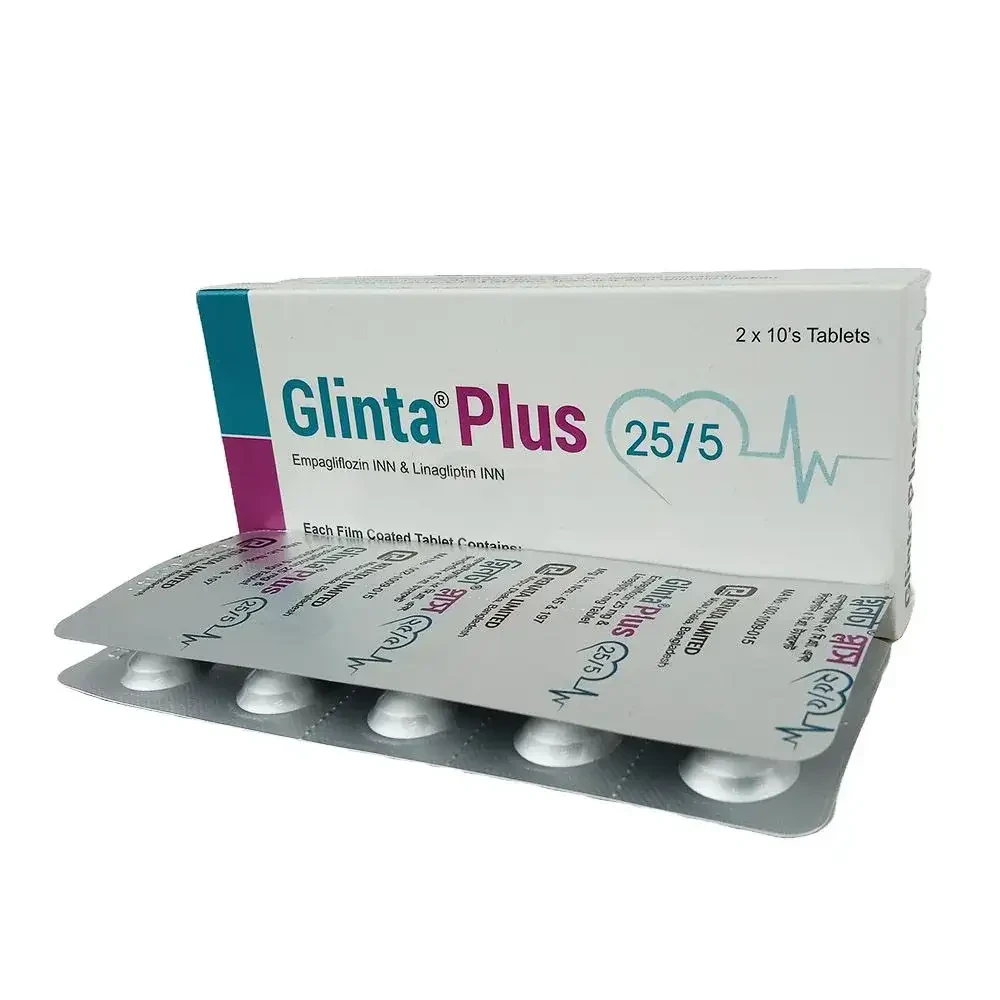
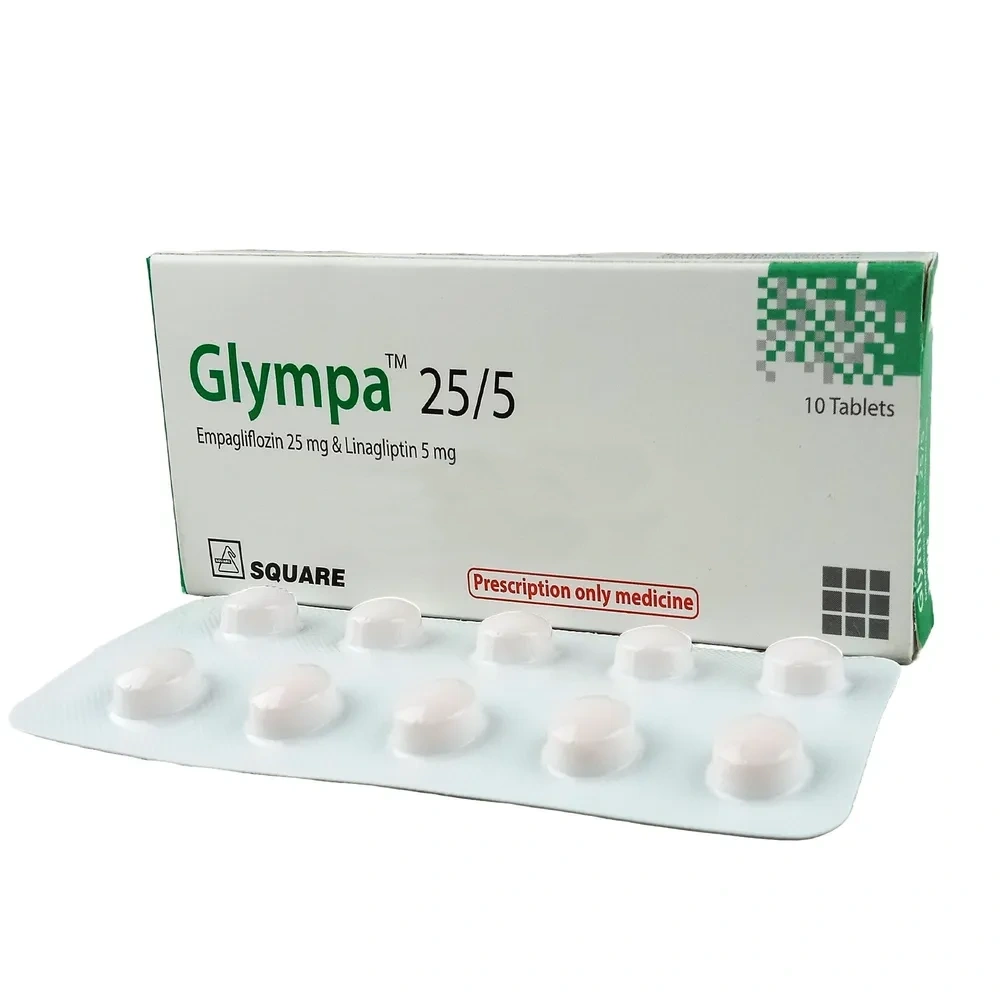
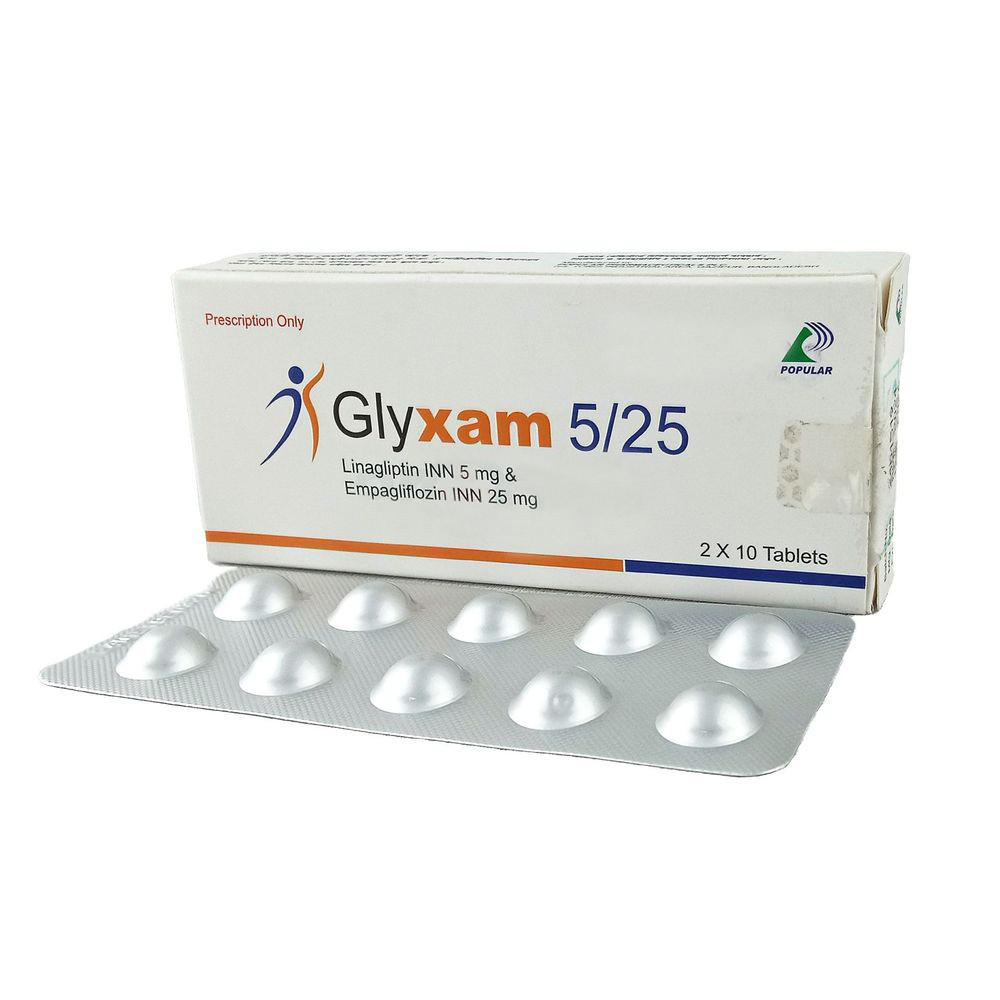
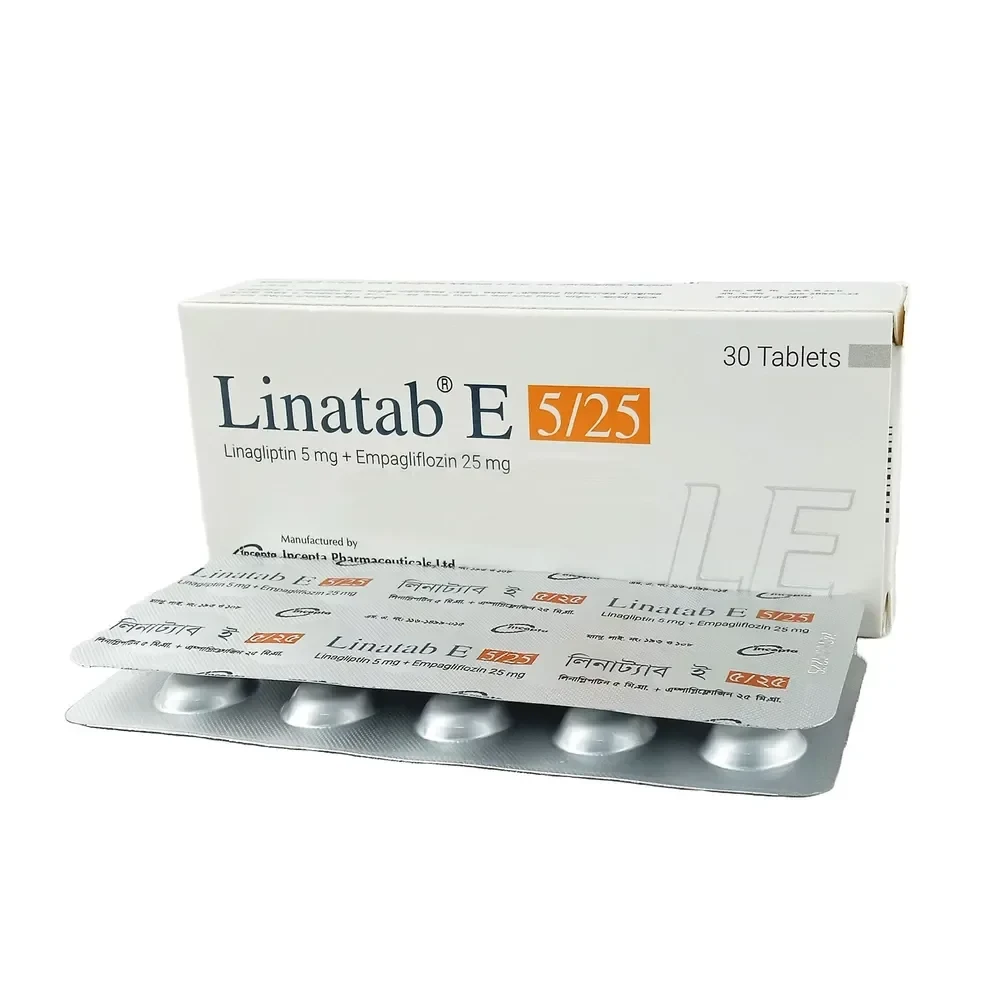
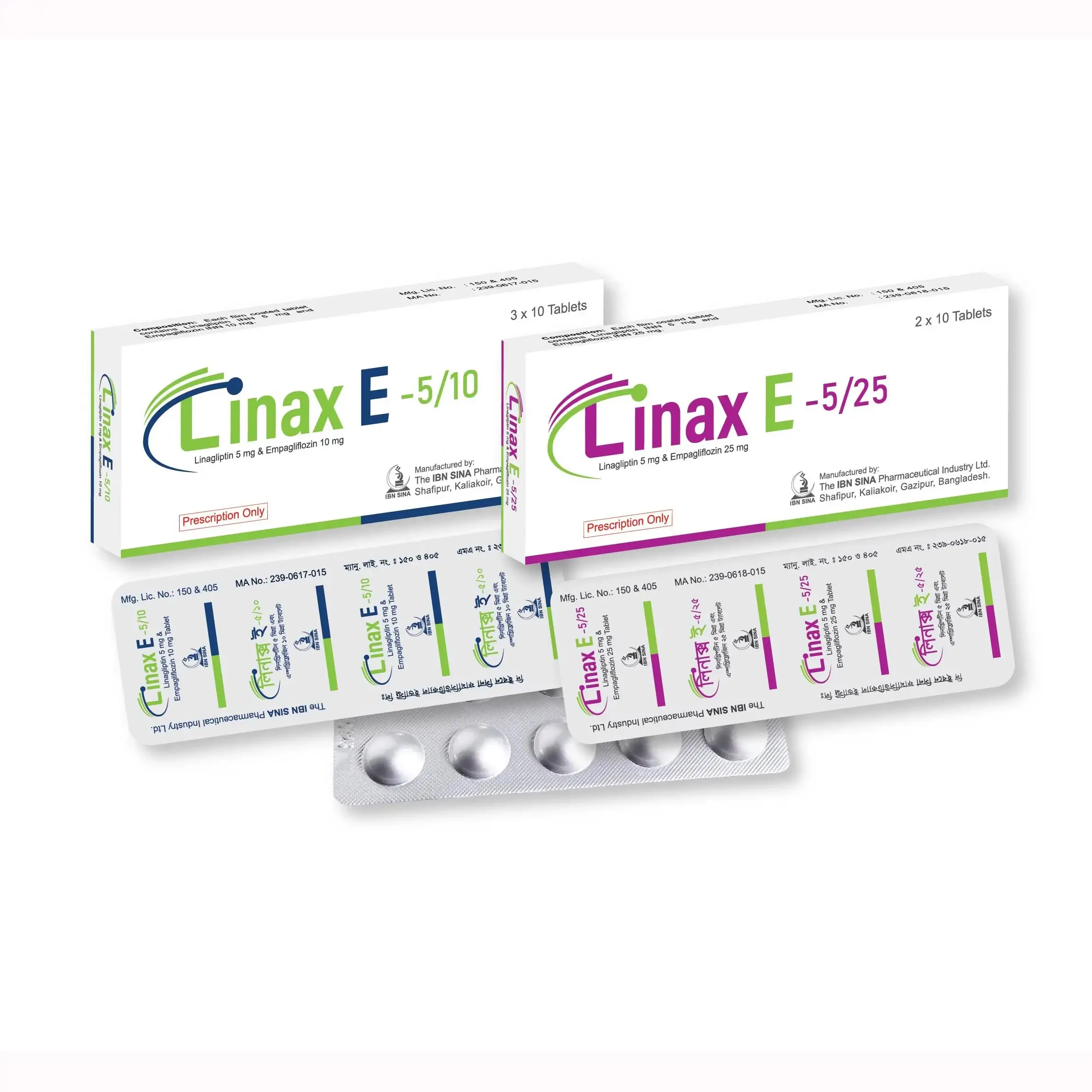
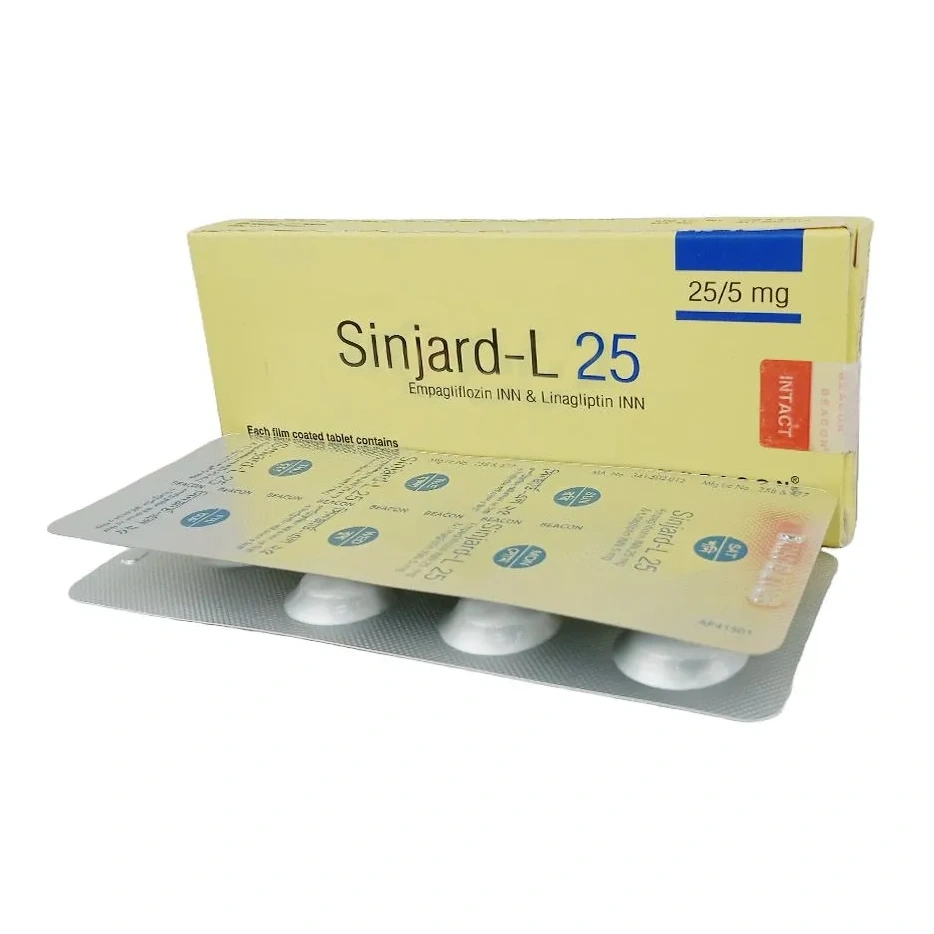
Empagliflozin and Linagliptin are combined in a fixed-dose medication used to manage type 2 diabetes mellitus. Empagliflozin is a sodium-glucose co-transporter 2 (SGLT2) inhibitor, while Linagliptin is a dipeptidyl peptidase-4 (DPP-4) inhibitor. This combination helps improve blood glucose control through complementary mechanisms of action.
Uses
Empagliflozin + Linagliptin is used for:
- Managing blood glucose levels in adults with type 2 diabetes mellitus.
- Improving glycemic control when diet and exercise alone are insufficient.
- As part of a comprehensive diabetes management plan including diet and exercise.
Mechanism of Action
Empagliflozin works by inhibiting SGLT2, which reduces glucose reabsorption in the kidneys, leading to increased glucose excretion in the urine and lower blood glucose levels. Linagliptin inhibits DPP-4, an enzyme that breaks down incretin hormones, leading to increased levels of these hormones which stimulate insulin release and reduce glucagon levels, improving blood glucose control.
How Long Does It Take to Work?
Patients may begin to see improvements in blood glucose levels within a few weeks of starting Empagliflozin + Linagliptin. However, optimal glycemic control might take several weeks to a few months. Regular monitoring and follow-up are necessary to assess effectiveness and adjust the treatment plan as needed.
Absorption
Empagliflozin and Linagliptin are absorbed through the gastrointestinal tract. Empagliflozin is well absorbed with peak plasma concentrations reached within 1.5 hours. Linagliptin is also well absorbed, with peak plasma levels occurring approximately 1.5 to 2 hours after ingestion.
Route of Elimination
Empagliflozin is primarily eliminated through renal excretion as unchanged drug. Linagliptin is mainly excreted unchanged in the feces with a small amount in the urine.
Dosage
Recommended dose: 10 mg Empagliflozin and 5 mg Linagliptin once daily, taken in the morning, with or without food.Increased dose: Dose may be increased to 25 mg Empagliflozin and 5 mg Linagliptin once daily.
Renal impaired patients: Assess renal function before initiating this tablet. Do not initiate this tablet if eGFR is below 45 mL/min/1.73 m2. Discontinue taking this tablet if eGFR falls below 45 ml/min/1.73 m2
The typical dosage of Empagliflozin + Linagliptin is:
- One tablet once daily.
- Dosage strength may vary, typically including combinations such as 10 mg Empagliflozin and 5 mg Linagliptin.
- Dosage adjustments may be required based on individual patient needs and renal function.
Administration
Empagliflozin + Linagliptin should be taken orally, once daily. It can be taken with or without food. Consistent daily administration is important for optimal effectiveness.
Side Effects
Common side effects may include:
- Genital infections
- Urinary tract infections
- Increased urination
- Headache
Severe side effects may include:
- Severe hypoglycemia
- Acute kidney injury
- Pancreatitis
- Allergic reactions (e.g., rash, itching, swelling)
Toxicity
Toxicity is rare but may include severe dehydration or hypotension from the diuretic effect of Empagliflozin. In cases of overdose, symptomatic treatment and supportive care are necessary. There is no specific antidote.
Precautions
Precautions include:
- Monitoring renal function regularly.
- Assessing patients for risk of hypoglycemia, especially if used in combination with other antidiabetic agents.
- Evaluating for signs of pancreatitis or severe urinary tract infections.
Interaction
Empagliflozin + Linagliptin may interact with:
- Diuretics, which may increase the risk of dehydration and hypotension.
- Other antidiabetic medications, which may increase the risk of hypoglycemia.
- Rifampin and other enzyme inducers, which may reduce the effectiveness of Linagliptin.
Disease Interaction
Use with caution in patients with:
- Renal impairment or chronic kidney disease.
- History of pancreatitis.
- Severe infections or dehydration.
Drug Interaction
Drug interactions may include:
- Diuretics and other antihypertensives, which can enhance hypotensive effects.
- Insulin and other antidiabetic agents, which may increase the risk of hypoglycemia.
- Drugs affecting renal function, which may impact the efficacy and safety of Empagliflozin.
Food Interactions
Food interactions are minimal. However, consistent food intake and regular monitoring are advisable to maintain stable blood glucose levels.
Pregnancy Use
Empagliflozin + Linagliptin is generally not recommended during pregnancy due to potential risks to the fetus. Alternative treatments should be considered, and if necessary, use should be based on a careful assessment of benefits versus risks.
Lactation Use
The safety of Empagliflozin + Linagliptin during lactation is not well-established. It is recommended to use alternative treatments or discontinue breastfeeding if the drug is necessary for the mother's health.
Acute Overdose
In case of acute overdose, seek medical attention immediately. Management includes supportive care and symptomatic treatment. There is no specific antidote for the components of Empagliflozin + Linagliptin.
Contraindication
Empagliflozin + Linagliptin is contraindicated in:
- Patients with severe renal impairment or end-stage renal disease.
- Patients with a history of severe hypersensitivity reactions to either component.
- Patients with type 1 diabetes or diabetic ketoacidosis.
Use Direction
Follow the prescribed dosage and administration instructions. Do not exceed the recommended dose, and avoid combining with other antidiabetic medications without consulting a healthcare provider.
Storage Conditions
Store Empagliflozin + Linagliptin at room temperature, away from moisture and heat. Keep the medication in its original container and out of reach of children.
Volume of Distribution
The volume of distribution for Empagliflozin and Linagliptin is not well-defined as they are primarily localized in the bloodstream and tissues related to their mechanisms of action.
Half Life
Empagliflozin has a half-life of approximately 12.4 hours, while Linagliptin has a half-life of around 12 hours. This allows for once-daily dosing.
Clearance
Empagliflozin is cleared primarily through renal excretion, while Linagliptin is mainly cleared through fecal excretion. Both drugs require consideration of renal and hepatic function in dosing adjustments.