Introduction
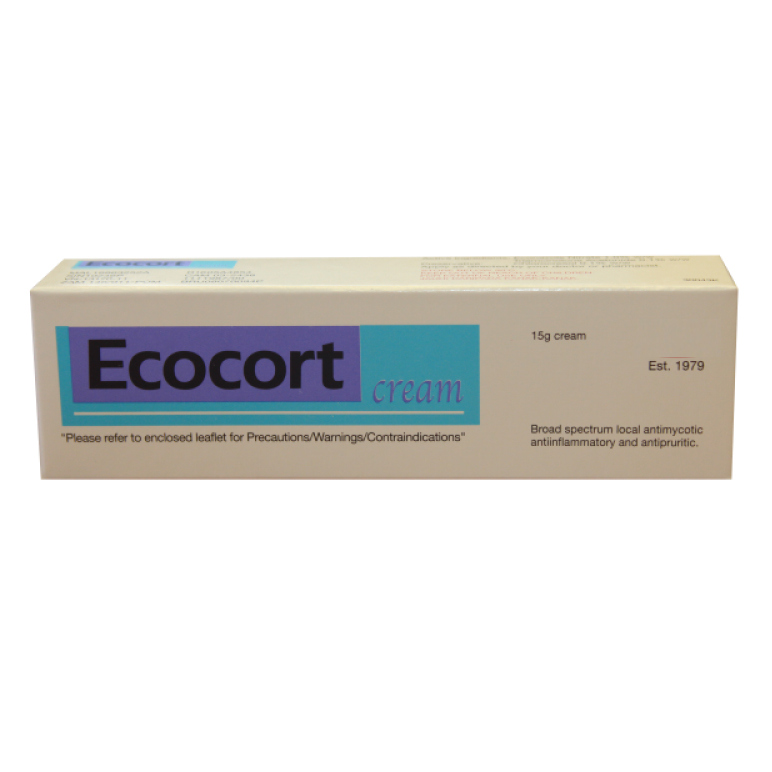
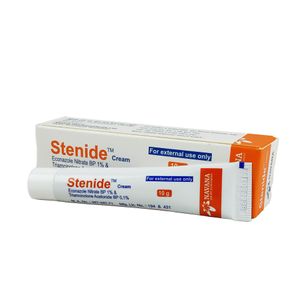
Econazole nitrate and triamcinolone acetonide are combined in a topical formulation used for treating various dermatological conditions. Econazole nitrate is an antifungal agent, while triamcinolone acetonide is a corticosteroid. This combination is effective in treating fungal infections with associated inflammation or itching.
Uses
The combination of econazole nitrate and triamcinolone acetonide is used to treat:
- Fungal skin infections, such as athlete's foot, ringworm, and jock itch.
- Inflammatory skin conditions associated with fungal infections, including eczema and dermatitis.
Mechanism of Action
Econazole nitrate works by inhibiting the synthesis of ergosterol, a crucial component of fungal cell membranes, leading to the death of the fungus. Triamcinolone acetonide, a corticosteroid, reduces inflammation, redness, and itching by suppressing the immune response and decreasing the production of inflammatory mediators.
How Long Does It Take to Work?
The efficacy of the treatment can be observed within 1-2 weeks of application. However, complete resolution of symptoms may take longer, depending on the severity of the infection and the response to therapy.
Absorption
When applied topically, econazole nitrate and triamcinolone acetonide are minimally absorbed through the skin. The systemic absorption is usually low, which minimizes the risk of systemic side effects.
Route of Elimination
The drugs are primarily eliminated through the skin and are excreted in small amounts in the urine. Triamcinolone acetonide, if absorbed systemically, is metabolized in the liver and excreted in the urine.
Dosage
Adults: This cream should be applied sparingly to the skin lesion no more than 2 times daily, preferably once in the morning and once in the evening. This cream should not be applied with an occlusive dressing, or to large areas of skin on the body. The duration of treatment with this cream should continue until the inflammatory symptoms subside but not longer than 2 weeks; after 2 weeks of therapy with this cream, continue therapy as needed with a preparation containing econazole or econazole nitrate alone.Pediatric Use: Pediatric patients may demonstrate greater susceptibility to topical corticosteroid-induced HPA axis suppression and Cushing's syndrome than mature patients because of a larger skin surface area to body weight. Caution should be exercised.
Apply the combination cream to the affected area once or twice daily, depending on the severity of the condition and the specific instructions from a healthcare provider. The duration of treatment typically ranges from 2 to 4 weeks, but may be adjusted based on clinical response and tolerability.
Administration
The cream should be applied in a thin layer to the affected skin areas. It should be gently rubbed in until fully absorbed. Avoid applying to broken or irritated skin and do not use occlusive dressings unless directed by a healthcare provider.
Side Effects
Common side effects include:
- Local irritation
- Burning or stinging sensation
- Dryness or peeling of the skin
- Allergic reactions (e.g., rash, itching)
- Secondary infections
- Skin thinning with prolonged use
Toxicity
Topical application of econazole nitrate and triamcinolone acetonide has a low risk of toxicity due to minimal systemic absorption. Overuse or improper application may lead to local skin reactions or potential systemic effects if significant amounts are absorbed.
Precautions
Precautions include:
- Avoid contact with eyes and mucous membranes.
- Do not apply to large areas of the body or under occlusive dressings unless advised by a healthcare provider.
- Monitor for signs of local irritation or allergic reaction.
Interaction
Drug interactions are minimal due to the topical route of administration. However, concurrent use of other topical medications should be monitored to avoid potential interactions.
Disease Interaction
Use with caution in patients with:
- Systemic fungal infections
- Conditions that may be exacerbated by corticosteroids, such as tuberculosis of the skin
- Impaired skin integrity
Drug Interaction
Minimal drug interactions are expected with other topical medications. Systemic interactions are unlikely due to low systemic absorption.
Food Interactions
There are no known food interactions with the topical use of econazole nitrate and triamcinolone acetonide.
Pregnancy Use
The safety of this combination during pregnancy is not well established. It should be used during pregnancy only if clearly needed and if the benefits outweigh the risks. Consult a healthcare provider for a risk assessment.
Lactation Use
It is not known whether the topical application of this combination affects breast milk or nursing infants. Caution is advised, and a healthcare provider should be consulted before use during lactation.
Acute Overdose
Acute overdose is unlikely due to the topical route of administration. In case of accidental ingestion or excessive application, seek medical advice. Treatment will be symptomatic and supportive.
Contraindication
The combination is contraindicated in individuals with:
- Hypersensitivity to econazole nitrate, triamcinolone acetonide, or any component of the formulation
- Known fungal infections that may be exacerbated by corticosteroids
Use Direction
Apply the cream as directed by a healthcare provider. Avoid applying to open wounds or sensitive areas. Follow the prescribed treatment duration to avoid relapse of the infection or worsening of symptoms.
Storage Conditions
Store the cream at room temperature, between 15°C and 30°C (59°F and 86°F). Keep the container tightly closed and protect from light. Keep out of reach of children.
Volume of Distribution
The volume of distribution for the topical formulation is not well characterized, but systemic absorption is minimal.
Half Life
The half-life of econazole nitrate and triamcinolone acetonide is not directly applicable due to their topical use and minimal systemic absorption. For systemic formulations, triamcinolone has a half-life of approximately 2-4 hours.
Clearance
The clearance of the topical formulation is not well defined. Systemic clearance of triamcinolone is primarily through hepatic metabolism and renal excretion.