Introduction
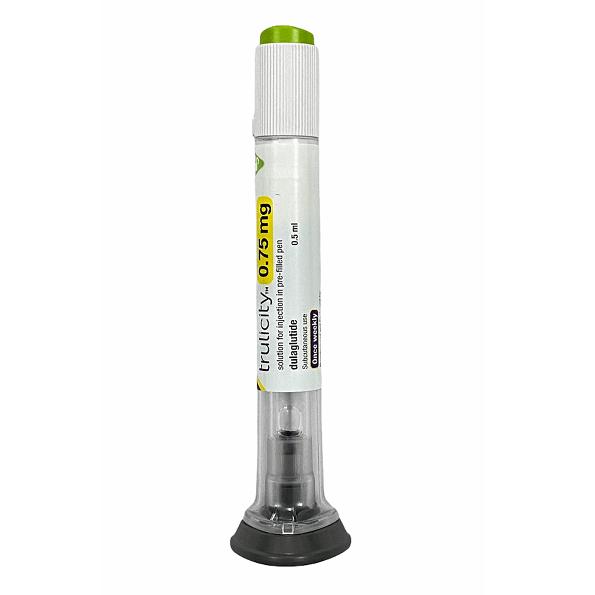
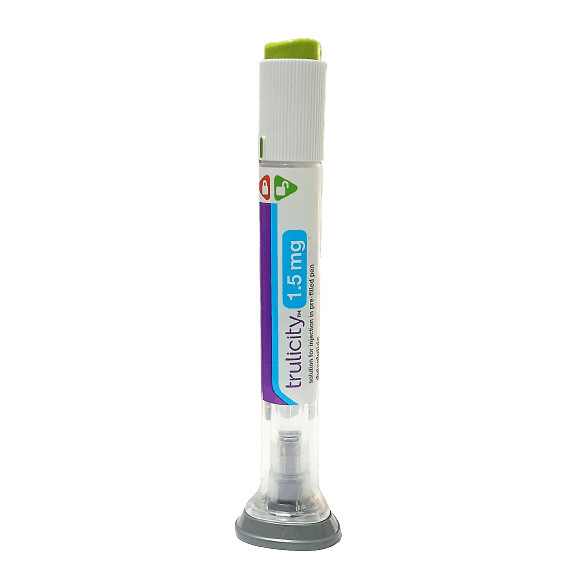
Dulaglutide, is a once-weekly subcutaneous glucagon-like peptide-1 (GLP-1) receptor agonist designed using recombinant DNA technology; it has been approved as an adjunct therapy to diet and exercise in the management of 2 diabetes (T2DM). It used in patients with T2DM and multiple cardiovascular risk factors for the prevention of cardiovascular events. It is the first T2DM drug approved to reduce major adverse cardiovascular events (MACE) risk in primary and secondary prevention populations.
Uses
Dulaglutide is a GLP-1 agonist used to manage type 2 diabetes mellitus.
Dulaglutide is as an adjunct therapy to diet and exercise for glycemic control in adults with type 2 diabetes mellitus. Additionally, it is indicated to reduce the risk of major adverse cardiovascular events (MACE) in adult type 2 diabetes mellitus patients with cardiovascular disease or multiple cardiovascular risk factors.
Associated Conditions
Pharmacodynamics
Dulaglutide reduces fasting glucose concentrations and reduces postprandial glucose (PPG) concentrations in patients with type 2 diabetes mellitus through the agonism of the GLP-1 receptor. This drug primarily acts as an incretin mimetic hormone or analog of human glucagon-like peptide-1, which normally acts on the GLP-1 receptor.
Mechanism of Action
Dulaglutide activates the GLP-1 receptor found in pancreatic beta cells, increasing intracellular cyclic AMP (cAMP) in beta cells, leading to insulin release and subsequent reduction of blood glucose concentrations. Additionally, dulaglutide decreases glucagon secretion and slows gastric emptying.
Absorption
Dulaglutide is slowly absorbed after subcutaneous injection. In a pharmacokinetic study of 20 healthy adults, Cmax occurred within 24-48 hours after dosing. The average absolute bioavailability of dulaglutide after subcutaneous injections of single 0.75 mg and 1.5 mg doses was 65% and 47%, respectively.
Volume of Distribution
The apparent volume of distribution of dulaglutide was 3.09 L in a pharmacokinetic study; the apparent population mean peripheral volume of distribution was approximately 6 L.
Protein Binding
Protein binding information for dulaglutide is not readily available in the literature.
Route of Elimination
Elimination of dulaglutide is expected to occur through degradation to individual amino acids.
Half Life
In a pharmacokinetic study of 20 healthy adults, the average half-life of dulaglutide administered at various doses was approximately 3.75 days (89.9 hours). This extended half-life allows for once-weekly dosing. Prescribing information indicates a half-life of approximately 5 days.
Clearance
The apparent population mean clearance of dulaglutide was 0.142 L/h in a pharmacokinetic study.
Toxicity
LD50 information for dulaglutide is not readily available in the literature. Cases of overdose with dulaglutide have resulted in gastrointestinal disturbance. Appropriate supportive treatment is recommended to manage signs and symptoms. Additionally, hypoglycemia has been observed after an overdose with dulaglutide; frequent plasma glucose monitoring should be performed.
Food Interactions
- Take with or without food.
Dosage
If a dose is missed, instruct patients to administer as soon as possible if there are at least 3 days (72 hours) until the next scheduled dose. If less than 3 days remain before the next scheduled dose, skip the missed dose and administer the next dose on the regularly scheduled day. In each case, patients can then resume their regular once weekly dosing schedule. The day of weekly administration can be changed if necessary as long as the last dose was administered 3 or more days before.