Introduction
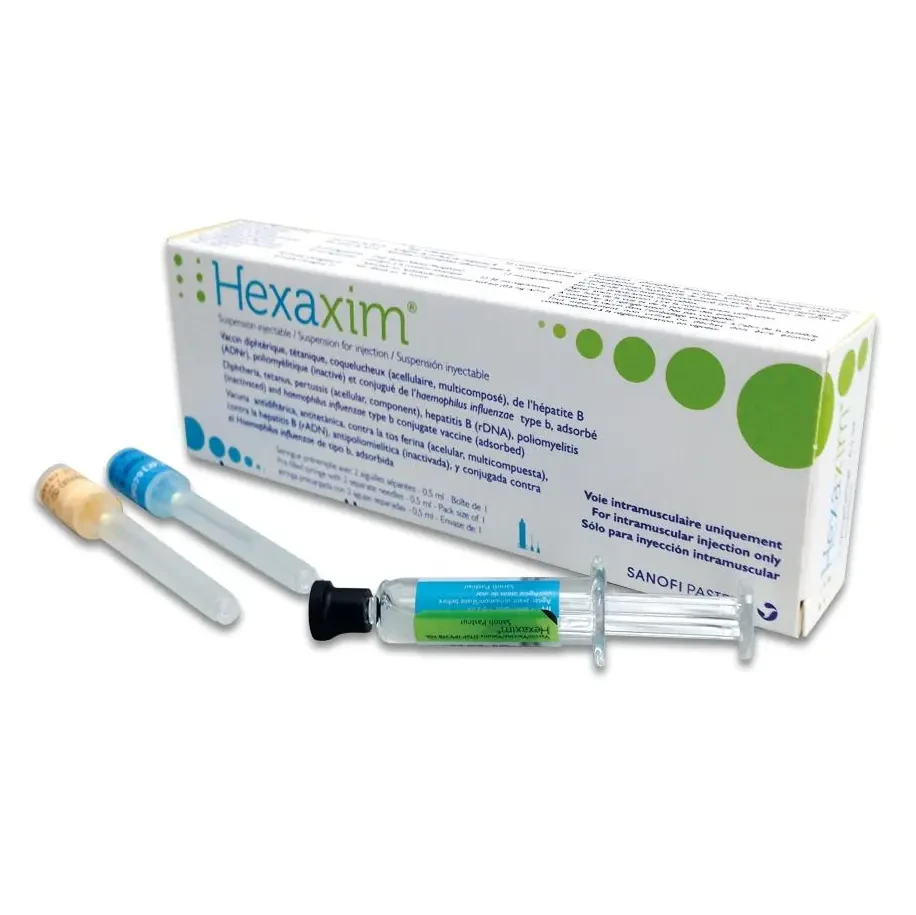
The Diphtheria, Tetanus, Pertussis, Hepatitis B, Polio, and Haemophilus influenzae type b (HIB) vaccine, commonly referred to as the hexavalent vaccine, is a combination vaccine used to protect against six potentially serious diseases. These diseases are diphtheria, tetanus, pertussis (whooping cough), hepatitis B, polio, and HIB infections. The hexavalent vaccine is widely administered as part of routine immunization schedules for infants and young children.
Uses
The hexavalent vaccine is used to:
- Prevent diphtheria, a serious bacterial infection affecting the respiratory system.
- Prevent tetanus, a bacterial infection that causes severe muscle stiffness and spasms.
- Prevent pertussis (whooping cough), a highly contagious respiratory infection.
- Prevent hepatitis B, a viral infection that affects the liver and can lead to chronic liver disease or liver cancer.
- Prevent polio, a viral infection that can cause paralysis and disability.
- Prevent Haemophilus influenzae type b (HIB), a bacterial infection that can cause severe diseases such as meningitis and pneumonia.
Mechanism of Action
The hexavalent vaccine works by stimulating the immune system to produce antibodies against the six targeted pathogens: diphtheria, tetanus, pertussis, hepatitis B, poliovirus, and HIB bacteria. The vaccine contains inactivated forms of these pathogens or their toxoids (inactivated toxins), which cannot cause disease but are recognized by the immune system, prompting the production of protective antibodies. This prepares the immune system to fight off these infections if the child is exposed to them in the future.
How Long Does It Take to Work?
The vaccine begins to stimulate an immune response within days of administration, but full protection develops after completing the entire vaccination series. Multiple doses are required to ensure long-term immunity.
Absorption
The hexavalent vaccine is administered intramuscularly, usually in the thigh or upper arm. The vaccine components are absorbed into the bloodstream through the muscle tissue, where they are processed by the immune system.
Route of Elimination
The inactivated vaccine components are metabolized by the body's immune and metabolic systems. They are broken down into smaller components and excreted through the kidneys and liver.
Dosage
Primary Vaccination: Three injections at an interval of one to two months (at least four weeks apart).Booster: At least 6 months after the last dose of first course. This vaccine should be used according to the local vaccination programme.
This should be administered intramuscularly. The recommended injection sites are generally the anterolateral aspect of the upper thigh in infants and toddlers and the deltoid muscle in older children. The intradermal or intravascular route must not be used.; ensure that the needle does not penetrate a blood vessel. Separate syringes, separate injection sites and preferably separate limbs must be used in case of the concomitant administration with other vaccines.
The standard dosage for the hexavalent vaccine is 0.5 mL per injection. It is typically administered in a series of three to four doses:
- At 2 months of age.
- At 4 months of age.
- At 6 months of age.
- A booster dose at 12-15 months (depending on local immunization schedules).
Administration
The hexavalent vaccine is administered by a healthcare professional via intramuscular injection. The preferred injection sites are the anterolateral thigh for infants and the deltoid muscle of the upper arm for older children.
Side Effects
Common side effects of the hexavalent vaccine include:
- Pain, redness, or swelling at the injection site.
- Mild fever.
- Irritability or fussiness.
- Loss of appetite.
- Drowsiness or tiredness.
Toxicity
The hexavalent vaccine is considered safe and non-toxic when used as recommended. Severe adverse reactions are rare but may include allergic reactions (e.g., anaphylaxis). Medical attention should be sought if a serious reaction occurs.
Precautions
Precautions should be taken for individuals who:
- Have a history of severe allergic reactions to any component of the vaccine.
- Have a history of encephalopathy within seven days of a previous dose of a pertussis-containing vaccine.
- Are experiencing moderate to severe illness at the time of vaccination (vaccination may be delayed).
Interaction
The hexavalent vaccine can be administered alongside other vaccines in accordance with recommended immunization schedules. No significant interactions with medications have been reported, but healthcare providers should be informed of any other treatments the child is receiving.
Disease Interaction
Immunocompromised individuals, such as those undergoing cancer treatment or living with HIV/AIDS, may have a reduced response to the vaccine. These individuals may require additional doses or alternative immunization strategies to achieve sufficient protection.
Drug Interaction
There are no significant drug interactions reported with the hexavalent vaccine. However, live vaccines should be given in accordance with immunization guidelines to avoid interference with immune responses.
Food Interactions
There are no known food interactions with the hexavalent vaccine. It can be administered regardless of food intake, and diet does not affect the vaccine's efficacy or safety.
Pregnancy Use
The hexavalent vaccine is not intended for use during pregnancy, as it is primarily administered to infants and young children. However, pregnant women should receive the Tdap vaccine (which covers tetanus, diphtheria, and pertussis) to protect both the mother and newborn from pertussis.
Lactation Use
The hexavalent vaccine is not intended for use during lactation. It is administered to infants and young children and does not impact breastfeeding. There is no risk posed to breastfeeding infants if the mother has been vaccinated with other vaccines.
Acute Overdose
There is no known risk of overdose with the hexavalent vaccine. Accidental administration of an additional dose is unlikely to cause harm beyond typical side effects such as local irritation and mild fever.
Contraindication
The hexavalent vaccine is contraindicated in individuals who:
- Have had a severe allergic reaction to a previous dose of the vaccine or any of its components.
- Have a history of encephalopathy following a pertussis-containing vaccine.
Use Direction
The vaccine should be administered according to the standard pediatric immunization schedule. It is important to follow local vaccination guidelines and ensure timely administration of all doses to ensure full protection against the six targeted diseases.
Storage Conditions
The hexavalent vaccine should be stored in a refrigerator at 2°C to 8°C (36°F to 46°F). It should not be frozen and must be protected from light. The vaccine should be used before the expiration date on the packaging.
Volume of Distribution
As a vaccine, the hexavalent vaccine does not distribute systemically in the same way as drugs. Instead, it remains localized at the site of injection, where it is processed by the immune system.
Half Life
The vaccine does not have a traditional half-life like pharmacological agents. Its effectiveness is based on the immune system's ability to generate memory cells that provide long-term protection, which may last for several years.
Clearance
The vaccine components are metabolized and cleared by the body's immune and excretory systems. The proteins and toxoids in the vaccine are broken down and excreted via urine and bile.