Introduction
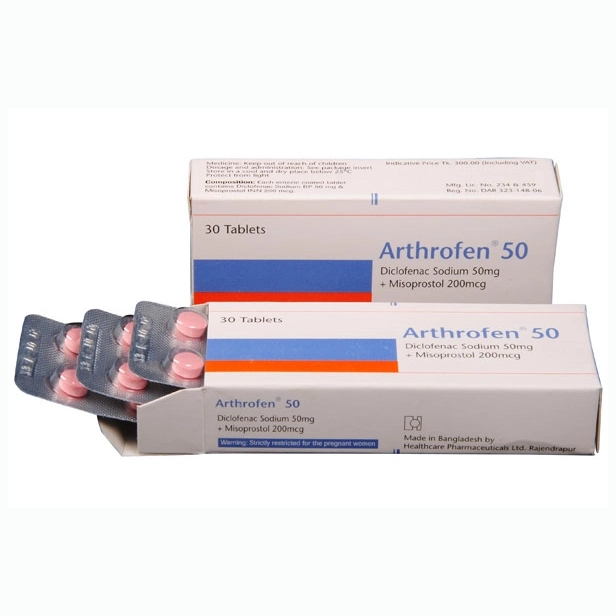
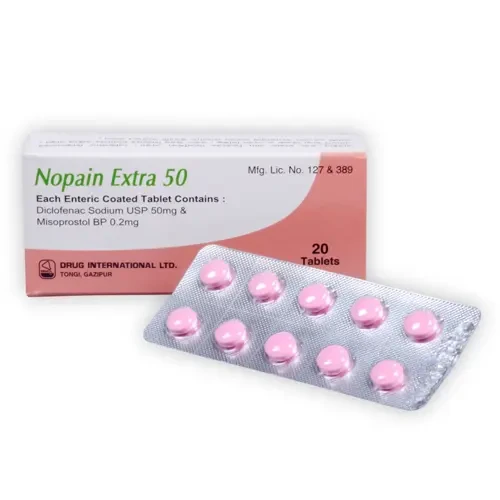
Diclofenac sodium and misoprostol are combined in a medication used primarily for the treatment of osteoarthritis and rheumatoid arthritis. This combination aims to provide effective pain relief while mitigating the gastrointestinal side effects commonly associated with nonsteroidal anti-inflammatory drugs (NSAIDs) like diclofenac.
Uses
The combination of diclofenac sodium and misoprostol is used to:
- Treat pain and inflammation associated with osteoarthritis and rheumatoid arthritis
- Reduce the risk of gastrointestinal complications, such as ulcers and bleeding, associated with long-term NSAID use
- Provide relief from other musculoskeletal conditions where NSAIDs are indicated
Mechanism of Action
Diclofenac sodium is an NSAID that works by inhibiting cyclooxygenase (COX-1 and COX-2) enzymes, which are involved in the production of prostaglandins that mediate pain and inflammation. Misoprostol is a prostaglandin E1 analog that protects the gastrointestinal mucosa by increasing mucus and bicarbonate secretion and enhancing mucosal blood flow, thereby reducing the risk of NSAID-induced ulcers.
How Long Does It Take to Work?
The effects of diclofenac sodium typically begin within 30 minutes to 1 hour after administration, with peak effects usually observed within 2-4 hours. Misoprostol also begins to exert its protective effects within a few hours, with maximal protection from gastrointestinal irritation generally seen within 1-2 weeks of consistent use.
Absorption
Diclofenac sodium is well absorbed from the gastrointestinal tract. Its absorption can be affected by food, but it is generally well-absorbed with peak plasma levels occurring within 1-2 hours after oral administration. Misoprostol is also absorbed from the gastrointestinal tract, with peak plasma levels occurring within 30-60 minutes after administration.
Route of Elimination
Diclofenac sodium is primarily metabolized by the liver and excreted via the kidneys. It undergoes extensive hepatic metabolism to inactive metabolites. Misoprostol is metabolized to inactive metabolites, primarily in the liver, and excreted in the urine.
Dosage
Osteoarthritis: The recommended dosage for maximal GI mucosal protection is Diclofenac Sodium 50 mg & Misoprostol 200 µg tid. For patients who experience intolerance, Diclofenac Sodium 75 mg & Misoprostol 200 µg bid or Diclofenac Sodium 50 mg & Misoprostol 200 µg bid can be used.Rheumatoid arthritis: The recommended dosage is Diclofenac Sodium 50 mg & Misoprostol 200 µg tid or qid. For patients who experience intolerance, Diclofenac Sodium 75 mg & Misoprostol 200 µg bid or Diclofenac Sodium 50 mg & Misoprostol 200 µg bid can be used.
The typical dosage for the combination of diclofenac sodium and misoprostol is:
- Diclofenac sodium 50 mg and misoprostol 200 mcg, taken orally twice daily (morning and evening)
Administration
This combination medication is administered orally in the form of tablets. It should be taken with food or milk to minimize gastrointestinal irritation and to enhance absorption. It is important to follow the prescribed dosage schedule and not to exceed the recommended dose.
Side Effects
Common side effects include:
- Gastrointestinal symptoms such as nausea, vomiting, diarrhea, and abdominal pain
- Headache
- Dizziness
- Gastrointestinal bleeding or ulcers
- Severe allergic reactions (e.g., rash, swelling, difficulty breathing)
- Kidney or liver dysfunction
Toxicity
Toxicity may result from excessive use of diclofenac sodium, leading to:
- Severe gastrointestinal bleeding or perforation
- Renal impairment
- Hepatic toxicity
- Severe diarrhea
- Abdominal cramping
- Uterine contractions (in pregnant women)
Precautions
Precautions should be taken in individuals with:
- History of gastrointestinal disorders, such as peptic ulcers or bleeding
- Renal or hepatic impairment
- Cardiovascular disease
- Pregnancy or potential pregnancy (due to misoprostol)
Interaction
Interactions may include:
- Other NSAIDs or anticoagulants: Increased risk of bleeding and gastrointestinal complications
- Medications affecting liver enzymes (e.g., CYP450 inducers or inhibitors)
- Antihypertensive medications: NSAIDs may reduce their effectiveness
Disease Interaction
The combination should be used with caution in patients with:
- Active or history of gastrointestinal disease
- Chronic kidney or liver disease
- Cardiovascular disease
Drug Interaction
Drug interactions may include:
- Anticoagulants (e.g., warfarin): Increased risk of bleeding
- Other NSAIDs: Increased risk of gastrointestinal adverse effects
- Diuretics or antihypertensives: Reduced efficacy of antihypertensive effects
Food Interactions
Food interactions are minimal but taking the medication with food can help reduce gastrointestinal irritation. Avoid excessive alcohol intake as it can increase the risk of gastrointestinal bleeding.
Pregnancy Use
The use of diclofenac sodium and misoprostol during pregnancy is generally contraindicated, particularly in the third trimester, due to potential risks to the fetus. Misoprostol can induce uterine contractions, and diclofenac may affect fetal cardiovascular function. Consult a healthcare provider for alternative treatments if pregnancy is suspected or confirmed.
Lactation Use
Both diclofenac sodium and misoprostol are excreted in breast milk, but their effects on a nursing infant are not well studied. Caution is advised, and the medication should only be used if the benefits outweigh the potential risks. Consult a healthcare provider for guidance on breastfeeding while using this medication.
Acute Overdose
Acute overdose of diclofenac sodium can result in:
- Severe gastrointestinal bleeding or ulceration
- Kidney dysfunction
- Central nervous system symptoms such as headache, dizziness, and confusion
- Severe diarrhea
- Abdominal cramping
- Excessive uterine contractions (if pregnant)
Contraindication
The combination is contraindicated in individuals with:
- Active or history of gastrointestinal ulcers or bleeding
- Severe renal or hepatic impairment
- Pregnancy (due to misoprostol)
- Hypersensitivity to diclofenac or misoprostol
Use Direction
Follow the specific instructions provided by your healthcare provider or product label. The medication should be taken with food or milk to reduce gastrointestinal irritation. Adhere to the prescribed dosage and schedule and report any adverse effects or issues to a healthcare provider.
Storage Conditions
Store diclofenac sodium and misoprostol tablets at room temperature, between 15°C and 30°C (59°F and 86°F). Keep in a dry place, away from light and moisture. Ensure that the medication is kept out of reach of children and is not used beyond its expiration date.
Volume of Distribution
The volume of distribution for diclofenac is approximately 0.1-0.2 L/kg. Misoprostol's volume of distribution is not well documented but is distributed throughout the body’s tissues.
Half Life
The half-life of diclofenac is approximately 1-2 hours, while the half-life of misoprostol is about 20-40 minutes. The effects of diclofenac can last longer due to its binding to tissue sites, and misoprostol’s protective effects may extend beyond its plasma half-life.
Clearance
Diclofenac is primarily cleared by hepatic metabolism with a significant portion excreted in the urine. Misoprostol is also cleared through hepatic metabolism and urinary excretion.