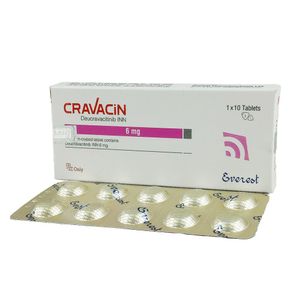
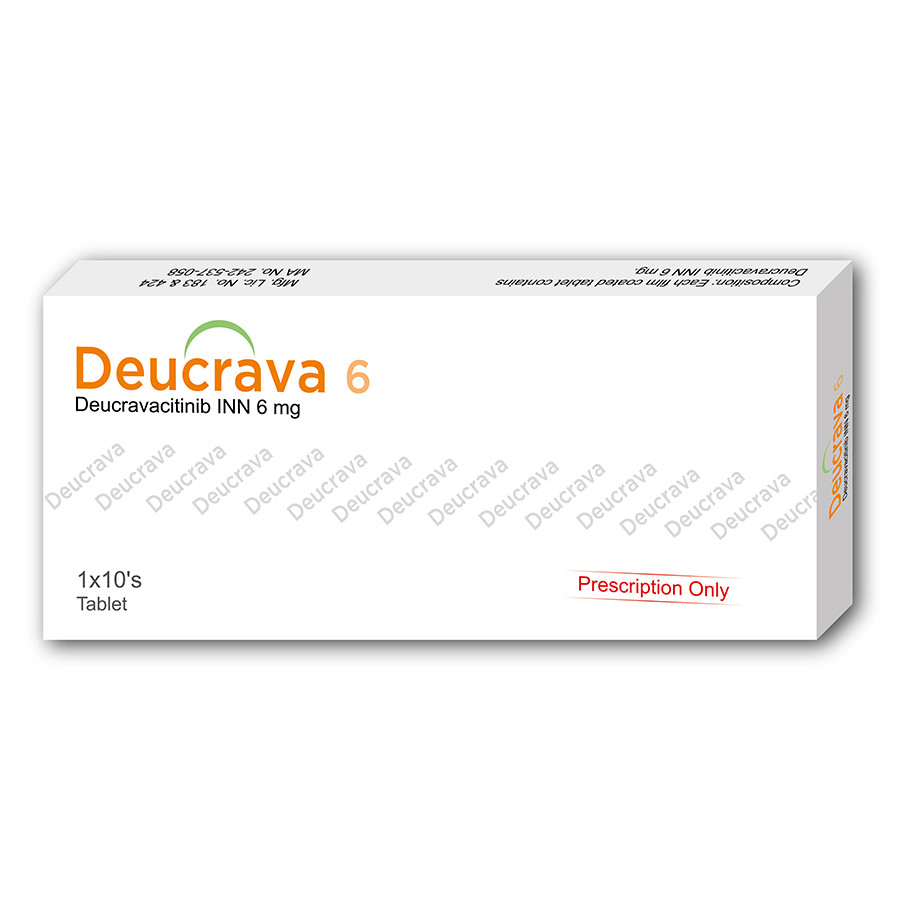
Introduction
Deucravacitinib is a selective oral inhibitor of the tyrosine kinase 2 (TYK2) enzyme, which plays a key role in the signaling pathways of various cytokines involved in inflammation. It is primarily used in the treatment of autoimmune and inflammatory diseases.
Uses
Deucravacitinib is used for:
- Treatment of moderate to severe plaque psoriasis
- Other autoimmune or inflammatory conditions, pending further clinical evaluations and approvals
Mechanism of Action
Deucravacitinib works by selectively inhibiting the TYK2 enzyme, which is involved in the signaling pathways of several cytokines, including interleukin-12 (IL-12), interleukin-23 (IL-23), and interferon-alpha (IFN-α). By blocking these signals, deucravacitinib helps to reduce inflammation and immune responses associated with autoimmune diseases.
How Long Does It Take to Work?
The onset of therapeutic effects may vary depending on the condition being treated. In clinical studies, significant improvements in psoriasis symptoms have been observed within 12 weeks of treatment, with further improvements continuing over time.
Absorption
Deucravacitinib is well-absorbed after oral administration, with peak plasma concentrations typically occurring within 1-3 hours. The absolute bioavailability of deucravacitinib is not well-established.
Route of Elimination
Deucravacitinib is primarily eliminated through metabolism. The major routes of elimination are via feces and urine, with a small fraction of the dose excreted unchanged in the urine.
Dosage
Recommended Evaluations and Immunizations Prior to Treatment Initiation: Evaluate patients for active and latent tuberculosis (TB) infection prior to initiating treatment with Deucravacitinib. If positive, start treatment for TB prior to Deucravacitinib.Recommended Dosage: The recommended dosage of Deucravacitinib is 6 mg taken orally once daily, with or without food. Do not crush, cut, or chew the tablets.
Pediatric Use: The safety and effectiveness in pediatric patients have not been established.
Geriatric Use: No overall differences in effectiveness have been observed between patients 65 years of age and older and younger adult patients.
Recommended Dosage in Patients with Hepatic Impairment: Deucravacitinib is not recommended in patients with severe hepatic impairment (Child-Pugh C). No dosage adjustment is needed for patients with mild to moderate hepatic impairment.
Renal Impairment: No dose adjustment is recommended in patients with mild, moderate, or severe renal impairment or in patients with end stage renal disease (ESRD) on dialysis.
The recommended dosage for the treatment of plaque psoriasis is 6 mg once daily. Dosage adjustments may be necessary based on clinical response and tolerability.
Administration
Deucravacitinib is administered orally in the form of tablets. It should be taken once daily with or without food. The tablets should be swallowed whole and not crushed or chewed.
Side Effects
Common side effects may include:
- Headache
- Diarrhea
- Nausea
- Upper respiratory infections
Toxicity
In case of overdose, symptoms may include severe gastrointestinal symptoms, liver enzyme abnormalities, and increased risk of infections. Management includes symptomatic treatment and supportive care. Seek medical attention promptly.
Precautions
- Monitor for signs of infection due to the immunosuppressive effects of the drug. - Regular liver function tests should be conducted due to the potential for liver enzyme elevations. - Use with caution in patients with a history of malignancy or those at increased risk for cancer.
Interaction
Deucravacitinib may interact with other medications that affect liver enzymes (e.g., CYP3A4 inducers or inhibitors). It is important to inform healthcare providers of all medications being taken.
Disease Interaction
- Use with caution in patients with a history of serious infections or those with chronic infections. - Caution is advised in patients with hepatic impairment or active liver disease.
Drug Interaction
Deucravacitinib may interact with drugs that are strong inducers or inhibitors of CYP3A4, as these could affect its metabolism and efficacy. Examples include certain antifungals, antivirals, and antibiotics.
Food Interactions
Food does not significantly affect the absorption or efficacy of deucravacitinib. It can be taken with or without food.
Pregnancy Use
Deucravacitinib is not recommended during pregnancy due to potential risks to the developing fetus. Adequate and well-controlled studies in pregnant women are lacking. Alternative treatments should be considered for pregnant patients.
Lactation Use
It is not known whether deucravacitinib is excreted in human breast milk. Caution is advised when administering the drug to lactating women, and a decision should be made whether to discontinue nursing or the drug.
Acute Overdose
Acute overdose may result in exacerbated side effects, including gastrointestinal symptoms and liver enzyme elevations. Immediate medical attention is required to manage overdose and provide supportive care.
Contraindication
Deucravacitinib is contraindicated in:
- Patients with known hypersensitivity to deucravacitinib or any component of the formulation
- Severe hepatic impairment
Use Direction
Take one tablet daily with or without food. Do not exceed the recommended dose. Follow the prescribed treatment plan and consult your healthcare provider for any adjustments or concerns.
Storage Conditions
Store at room temperature, away from moisture and heat. Keep out of reach of children.
Volume of Distribution
The volume of distribution for deucravacitinib is approximately 50-70 L, indicating its distribution in body tissues and fluids.
Half Life
The elimination half-life of deucravacitinib is approximately 6-8 hours, allowing for once-daily dosing.
Clearance
Deucravacitinib is cleared primarily through metabolism in the liver, with renal clearance playing a minor role. The total clearance rate is approximately 10-15 L/h.