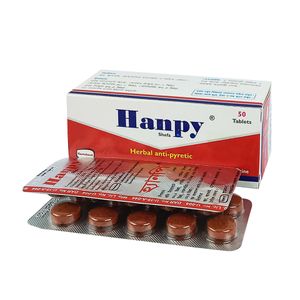
Introduction
Datura, Rhubarb, and Ginger are often used in traditional and alternative medicine for their various therapeutic properties. Datura is known for its psychoactive effects and should be used cautiously due to its potential toxicity. Rhubarb is primarily used for its laxative effects and digestive benefits. Ginger is widely recognized for its anti-inflammatory, anti-nausea, and digestive properties.
Uses
This combination is utilized in herbal medicine for the following purposes:
- Datura: Used traditionally for its antispasmodic and analgesic properties. It is sometimes employed in treating respiratory issues and pain, though its use is limited due to safety concerns.
- Rhubarb: Commonly used as a natural laxative to relieve constipation. It also has potential benefits for digestive health and liver function.
- Ginger: Widely used to alleviate nausea, reduce inflammation, and improve digestion. It is also used as a general tonic for overall health.
Mechanism of Action
The mechanisms of action for each component are as follows:
- Datura: Contains tropane alkaloids such as atropine and scopolamine, which act as anticholinergics, reducing spasms and pain but also potentially causing significant side effects.
- Rhubarb: Contains anthraquinones, which stimulate the colon and increase peristalsis, leading to a laxative effect. It also influences digestive enzyme activity.
- Ginger: Contains gingerols and shogaols that have anti-inflammatory and antioxidant effects, aiding in digestion and reducing nausea.
How Long Does It Take to Work?
The onset of effects varies by component:
- Datura: Effects may be noticed within 1-2 hours after administration. However, due to its potency and potential for severe side effects, it should be used cautiously.
- Rhubarb: Typically takes 6-12 hours to produce a laxative effect.
- Ginger: Effects on nausea can often be felt within 30 minutes to 1 hour after ingestion.
Absorption
Absorption characteristics for each component are as follows:
- Datura: Absorbed through the gastrointestinal tract or mucous membranes, with systemic effects possible due to potent alkaloids.
- Rhubarb: Absorbed through the gastrointestinal tract where it acts locally. The laxative effects are primarily due to its action on the colon.
- Ginger: Absorbed through the gastrointestinal tract, with active compounds exerting effects primarily in the digestive system.
Route of Elimination
Each component is eliminated differently:
- Datura: Metabolized in the liver and excreted primarily via urine.
- Rhubarb: Metabolized in the liver with excretion occurring through urine and feces.
- Ginger: Metabolized in the liver and excreted through urine and feces.
Dosage
1-2 tablet(s) twice daily or as prescribed by the physicians.Dosages vary by component and should be adjusted based on individual needs and health conditions:
- Datura: Due to its high toxicity, dosage should be carefully controlled. Use under professional supervision is recommended. Specific dosing guidelines vary widely.
- Rhubarb: Typical dosages are 1-2 grams of dried root powder or 10-15 ml of tincture, depending on the formulation.
- Ginger: Common dosages include 1-3 grams of fresh ginger or 500-1000 mg of ginger extract per day.
Administration
Administration methods include:
- Datura: Administered orally or topically, but due to its potency and risk of toxicity, it should be used under medical supervision.
- Rhubarb: Typically administered orally as a powder, tincture, or extract.
- Ginger: Can be taken as fresh ginger, tea, capsules, or extract.
Side Effects
Possible side effects include:
- Datura: Severe side effects such as hallucinations, delirium, and anticholinergic toxicity. Use with extreme caution.
- Rhubarb: May cause abdominal cramping or diarrhea, especially if used excessively.
- Ginger: Generally well-tolerated but may cause mild gastrointestinal upset or heartburn in some individuals.
Toxicity
Datura is highly toxic and can cause severe adverse effects if misused. Rhubarb can cause electrolyte imbalances or dehydration if overdosed. Ginger is relatively safe but can lead to gastrointestinal issues in high doses.
Precautions
Precautions include:
- Datura: Use only under professional supervision. Avoid in pregnancy, breastfeeding, or individuals with mental health conditions.
- Rhubarb: Use with caution in individuals with kidney or gastrointestinal disorders.
- Ginger: Consult with a healthcare provider if you have gallbladder disease or are on anticoagulant therapy.
Interaction
Potential interactions include:
- Datura: May interact with anticholinergic drugs and other CNS depressants.
- Rhubarb: Can interact with other laxatives and medications affecting electrolyte balance.
- Ginger: May interact with anticoagulants and antiplatelet drugs.
Disease Interaction
Use with caution in individuals with:
- Datura: History of psychiatric disorders or cardiovascular conditions.
- Rhubarb: Kidney disease or gastrointestinal conditions.
- Ginger: Gastrointestinal disorders or diabetes mellitus.
Drug Interaction
Drug interactions include:
- Datura: Potential interactions with other anticholinergics and CNS depressants.
- Rhubarb: Possible interactions with other laxatives and diuretics.
- Ginger: May enhance the effects of anticoagulants and antiplatelet medications.
Food Interactions
There are no major food interactions reported with this combination. Maintain a balanced diet and consult a healthcare provider for personalized advice.
Pregnancy Use
Consult a healthcare provider before using this combination during pregnancy. Datura should be avoided, while Rhubarb and Ginger may be used with caution under medical supervision.
Lactation Use
Consult a healthcare provider before using this combination while breastfeeding. Datura should be avoided, while Rhubarb and Ginger are generally considered safe with proper dosing.
Acute Overdose
In the case of acute overdose, seek immediate medical attention. Symptoms may include severe gastrointestinal distress, hallucinations, or neurological symptoms, particularly with Datura.
Contraindication
Contraindications include:
- Datura: Known hypersensitivity and conditions where anticholinergic effects are contraindicated.
- Rhubarb: Severe kidney or gastrointestinal disease.
- Ginger: High doses in patients with gallbladder disease or those on anticoagulant therapy.
Use Direction
Follow specific dosing instructions provided by a healthcare provider. Use Datura cautiously and under supervision. For Rhubarb and Ginger, adhere to recommended dosages and consult with a healthcare provider for appropriate use.
Storage Conditions
Store in a cool, dry place away from direct sunlight and moisture. Keep out of reach of children and follow specific storage instructions provided with the product.
Volume of Distribution
The volume of distribution for each component varies. Datura's systemic effects can be significant due to its potency. Rhubarb and Ginger primarily act locally within the gastrointestinal system.
Half Life
The half-life varies:
- Datura: The active alkaloids have a short half-life, but the effects can persist due to systemic absorption.
- Rhubarb: The effects generally last several hours, with the half-life related to its impact on the colon.
- Ginger: The active compounds have a short half-life, but effects on nausea and inflammation can persist longer.
Clearance
Clearance is influenced by the component's metabolism and excretion:
- Datura: Cleared primarily through urine after hepatic metabolism.
- Rhubarb: Cleared through both urine and feces following hepatic metabolism.
- Ginger: Cleared through urine and feces after liver metabolism.