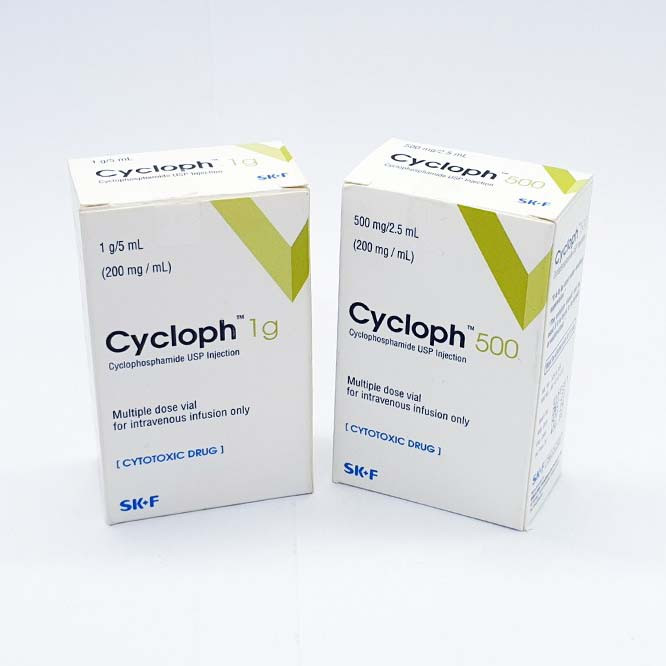
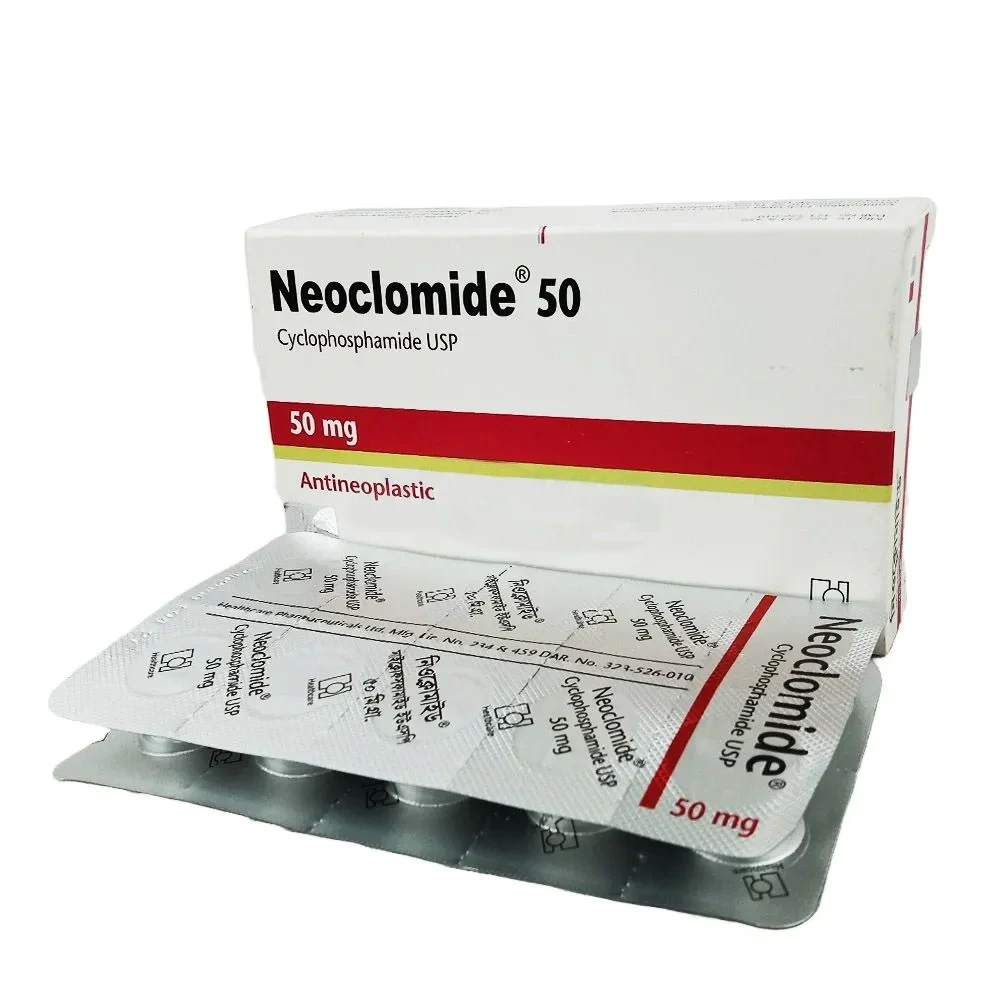
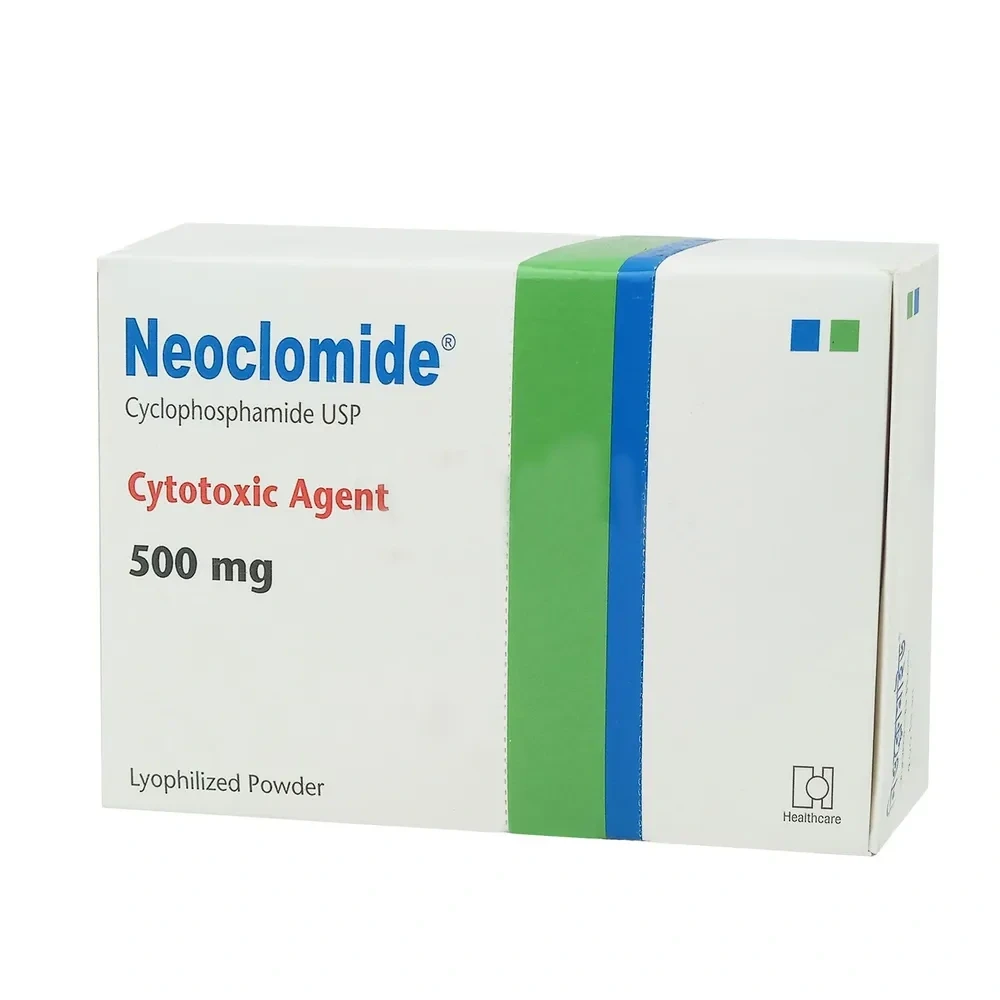
Introduction
Precursor of an alkylating nitrogen mustard antineoplastic and immunosuppressive agent that must be activated in the liver to form the active aldophosphamide. It has been used in the treatment of lymphoma and leukemia. Its side effect, alopecia, has been used for defleecing sheep. Cyclophosphamide may also cause sterility, birth defects, mutations, and cancer.
Uses
Cyclophosphamide is a nitrogen mustard used to treat lymphomas, myelomas, leukemia, mycosis fungoides, neuroblastoma, ovarian adenocarcinoma, retinoblastoma, and breast carcinoma.
Cyclophosphamide is indicated for the treatment of malignant lymphomas, multiple myeloma, leukemias, mycosis fungoides (advanced disease), neuroblastoma (disseminated disease), adenocarcinoma of the ovary, retinoblastoma, and carcinoma of the breast. It is also indicated for the treatment of biopsy-proven minimal change nephrotic syndrome in pediatric patients.
Associated Conditions
Pharmacodynamics
Cyclophosphamide is an antineoplastic in the class of alkylating agents and is used to treat various forms of cancer. Alkylating agents are so named because of their ability to add alkyl groups to many electronegative groups under conditions present in cells. They stop tumor growth by cross-linking guanine bases in DNA double-helix strands - directly attacking DNA. This makes the strands unable to uncoil and separate. As this is necessary in DNA replication, the cells can no longer divide. In addition, these drugs add methyl or other alkyl groups onto molecules where they do not belong which in turn inhibits their correct utilization by base pairing and causes a miscoding of DNA. Alkylating agents are cell cycle-nonspecific. Alkylating agents work by three different mechanisms all of which achieve the same end result - disruption of DNA function and cell death.
Mechanism of Action
Alkylating agents work by three different mechanisms: 1) attachment of alkyl groups to DNA bases, resulting in the DNA being fragmented by repair enzymes in their attempts to replace the alkylated bases, preventing DNA synthesis and RNA transcription from the affected DNA, 2) DNA damage via the formation of cross-links (bonds between atoms in the DNA) which prevents DNA from being separated for synthesis or transcription, and 3) the induction of mispairing of the nucleotides leading to mutations.
Absorption
After oral administration, peak concentrations occur at one hour.
Volume of Distribution
30-50 L
Protein Binding
20% of cyclophosphamide is protein bound with no dose dependent changes. Some metabolites are protein bound to an extent greater than 60%.
Route of Elimination
Cyclophosphamide is eliminated primarily in the form of metabolites. 10-20% is excreted unchanged in the urine and 4% is excreted in the bile following IV administration.
Half Life
3-12 hours
Clearance
Total body clearance = 63 ± 7.6 L/kg.
Toxicity
Adverse reactions reported most often include neutropenia, febrile neutropenia, fever, alopecia, nausea, vomiting, and diarrhea.
Food Interactions
- Drink plenty of fluids. Drink 2 to 3 liters of fluids a day.
- Take with food. Food reduces irritation.
Dosage
Many other regimens of intravenous and oral cyclophosphamide have been reported. Dosages must be adjusted in accord with evidence of antitumor activity and/or leukopenia. The total leukocyte count is a good, objective guide for regulating dosage. Transient decreases in the total white blood cell count to 2000 cells/mm3 (following short courses) or more persistent reduction to 3000 cells/mm3 (with continuing therapy) are tolerated without serious risk of infection if there is no marked granulocytopenia.
When cyclophosphamide is included in combined cytotoxic regimens, it may be necessary to reduce the dose of cyclophosphamide as well as that of the other drugs. Cyclophosphamide and its metabolites are dialyzable although there are probably quantitative differences depending upon the dialysis system being used. Patients with compromised renal function may show some measurable changes in pharmacokinetic parameters of cyclophosphamide metabolism, but there is no consistent evidence indicating a need for cyclophosphamide dosage modification in patients with renal function impairment.
Treatment of Nonmalignant Diseases Biopsy Proven "Minimal Change" Nephrotic Syndrome in Children: An oral dose of 2.5 to 3 mg/kg daily for a period of 60 to 90 days is recommended. In males, the incidence of oligospermia and azoospermia increases if the duration of cyclophosphamide treatment exceeds 60 days. Treatment beyond 90 days increases the probability of sterility. Adrenocorticosteroid therapy may be tapered and discontinued during the course of cyclophosphamide therapy.