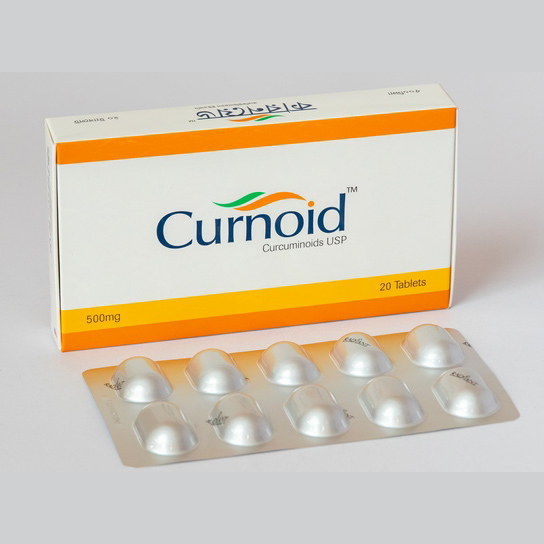
Introduction
Curcuminoids are natural compounds derived from the turmeric plant, *Curcuma longa*. These compounds are known for their vibrant yellow color and are primarily used as dietary supplements due to their purported health benefits. Curcuminoids include curcumin, demethoxycurcumin, and bisdemethoxycurcumin, with curcumin being the most studied and active component.
Uses
Curcuminoids are used for a variety of health-related purposes, including:
- Anti-inflammatory effects: They are commonly used to reduce inflammation in conditions such as arthritis.
- Antioxidant effects: Curcuminoids help neutralize free radicals, potentially reducing oxidative stress.
- Supporting digestive health: They may aid in the management of digestive disorders, including dyspepsia and irritable bowel syndrome (IBS).
- Potential cognitive benefits: Some studies suggest they may have neuroprotective effects and support cognitive function.
- Supporting cardiovascular health: They may help reduce the risk of cardiovascular diseases through their anti-inflammatory and antioxidant properties.
Mechanism of Action
Curcuminoids exert their effects through several mechanisms:
- Inhibition of inflammatory pathways: They inhibit various inflammatory mediators, such as cyclooxygenase-2 (COX-2) and nuclear factor-kappa B (NF-kB).
- Antioxidant activity: Curcuminoids scavenge free radicals and enhance the body's antioxidant defense systems.
- Modulation of cell signaling pathways: They influence multiple signaling pathways involved in inflammation, cell growth, and apoptosis.
How Long Does It Take to Work?
The onset of effects from curcuminoids can vary. Some users may notice benefits within a few days, particularly for acute inflammation, while others may require several weeks to experience the full effects, especially for chronic conditions.
Absorption
Curcuminoids have low bioavailability due to poor absorption in the gastrointestinal tract. They are often administered with piperine (black pepper extract) or formulated in specialized delivery systems to enhance absorption.
Route of Elimination
Curcuminoids are metabolized in the liver and excreted primarily through the bile. They are also found in the urine, albeit in small amounts.
Dosage
Orally 1-2 tablets daily after meal or as directed by physician.The dosage of curcuminoids can vary based on the formulation and intended use. Common dosages include:
- For general health benefits: 500 mg to 1,000 mg of curcumin per day, often divided into two or three doses.
- For inflammatory conditions: Higher doses may be used under medical supervision, typically ranging from 1,000 mg to 2,000 mg per day.
Administration
Curcuminoids are commonly administered orally in the form of capsules, tablets, or powders. They may also be available in liquid extracts or incorporated into foods and beverages.
Side Effects
Curcuminoids are generally well-tolerated, but some side effects may include:
- Gastrointestinal discomfort, such as nausea or diarrhea.
- Allergic reactions, though rare, can occur.
Toxicity
Curcuminoids are considered to have a low toxicity profile. High doses may cause gastrointestinal issues or interfere with certain medications. Toxicity is generally rare but can occur with excessive intake.
Precautions
Precautions include:
- Consulting a healthcare provider before starting curcuminoid supplements, especially if you have underlying health conditions or are taking other medications.
- Monitoring for gastrointestinal side effects and adjusting the dosage if necessary.
Interaction
Curcuminoids may interact with:
- Anticoagulants and antiplatelet drugs, potentially increasing bleeding risk.
- Certain medications metabolized by the liver, as they may affect liver enzyme activity.
Disease Interaction
Use with caution in individuals with:
- Gallbladder disease or obstruction, as curcuminoids may exacerbate these conditions.
- Diabetes, due to potential effects on blood sugar levels.
Drug Interaction
Potential drug interactions include:
- Increased bleeding risk when used with blood thinners such as warfarin or aspirin.
- Altered effects of medications metabolized by cytochrome P450 enzymes.
Food Interactions
Curcuminoids are often taken with fatty foods to enhance absorption. They may also interact with foods high in piperine, which can increase their bioavailability.
Pregnancy Use
Curcuminoids are generally not recommended during pregnancy due to limited safety data. Consult a healthcare provider before use.
Lactation Use
The safety of curcuminoids during lactation is not well established. Use with caution and consult a healthcare provider.
Acute Overdose
Acute overdose is rare but may result in gastrointestinal symptoms such as nausea or diarrhea. Seek medical advice if an overdose is suspected.
Contraindication
Curcuminoids are contraindicated in individuals with:
- Known hypersensitivity to turmeric or curcumin.
- Active gallbladder disease or bile duct obstruction.
Use Direction
Follow the recommended dosage and administration guidelines provided on the product label or by a healthcare provider. Adjustments may be needed based on individual response and tolerability.
Storage Conditions
Store curcuminoid supplements in a cool, dry place, away from direct sunlight and moisture. Keep out of reach of children.
Volume of Distribution
The volume of distribution for curcuminoids is not well defined due to their poor bioavailability and rapid metabolism.
Half Life
The half-life of curcuminoids varies, but it is generally short due to rapid metabolism and elimination. It is estimated to be around 6 to 7 hours.
Clearance
Curcuminoids are primarily cleared through the liver and bile, with minimal renal excretion. Their clearance rate can be influenced by liver function and the presence of other medications.