Introduction
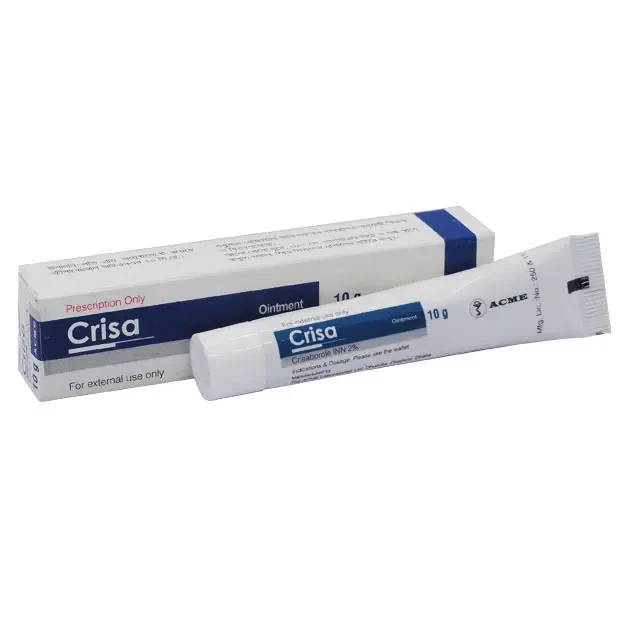
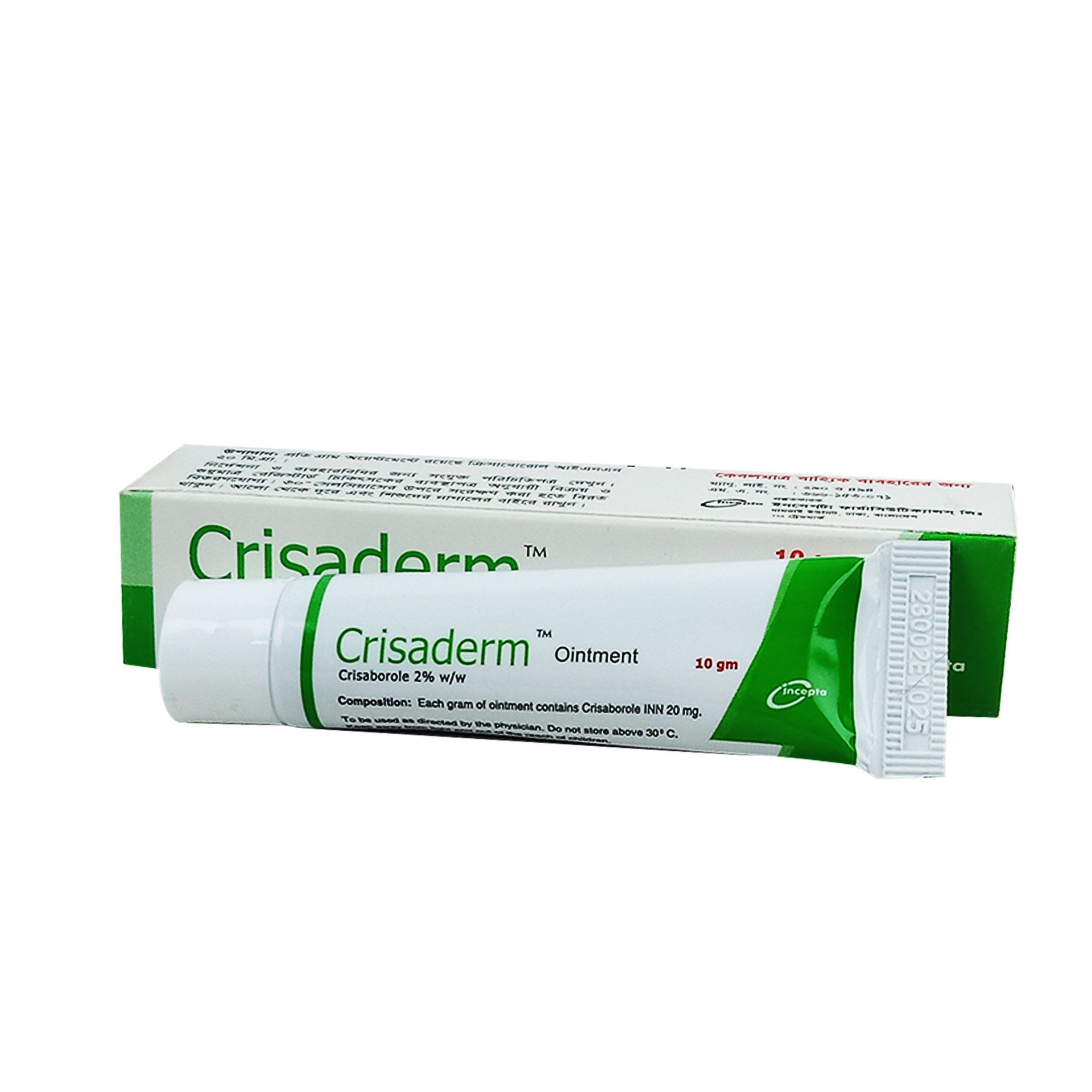
Crisaborole is a topical treatment of for mild to moderate atopic dermatitis. This non-steroidal agent is efficacious in improving disease severity, reducing the risk of infection and reducing the signs and symptoms in patients 2 years old and older. It reduces the local inflammation in the skin and prevents further exacerbation of the disease with a good safety profile. Its structure contains a boron atom, which facilitates skin penetration and binding to the bimetal center of the phosphodiesterase 4 enzyme. It is currently under development as topical treatment of psoriasis.
Uses
Crisaborole is a non-steroidal topical medication used for the treatment of mild-moderate atopic dermatitis.
Intended for the topical treatment of mild to moderate atopic dermatitis in patients 2 years of age and older.
Associated Conditions
Pharmacodynamics
Crisaborole has broad-spectrum anti-inflammatory activity by mainly targeting phosphodiesterase 4 (PDE4) enzyme that is a key regulator of inflammatory cytokine production. As this enzyme is expressed in keratinocytes and immune cells, crisaborole mediates an anti-inflammatory effect on almost all inflammatory cells. Topical application of this drug is useful as it potentiates the localization of this drug in the skin and this anti-inflammatory activity is in the low micromolar range.
Mechanism of Action
Inhibition of PDE4 by crisaborole leads to elevated levels of cyclic adenosine monophosphate (cAMP). Increased intracellular levels of cAMP inhibit the NF-kB pathway and suppress the release of pro-inflammatory mediators such as TNF-alfa and various interleukins that play a causative role in psoriasis and atopic dermatitis. Suppression of downstream effects in different cell types may explain the therapeutic role of crisaborole in immune-mediated skin diseases.
Absorption
Systemic concentrations of crisaborole were reached by 8 days of twice-daily topical administration. It has low systemic absorption thus poses less risk for developing systemic side effects.
Protein Binding
Based on an in vitro study, crisaborole is 97% bound to human plasma proteins
Route of Elimination
Renal excretion of metabolites is the major route of elimination.
Toxicity
Hypersensitivity reactions such as contact urticaria may occur and discontinuation of the treatment is advised. No evidence of mutagenic or clastrogenic potential as well as altered effects on fertility. Oral LD50 value for rats is >500mg/kg.
Food Interactions
No interactions found.