Introduction
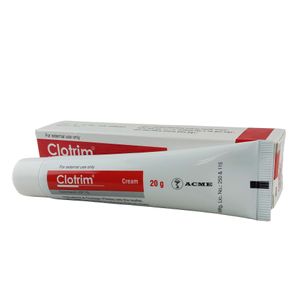
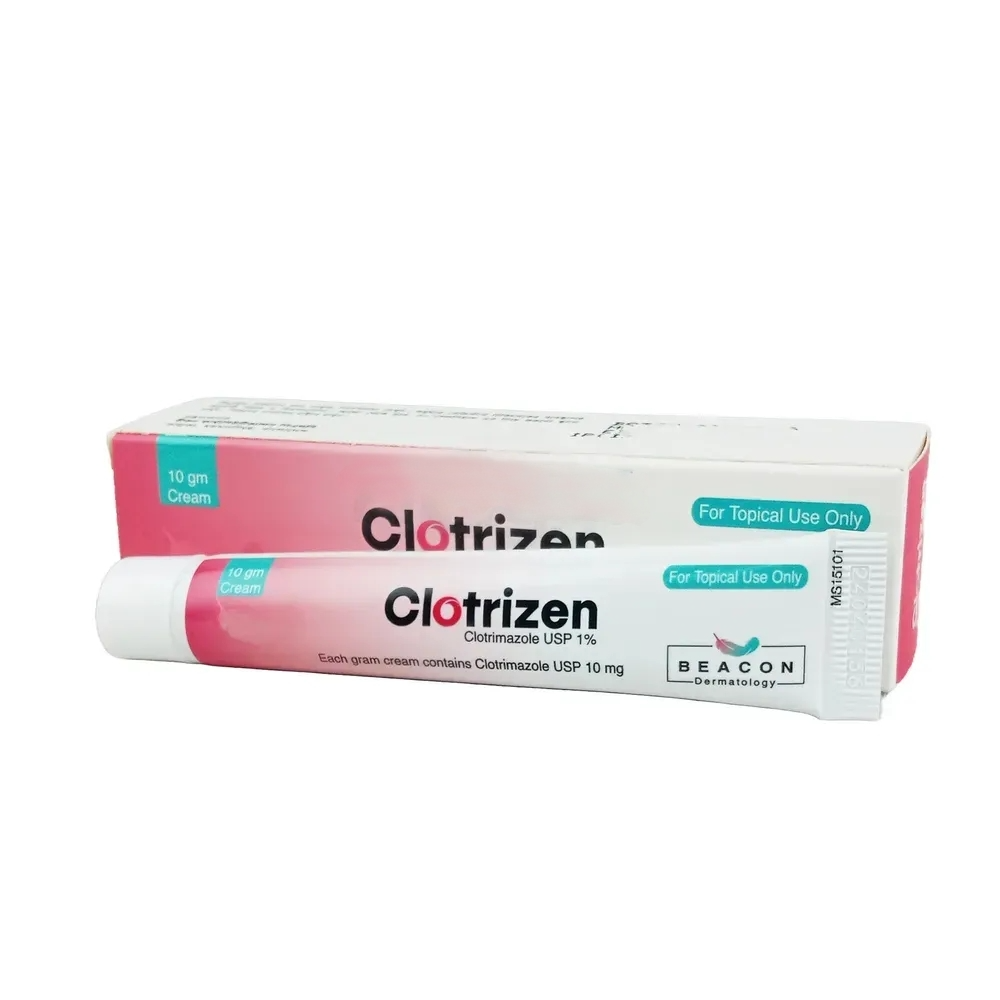
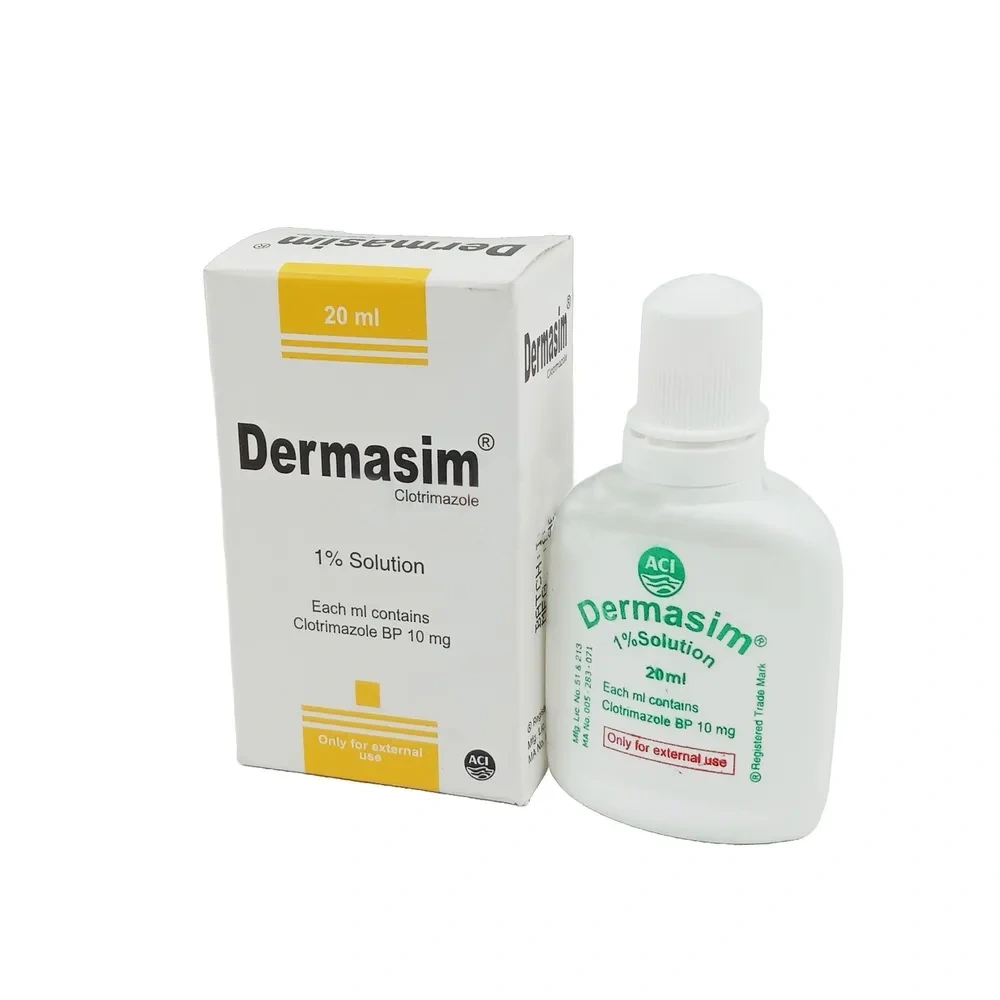
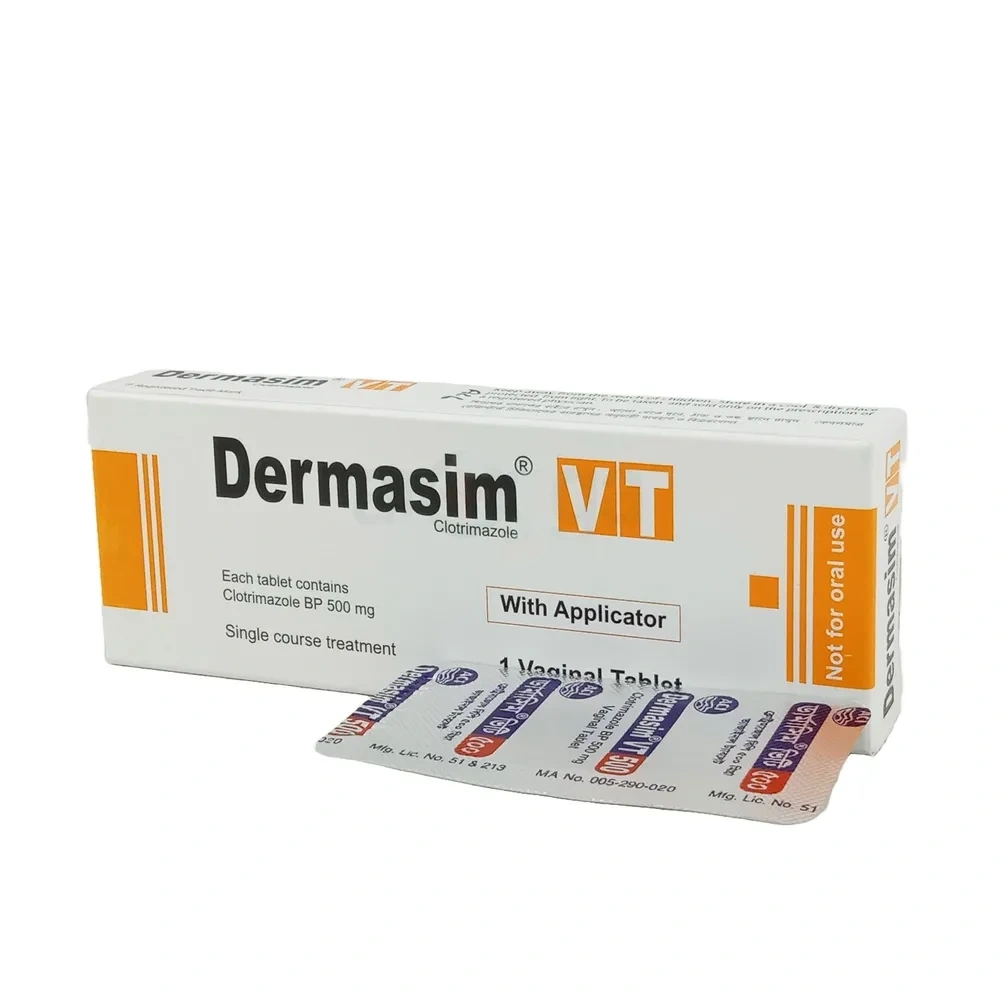
This drug is a broad spectrum antimycotic or antifungal agent. Clotrimazole's antimycotic properties were discovered in the late 1960s . Clotrimazole falls under the imidazole category of azole antifungals, possessing broad-spectrum antimycotic activity . It is available in various preparations, including creams, pessaries, and troche formulations (slowly dissolving tablets). As well as its antifungal activity, clotrimazole has become a drug of interest in treating several other diseases such as sickle cell disease, malaria and some cancers . The minimal side effect profile of this drug and its uncomplicated metabolic profile have led it to gain widespread acceptance for the treatment of mycotic outbreaks such as vaginal yeast infections as well as athlete's foot .
Uses
Clotrimazole is a topical broad-spectrum antifungal agent used for the treatment of a wide variety of dermatophyte infections and candidiasis.
Topical preparations
Clotrimazole topical cream is indicated for the topical treatment of the following dermal infections , :
Tinea pedis, tinea cruris, and tinea corporis due to Trichophyton rubrum, Trichophyton mentagrophytes, Epidermophyton floccosum
Candidiasis due to Candida albicans
Tinea versicolor due to Malassezia furfur
Diaper rash infected by Candida albicans
In some preparations, clotrimazole may be combined with betamethasone dipropionate, a corticosteroid .
Oral preparations
The oral troche preparation is indicated for the local treatment of oropharyngeal candidiasis . It is also indicated as a prophylactic drug to reduce the incidence of oropharyngeal candidiasis in patients immunocompromised by conditions such as chemotherapy, radiotherapy, or steroid therapy utilized in the treatment of leukemia, solid tumors, or renal transplantation . Troche preparations are not indicated for the treatment of any systemic mycoses .
Associated Conditions
Pharmacodynamics
Clotrimazole is a broad-spectrum antifungal agent that inhibits the growth of pathogenic yeasts by changing the permeability of cell membranes. The action of clotrimazole is fungistatic at concentrations of drug up to 20 mcg/mL and may be fungicidal in vitro against Candida albicans and other species of the genus Candida at higher concentrations . Unfortunately, resistance to clotrimazole, which was rare in the past, is now common in various patient populations .
Clotrimazole is generally considered to be a fungistatic, and not a fungicidal drug, although this contrast is not absolute, as clotrimazole shows fungicidal properties at higher concentrations .
Mechanism of Action
Clotrimazole acts primarily by damaging the permeability barrier in the cell membrane of fungi. Clotrimazole causes inhibition of ergosterol biosynthesis, an essential constituent of fungal cell membranes. If ergosterol synthesis is either completely or partially inhibited, the cell is no longer able to construct an intact and functional cell membrane ,. Because ergosterol directly promotes the growth of fungal cells in a hormone‐like fashion, rapid onset of the above events leads to dose-dependent inhibition of fungal growth .
Though decreased ergosterol, due to the inhibition of lanosterol 14-demethylase (also known as CYP51) is accepted to be primarily responsible for the antimycotic properties of clotrimazole, this drug also shows other pharmacological effects. These include the inhibition of sarcoplasmic reticulum Ca2+‐ATPase, depletion of intracellular calcium, and blocking of calcium‐dependent potassium channels and voltage‐dependent calcium channels . The action of clotrimazole on these targets accounts for other effects of this drug that are separate from its antimycotic activities .
Absorption
Because clotrimazole is generally not significantly absorbed, drug interactions are not a major issue with its use .
Volume of Distribution
The topical form is minimally absorbed in the serum and tissues . Clotrimazole is a lipophilic drug , and has been shown to be secreted in breastmilk in animal studies . There are limited data available regarding the volume of distribution following oral troche administration.
Protein Binding
98%
Route of Elimination
Mainly hepatic .
Toxicity
Symptoms of overdose include erythema, stinging, blistering, peeling, edema, pruritus, urticaria, burning, and general irritation of the skin, and cramps. As with all topical agents, skin sensitization may result .
Oral LD50 (rat): 708 mg/kg; Intraperitoneal LD50 (rat): 445 mg/kg; Subcutaneous LDLO (rat): 10 g/kg; Oral LD50 (mouse): 761 mg/kg; Subcutaneous LDLO (mouse): 10 g/kg; Intraperitoneal LD50 (mouse): 108 mg/kg;
Overdose
This drug poses no risk of acute intoxication, as it is unlikely to occur following a single vaginal or dermal application of an overdose (application over a large area under conditions favorable to absorption) or accidental oral ingestion. There is no specific antidote .
Effects on Fertility
No human studies of the effects of clotrimazole on fertility have been conducted; however, animal studies have not shown any effects on the drug on fertility .
Use in Pregnancy
There are limited data regarding the use of clotrimazole in pregnant women. Animal studies do not show direct or indirect harmful effects on reproduction. Although the topical application of clotrimazole may result in very low serum and tissue levels, the use of clotrimazole topical cream by pregnant women is not recommended unless it is advised by the prescribing physician. Clotrimazole topical cream should not be used in the first trimester of pregnancy unless it is considered by the physician to be essential to patient well-being .
Use in Breastfeeding
Available pharmacodynamic/toxicological studies in animals have shown excretion of clotrimazole/metabolites in breastmilk. Clotrimazole should not be administered during breastfeeding. Although the topical application of clotrimazole has resulted in very low serum and tissue levels, the use of clotrimazole topical cream by lactating women is not recommended unless it recommended by the prescribing physician .
Food Interactions
No interactions found.