Introduction
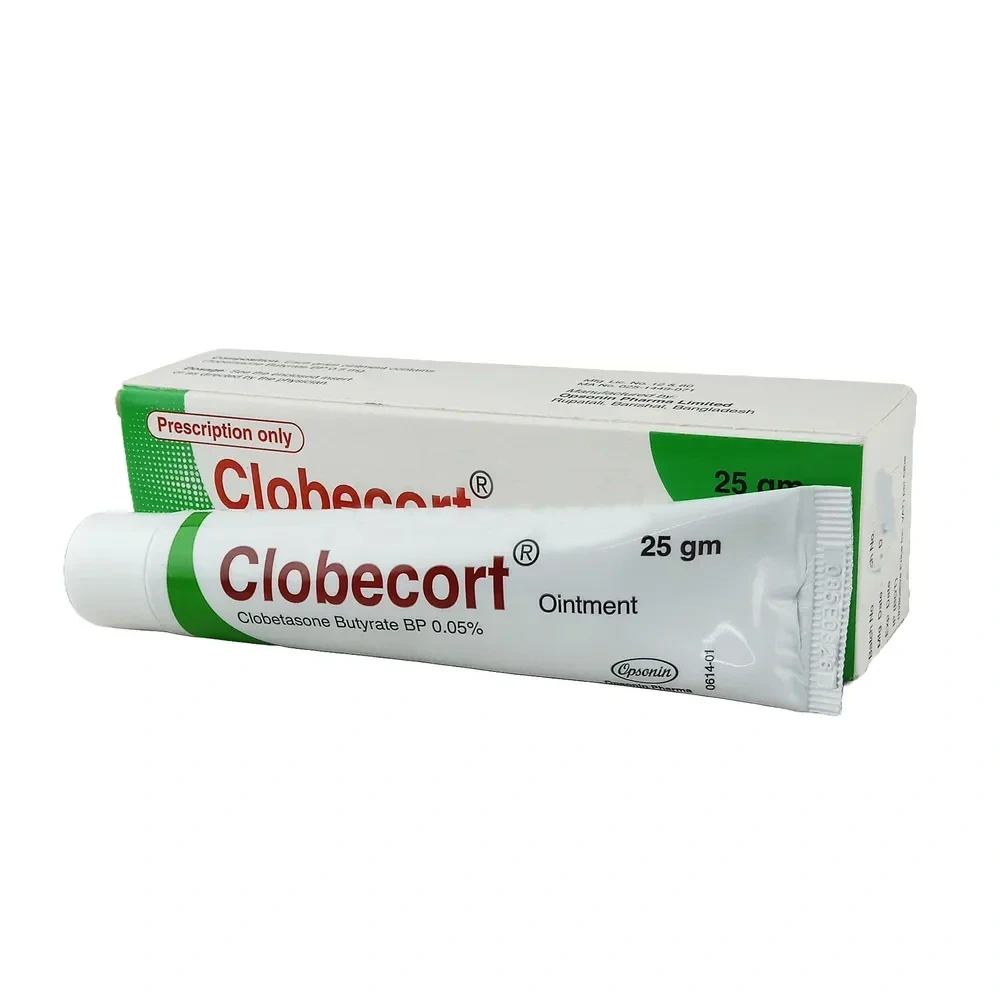
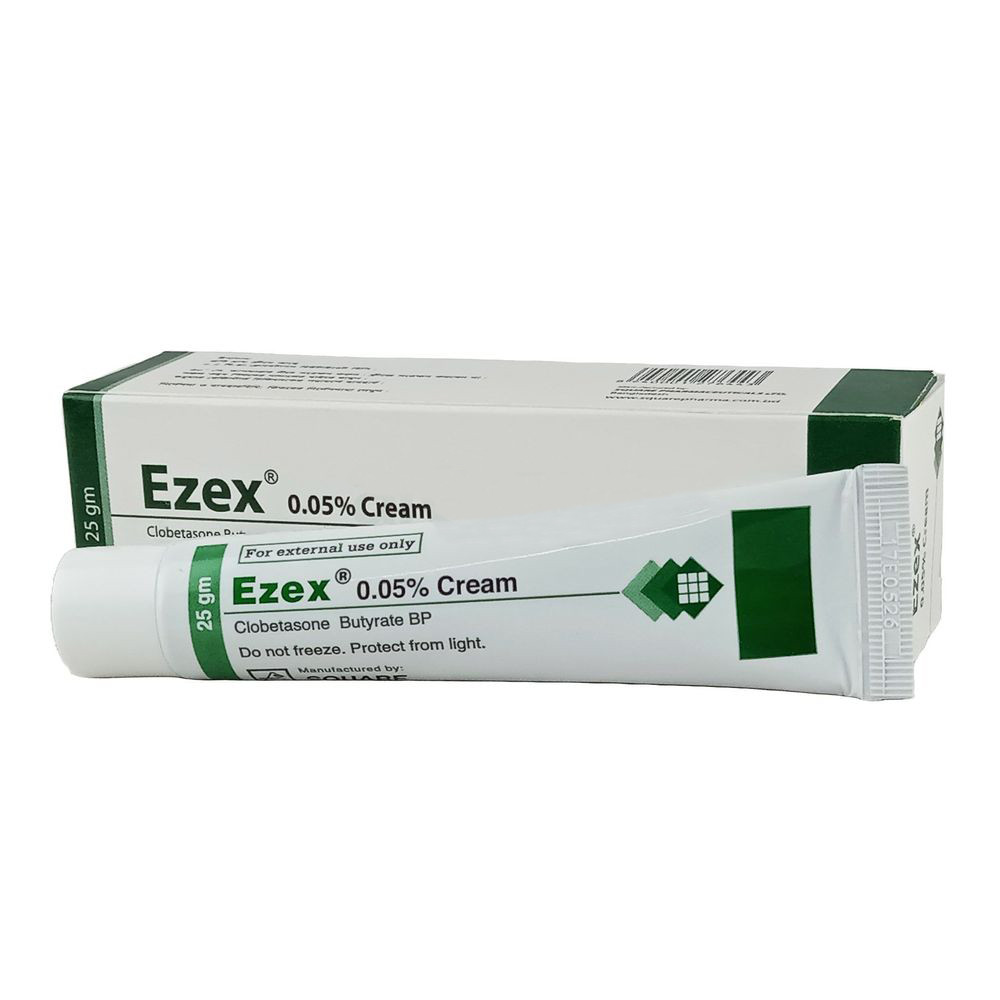
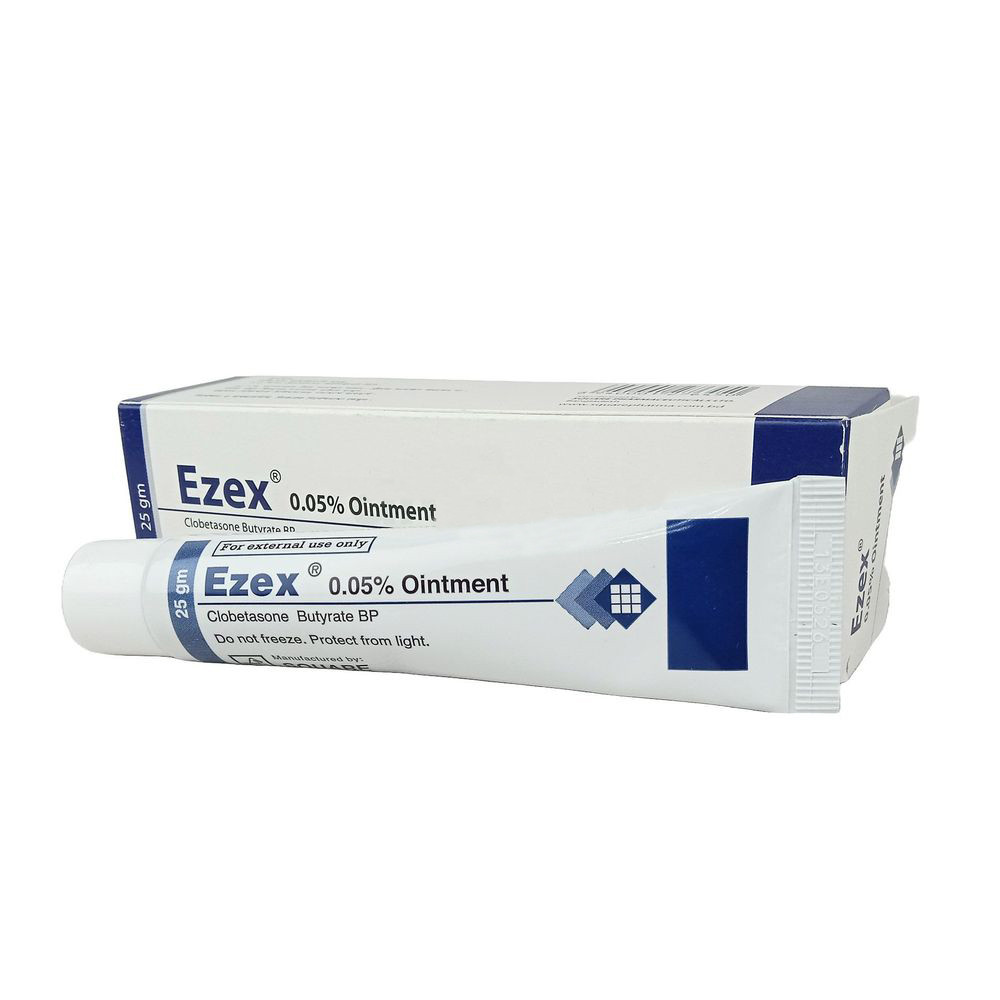
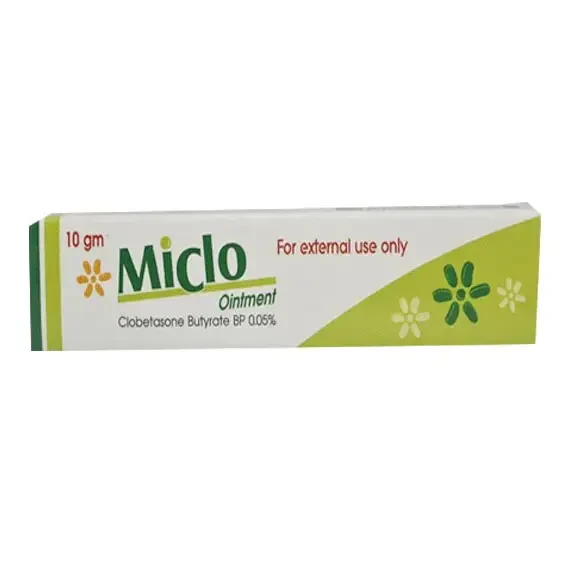
Clobetasone is a corticosteroid that is often employed topically as a treatment for a variety of conditions such as eczema, psoriasis, various forms of dermatitis, and also for certain ophthalmologic conditions. Topical clobetasone butyrate has shown minimal suppression of the Hypothalamic-pituitary-adrenal axis.
Uses
Clobetasone is a corticosteroid used to treat dry eyes, eczema, and dermatitis.
In dermatology, topical clobestasone butyrate helps to reduce the itchiness and erythema associated with eczema and dermatitis. In ophthalmology, clobetasone butyrate 0.1% eye drops have been shown to be safe and effective in the treatment of dry eyes in Sjögren's Syndrome.
Associated Conditions
Pharmacodynamics
Topical corticosteroid like clobetasone are synthetic derivatives of cortisone which produce anti-inflammatory, antiproliferative, immunosuppressive and vasoconstrictor effects when applied to the skin.
Mechanism of Action
Topically applied clobeyasone are thought to bind with cytoplasmic receptors in the dermal and intradermal cells and to induce inhibitory proteins, thus leading to decreased activity of prostaglandins, kinins, histamine, liposomal enzymes and other endogenous mediators of inflammation. Topical corticosteroids inhibit the migration of macrophages and leukocytes into areas of inflamed skin by reversing vascular dilation and permeability, resulting in decreased erythema, edema and pruritus.
Absorption
Absorption is dependent on many drug-related factors including: intrinsic properties of the steroid itself; concentration of the drug (increased concentration generally leads to more drug being absorbed but may plateau at higher concentrations); vehicle used (optimized or augmented vehicles > ointments or gels > creams or lotions); duration of exposure; frequency of application; combination with other products that break down the skin barrier and increase absorption (e.g., salicylic acid, urea). Patient-related factors that influence absorption include: patient age (infants and children absorb topical medications more quickly and to a greater degree than adults, and have a greater total skin surface to body weight ratio; the elderly have thinner skin and absorb drug more readily); disruption of the skin due to inflammation or disease (e.g., absorption increased in atopic dermatitis); total skin area treated; skin site treated (absorption is much greater from thin-skinned areas such as scalp, face, eyelid, axilla, and scrotum than from areas with thicker skin such as forearm, knee, elbow, palm and sole); absorption is increased with increased temperature or humidity of the skin or the environment; occlusion of the treated skin (via plastic wrap, oily vehicles, dressings, tape, diapers, tight-fitting clothing, etc.) can increase absorption up to 10-fold.
Volume of Distribution
The use of pharmacodynamic endpoints for assessing the systemic exposure of topical corticosteroids is necessary due to the fact that circulating levels are well below the level of detection.
Route of Elimination
Clobetasone and its metabolites are excreted in urine.
Half Life
N/A
Toxicity
Organism : Mouse Test type: LD50 Oral (Reported dose: >6gm/kg) LD50 Subcutaneous ( >3600mg/kg ) Effects : Behavioral : somnolence ( general depressed activity ) Blood changes in spleen
Organism : Mouse Test type: LD50 Route: Intraperitoneal Reported dose: 500 mg/kg
LD50 rat : 1510mg/kg Intraperitoneal LD50 rat >6gm/kg Oral LD 50 rat : > 2600mg/kg subcutaneous
Food Interactions
No interactions found.