Introduction
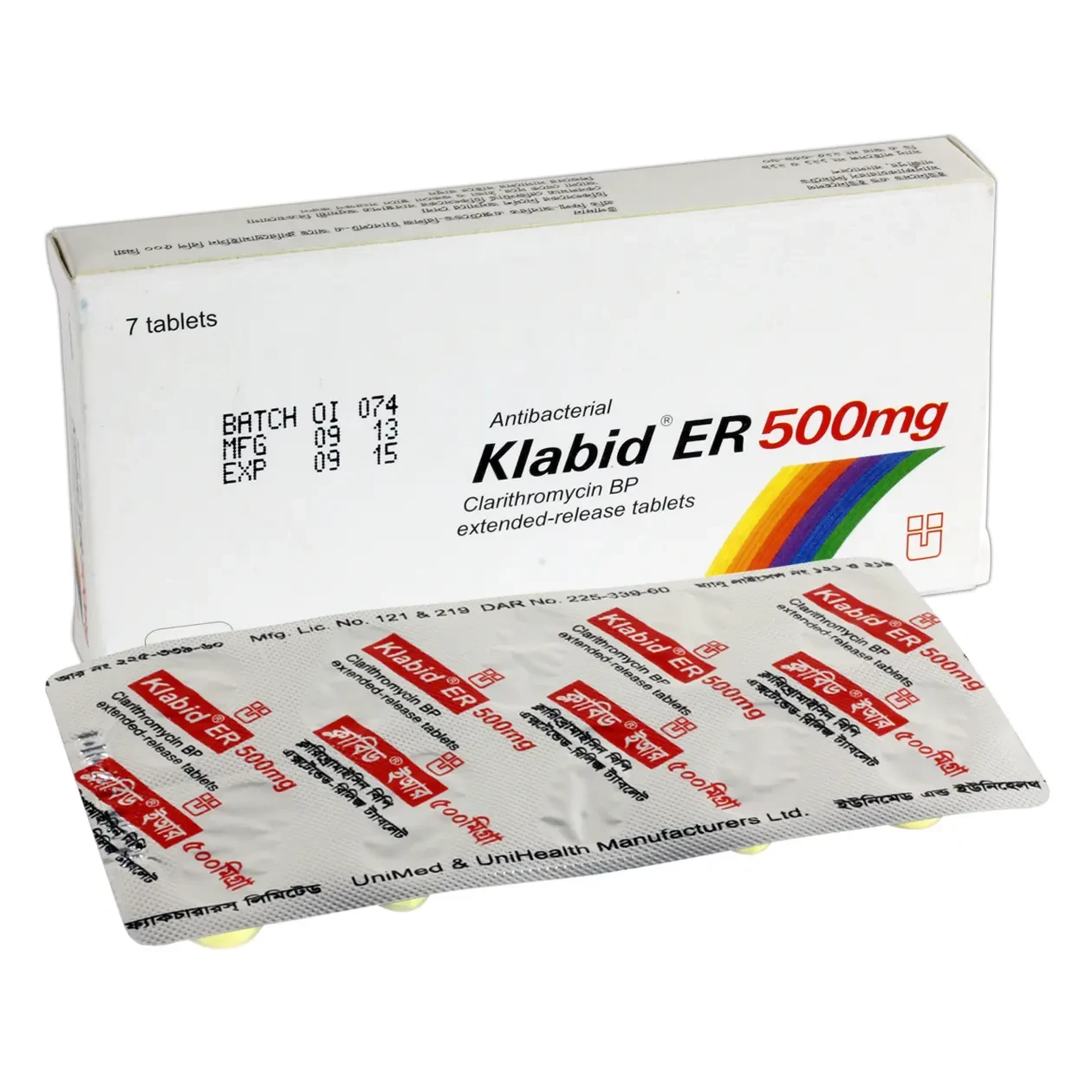
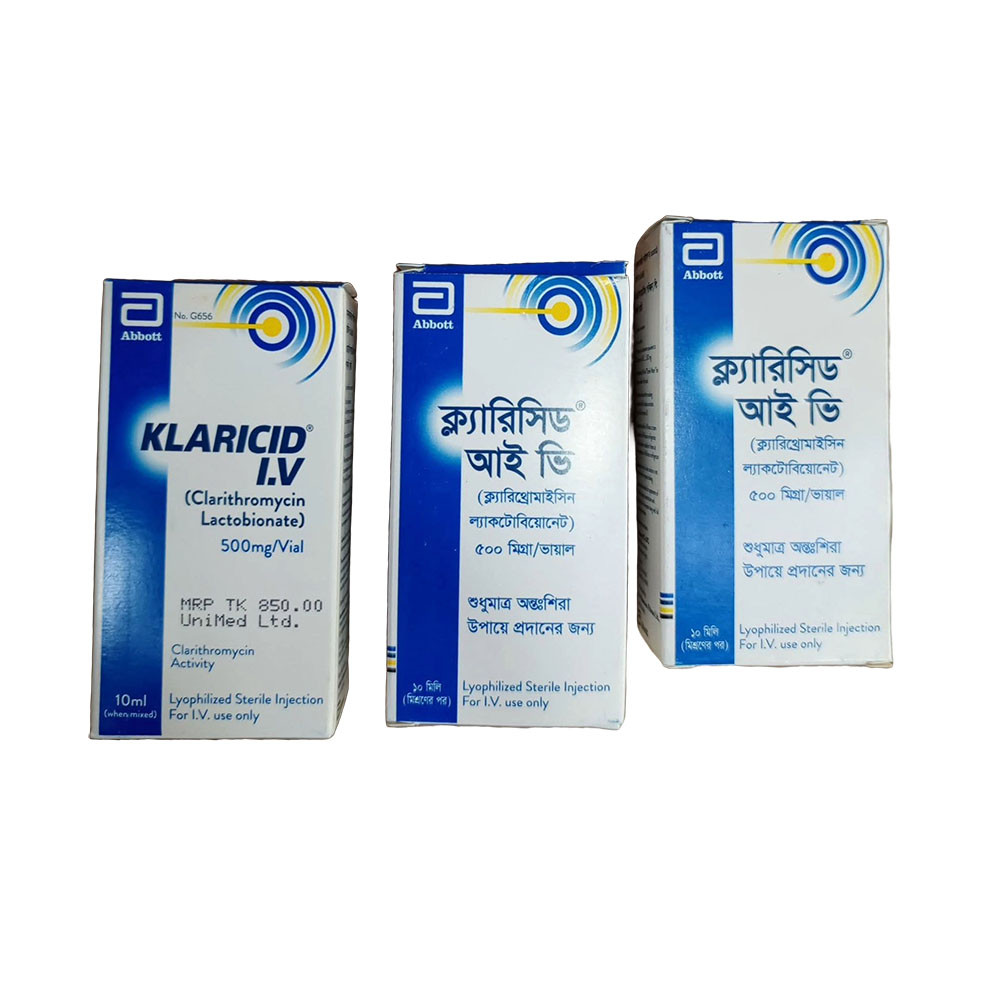
Clarithromycin, a semisynthetic macrolide antibiotic derived from erythromycin, inhibits bacterial protein synthesis by binding to the bacterial 50S ribosomal subunit. Binding inhibits peptidyl transferase activity and interferes with amino acid translocation during the translation and protein assembly process. Clarithromycin may be bacteriostatic or bactericidal depending on the organism and drug concentration.
Uses
Clarithromycin is a macrolide antibiotic used for the treatment of a wide variety of bacterial infections such as acute otitis, pharyngitis, tonsillitis, respiratory tract infections, uncomplicated skin infections, and helicobacter pylori infection.
An alternative medication for the treatment of acute otitis media caused by H. influenzae, M. catarrhalis, or S. pneumoniae in patients with a history of type I penicillin hypersensitivity. Also for the treatment of pharyngitis and tonsillitis caused by susceptible Streptococcus pyogenes, as well as respiratory tract infections including acute maxillary sinusitis, acute bacterial exacerbations of chronic bronchitis, mild to moderate community-acquired pneuomia, Legionnaires' disease, and pertussis. Other indications include treatment of uncomplicated skin or skin structure infections, helicobacter pylori infection, duodenal ulcer disease, bartonella infections, early Lyme disease, and encephalitis caused by Toxoplasma gondii (in HIV infected patients in conjunction with pyrimethamine). Clarithromycin may also decrease the incidence of cryptosporidiosis, prevent the occurence of α-hemolytic (viridans group) streptococcal endocarditis, as well as serve as a primary prevention for Mycobacterium avium complex (MAC) bacteremia or disseminated infections (in adults, adolescents, and children with advanced HIV infection).
Associated Conditions
Pharmacodynamics
Clarithromycin is a macrolide antibiotic whose spectrum of activity includes many gram-positive (Staphylococcus aureus, S. pneumoniae, and S. pyogenes) and gram-negative aerobic bacteria (Haemophilus influenzae, H. parainfluenzae, and Moraxella catarrhalis), many anaerobic bacteria, some mycobacteria, and some other organisms including Mycoplasma, Ureaplasma, Chlamydia, Toxoplasma, and Borrelia. Other aerobic bacteria that clarithromycin has activity against include C. pneumoniae and M. pneumoniae. Clarithromycin has an in-vitro activity that is similar or greater than that of erythromycin against erythromycin-susceptible organisms. Clarithromycin is usually bacteriostatic, but may be bactericidal depending on the organism and the drug concentration.
Mechanism of Action
Clarithromycin is first metabolized to 14-OH clarithromycin, which is active and works synergistically with its parent compound. Like other macrolides, it then penetrates bacteria cell wall and reversibly binds to domain V of the 23S ribosomal RNA of the 50S subunit of the bacterial ribosome, blocking translocation of aminoacyl transfer-RNA and polypeptide synthesis. Clarithromycin also inhibits the hepatic microsomal CYP3A4 isoenzyme and P-glycoprotein, an energy-dependent drug efflux pump.
Absorption
Clarithromycin is well-absorbed, acid stable and may be taken with food.
Protein Binding
~ 70% protein bound
Route of Elimination
After a 250 mg tablet every 12 hours, approximately 20% of the dose is excreted in the urine as clarithromycin, while after a 500 mg tablet every 12 hours, the urinary excretion of clarithromycin is somewhat greater, approximately 30%.
Half Life
3-4 hours
Toxicity
Symptoms of toxicity include diarrhea, nausea, abnormal taste, dyspepsia, and abdominal discomfort. Transient hearing loss with high doses has been observed. Pseudomembraneous colitis has been reported with clarithromycin use. Allergic reactions ranging from urticaria and mild skin eruptions to rare cases of anaphylaxis and Stevens-Johnson syndrome have also occurred. Rare cases of severe hepatic dysfunctions also have been reported. Hepatic failure is usually reversible, but fatalities have been reported. Clarithromycin may also cause tooth decolouration which may be removed by dental cleaning. Fetal abnormalities, such as cardiovascular defects, cleft palate and fetal growth retardation, have been observed in animals. Clarithromycin may cause QT prolongation.
Food Interactions
- Take with food. Food increases absorption.
Dosage
- Acute bacterial exacerbation of chronic bronchitis: 250 mg to 500 mg every 12 hours for 7 to 14 days.
- Acute maxillary sinusitis: 500 mg every 12 hours for 14 days.
- Community-acquired pneumonia: 250 mg every 12 hours for 7 to 14 days.
- Pharyngitis or tonsillitis: 250 mg every 12 hours for 10 days.
- Uncomplicated skin and skin structure infections: 250 mg every 12 hours for 7 to 14 days.
- Treatment and prophylaxis of disseminated Mycobacterium avium disease: 500 mg every 12 hours until the patient is considered at low risk of disseminated infection.
Triple therapy: Clarithromvcin/lansoprazole/amoxicillin: The recommended adult dosage is 500 mg clarithromycin, 30 mg lansoprazole and 1 g amoxicillin, all given every 12 hours for 10 or 14 days.
Triple therapy: Clarithromycin/omeprazole/amoxicillin: The recommended adult dosage is 500 mg clarithromycin, 20 mg omeprazole and 1 g amoxicillin; all given every 12 hours for 10 or 14 days. In patients with an ulcer present at the time of initiation of therapy, an additional 14 or 18 days of omeprazole 20 mg once daily is recommended for ulcer healing and symptom relief.
Dual therapy: Clarithromycin/omeprazole: The recommended adult dosage is 500 mg clarithromycin given every 8 hours and 40 mg omeprazole given once every morning for 14 days. An additional 14 days of omeprazole 20 mg once daily is recommended for ulcer healing and symptom relief.
Children: The recommended daily dosage is 15 mg/kg/day divided every 12 hours for 10 days. For treatment and prophylaxis of mycobacterial infections in pediatric patients, the recommended dose is 7.5 mg/kg every 12 hours up to 500 mg every 12 hours.
Renal and hepatic impairment: Clarithromycin is principally excreted via the liver and kidney. Clarithromycin may be administered without dosage adjustment to patients with hepatic impairment and normal renal function. However, in the presence of severe renal impairment with or without coexisting hepatic impairment, decreased dosaqe or prolonqed dosinq intervals may be appropriate.