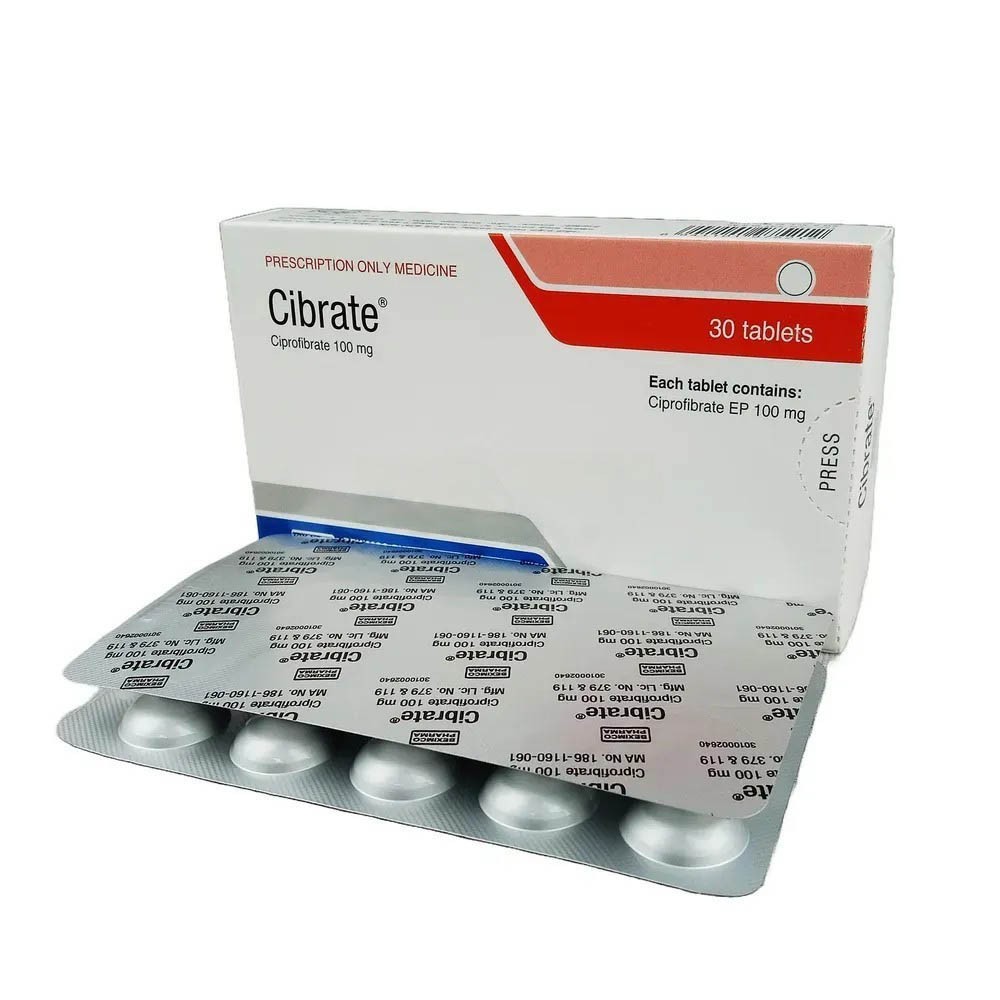
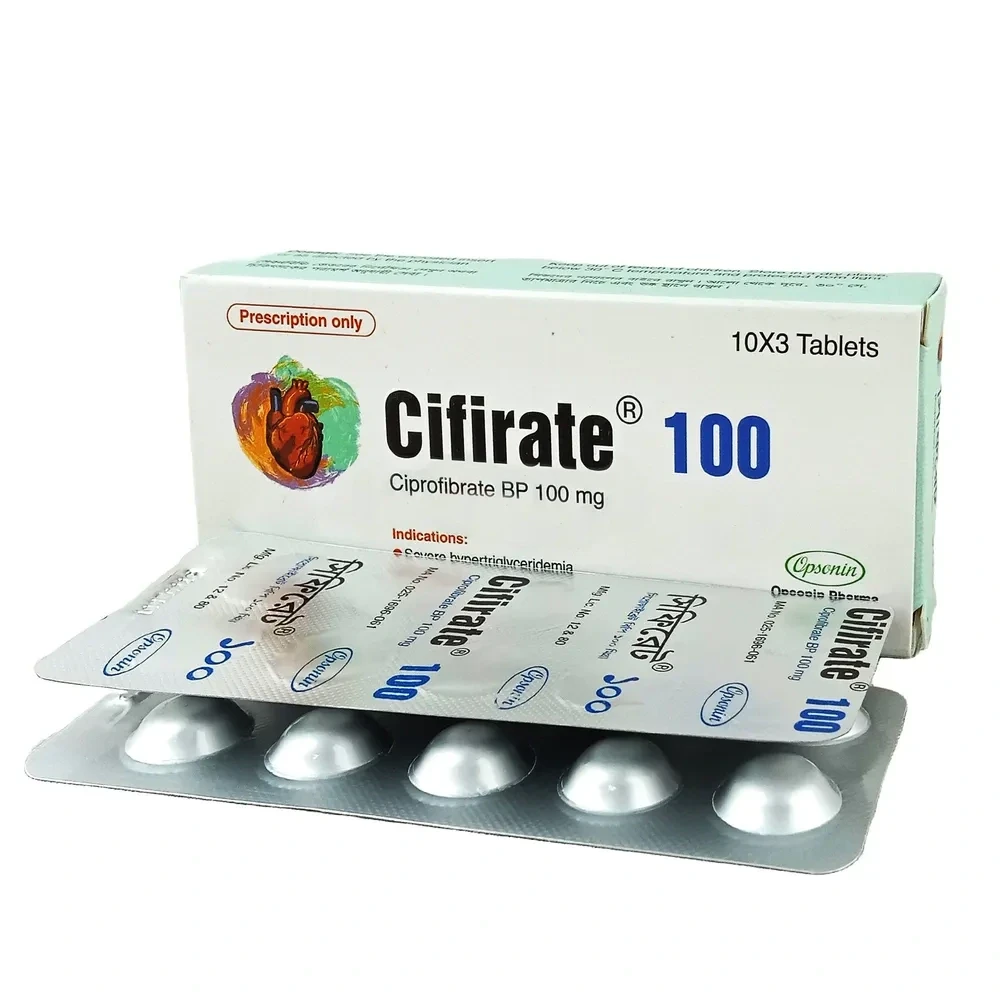
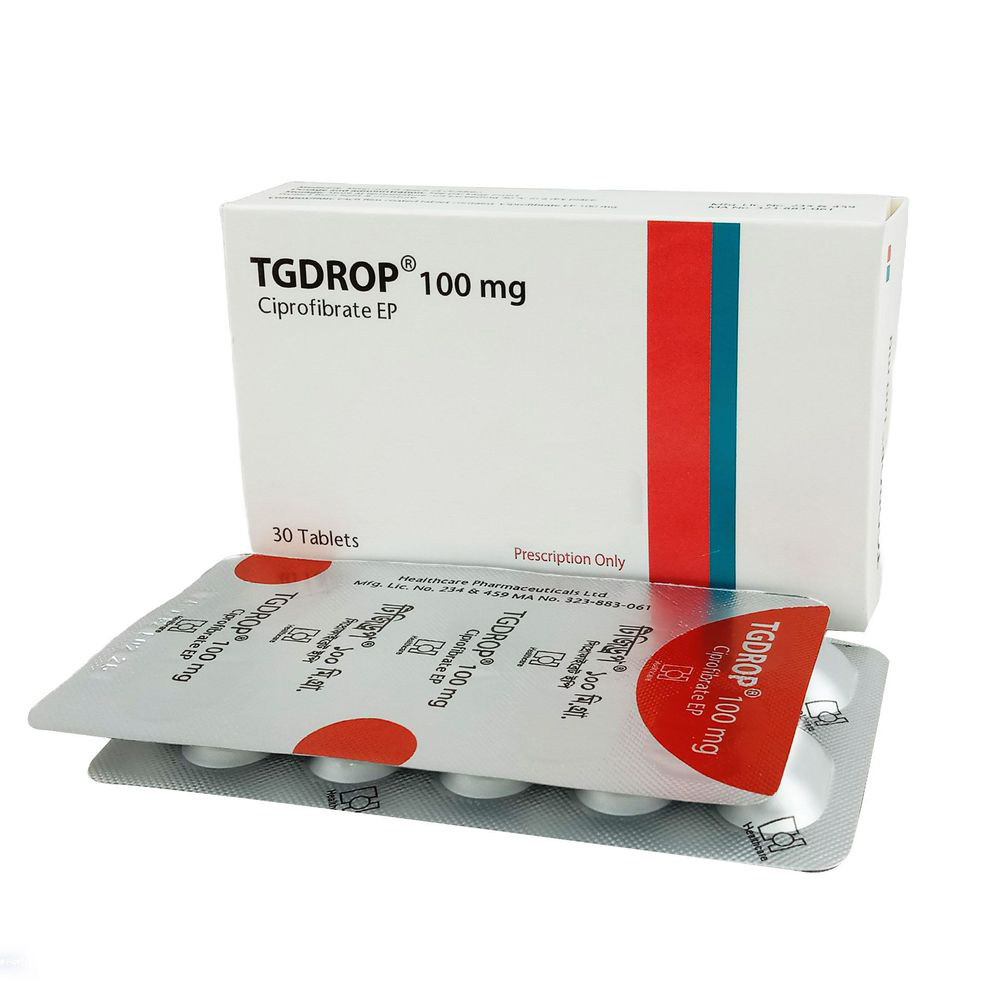
Ciprofibrate
Introduction
Ciprofibrate is an antihyperlipidemic drug that is used to treat high levels of cholesterol and triglycerides. It works by increasing the breakdown of fats and by reducing the production and absorption of dietary lipids.
Uses
Ciprofibrate is used to lower high levels of cholesterol and triglycerides in the blood. It is also used to treat certain genetic (familial) types of cholesterol and triglyceride disorders.
Mechanism of Action
Ciprofibrate works by interfering with the formation of cholesterol in the liver and by increasing the breakdown of cholesterol. This drug also inhibits fat absorption and increases the elimination of cholesterol from the body.
How long does it take to Work?
Ciprofibrate generally takes a few weeks to show its full efficacy. You should talk to your doctor about how long it will take to see results.
Absorption
Ciprofibrate is rapidly and completely absorbed in the gut, with peak plasma concentrations achieved within two hours of administration.
Route of Elimination
Ciprofibrate is excreted as metabolites in the urine and feces. The half-life of this drug is 7.5 hours.
Dosage
Adults: The recommended dose is Ciprofbrate 100 mg per day. This dose should not be exceeded.Patients with renal insufficiency: In moderate renal impairment (creatinine clearance 30-80 ml/min/1.73 m2) it is recommended that dosage be reduced to one tablet every other day. Patients should be carefully monitored. Ciprofbrate should not be used in severe renal impairment (creatinine clearance <30 ml/min/1.73 m2).
Patients with hepatic insufficiency: Use with caution in patients with impaired hepatic function. Ciprofbrate treatment should be discontinued in case of increased AST and ALT levels to more than 3 times the upper limit of normal or if cholestatic liver injury is evidenced.
Elderly: As for adults but precautions should be taken for Age more than 70 years.
Paediatric population: Not recommended since safety and efficacy in children has not been established.
Ciprofibrate is usually given as tablets taken by mouth. It may be taken with or without food. The usual dose is 200 – 500 mg taken once or twice daily.
Administration
Ciprofibrate should be taken as prescribed by your doctor. Swallow the tablets whole with a full glass of water. Do not crush, chew, or split the tablets.
Side Effects
Side effects associated with Ciprofibrate include diarrhea, nausea, stomach pain, flatulence, and headache. Serious side effects such as rash, itching, or difficulty breathing should be reported to your doctor immediately.
Toxicity
Ciprofibrate can cause liver damage in some patients, particularly those with pre-existing liver disease. If you have any abnormal liver tests, tell your doctor immediately.
Precautions
- Ciprofibrate should be used with caution in patients with kidney or liver disease.
- Ciprofibrate should not be used in pregnant or breast-feeding women.
- Ciprofibrate may interfere with blood sugar tests and thyroid function tests.
Interactions
Ciprofibrate may interact with other drugs including barbiturates, thyroid hormones, and oral anticoagulants. It is important to tell your doctor about any other medications you are taking before taking this drug
Disease Interactions
Ciprofibrate may worsen symptoms of kidney or liver disease. It should be used with caution in people with these conditions.
Drug Interactions
Ciprofibrate can interact with other drugs, including barbiturates, thyroid hormones, and oral anticoagulants. These drugs may have an increased risk of side effects when taken with ciprofibrate. It is important to tell your doctor about any other drugs you are taking before taking this drug.
Food Interactions
Ciprofibrate may interact with certain foods, oils, and fats. It is important to tell your doctor about any dietary restrictions before taking this drug.
Pregnancy Use
Ciprofibrate is not recommended for use in pregnancy as it may cause harm to the unborn baby. It is important to tell your doctor if you are pregnant or planning to become pregnant before taking this drug.
Lactation Use
Ciprofibrate is not recommended for use in breastfeeding women as it may enter the breast milk and cause harm to the infant. It is important to tell your doctor if you are breastfeeding or planning to breastfeed before taking this drug.
Acute Overdose
The symptoms of an acute overdose of ciprofibrate include abdominal pain, vomiting, nausea, and dizziness. If you have taken an overdose of ciprofibrate, contact your doctor or seek medical attention immediately.
Contraindications
Ciprofibrate is contraindicated in patients with an active liver disease, kidney disease, or a history of gallbladder disease.
Use Direction
Ciprofibrate should be taken as prescribed by your doctor. Swallow the tablets whole with a full glass of water. Do not crush, chew, or split the tablets.
Storage Conditions
Ciprofibrate should be stored at room temperature away from light and moisture. Keep out of reach of children and pets.
Volume of Distribution
The volume of distribution of ciprofibrate is not well defined, but is estimated to be 35-47 L/kg.
Half Life
The half-life of ciprofibrate is 7.5 hours.
Clearance
The clearance of ciprofibrate is 6.1-9.1 mL/min/kg.