Introduction
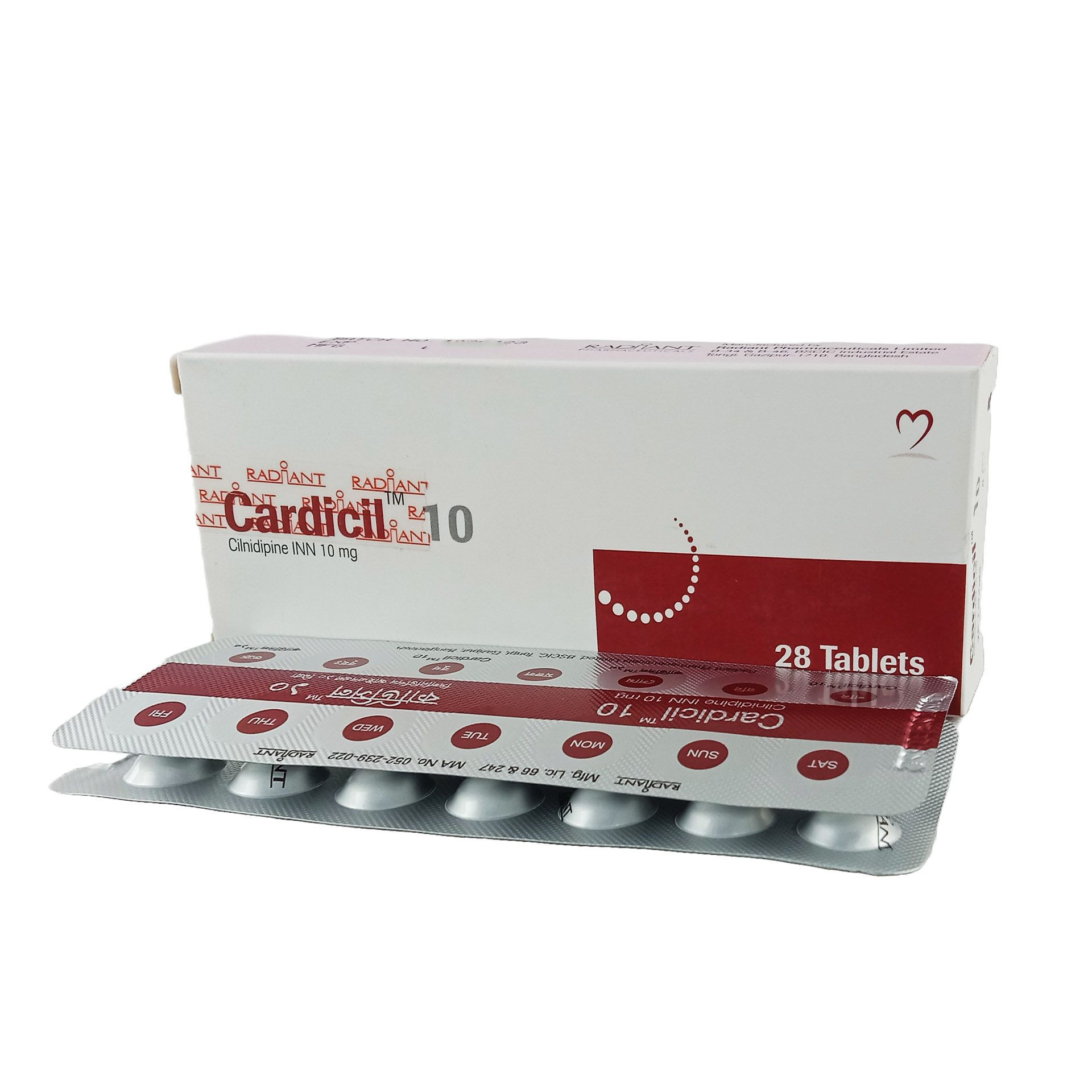
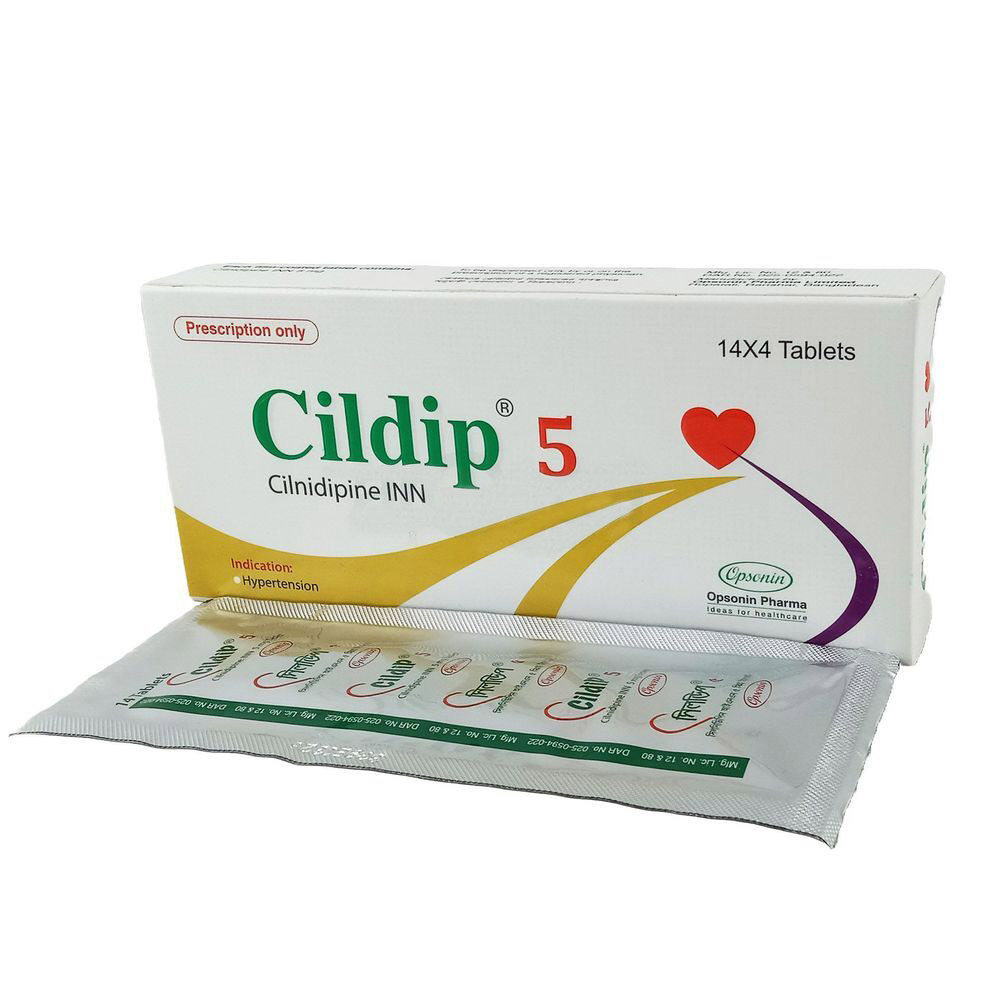
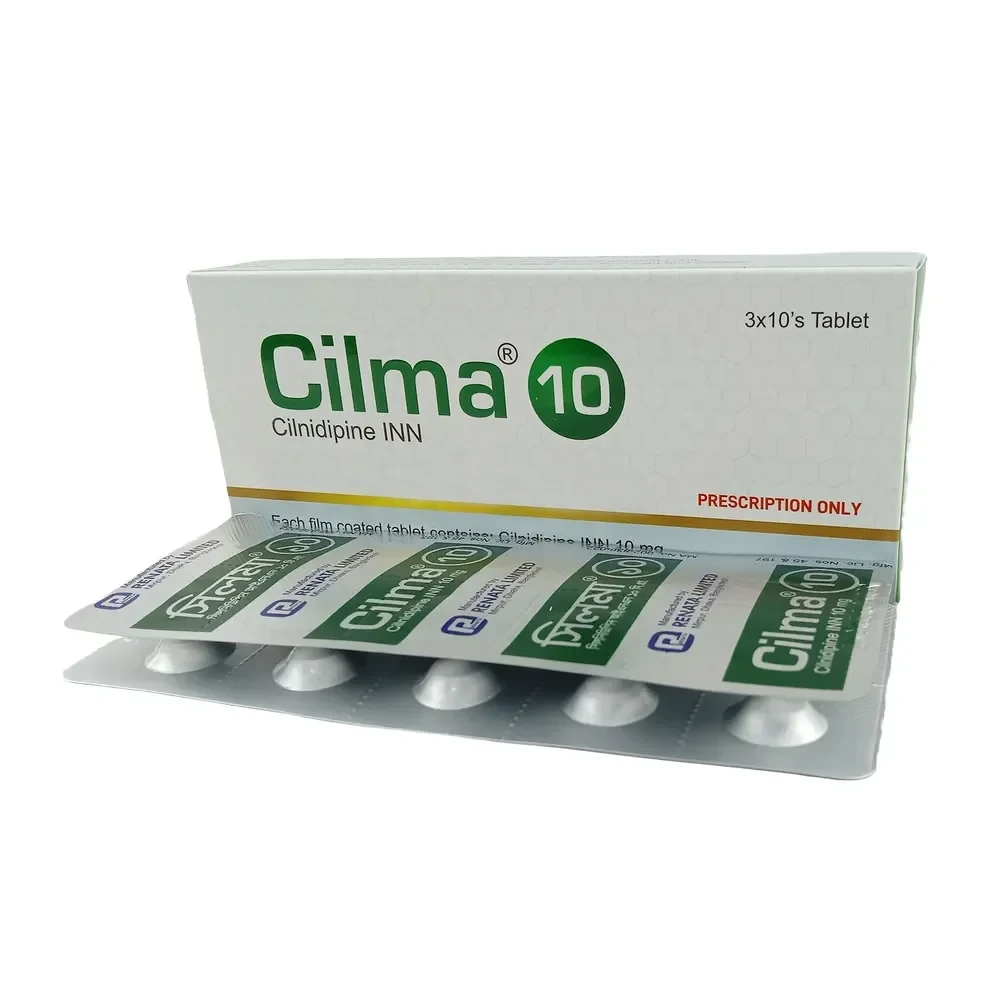
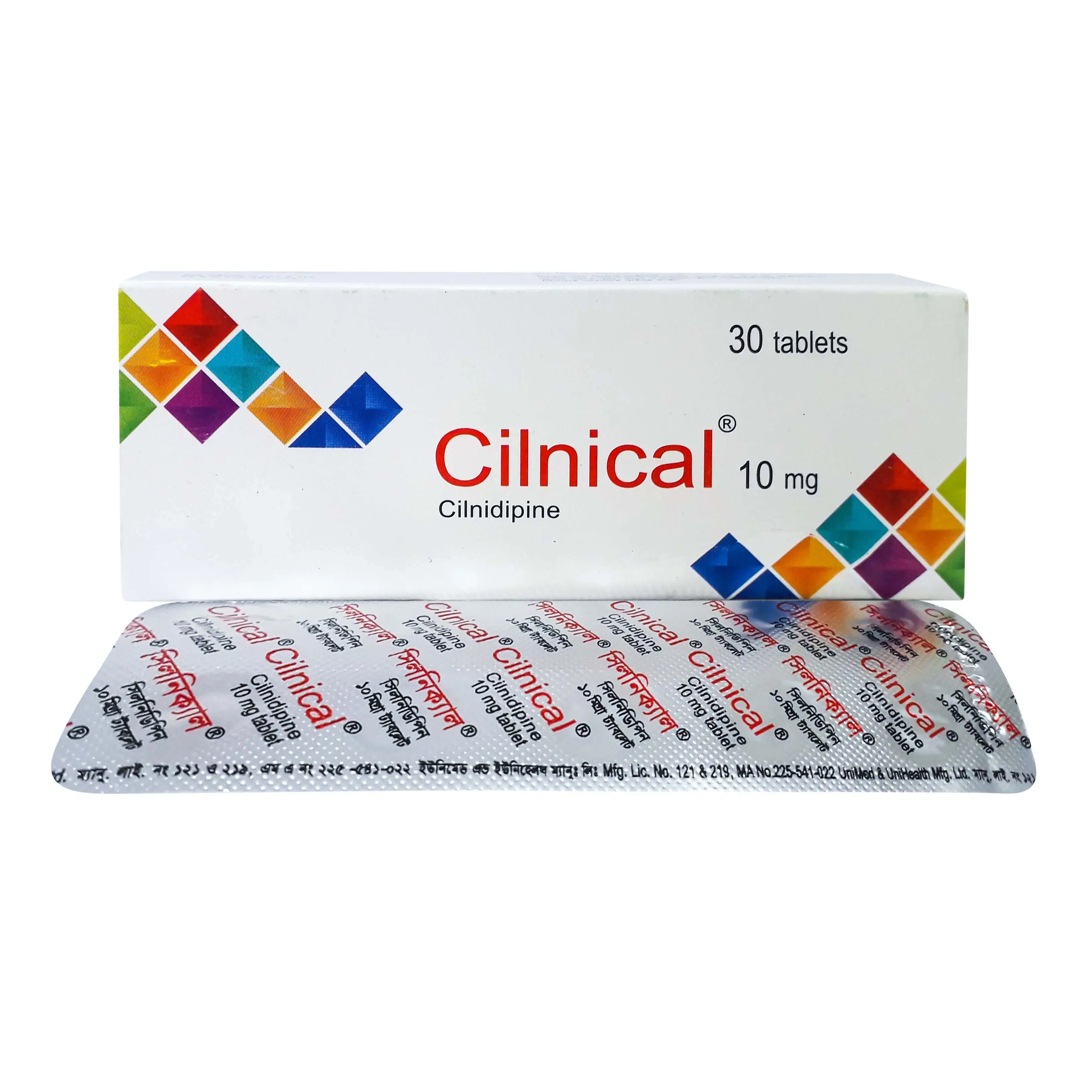
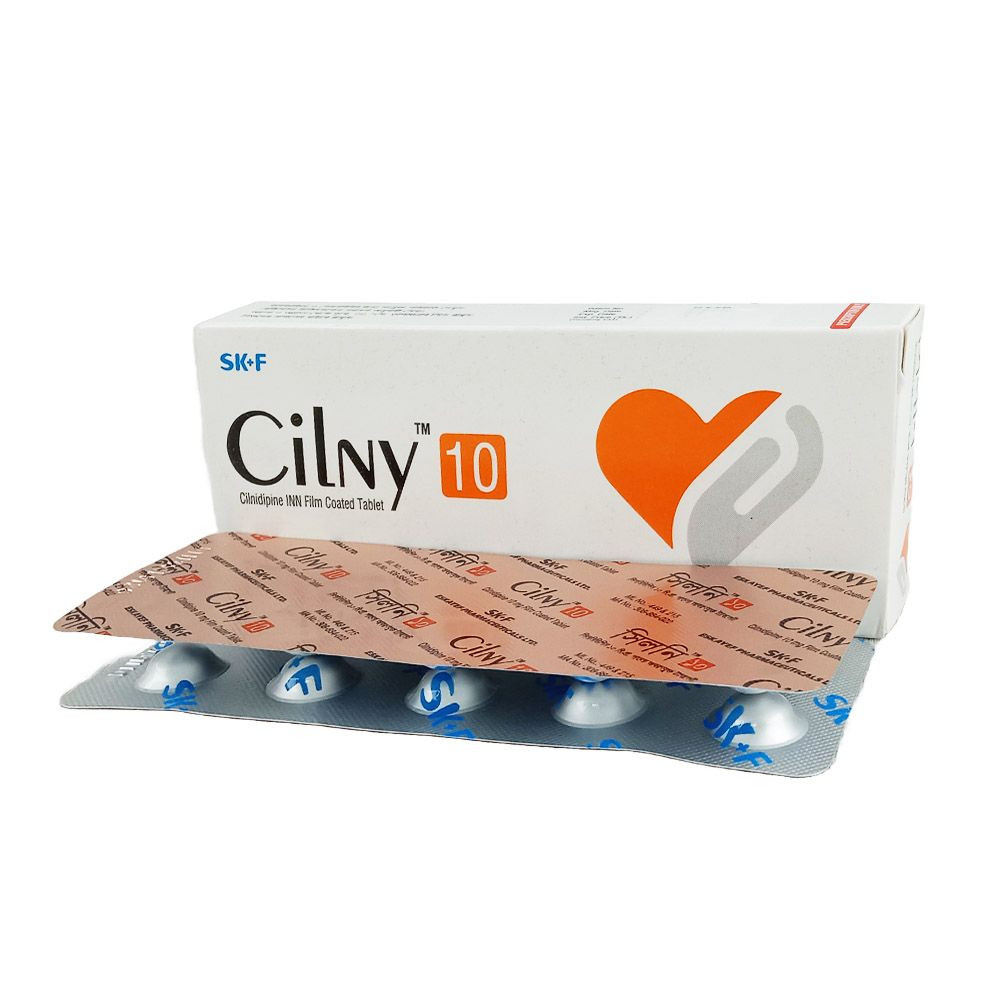
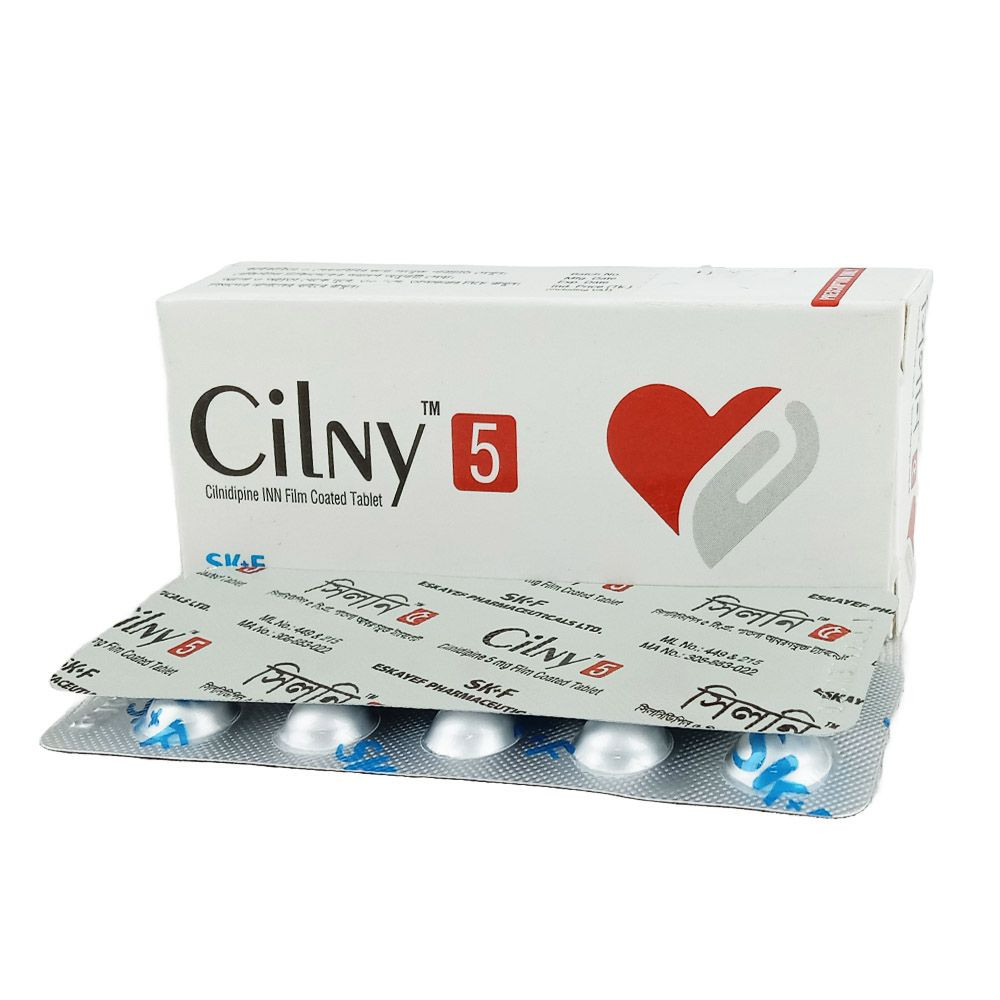
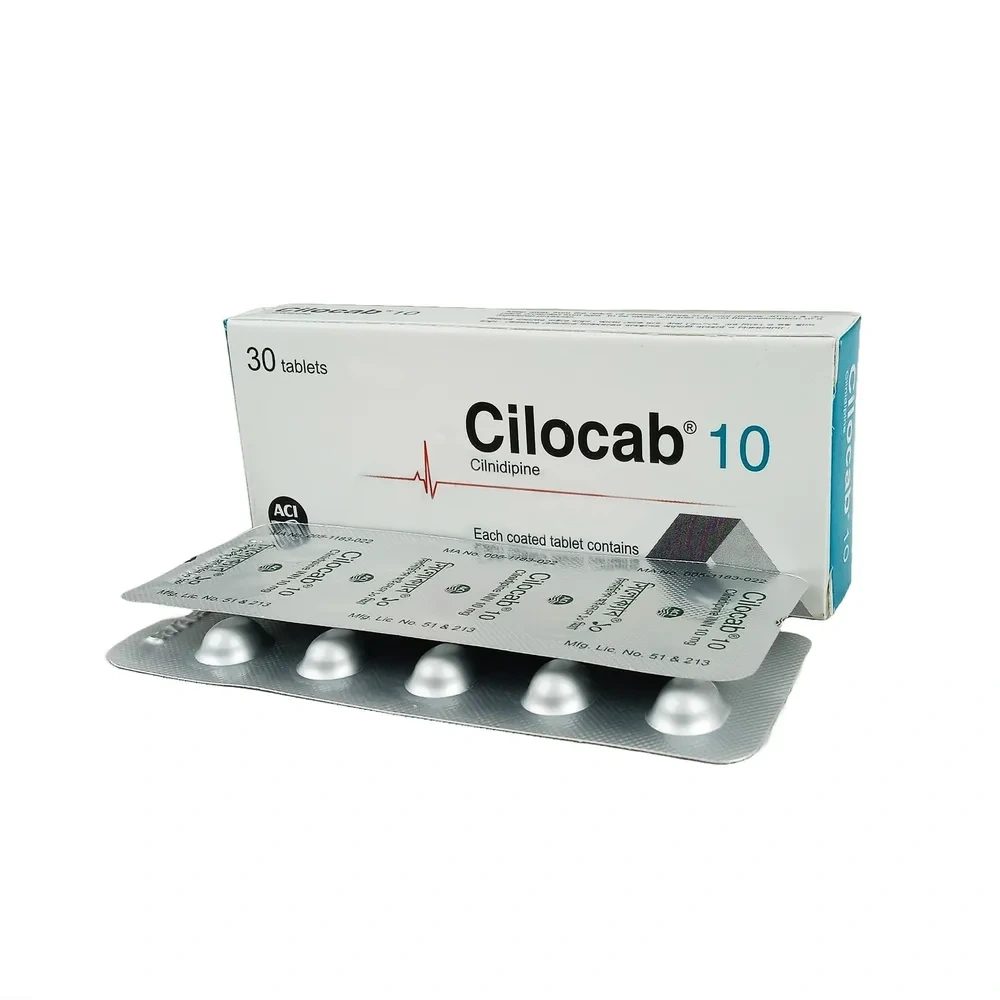
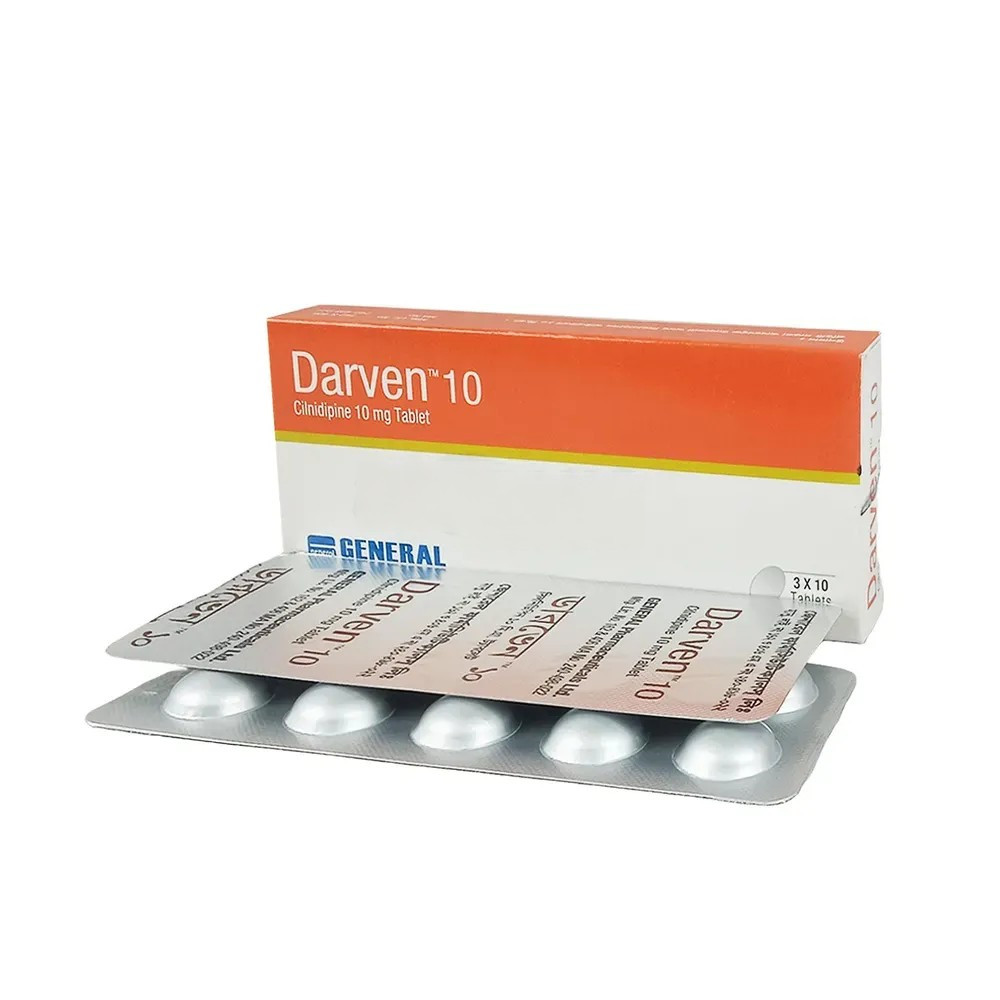
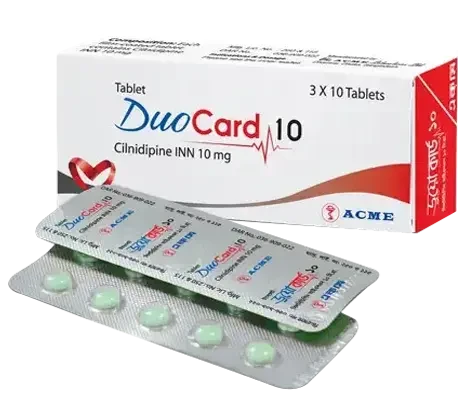
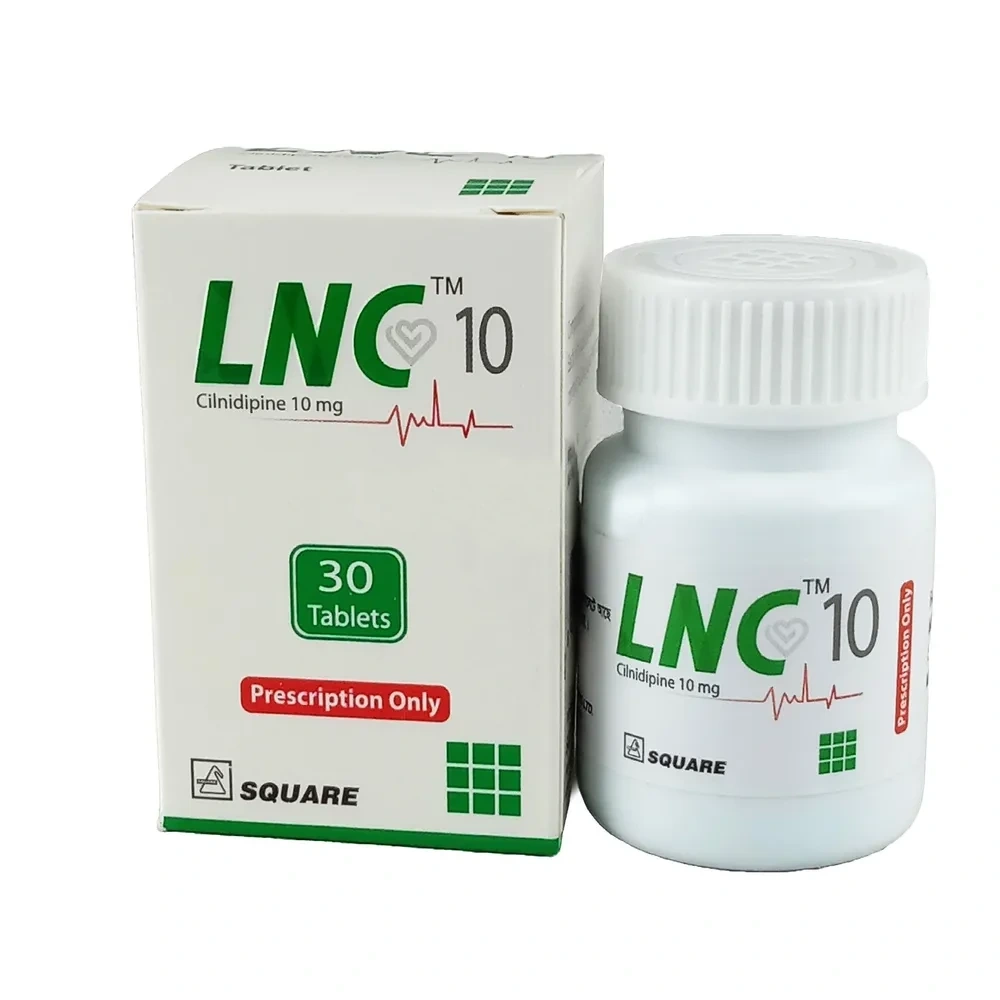
Cilnidipine is a dihydropyridine calcium antagonist. It was jointly developed by Fuji Viscera Pharmaceutical Company, Japan and Ajinomoto, Japan and approved in 1995. Compared with other calcium antagonists, cilnidipine can act on the N-type calcium channel that existing sympathetic nerve end besides acting on L-type calcium channel that similar to most of the calcium antagonists. This drug is approved in China, Japan, Korea, India, and several countries in the European Union.
Uses
Cilnidipine is a dihydropyridine calcium channel blocker with action on both N- and L-type calcium channels used to treat hypertension.
Cilnidipine is indicated for the management of hypertension for end-organ protection. It is reported to be useful in elderly patients and in those with diabetes and albuminuria. Cilnidipine has been increasingly used in patients with chronic kidney disease
Hypertension is the term used to describe the presence of high blood pressure. The blood pressure is generated by the force of the blood pumped from the heart against the blood vessels. Thus hypertension is caused when there is too much pressure on the blood vessels and this effect can damage the blood vessel.
Associated Conditions
Pharmacodynamics
Administration of cilnidipine has been shown to present an antisympathetic profile in vitro and in vivo. It decreases blood pressure safely and effectively without excessive blood pressure reduction or tachycardia.
Mechanism of Action
Cilnidipine acts on the L-type calcium channels of blood vessels by blocking the incoming calcium and suppressing the contraction of blood vessels, thereby reducing blood pressure. Cilnidipine also works on the N-type calcium channel located at the end of the sympathetic nerve, inhibiting the emission of norepinephrine and suppressing the increase in stress blood pressure.
Absorption
Cilnidipine presents a very rapid absorption with a maximum peaked concentration after 2 hours. Its distribution tends to be higher in the liver as well as in kidneys, plasma and other tissues. Cilnidipine does not present a high accumulation in the tissue after repeated oral administration.
Cilnidipine is reported to present very low bioavailability determined to be approximately 13%. This low bioavailability is suggested to be due to its low aqueous solubility and high permeability. Hence, efforts have been made in order to find an innovative formulation that can significantly improve the bioavailability of this drug. One of these formulations corresponds to the generation of polymeric nanoparticles which enhance the bioavailability by 2.5-3-fold.
Volume of Distribution
Drugs on the group of dihydropyridines such as cilnidipine tend to have a large volume of distribution.
Protein Binding
Cilnidipine presents a very high protein binding that represents to even 98% of the administered dose.
Route of Elimination
Cilnidipine gets eliminated through the urine in a proportion of 20% of the administered dose and 80% is eliminated by the feces.
Half Life
The half-life of the hypotensive effect for cilnidipine is of about 20.4 min.
Toxicity
The percentage of reports of cilnidipine that express drug toxicity reported as side effects are 5.26%.
Dosage
Pediatric use: The safety of Cilnidipine in pediatric patients has not been established.
Elderly use: Since the elderly may be more susceptible to hypotension, therapy should be initiated with the lowest possible dose (5 mg).