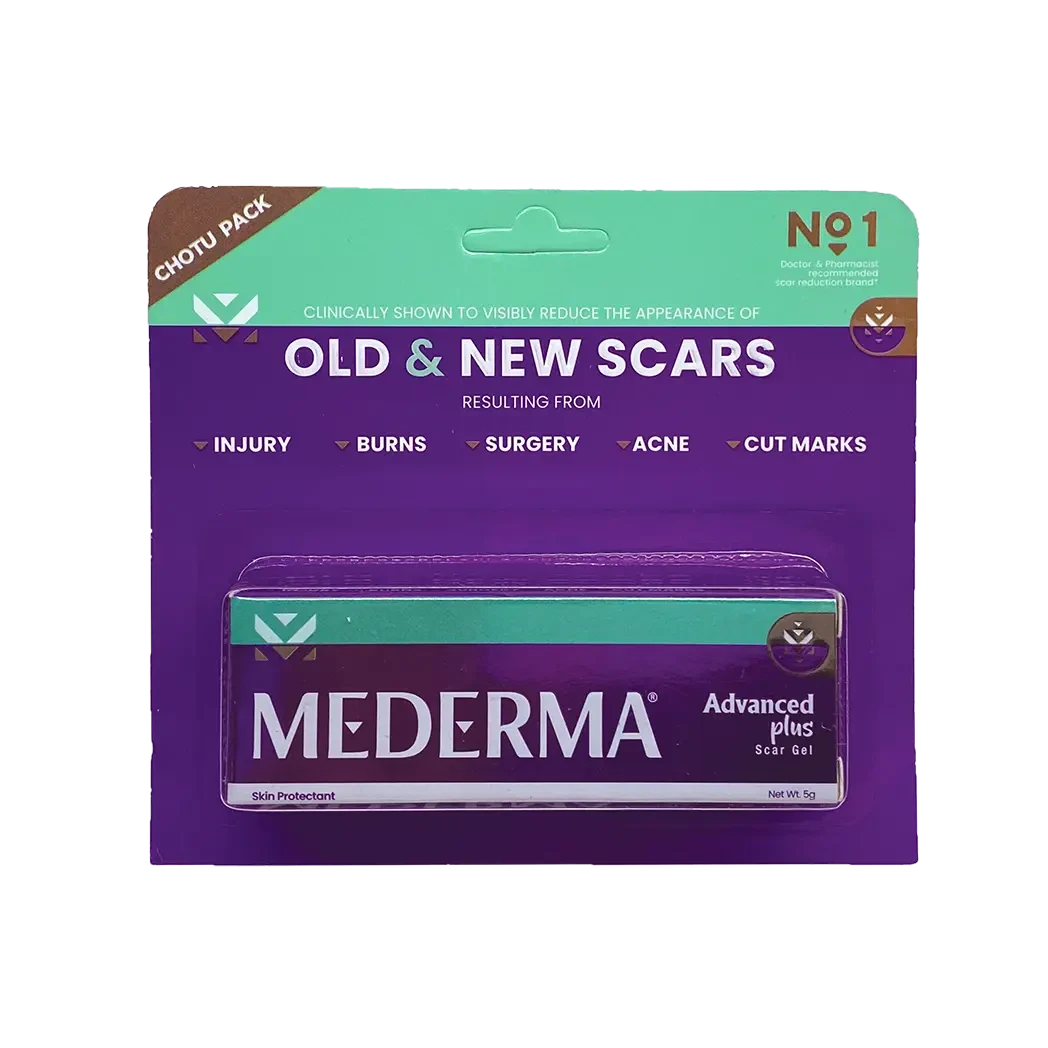
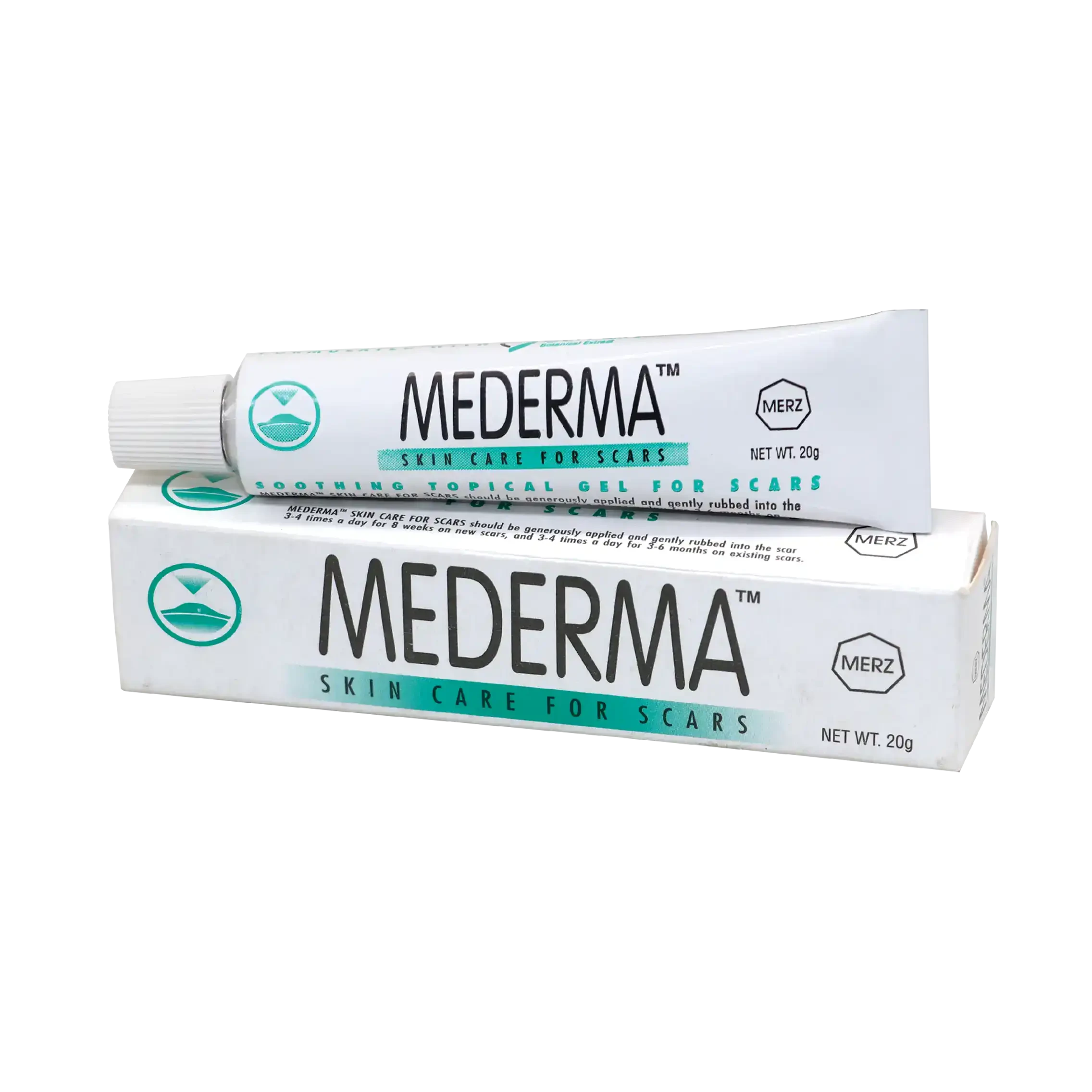
Introduction
Cepalin and allantoin are commonly used in topical formulations for their skin-soothing and healing properties. Cepalin is a proprietary extract of the onion plant known for its anti-inflammatory and anti-scar effects, while allantoin is a compound that promotes skin healing and hydration.
Uses
Cepalin and allantoin are used in topical treatments for:
- Scar management and prevention
- Wound healing
- Skin irritation and inflammation
- Minor burns and cuts
Mechanism of Action
Cepalin works by reducing inflammation and inhibiting excessive collagen formation, which helps minimize scar formation. Allantoin promotes skin healing by stimulating cell proliferation, reducing irritation, and improving skin hydration.
How Long Does It Take to Work?
The effects of topical treatments containing cepalin and allantoin can vary, but improvements in skin appearance and healing may be noticeable within a few weeks of consistent use. Scar improvement typically requires longer-term application.
Absorption
Both cepalin and allantoin are applied topically and have minimal systemic absorption. Their effects are localized to the area of application, where they work directly on the skin and underlying tissues.
Route of Elimination
Since cepalin and allantoin are used topically and have minimal systemic absorption, they are primarily eliminated through the skin with minimal involvement of systemic metabolic pathways.
Dosage
Mederma Cream should be evenly applied and gently rubbed into the scar 3 times daily for 8 weeks on new scars, and 3 times daily for 3-6 months on existing scars. Also apply Mederma Cream to the scar before sun exposure. Children under 6 months of age: ask a doctor.The dosage and frequency of application depend on the specific formulation and the condition being treated. Typically:
- Apply a thin layer of the product to the affected area 1-2 times daily.
- For scar treatment, application should continue for several months for optimal results.
Administration
Apply the product topically to the affected area. Ensure the skin is clean and dry before application. Gently massage the product into the skin until fully absorbed.
Side Effects
Common side effects are generally mild and may include:
- Skin irritation
- Redness or rash
Toxicity
There is a low risk of systemic toxicity with topical application. Overuse or application on broken skin may lead to increased risk of irritation or adverse reactions.
Precautions
- **Avoid contact with eyes and mucous membranes.** - **Do not apply to open wounds or broken skin.** - **Discontinue use if severe irritation occurs.**
Interaction
Interactions with other topical medications are possible. Avoid combining with other topical treatments unless advised by a healthcare provider.
Disease Interaction
Use with caution in individuals with sensitive skin conditions or those prone to allergic reactions. Consult a healthcare provider if there are any underlying skin conditions.
Drug Interaction
There are no significant systemic drug interactions with topical cepalin and allantoin. However, interactions with other topical agents should be considered.
Food Interactions
There are no known food interactions as cepalin and allantoin are used topically and do not have systemic effects.
Pregnancy Use
Topical cepalin and allantoin are generally considered safe for use during pregnancy. However, consult a healthcare provider before use to ensure there are no contraindications.
Lactation Use
These compounds are generally considered safe for use during lactation. Avoid application on areas that come into direct contact with the infant, such as the breasts.
Acute Overdose
Acute overdose is unlikely with topical application. In case of accidental ingestion or excessive use, seek medical advice immediately.
Contraindication
Avoid use in individuals with known hypersensitivity to cepalin, allantoin, or other components of the formulation. Do not use on open wounds or broken skin.
Use Direction
Apply a thin layer to the affected area 1-2 times daily as directed. Gently massage into the skin until fully absorbed. Follow product-specific instructions for best results.
Storage Conditions
Store in a cool, dry place away from direct sunlight. Keep the container tightly closed and out of reach of children.
Volume of Distribution
As a topical treatment with minimal systemic absorption, the volume of distribution is not typically measured for these compounds.
Half Life
The half-life of cepalin and allantoin is not applicable in the context of topical application as they have minimal systemic absorption.
Clearance
Systemic clearance is not relevant for topical cepalin and allantoin due to minimal systemic absorption. They are primarily cleared from the skin and localized tissues.