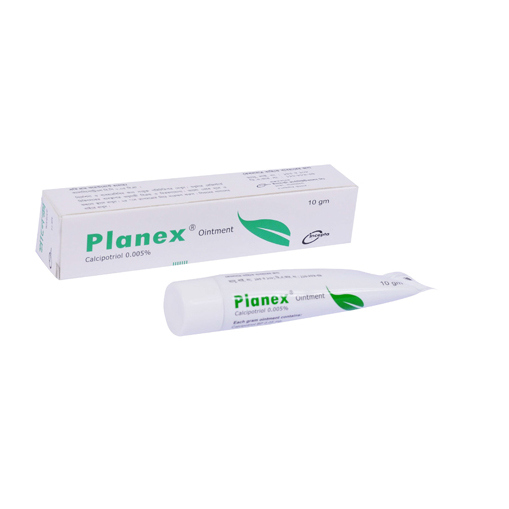
Introduction
Calcipotriol (INN) or calcipotriene (USAN) is a sythetic derivative of calcitriol or Vitamin D.
Uses
Calcipotriol is a topical synthetic vitamin D2 derivative used in the treatment of plaque psoriasis.
For the treatment of moderate plaque psoriasis in adults.
Associated Conditions
Pharmacodynamics
Calcipotriene is a synthetic analog of vitamin D. In humans, the natural supply of vitamin D depends mainly on exposure to the ultraviolet rays of the sun for conversion of 7-dehydrocholesterol to vitamin D3 (cholecalciferol) in the skin.
Mechanism of Action
The precise mechanism of calcipotriol in remitting psoriasis is not well-understood, however, it has been shown to have comparable affinity with calcitriol for the Vitamin D receptor while being less than 1% the activity in regulating calcium metabolism. The Vitamin D receptor (VDR) belongs to the steroid/thyroid receptor superfamily, and is found on the cells of many different tissues including the thyroid, bone, kindney, and T cells of the immune system. T cells are known to play a role in psoriasis and are believed to undergo modulation of gene expression with binding of calcipotriol to the VDR. This modulation is thought to affect gene products related to cell differentiation and proliferation.
Absorption
Clinical studies with radiolabeled ointment indicate that approximately 6% (+3%, SD) of the applied dose of calcipotriene is absorbed systemically when the ointment is applied topically to psoriasis plaques or 5% (+2.6%, SO) when applied to normal skin.
Route of Elimination
The active form of the vitamin, 1,25-dihydroxy vitamin D3 (calcitriol), is known to be recycled via the liver and excreted in the bile. There is evidence that maternal 1,25-dihydroxy vitamin D3 (calcitriol) may enter the fetal circulation, but it is not known whether it is excreted in human milk.
Toxicity
Topically applied calcipotriene can be absorbed in sufficient amounts to produce systemic effects. Elevated serum calcium has been observed with excessive use of calcipotriene.
Food Interactions
No interactions found.