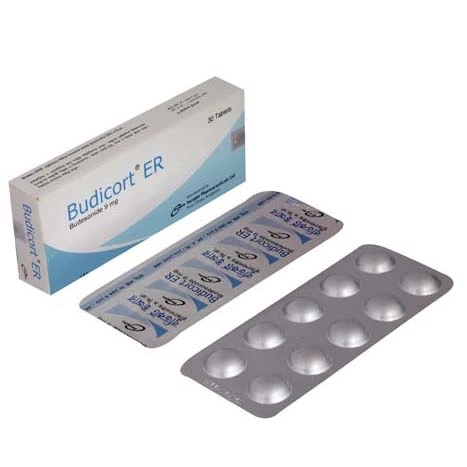
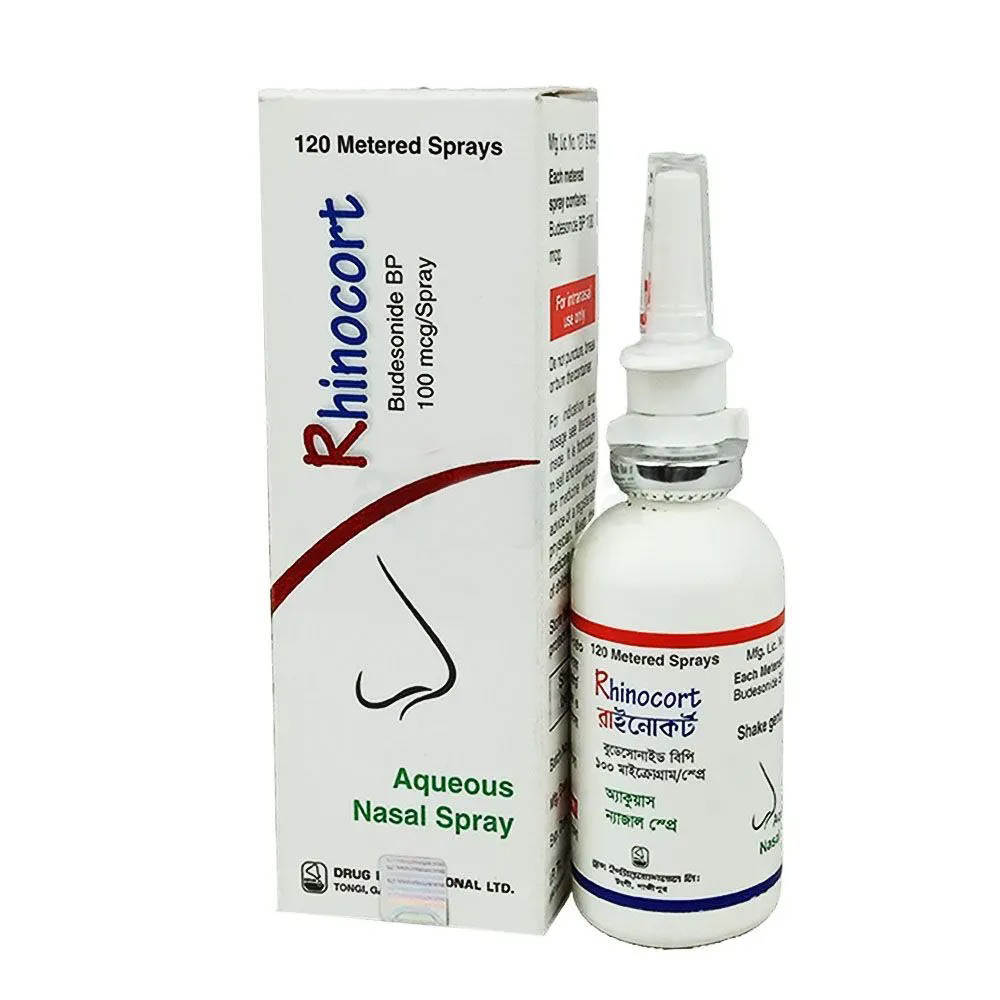
Introduction
Budesonide is a glucocorticoid that is a mix of the 22R and 22S epimer used to treat inflammatory conditions of the lungs and intestines such as asthma, COPD, Crohn's disease, and ulcerative colitis.
Uses
Budesonide is a corticosteroid used to treat Crohn's disease, asthma, COPD, hay fever and allergies, and ulcerative colitis.
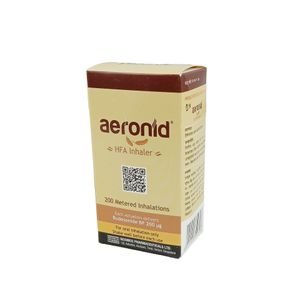
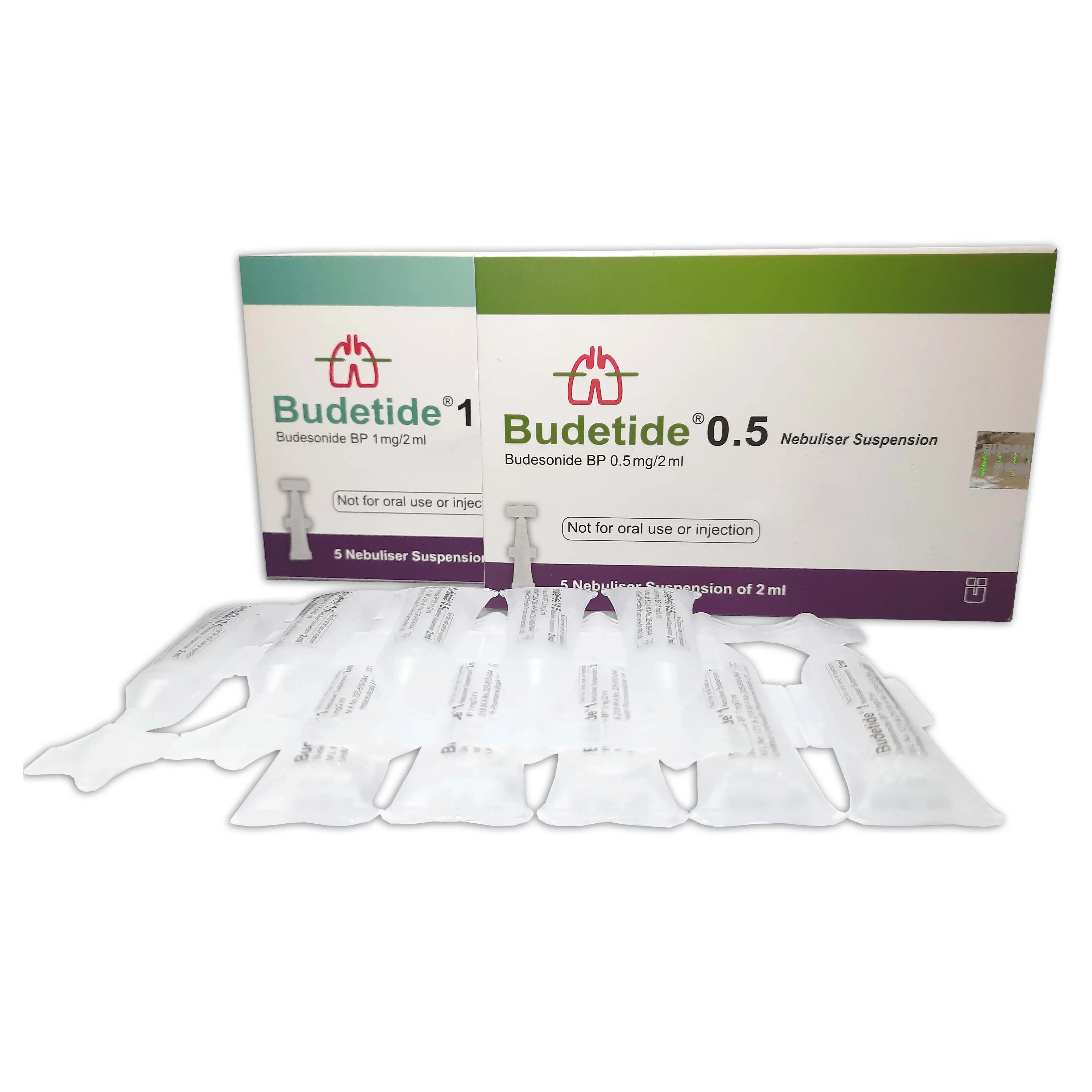
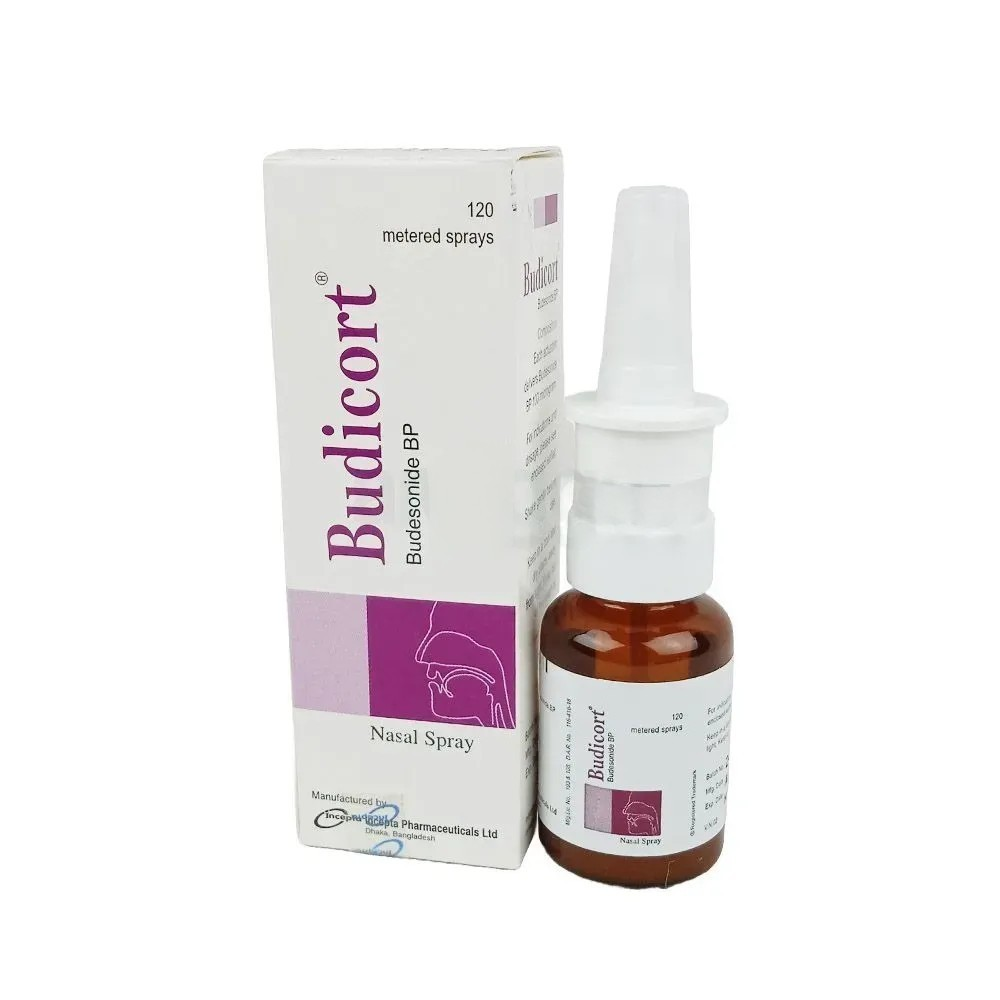
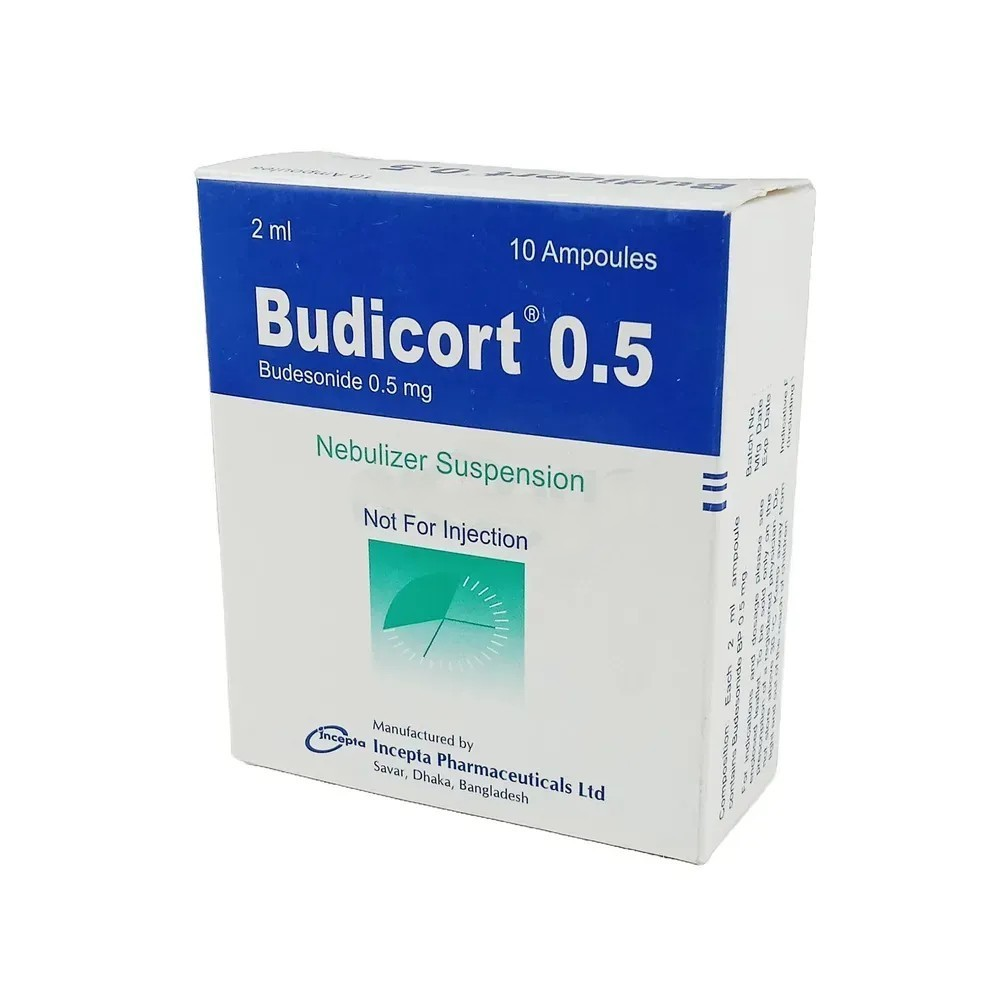
Budesonide extended release capsules are indicated for the treatment and maintenance of mild to moderate Crohn’s disease. Various inhaled budesonide products are indicated for prophylactic therapy in asthma and reducing exacerbations of COPD. A budesonide nasal spray is available over the counter for symptoms of hay fever and upper respiratory allergies. Extended release capsules are indicated to induce remission of mild to moderate ulcerative colitis and a rectal foam is used for mild to moderate distal ulcerative colitis.
Associated Conditions
Pharmacodynamics
Budesonide is a glucocorticoid used to treat respiratory and digestive conditions by reducing inflammation. It has a wide therapeutic index, as dosing varies highly from patient to patient. Patients should be counselled regarding the risk of hypercorticism and adrenal axis suppression.
Mechanism of Action
The short term effects of corticosteroids are decreased vasodilation and permeability of capillaries, as well as decreased leukocyte migration to sites of inflammation. Corticosteroids binding to the glucocorticoid receptor mediates changes in gene expression that lead to multiple downstream effects over hours to days.
Glucocorticoids inhibit neutrophil apoptosis and demargination; they inhibit phospholipase A2, which decreases the formation of arachidonic acid derivatives; they inhibit NF-Kappa B and other inflammatory transcription factors; they promote anti-inflammatory genes like interleukin-10.
Lower doses of corticosteroids provide an anti-inflammatory effect, while higher doses are immunosuppressive. High doses of glucocorticoids for an extended period bind to the mineralocorticoid receptor, raising sodium levels and decreasing potassium levels.
Absorption
Extended release oral capsules are 9-21% bioavailable. A 9mg dose reaches a Cmax of 1.50±0.79ng/mL with a Tmax of 2-8h and an AUC of 7.33ng*hr/mL. A high fat meal increases the Tmax by 2.3h but otherwise does not affect the pharmacokinetics of budesonide.
180-360µg metered inhaled doses of budesonide are 34% deposited in the lungs, 39% bioavailable, and reach a Cmax of 0.6-1.6nmol/L with a Tmax of 10 minutes.
A 1mg nebulized dose is 6% bioavailable, reaching a Cmax of 2.6nmol/L with a Tmax of 20 minutes.
A 9mg oral extended release tablet reaches a Cmax of 1.35±0.96ng/mL with a Tmax of 13.3±5.9h and an AUC of 16.43±10.52ng*hr/mL.
Budesonide rectal foam 2mg twice daily has an AUC of 4.31ng*hr/mL.
Volume of Distribution
The volume of distribution of budesonide is 2.2-3.9L/kg.
Protein Binding
Corticosteroids are generally bound to corticosteroid binding globulin and serum albumin in plasma. Budesonide is 85-90% protein bound in plasma.
Route of Elimination
Approximately 60% of a budesonide dose is recovered in the urine as the major metabolites 6beta-hydroxybudesonide, 16alpha-hydroxyprednisolone, and their conjugates. No unchanged budesonide is recovered in urine.
Half Life
Budesonide has a plasma elimination half life of 2-3.6h. The terminal elimination half life in asthmatic children 4-6 years old is 2.3h.
Clearance
Budesonide has a plasma clearance of 0.9-1.8L/min. The 22R form has a clearance of 1.4L/min while the 22S form has a clearance of 1.0L/min. The clearance in asthmatic children 4-6 years old is 0.5L/min.
Toxicity
Acute overdose of corticosteroids is rare, however prolonged high dosing of corticosteroids can lead to hypercorticism and adrenal axis suppression. In the case of overdose, reduce the dosage of corticosteroids temporarily.
A 200mg oral dose is lethal to female mice while a 400mg oral dose is lethal to male mice.
Food Interactions
- Take with or without food. Food delays drug absorption, but not to a clinically significant extent.