Introduction
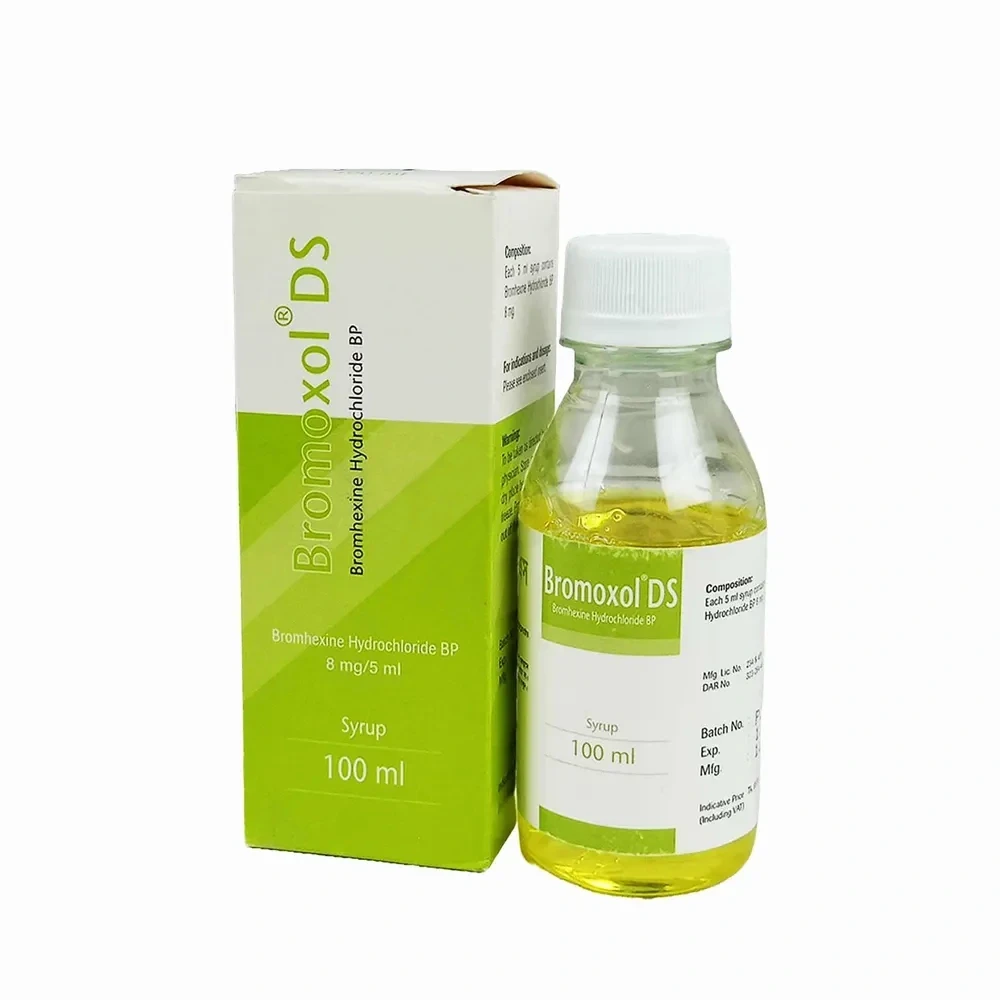
Bromhexine is mucolytic agent used for a variety of respiratory conditions associated with increased mucus secretion. It is derived from the Adhatoda vasica plant and aids in the clearance of excess mucus, improving breathing and reducing cough. It was introduced into the market in 1963, and is widely available as an over-the-counter drug in many countries. Recently, bromhexine and its metabolite ambroxol have garnered interest for the potential prevention and treatment of COVID-19 due to their interactions with cell receptors in the lungs.
Uses
Bromhexine is a mucolytic drug used to decrease the viscosity of mucus in the airway, enhancing mucus clearance.
Bromohexine is used alone or with other ingredients such as diphenhydramine, dextromethorphan, and guaifenesin to reduce mucus viscosity and clear mucus in conditions associated with mucus hypersecretion, including the common cold, influenza, respiratory tract infections, or other conditions.
Associated Conditions
Pharmacodynamics
Bromhexine thins airway secretions, improving breathing and discomfort associated with thick mucus in airways associated with a variety of respiratory conditions.
Mechanism of Action
Inflammation of the airways, increased mucus secretion, and altered mucociliary clearance are the hallmarks of various diseases of the respiratory tract. Mucus clearance is necessary for lung health; bromhexine aids in mucus clearance by reducing the viscosity of mucus and activating the ciliary epithelium, allowing secretions to be expelled from the respiratory tract.
Recent have studies have demonstrated that bromhexine inhibits the transmembrane serine protease 2 receptor (TMPRSS2) in humans. Activation of TMPRSS2 plays an important role in viral respiratory diseases such as influenza A and Middle East Respiratory Syndrome (MERS). Inhibition of receptor activation and viral entry by bromhexine may be effective in preventing or treating various respiratory illnesses, including COVID-19. In vitro studies have suggested the action of ambroxol (a metabolite of bromhexine) on the angiogensin-converting enzyme receptor 2 (ACE2), prevents entry of the viral envelope-anchored spike glycoprotein of SARS-Cov-2 into alveolar cells or increases the secretion of surfactant, preventing viral entry.
Absorption
After oral administration, bromhexine demonstrates linear pharmacokinetics when given in doses of 8-32 mg. Bromhexine is readily absorbed in the gastrointestinal tract at a rapid rate. This drug undergoes extensive first-pass effect in the range of 75-80%. The bioavailability is therefore reduced to approximately 22-27%.
Volume of Distribution
After intravenous administration in a pharmacokinetic study, bromhexine was found to be widely distributed. Bromhexine is known to cross the blood-brain barrier; small concentrations may cross the placenta. The average volume of distribution of bromhexine was 1209 ± 206 L (19 L/kg). Lung tissue concentrations of bromhexine two hours after a dose were 1.5 to 3.2 times higher in bronchial tissues than plasma concentrations. Pulmonary parynchema concentrations were 3.4 to 5.9 times higher when compared to plasma concentrations.
Protein Binding
Bromhexine is approximately 95% bound to plasma proteins.
Route of Elimination
After a dose of bromhexine was administered during a pharmacokinetic study, approximately 97% of the radiolabeled dose was detected in the urine; under 1% was detected as the parent drug.
Half Life
Following single oral doses ranging from 8 and 32 mg, the terminal half-life of bromhexine has been measured between 6.6 and 31.4 hours.
Clearance
The clearance of bromhexine ranges from 843-1073 mL/min, within the range of the hepatic circulation.
Toxicity
The oral LD50 of bromhexine in rats is 6 g/kg. The observed symptoms of accidental overdose with bromhexine are consistent with the known adverse effects of bromhexine, including headache, nausea, and vomiting, among other symptoms. Provide symptomatic treatment and contact poison control services if an overdose is confirmed or suspected.
Food Interactions
No interactions found.