Introduction
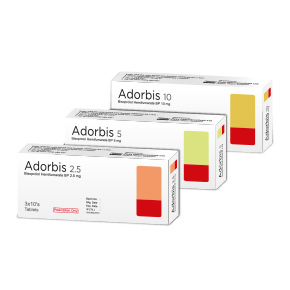
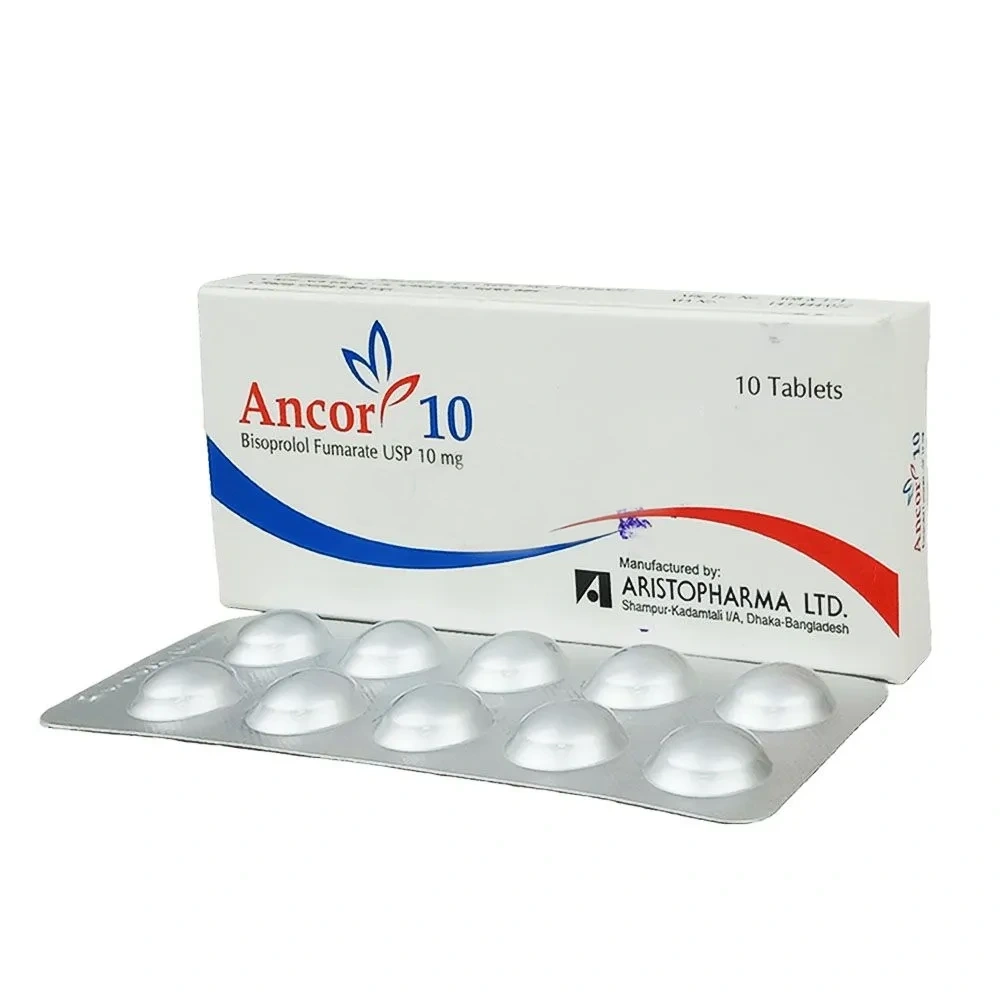
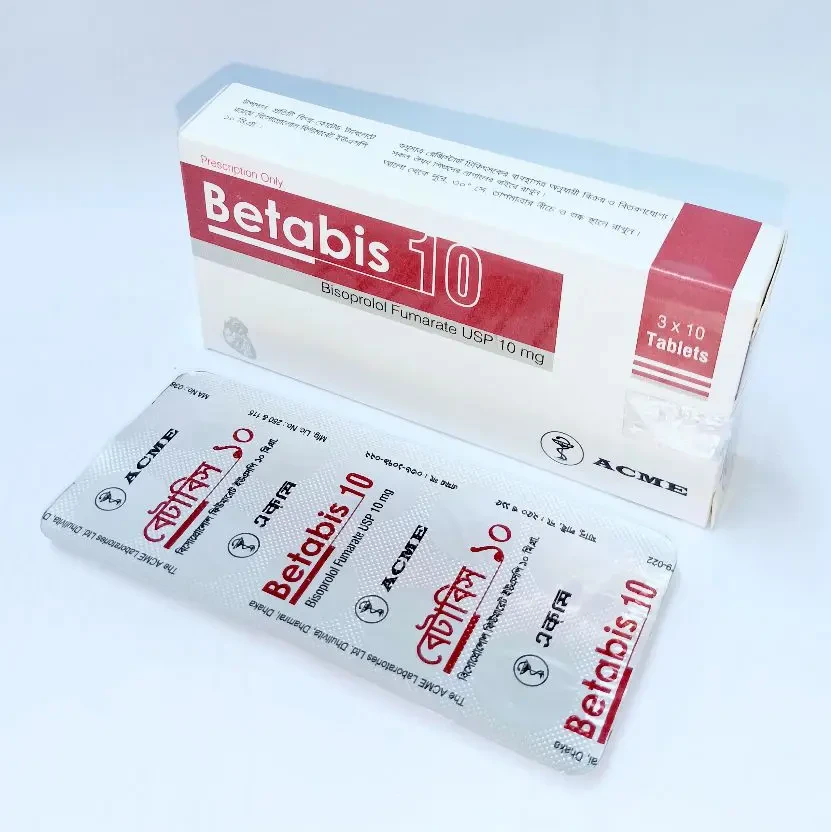
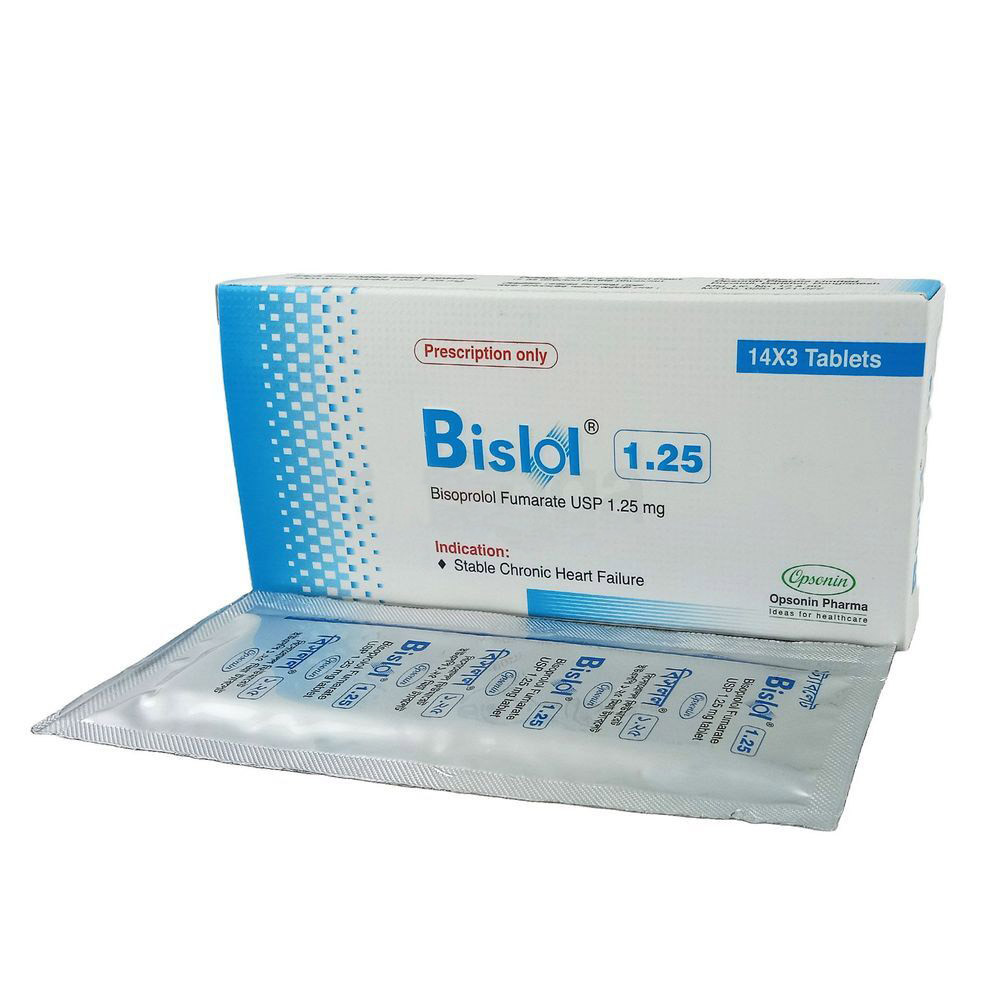
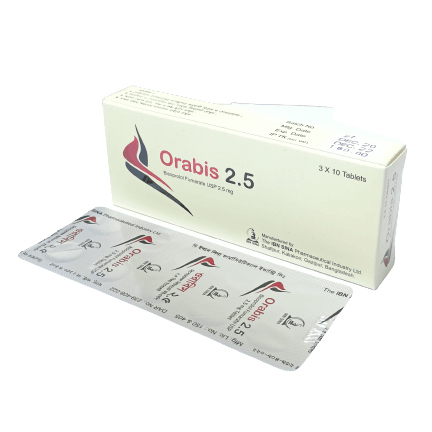
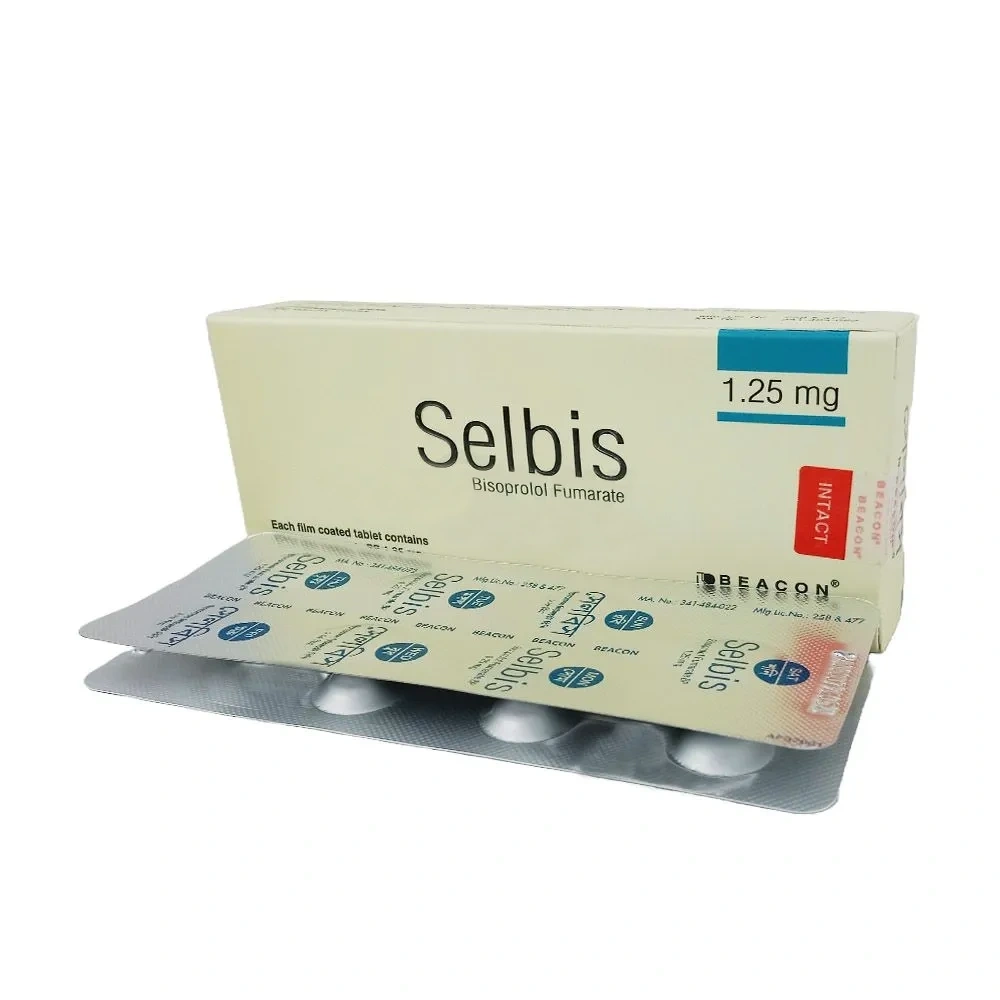
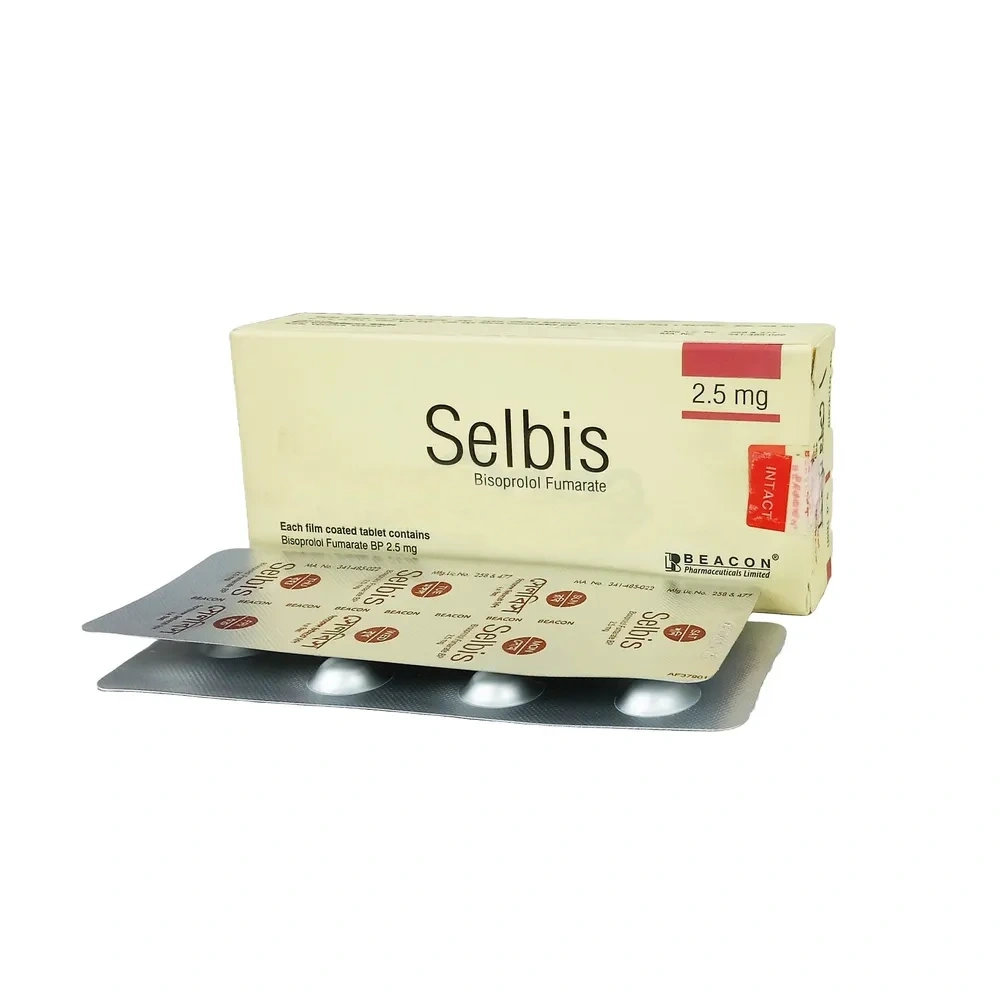
Bisoprolol is a cardioselective β1-adrenergic blocking agent used to treat high blood pressure. It is considered a potent drug with a long-half life that can be used once daily to reduce the need for multiple doses of antihypertensive drugs. Bisoprolol is generally well tolerated, likely due to its β1-adrenergic receptor selectivity and is a useful alternative to non-selective β-blocker drugs in the treatment of hypertension such as Carvedilol and Labetalol. It may be used alone or in combination with other drugs to manage hypertension and can be useful in patients with chronic obstructive pulmonary disease (COPD) due to its receptor selectivity.
Uses
Bisoprolol is a beta-1 adrenergic blocking agent used to prevent myocardial infarction and heart failure and to treat mild to moderate hypertension.
Bisoprolol is indicated for the treatment of mild to moderate hypertension. It may be used off-label to treat heart failure, atrial fibrillation, and angina pectoris.
Associated Conditions
Pharmacodynamics
Bisoprolol decreases heart rate (chronotropy), decreases contractility (inotropy), and reduces blood pressure. The results of various clinical studies indicate that bisoprolol reduces cardiovascular mortality and all-cause mortality in patients with heart failure and decreased cardiac ejection fraction (EF).
Mechanism of Action
Though the mechanism of action of bisoprolol has not been fully elucidated in hypertension, it is thought that therapeutic effects are achieved through the antagonism of β-1adrenoceptors to result in lower cardiac output. Bisoprolol is a competitive, cardioselective β1-adrenergic antagonist. When β1-receptors (located mainly in the heart) are activated by adrenergic neurotransmitters such as epinephrine, both the blood pressure and heart rate increase, leading to greater cardiovascular work, increasing the demand for oxygen. Bisoprolol reduces cardiac workload by decreasing contractility and the need for oxygen through competitive inhibition of β1-adrenergic receptors.
Bisoprolol is also thought to reduce the output of renin in the kidneys, which normally increases blood pressure. Additionally, some central nervous system effects of bisoprolol may include diminishing sympathetic nervous system output from the brain, decreasing blood pressure and heart rate.
Absorption
Bisoprolol is well absorbed in the gastrointestinal tract. The AUC is 642.87 g.hr/mL and bioavailability of bisoprolol is about 90% due to the minimal first pass effects. Absorption is unaffected by food intake. Peak plasma concentrations of bisoprolol are attained within 2-4 hours and steady-state concentrations are achieved within 5 days of administration. In a pharmacokinetic study, the mean peak concentration of bisoprolol was 52 micrograms/L. Cmax at steady state concentrations of bisoprolol is 64±21 ng/ml administered at 10 mg daily.
Volume of Distribution
The volume of distribution of bisoprolol is 3.5 L/kg. The mean volume of distribution was found to be 230 L/kg in heart failure patients, which was similar to the volume of distribution in healthy patients. Bisoprolol is known to cross the placenta.
Protein Binding
Binding to serum proteins is approximately 30%.
Route of Elimination
Bisoprolol is eliminated equally by both renal and hepatic pathways. About 50% of an oral dose is excreted unchanged in the urine with the remainder of the dose excreted as inactive bisoprolol metabolites. Under 2% of the ingested dose is found to be excreted in the feces.
Half Life
A pharmacokinetic study in 12 healthy individuals determined the mean plasma half-life of bisoprolol to be 10-12 hours. Another study comprised of healthy patients determined the elimination half-life to be approximately 10 hours. Renal impairment increased the half-life to 18.5 hours.
Clearance
Total body clearance in healthy patients was determined to be 14.2 L/h. In patients with renal impairment, clearance was reduced to 7.8 L/h. Hepatic dysfunction also reduced the clearance of bisoprolol.
Toxicity
LD50 information Oral LD50 of bisoprolol in the mouse was 730 mg/kg.
Overdose information
Signs of a β-blocker overdose include cardiovascular symptoms such as hypotension, congestive heart failure, and bradycardia. Other symptoms such as bronchospasm, and hypoglycemia may occur. If an overdose occurs with bisoprolol, supportive treatment should be initiated. Glucagon has been shown to be beneficial in bradycardia and hypotension associated with beta-blocker overdosage. Hypoglycemia may be managed by administering IV glucose. Monitor the patient and administer atropine in cases of bradycardia, pressors and fluids in the case of hypotension, and conventional heart failure therapy if heart failure occurs. If heart block occurs, the patient must be closely monitored and isoproterenol infusion or transvenous cardiac pacemaker insertion should take place. For the management of overdose-related bronchospasm, administer bronchodilators with or without IV aminophylline. Limited research suggests that bisoprolol fumarate is not removed adequately by hemodialysis sessions.
Food Interactions
- Take with or without food. The absorption is unaffected by food.
Dosage
Children: Safety and effectiveness in children have not been established.
Patients With Renal or Hepatic Impairment: In patients with hepatic impairment (hepatitis or cirrhosis) or renal dysfunction (creatinine clearance less than 40 mL/min) as in other patients, the initial daily dose should be 5 mg. Because of the possibility of accumulation, caution must be used in dose titration. Since limited data suggest that bisoprolol fumarate is not dialysable, drug replacement is not necessary in patients undergoing dialysis.
Geriatrics: In the elderly, it is not usually necessary to adjust the dose, unless there is also significant renal or hepatic dysfunction