Introduction
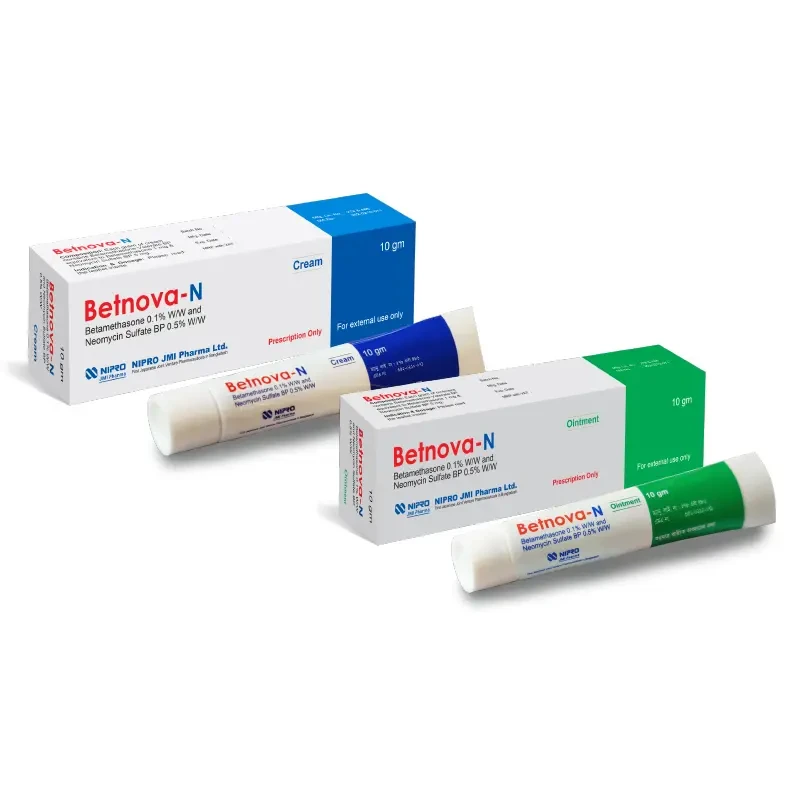
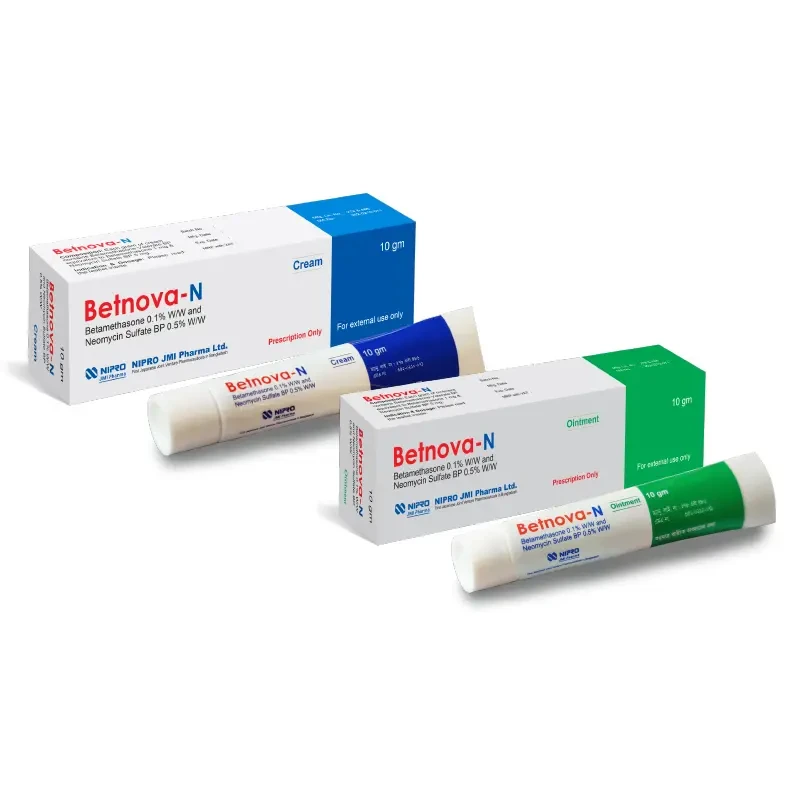
Betamethasone + Neomycin Sulphate is a combination topical medication used to treat inflammatory skin conditions complicated by bacterial infections. Betamethasone is a corticosteroid that reduces inflammation, while Neomycin is an antibiotic that helps combat bacterial infections.
Uses
This combination is used for:
- Treating inflammatory skin conditions such as eczema, dermatitis, and psoriasis that are complicated by bacterial infections.
- Relieving symptoms such as itching, redness, and swelling associated with these conditions.
Mechanism of Action
Betamethasone works by suppressing the immune response and reducing inflammation through inhibition of inflammatory mediators. Neomycin acts by inhibiting bacterial protein synthesis, thereby stopping bacterial growth and helping clear infections.
How Long Does It Take to Work?
Patients may start to see improvement in symptoms such as itching and redness within a few days of starting the treatment. Full therapeutic effects may take several weeks to achieve, depending on the severity of the condition and adherence to the prescribed regimen.
Absorption
When applied topically, Betamethasone + Neomycin Sulphate is absorbed through the skin. The degree of absorption can vary based on the area of application and the condition of the skin. Betamethasone absorption may be higher in areas with damaged skin.
Route of Elimination
Topically applied Betamethasone is metabolized in the liver and excreted in the urine. Neomycin, when used topically, has minimal systemic absorption and is primarily excreted in the feces. Systemic absorption of Neomycin is generally low with topical use.
Dosage
Use in adults: This preparation should be applied to the affected parts of the skin as a thin layer for 3 to 4 times daily. In chronic conditions, withdrawal of treatment is carried out by decreasing the frequency of application until the cream is applied as infrequently as once a week. Or as directed by the physician.Use in children: Do not use it on children under 1 year of age. A course of treatment for a child should not normally last more than 5 days unless otherwise stated by your physician.
The typical dosage is:
- Apply a thin layer of the cream or ointment to the affected area once or twice daily, depending on the severity of the condition and the physician's instructions.
- Do not exceed the recommended frequency or duration of use to avoid potential side effects.
Administration
Apply Betamethasone + Neomycin Sulphate topically to clean, dry skin. Gently rub the medication into the affected area until it is evenly distributed. Avoid applying to large areas of the body and avoid using occlusive dressings unless directed by a healthcare provider.
Side Effects
Common side effects may include:
- Skin irritation
- Dryness or peeling of the skin
- Burning or stinging sensations at the site of application
Severe side effects may include:
- Allergic reactions (e.g., rash, itching, swelling)
- Systemic effects such as adrenal suppression or Cushing's syndrome if used extensively or under occlusive dressings
- Development of antibiotic-resistant bacterial infections
Toxicity
Topical toxicity is rare but may occur with excessive use or application over large areas. Symptoms of toxicity include significant local irritation or systemic effects such as adrenal suppression. In case of overdose, discontinue use and seek medical advice.
Precautions
Precautions include:
- Avoid prolonged use or application to large areas of the body to minimize the risk of systemic side effects.
- Do not apply to broken or infected skin unless directed by a healthcare provider.
- Monitor for signs of allergic reactions or local infections.
Interaction
Interactions are minimal with topical use, but care should be taken when using other topical medications to avoid potential additive effects or adverse reactions. Combining with other corticosteroids or antibiotics should be done with caution and under medical supervision.
Disease Interaction
Use with caution in patients with:
- Pre-existing skin infections
- Chronic dermatologic conditions
- Impaired renal or hepatic function, especially if large amounts are used
Drug Interaction
Drug interactions are rare with topical use, but potential interactions with other topically applied drugs or systemic medications should be monitored, especially if used extensively or for prolonged periods.
Food Interactions
No significant food interactions are known. However, maintaining a balanced diet may support overall skin health and improve the efficacy of treatment.
Pregnancy Use
Use during pregnancy should be limited to the lowest effective dose and for the shortest duration possible. The potential risks versus benefits should be assessed, as corticosteroids can cross the placenta and may affect fetal development.
Lactation Use
Betamethasone + Neomycin Sulphate should be used with caution during lactation. Avoid applying to the breast area to prevent ingestion by the infant. The benefits and risks should be evaluated by a healthcare provider.
Acute Overdose
Acute overdose is unlikely with topical application. In cases of excessive application or ingestion, symptoms may include severe local irritation or systemic effects. Discontinue use and consult a healthcare provider for management.
Contraindication
Contraindications include:
- Hypersensitivity to Betamethasone, Neomycin, or any component of the formulation.
- Active untreated infections, including tuberculosis or viral infections.
- Conditions where corticosteroids are contraindicated, such as certain fungal infections.
Use Direction
Follow the prescribed dosage and application instructions. Do not use more frequently or for a longer duration than recommended. Avoid contact with eyes and mucous membranes. If symptoms persist or worsen, seek medical advice.
Storage Conditions
Store at room temperature, away from moisture and heat. Keep the medication in its original container, tightly closed, and out of reach of children.
Volume of Distribution
The volume of distribution for Betamethasone and Neomycin in topical application is not well-defined due to minimal systemic absorption. Local distribution at the site of application is significant.
Half Life
The half-life of Betamethasone is approximately 36 to 54 hours when administered systemically. For topical application, systemic half-life is not a primary consideration. Neomycin has minimal systemic absorption with topical use, so systemic half-life is not typically relevant.
Clearance
Betamethasone is primarily cleared through hepatic metabolism and renal excretion. Neomycin, when used topically, has minimal systemic clearance, as systemic absorption is low.