Introduction
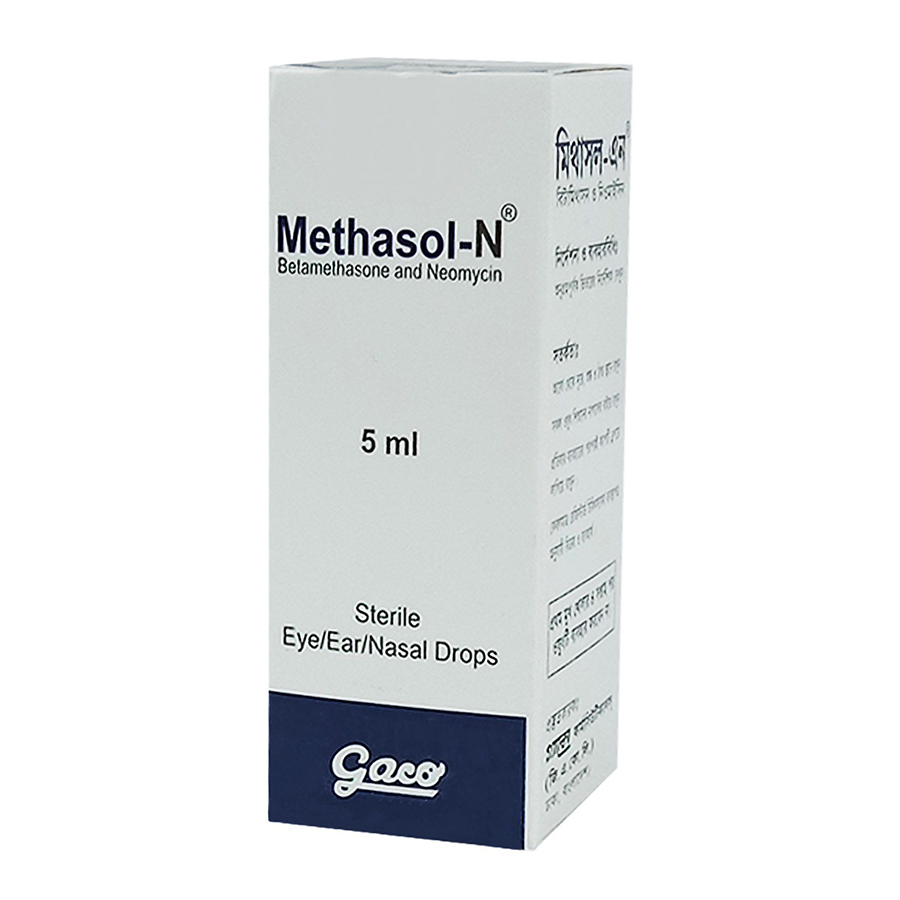
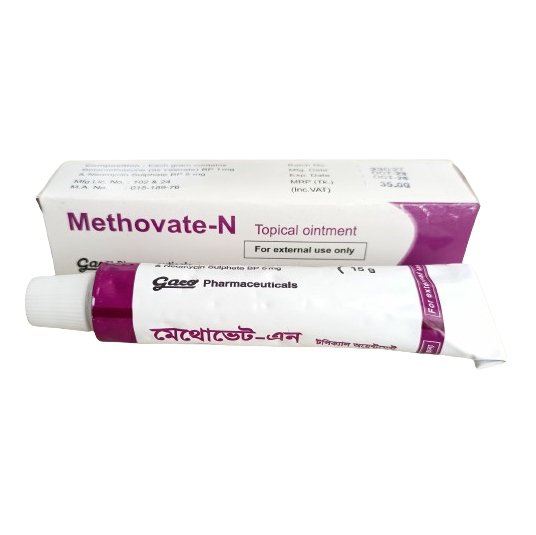
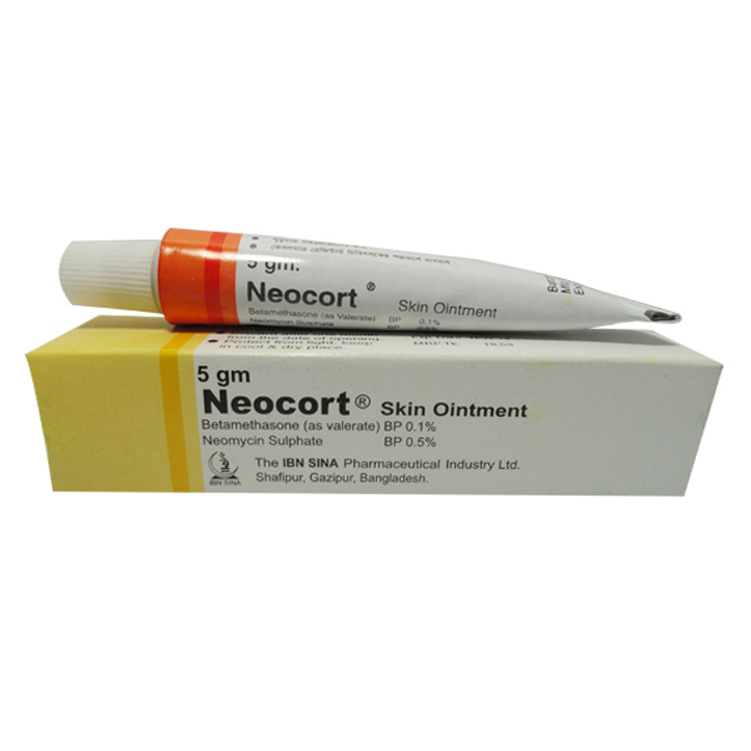
Betamethasone and Neomycin Sulphate are combined in topical formulations to treat various dermatological conditions. Betamethasone is a potent corticosteroid that reduces inflammation, while Neomycin is an antibiotic that helps prevent or treat bacterial infections in the skin.
Uses
This combination is used for:
- Treating inflammatory skin conditions such as eczema, dermatitis, and psoriasis, especially when complicated by bacterial infections.
- Managing itching, redness, and swelling associated with various dermatological conditions.
- Preventing or treating secondary bacterial infections in the skin.
Mechanism of Action
The two components work as follows:
- Betamethasone acts as a corticosteroid to reduce inflammation by inhibiting the release of inflammatory mediators from immune cells and decreasing swelling, redness, and itching.
- Neomycin Sulphate is an aminoglycoside antibiotic that inhibits bacterial protein synthesis by binding to the 30S ribosomal subunit, leading to the death of susceptible bacteria.
How Long Does It Take to Work?
Betamethasone typically starts reducing inflammation and symptoms within a few hours to days of application, with significant improvement often visible within 1 to 2 weeks. Neomycin begins working immediately to combat bacterial infections, although visible effects might take a few days to manifest, depending on the severity of the infection.
Absorption
When applied topically, Betamethasone is absorbed through the skin in small amounts. Neomycin is also absorbed through the skin but to a lesser extent. Systemic absorption is minimal, which helps reduce the risk of systemic side effects.
Route of Elimination
Betamethasone is primarily metabolized in the liver and excreted in the urine. Neomycin is minimally absorbed systemically, so it is primarily eliminated in the feces. Minimal amounts are absorbed and subsequently excreted through the kidneys.
Dosage
The dosage depends on the specific formulation and condition being treated. Typically, a thin layer of the ointment or cream is applied to the affected area 1 to 2 times daily. The exact dosage and frequency should be determined by a healthcare provider based on the severity of the condition and patient response.
Administration
Apply the medication topically to the affected area of the skin. Gently rub in the ointment or cream until fully absorbed. Avoid applying to large areas of the skin or using occlusive dressings unless directed by a healthcare provider. Wash hands thoroughly after application.
Side Effects
Common side effects include:
- Local skin reactions such as burning, stinging, or dryness.
- Skin thinning or atrophy with prolonged use.
- Secondary infections due to Neomycin, such as fungal infections.
Less common side effects may include systemic effects if excessive amounts are used, such as adrenal suppression from Betamethasone.
Toxicity
Topical toxicity is rare but can occur, particularly with prolonged use or over large areas of skin. Symptoms of toxicity may include severe skin irritation, adrenal suppression, or systemic side effects from Betamethasone. Neomycin toxicity is more common with systemic use, which is less likely with topical application.
Precautions
Precautions include:
- Use only as directed to avoid systemic absorption and potential side effects.
- Avoid using near the eyes or on broken skin.
- Monitor for signs of secondary infection or allergic reactions.
Interaction
Interactions with other medications are generally minimal with topical applications. However, using other topical products, especially those containing alcohol or other active ingredients, may increase the risk of skin irritation or affect the efficacy of Betamethasone and Neomycin.
Disease Interaction
Use with caution in patients with:
- Active or chronic skin infections, as Neomycin may not cover all bacterial pathogens.
- Diabetes or other conditions that affect wound healing, as prolonged use of corticosteroids can impair skin integrity.
Drug Interaction
Drug interactions are minimal with topical applications. However, if using other topical medications, it is important to consider potential additive effects or increased risk of skin irritation.
Food Interactions
No specific food interactions are known with topical Betamethasone and Neomycin. Maintain a balanced diet to support overall health and skin integrity.
Pregnancy Use
During pregnancy, Betamethasone and Neomycin should be used only if the benefits outweigh the risks. Topical corticosteroids and antibiotics can be used cautiously under medical supervision to avoid potential systemic effects on the developing fetus.
Lactation Use
Both Betamethasone and Neomycin may be excreted in breast milk in small amounts. Use cautiously while breastfeeding, and apply the medication sparingly to avoid direct contact with the breast area.
Acute Overdose
Acute overdose is unlikely with topical application. In cases of excessive use or accidental ingestion, seek medical advice. Symptoms of overdose may include severe skin reactions or systemic effects of corticosteroids.
Contraindication
Contraindications include:
- Known hypersensitivity to Betamethasone, Neomycin, or any other component of the formulation.
- Active viral, fungal, or tuberculosis infections of the skin, as these conditions may be exacerbated by corticosteroid or antibiotic use.
Use Direction
Follow the prescribed application instructions. Do not use more than recommended or for longer periods than advised. If symptoms persist or worsen, consult a healthcare provider for reassessment.
Storage Conditions
Store the ointment or cream at room temperature, away from direct sunlight and moisture. Keep the container tightly closed to prevent contamination. Do not freeze or expose to high temperatures.
Volume of Distribution
For topical applications, the volume of distribution is primarily localized to the skin. Systemic absorption is minimal but may occur, especially with extensive use or broken skin.
Half Life
The half-life of Betamethasone in the systemic circulation is approximately 36 hours. Neomycin’s systemic half-life is relatively short due to its minimal absorption when applied topically.
Clearance
Betamethasone is cleared primarily through hepatic metabolism and renal excretion. Neomycin is mostly excreted in the feces, with minimal systemic clearance due to its low absorption through the skin.