Introduction
Benzoyl peroxide is a commonly used drug in topical treatments for acne. It has been formulated as products with either a single active ingredient, or with erythromycin, clindamycin, or adapalene. After administration, the peroxide bond is cleaved, allowing benzoyloxy radicals to nonspecifically interact with proteins. This treatment decreases keratin and sebum around follicles, as well as increasing turnover of epithelial cells.
Uses
Benzoyl peroxide is an antibacterial and anti-inflammatory agent used for the symptomatic treatment of mild to moderate acne vulgaris and rosacea.
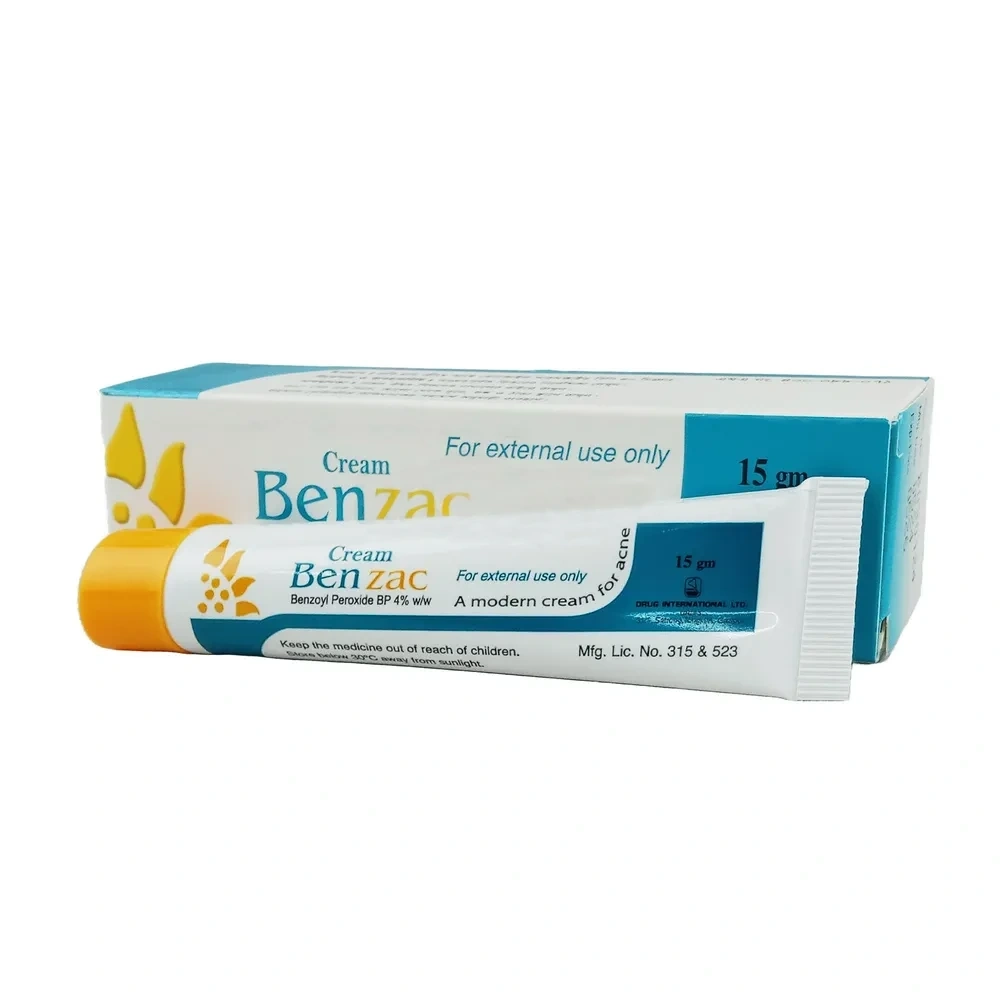
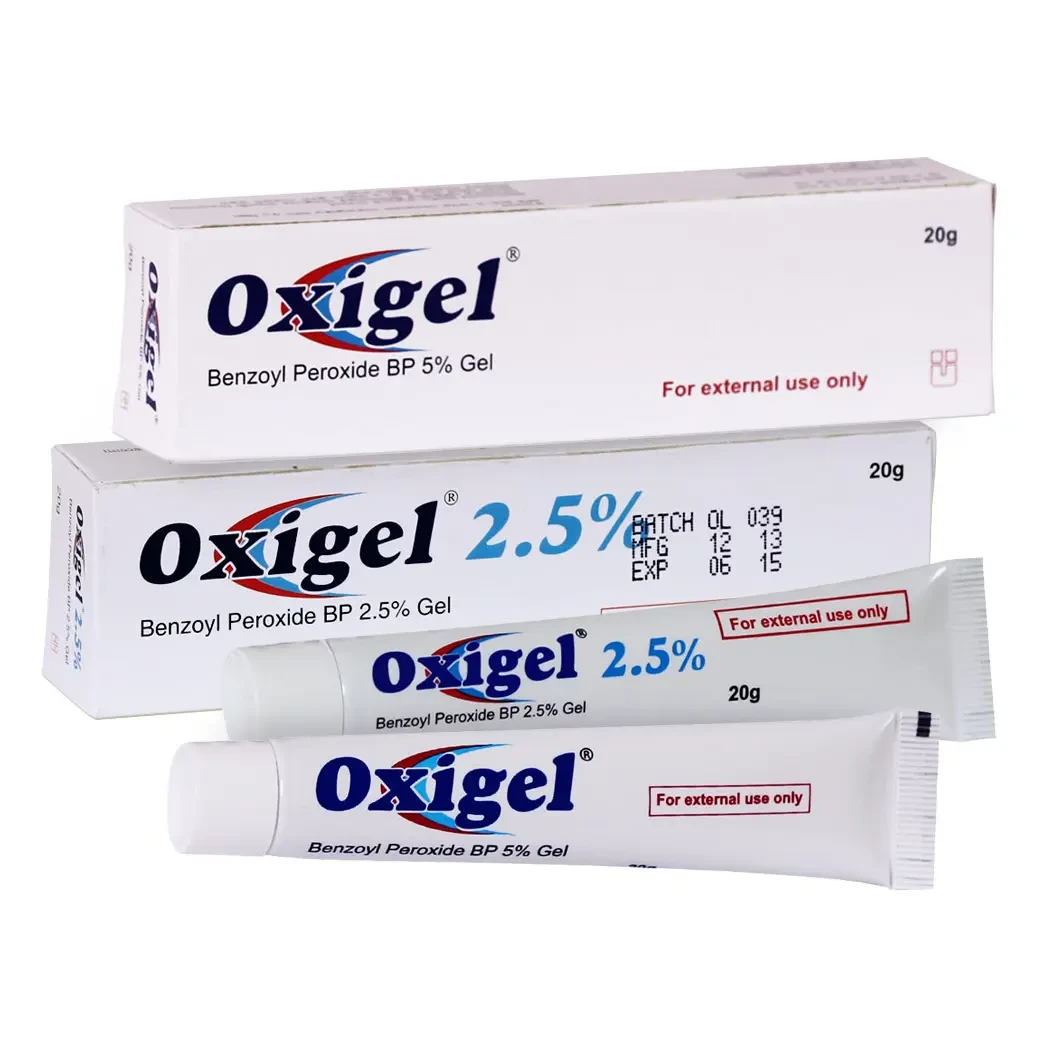
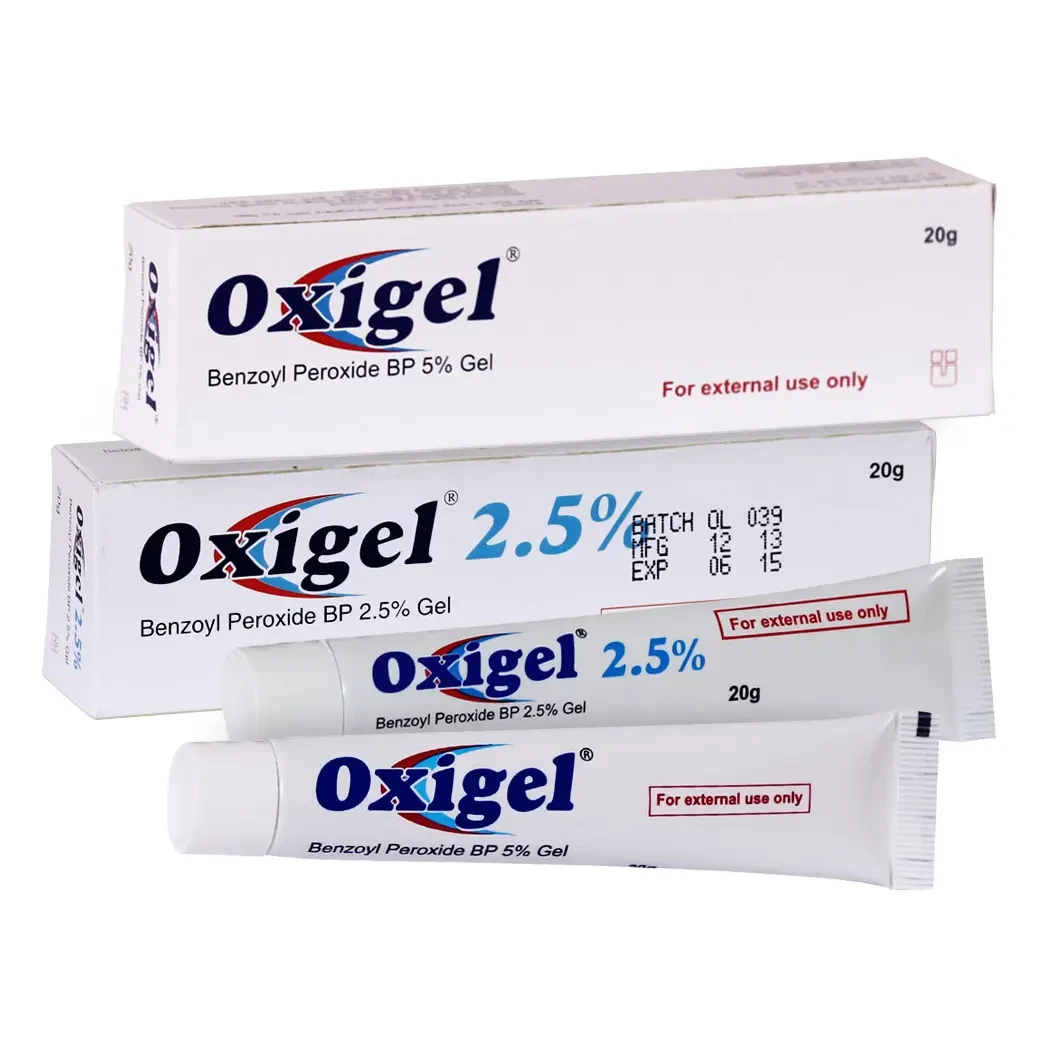
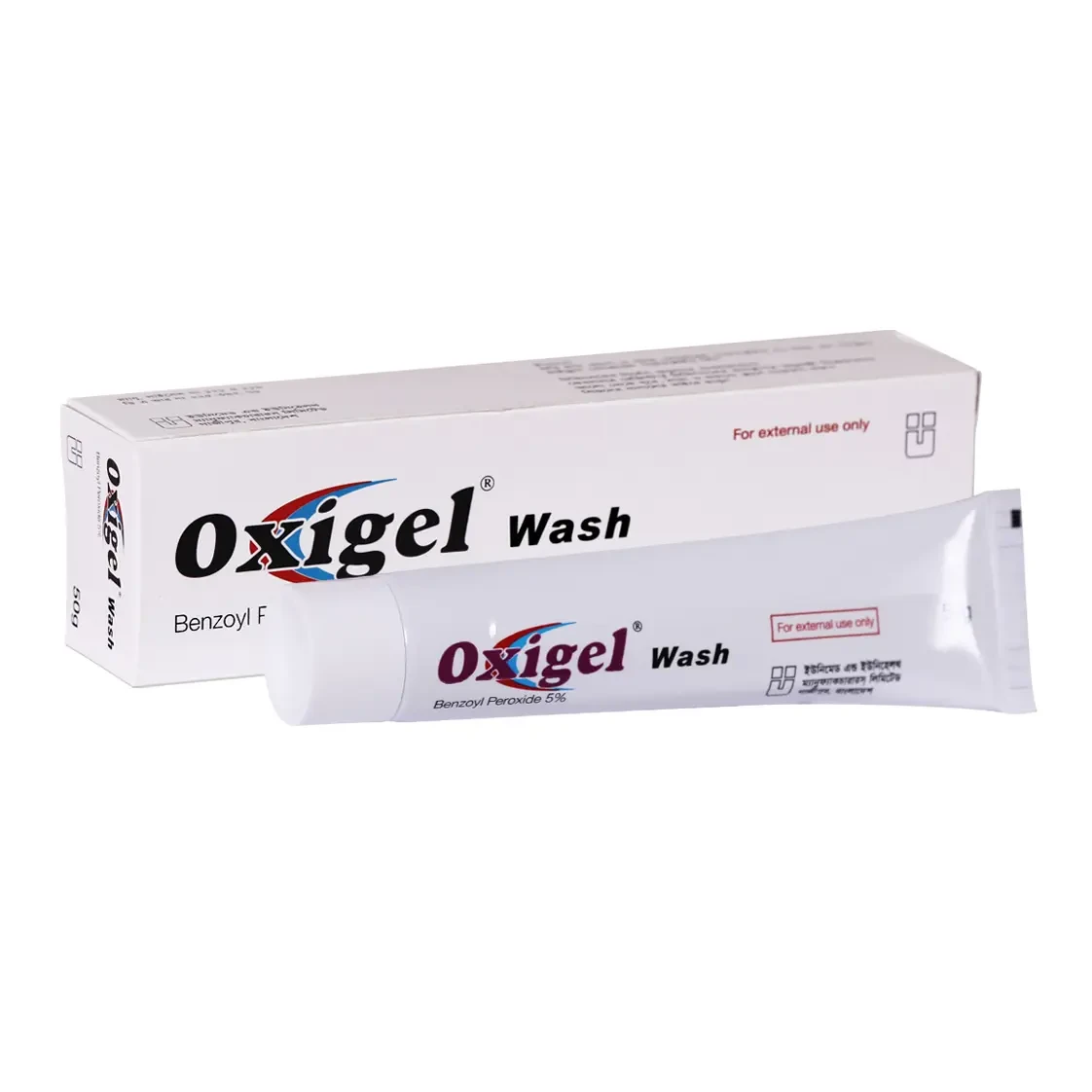
Benzoyl peroxide is formulated with antibiotics such as erythromycin and clindamycin for the treatment of acne vulgaris. Benzoyl peroxide is formulated as a number of topical products for the treatment of acne.
Associated Conditions
Pharmacodynamics
Benzoyl peroxide is a topical treatment for acne that generates free radicals to break down comedones and increase the rate of epithelial cell turnover. It has a short duration of action as its active free radical metabolites quickly react to form inactive metabolites. The therapeutic index is wide, as overdoses are rare, however patients may still experience skin peeling. Patients should be counselled regarding increased risks of skin irritation, dryness, and sunburn.
Mechanism of Action
Acne vulgaris is caused by inflammation in the pilosebaceous gland. Acne is generally caused by increased excretion of sebum from pilosebaceous glands, endocrine factors such as androgenic hormones, keratin developing around follicles, bacterial growth, and inflammation. These factors contribute to the formation of comedones (whiteheads and blackheads).
The peroxide bond of benzoyl peroxide is cleaved to form 2 benzoyloxy radicals. These radicals interact nonspecifically with bacterial proteins, interfering with their function, and survival of the bacteria. Over time, free radical interactions with bacterial proteins lead to decreased keratin and sebum around follicles.
Benzoyl peroxide can also increase the turnover rate of epithelial cells, leading to skin peeling, and breaking down comedones.
Absorption
In a sample of excised skin, 1.9% of a radiolabelled topical dose fully penetrates the skin, and 2.6% remains in the skin. The radiolabelled dose that fully penetrates the skin is recovered as benzoic acid, while the dose in the skin is approximately half benzoic acid and half benzoyl peroxide. 95.5% of a radiolabelled dose is not absorbed or metabolized after 8 hours.
Route of Elimination
Benzoyl peroxide's metabolite benzoic acid, is eliminated in the urine. Data regarding fecal elimination is not readily available.
Toxicity
Data regarding overdoses of benzoyl peroxide are not readily available. During an overdose patients may experience and increased risk or severity of adverse effects such as skin itching, burning, peeling, inflammation, and erythema.
The oral LD50 in rats is 490 mg/kg.
Food Interactions
No interactions found.
Dosage
Children: Safety and effectiveness in children below the age of 12 have not been established.