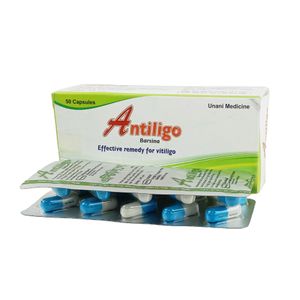
Introduction
Barsina is a medication that is used primarily for its antimicrobial properties. It is often utilized to treat infections caused by bacteria or fungi, depending on its specific formulation and indications.
Uses
Barsina is used for:
- Treating bacterial infections such as urinary tract infections, respiratory infections, and skin infections.
- Addressing fungal infections in certain formulations.
- Preventing infection in specific surgical or medical procedures.
Mechanism of Action
The mechanism of action of Barsina depends on its specific components. Typically, it works by inhibiting the growth of bacteria or fungi through various mechanisms such as:
- Inhibition of bacterial cell wall synthesis.
- Interference with nucleic acid synthesis.
- Disruption of cell membrane integrity.
How Long Does It Take to Work?
The onset of action for Barsina varies depending on the infection and its severity. Generally, improvement in symptoms may be observed within 24 to 72 hours of initiating treatment. Full resolution of infection may take longer, depending on the type of infection and patient response.
Absorption
Barsina is typically absorbed through the gastrointestinal tract if administered orally. The rate and extent of absorption can vary based on factors such as food intake, dosage form, and individual patient characteristics.
Route of Elimination
Barsina is usually metabolized in the liver and excreted via the kidneys. The specific route of elimination can depend on the drug's formulation and its metabolites.
Dosage
1-2 capsule(s) twice daily or as prescribed by the physician.The dosage of Barsina depends on the type and severity of the infection, as well as the patient's age and overall health. Typical dosages range from:
- 250 to 500 mg every 6 to 8 hours for bacterial infections.
- Adjustments may be necessary for pediatric or geriatric patients, and those with liver or kidney impairment.
Always follow the dosage instructions provided by a healthcare provider or on the product label.
Administration
Barsina can be administered orally in the form of tablets, capsules, or liquid. It may also be available as a topical formulation for localized infections. The medication should be taken as directed, typically with or without food.
Side Effects
Common side effects of Barsina include:
- Nausea or vomiting.
- Diarrhea.
- Allergic reactions such as rash or itching.
- Headache.
Less common but serious side effects may include:
- Severe allergic reactions (e.g., anaphylaxis).
- Severe gastrointestinal issues such as persistent diarrhea or bloody stools.
Toxicity
Overdose of Barsina can lead to severe symptoms such as:
- Severe gastrointestinal distress.
- Neurological symptoms such as seizures or confusion.
- Kidney damage or failure.
Treatment of overdose includes supportive care and symptomatic management. In severe cases, specific antidotes or interventions may be required.
Precautions
Precautions for using Barsina include:
- Monitoring for allergic reactions or adverse effects, especially in patients with a history of allergies.
- Use with caution in patients with liver or kidney disease.
- Avoiding use in cases where the infection is resistant to Barsina.
Interaction
Barsina may interact with other medications such as:
- Anticoagulants, which may increase the risk of bleeding.
- Other antibiotics, which may affect efficacy or increase the risk of side effects.
Disease Interaction
Barsina should be used with caution in patients with:
- Chronic kidney or liver disease, which may affect drug metabolism and clearance.
- Severe allergies or hypersensitivity reactions to similar medications.
Drug Interaction
Drug interactions may occur with:
- Other antimicrobial agents, potentially leading to additive or antagonistic effects.
- Medications that affect liver enzymes, potentially altering Barsina's metabolism.
Food Interactions
There are no specific food interactions with Barsina, but it is generally advisable to take the medication with food to minimize gastrointestinal irritation.
Pregnancy Use
Barsina is generally considered Category B for pregnancy, meaning that it is not expected to harm the fetus based on available data. However, it should be used during pregnancy only if clearly needed and prescribed by a healthcare provider.
Lactation Use
It is not known if Barsina is excreted in breast milk. Use with caution during lactation, and consult a healthcare provider if necessary. Alternatives or close monitoring may be required.
Acute Overdose
In case of acute overdose, seek immediate medical attention. Treatment may involve supportive care, hydration, and symptomatic management. Activated charcoal may be administered if the overdose is recent.
Contraindication
Barsina is contraindicated in:
- Patients with known hypersensitivity to Barsina or related compounds.
- Individuals with severe liver or kidney impairment without proper medical supervision.
Use Direction
Follow the specific dosing instructions provided by your healthcare provider or on the product label. Do not exceed the recommended dose and ensure consistent use as directed to effectively manage the infection.
Storage Conditions
Store Barsina at room temperature, away from direct light and moisture. Keep out of reach of children and dispose of unused or expired medication properly.
Volume of Distribution
The volume of distribution for Barsina varies depending on its formulation and the patient's condition. It generally distributes throughout the body, including affected tissues.
Half Life
The half-life of Barsina varies by its specific formulation and patient factors. It is typically in the range of a few hours to a day, depending on how it is metabolized and excreted.
Clearance
Barsina is cleared from the body primarily through hepatic metabolism and renal excretion. The clearance rate may be influenced by liver and kidney function, as well as interactions with other medications.